TEA ENCYCLOPEDIAA little closer to the world of tea.
TEA ENCYCLOPEDIA / Teas

Teas.

From green to dark tea, find a tea by type, origin or name.

109entries
Sorted by name
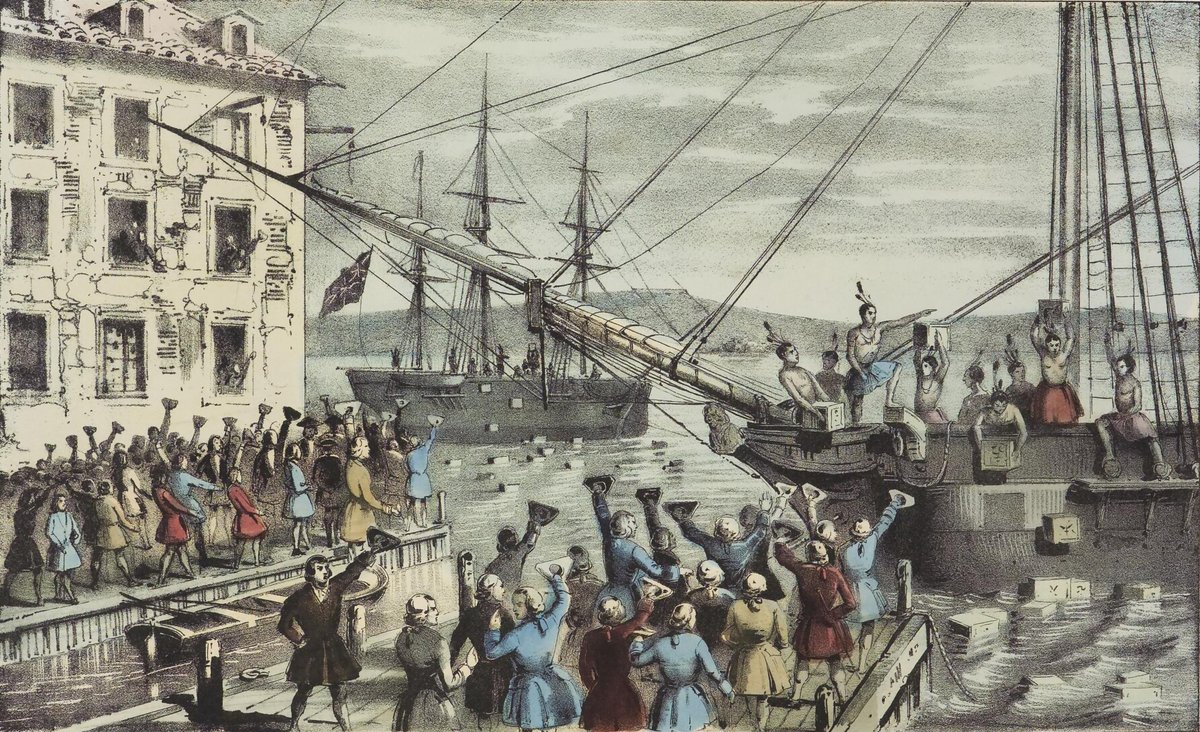
TeaNathaniel Currier's 1846 lithograph of the Boston Tea Party; a historical illustration, not the Abigail's Blend packNathaniel Currier / Wikimedia Commons · Public domain
United States

Abigail's Blend

Abigail's Blend is a commemorative black-tea blend created for the Boston Tea Party Ships & Museum and Abigail's Tea Room by tea master Bruce Richardson and crafted by Elmwood Inn Fine Teas. It is named for Abigail Adams. It is not the tea thrown into Boston Harbor in 1773, and it is not the “Boston Harbour Tea” commercial brand. The blend uses Chinese Yunnan black tea as its base and adds Assam, Nilgiri and Kenyan black teas. The museum's own description is that it recalls the Chinese black teas thrown overboard in 1773, “but better”. It can be served hot or iced, with or without milk. The product comes as 3.5 oz (99 g) loose tea or 14 pyramid tea bags at $17.99. On 16 December 1773, 340 chests of East India Company tea from the Beaver, Dartmouth and Eleanor were dumped into Boston Harbor, weighing over 92,000 lb (about 46 tonnes); about 80% was Chinese black tea.

Black tea
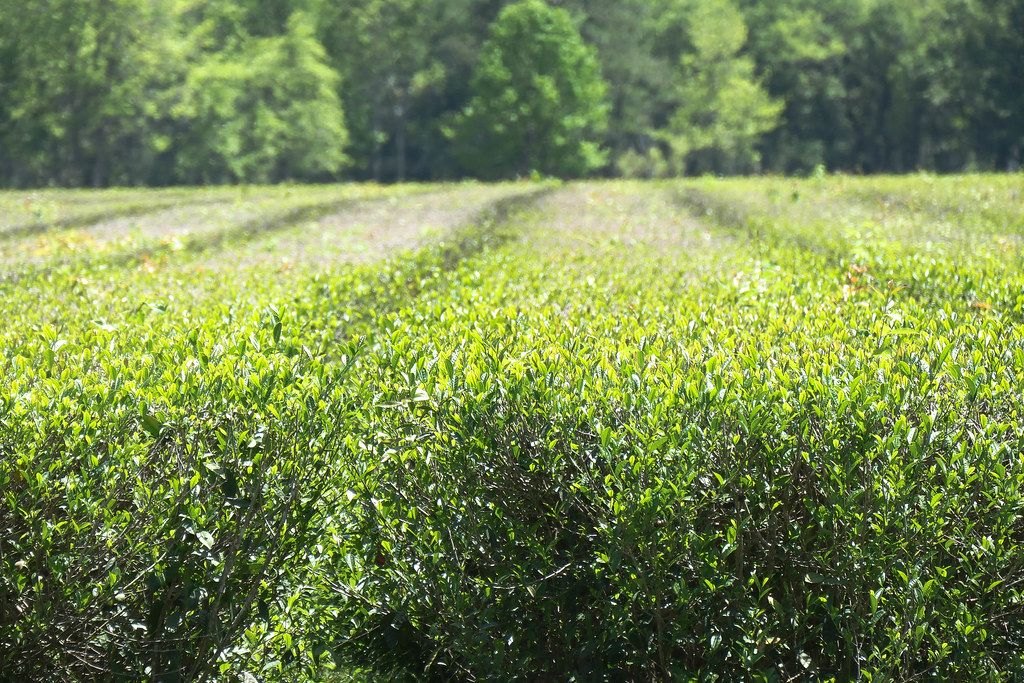
TeaTea rows at Charleston Tea Garden on Wadmalaw Island, South CarolinaJonathan Geiger (erniedog1982) / Flickr · CC BY 2.0
United States

American Classic Tea (Charleston Tea Garden)

American Classic Tea is the flagship black tea of Charleston Tea Garden on Wadmalaw Island, South Carolina. It is made exclusively from tea grown in the United States, but it is not a cultivar, a protected origin or a generic “Charleston-style” black tea. The garden's own material supplies the usable facts: 127 acres, more than 320 tea varieties, a history that runs from Charles Shepard's Pinehurst plantation in 1888 to the 1963 transplant at Wadmalaw Island, commercial operation in 1987 and Bigelow ownership from 2003. The tea itself is a larger-leaf black tea; the official brewing suggestion is 8 ounces of boiling water for 2–4 minutes, hot or iced. The page deliberately leaves cultivar and CTC/Orthodox claims out because the official pages do not publish them.

Black tea
TeaTea hills in Vietnam; a Vietnam tea-garden reference image, not a Bao Loc tea garden in Lam DongTran Anh Tuan / Pexels · Pexels License
Vietnam

Bao Loc Oolong Tea

Bao Loc oolong (Trà Ô Long Bảo Lộc) is a tea region and a family of oolong-style teas from Bao Loc in Lam Dong, Vietnam. It is not a single brand and not a synonym for “Vietnamese Tieguanyin”. Bao Loc sits at about 800 m on the Lam Dong plateau, with cool nights, thick morning fog and a large day-night temperature swing; its soil is deeply weathered basalt, rich in minerals and both well drained and moisture-retentive. Local gardens grow local seed tea, Shan tea and introduced oolong cultivars. Bao Loc oolong is exported to Russia, France, the United States, India, Japan, Thailand, Indonesia, Singapore, Taiwan, Hong Kong and the Middle East. Bao Loc VN and Kim Điền operate at different scales.

Oolong tea
TeaView from Three Crosses over Chicoral, the Hindú tea garden and Bitaco Forest ReserveMateo.gable / Wikimedia Commons · CC BY-SA 3.0
Colombia

Bitaco Colombian Black Tea

“Colombian highland black tea” is neither a protected appellation nor a national grade. The public, traceable object is the Bitaco black-tea line made by Agrícola Himalaya in the Bitaco area of Valle del Cauca, Colombia. Bitaco describes its black teas as organic, single-origin specialty tea with an amber liquor, smooth and subtly sweet, mellow, with raisin and dried-plum notes. The garden sits at about 1,800 metres and coexists with the Bitaco Regional Forest Reserve. The company's earlier commodity brand was Té Hindú; Bitaco was launched in 2016 as a premium organic line. Cultivar, oxidation percentage and rolling method are not published, so this page does not invent them.

Black tea
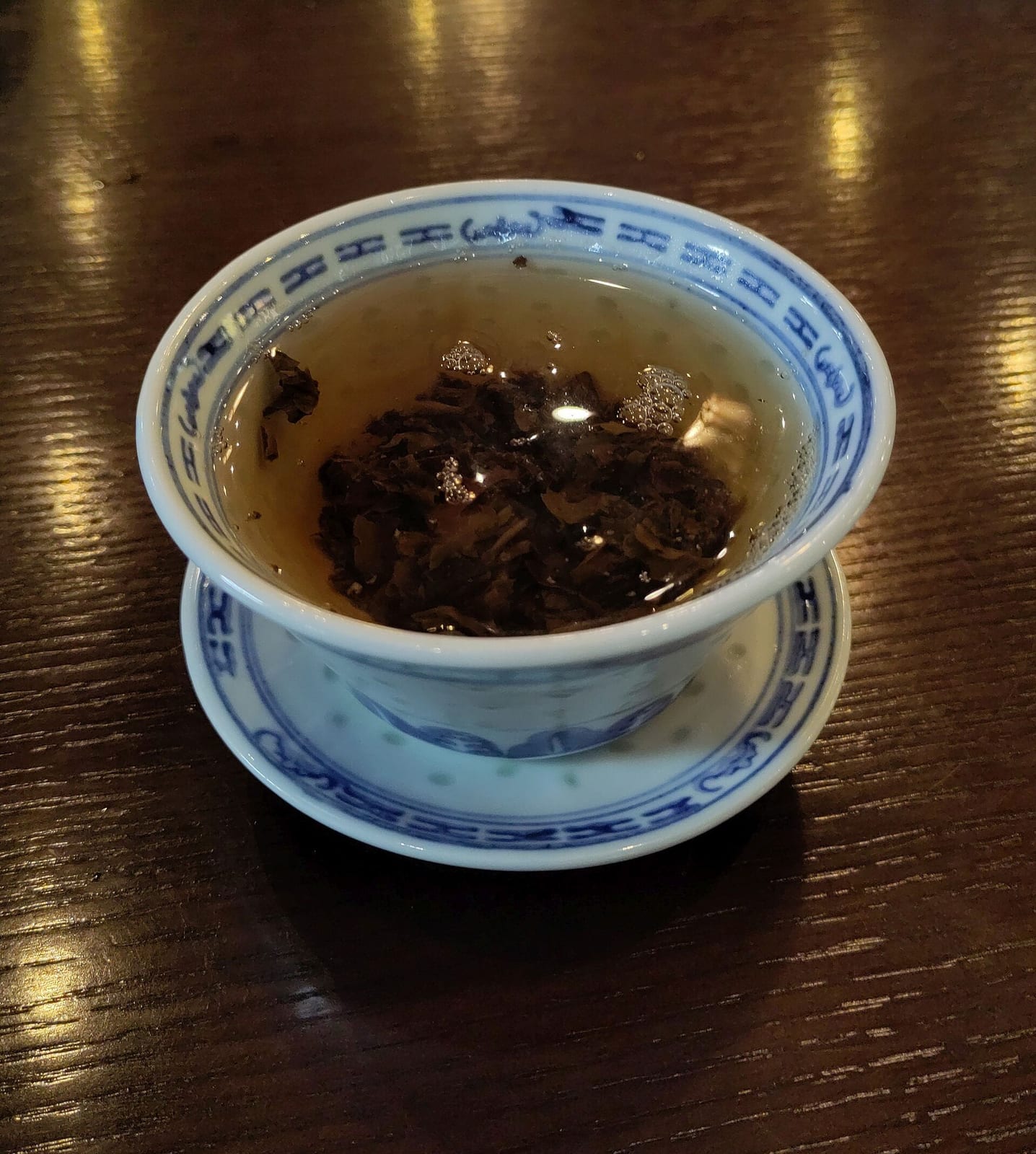
TeaView from Three Crosses over Chicoral, the Hindú tea plantation and Bitaco Forest Reserve, with the Farallones de Cali in the distanceMateo.gable / Wikimedia Commons · CC BY-SA 3.0
Colombia

Bitaco Green Tea

Bitaco is the specialty tea brand of Agrícola Himalaya S.A., grown at Hacienda Himalaya in La Cumbre, Bitaco, Valle del Cauca, Colombia. The estate is about 254 ha at roughly 1,700–2,050 m, with about half conservation forest and half organic tea, and is described by its owner as Colombia's only commercial tea plantation. Its green tea is not Japanese steamed tea: a publicly verifiable Bitaco green, Selva Curly Green, is pan-fired, with a sweet, nutty, mellow profile rather than a marine sencha profile. The old draft's "1998 Japanese steaming line," "Yabukita/Asatsuyu cultivars," "JAS certification" and "Andean gyokuro" claims have no source and have been removed.

Green tea
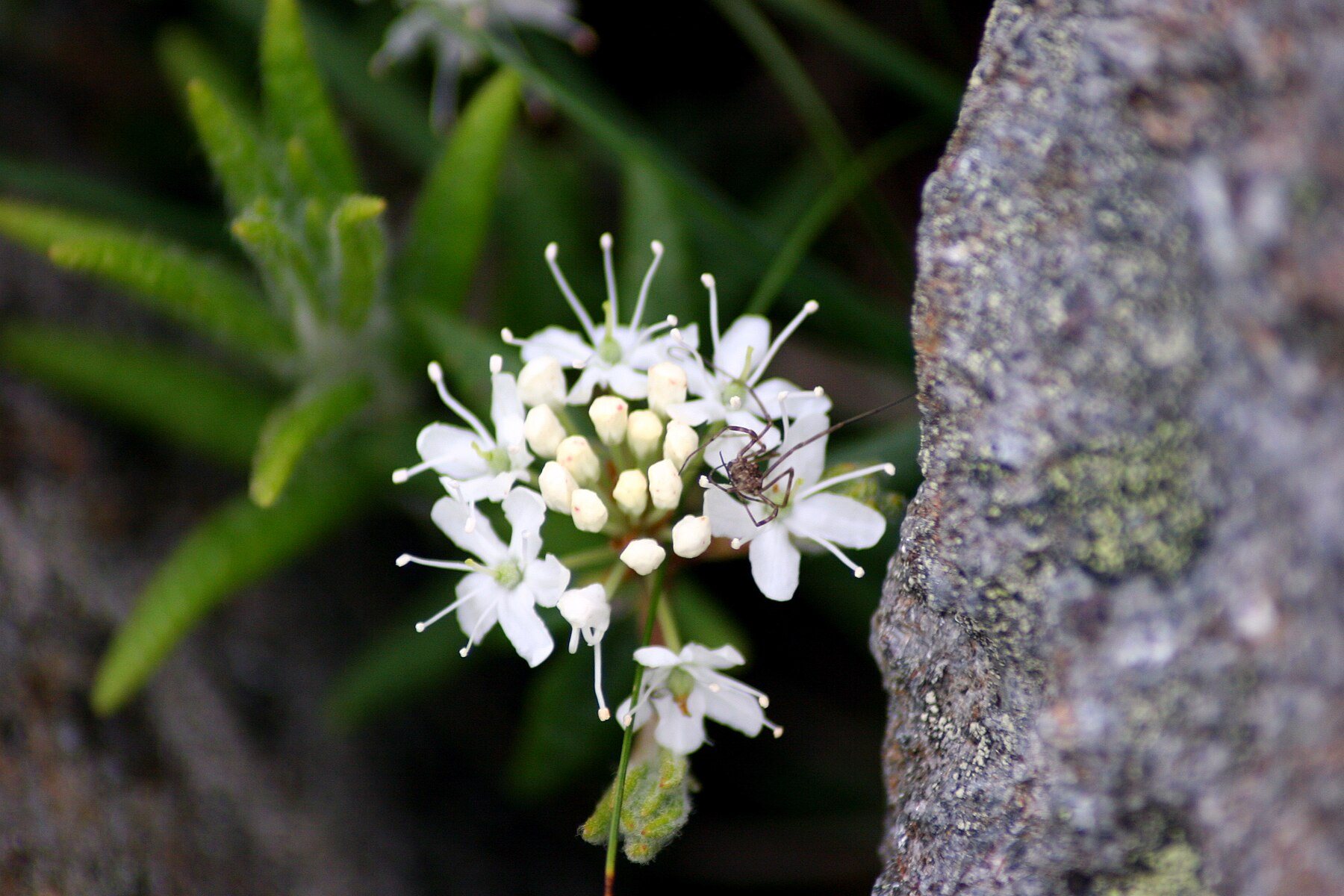
TeaWhite flower cluster of Labrador tea (Rhododendron groenlandicum)Peter Wurst / Wikimedia Commons · CC BY-SA 2.5
Canada

Canadian Boreal Herbal Tea

Canadian boreal herbal tea is not a fixed national recipe and not Camellia sinensis tea. It is a working label for caffeine-free infusions made from plants of Canada's boreal forest, most commonly Labrador tea (Rhododendron groenlandicum / R. tomentosum) and spring spruce tips (Picea glauca / P. mariana), with balsam fir and pine sometimes added. It has a long Indigenous and settler drinking tradition, but Labrador tea contains ledol and grayanotoxins; excessive or badly prepared infusions carry real risk. It is not a detox tea and not a substitute for medicine.

Herbal infusions
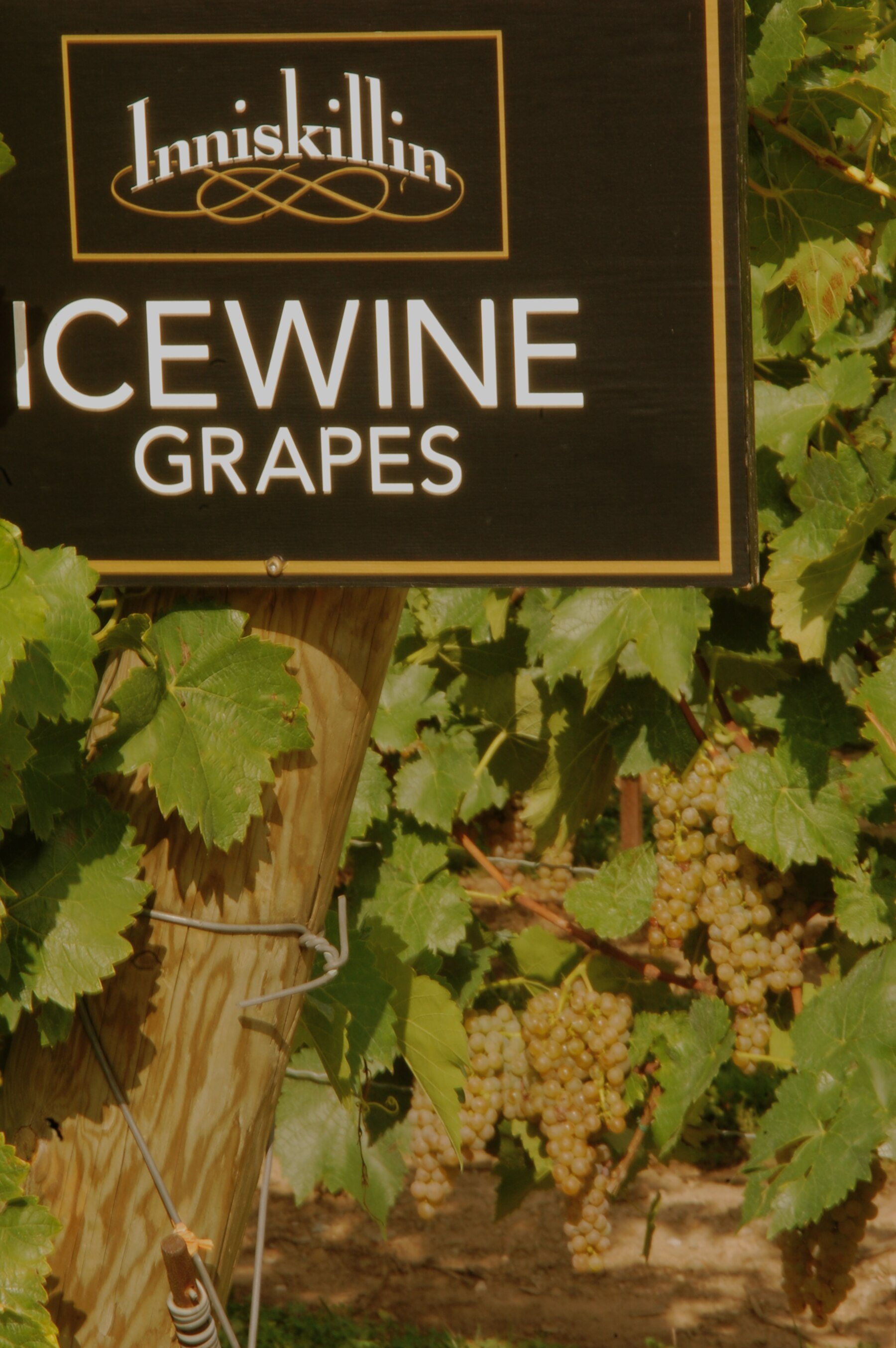
TeaGrapes used for ice wine growing at the Inniskillin vineyard in Niagara, Ontariocjsingh / Wikimedia Commons · CC BY 2.0
Canada

Canadian Icewine Tea (Icewine-Flavoured Black Tea)

Canadian Icewine Tea is a flavoured black-tea blend sold in Canada, not icewine and not tea grown in a Canadian garden. The base is usually Sri Lankan or other black tea, combined with icewine, natural flavours or grape flavour; formulations vary, and some contain real Ontario icewine while others use flavour only. Ontario Icewine itself is regulated: grapes must be naturally frozen on the vine, picked at -8°C or lower and pressed immediately, with juice at least 35 Brix. The old draft's claims of a Canadian tea garden, a single Niagara origin and fixed Darjeeling/Fuding bases had no source and have been rewritten.

Flavored tea
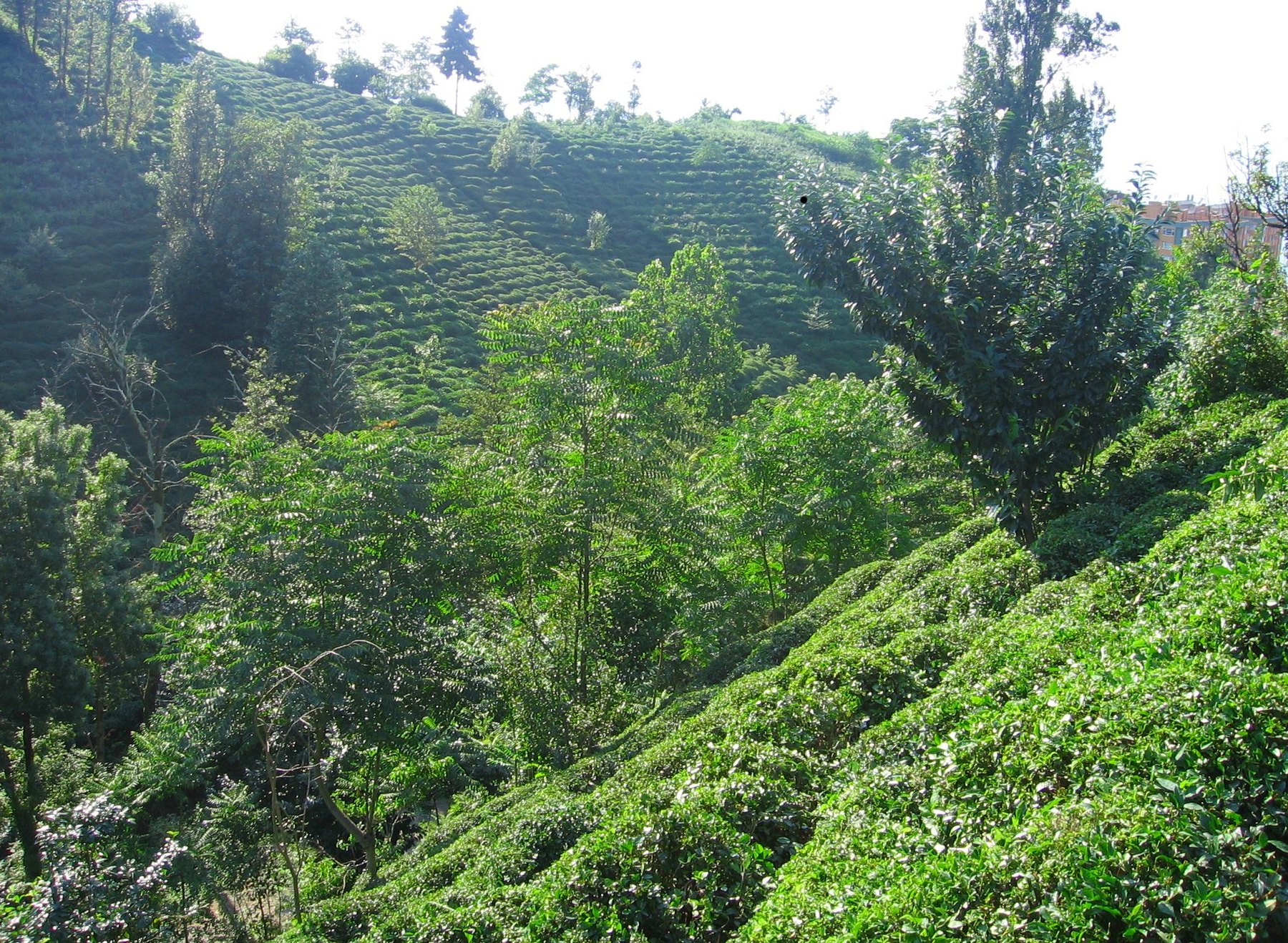
TeaTea rows on a hillside near Rize, Turkey, with trees around the fieldWikimol / Wikimedia Commons · CC BY-SA 2.5
Türkiye

Çaykur Altınbaş (Golden Head Black Tea)

Çaykur Altınbaş is a Turkish black-tea product and grade, not a cultivar and not the “golden head” plant part itself. Çaykur's official product copy says the bud at the top and the two small fresh leaves beneath it are the secret of Altınbaş; the blend carries the highest proportion of golden-tipped, curled leaf, a trademark astringency, a high aroma and enough strength that a small amount makes a large brew, with no additives or chemicals. It comes in a 400 g tin and in 200 g and 500 g bags. Çaykur's training notes explain the Altın Tip / Altınbaş look as an orange-gold “golden tip” formed when the buds are heavily hairy and processing is appropriate. It is not a Turkish Jin Junmei, not a single-estate tea and not an ancient-tree product.

Black tea
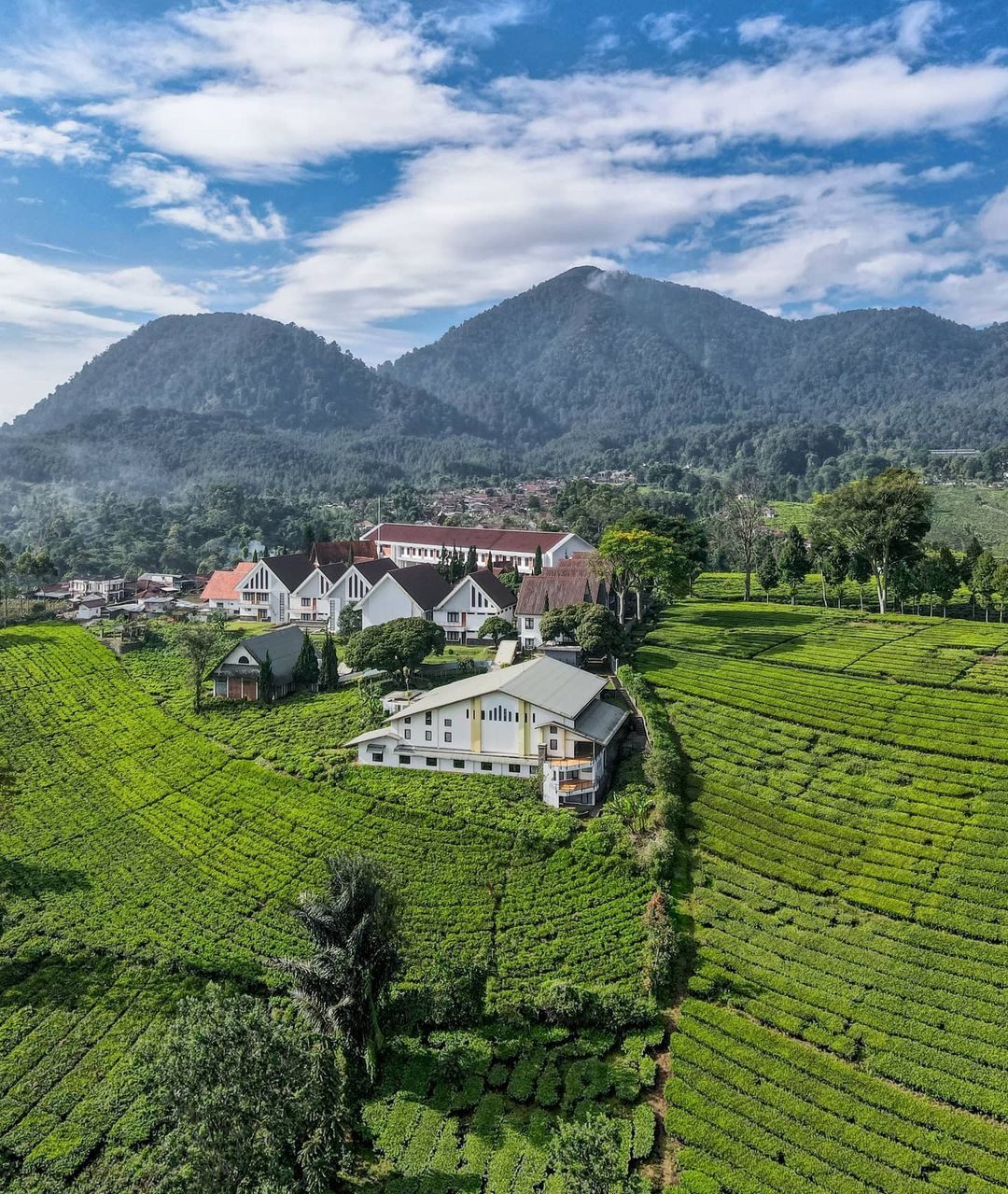
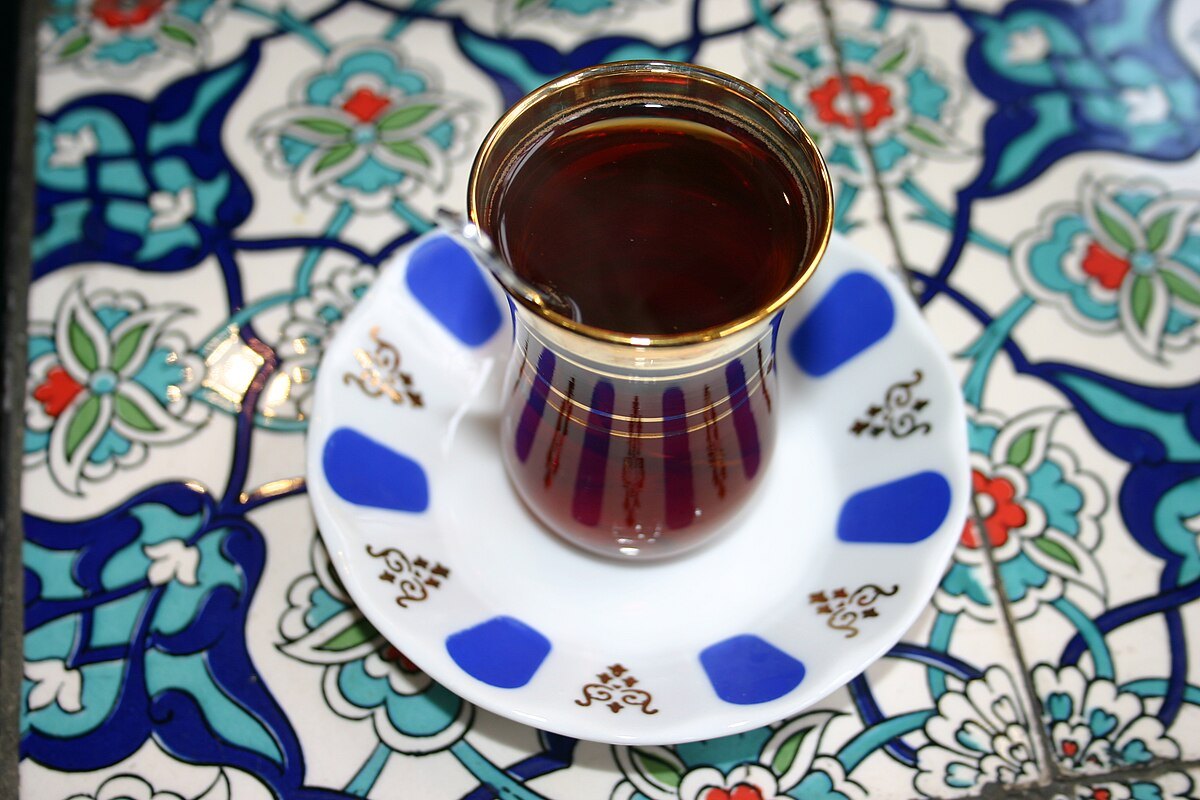
TeaBrewed Turkish tea in a traditional ince belli glassBertil Videt / Wikimedia Commons · CC BY 2.5
Türkiye

Çaykur Filiz (Bud-Leaf Black Tea)

Çaykur Filiz is a black-tea blend from Türkiye's state tea enterprise, named after the Turkish word for a shoot or bud. The official description is narrow and useful: it contains a high proportion of tea buds, has no additives, and is described as smooth with a lasting aroma. It is not a cultivar, a single estate, or the product of the old draft's ÇT-9 clone, 2008 project, 2011 launch or “feminine afternoon tea” story. The official pack sizes are 500 g, 1,000 g and 2,000 g. Filiz belongs to the everyday blended side of the Çaykur range, while Altınbaş is the golden-tip, more astringent line.

Black tea
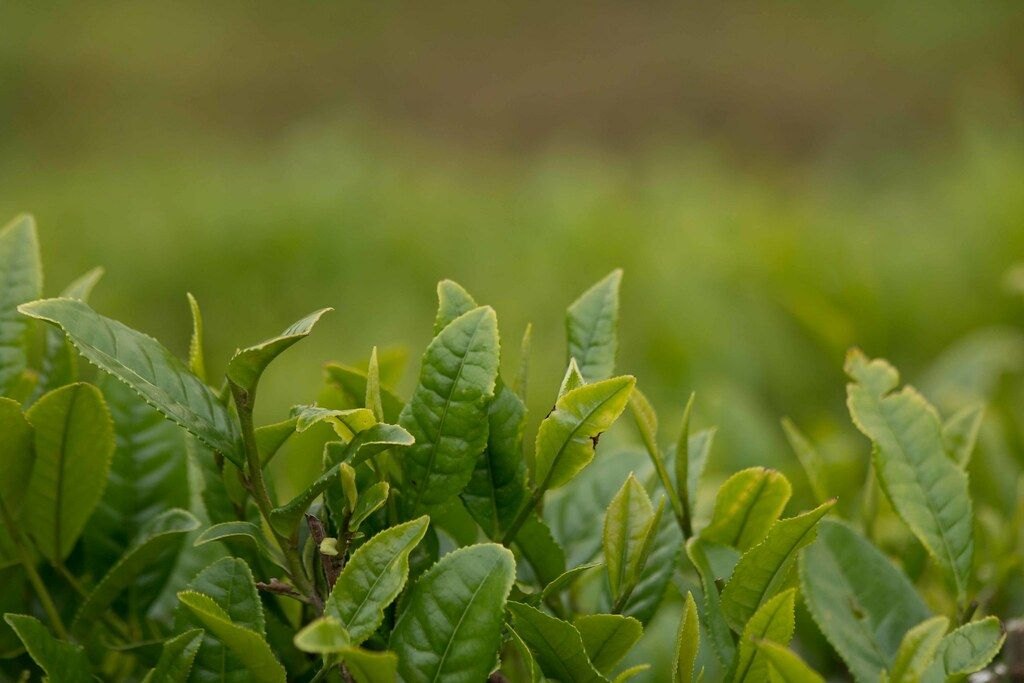
TeaTurkish tea in a tulip-shaped glass; illustrative image, not the Çaykur Karadeniz packBertil Videt / Wikimedia Commons · CC BY 2.5
Türkiye

Çaykur Karadeniz Çayı (Bergamot Flavoured)

Çaykur Karadeniz Çayı is a bergamot-flavoured black tea from Çaykur, Turkey's state-owned tea enterprise. This page covers the official “Bergamot Aromalı Karadeniz Çayı 1000gr” SKU. The product page lists 100% Turkish tea, 100% natural, a soft character and a bulk-use positioning; one box holds 10 units, each with a gross weight of 1.25 kg, at a listed price of TRY 398.50, out of stock at the time of review. Karadeniz means “Black Sea” and is a brand/product name, not a declared blend of Rize, Trabzon, Artvin, Giresun and Ordu. Bergamot is an added flavour, not a tea cultivar. Old claims about a five-province blend, a 2010 “Black Sea corridor” project, a 2013 launch and “Karadeniz Koyu/Bahar” versions have no official basis and are removed.
Black tea
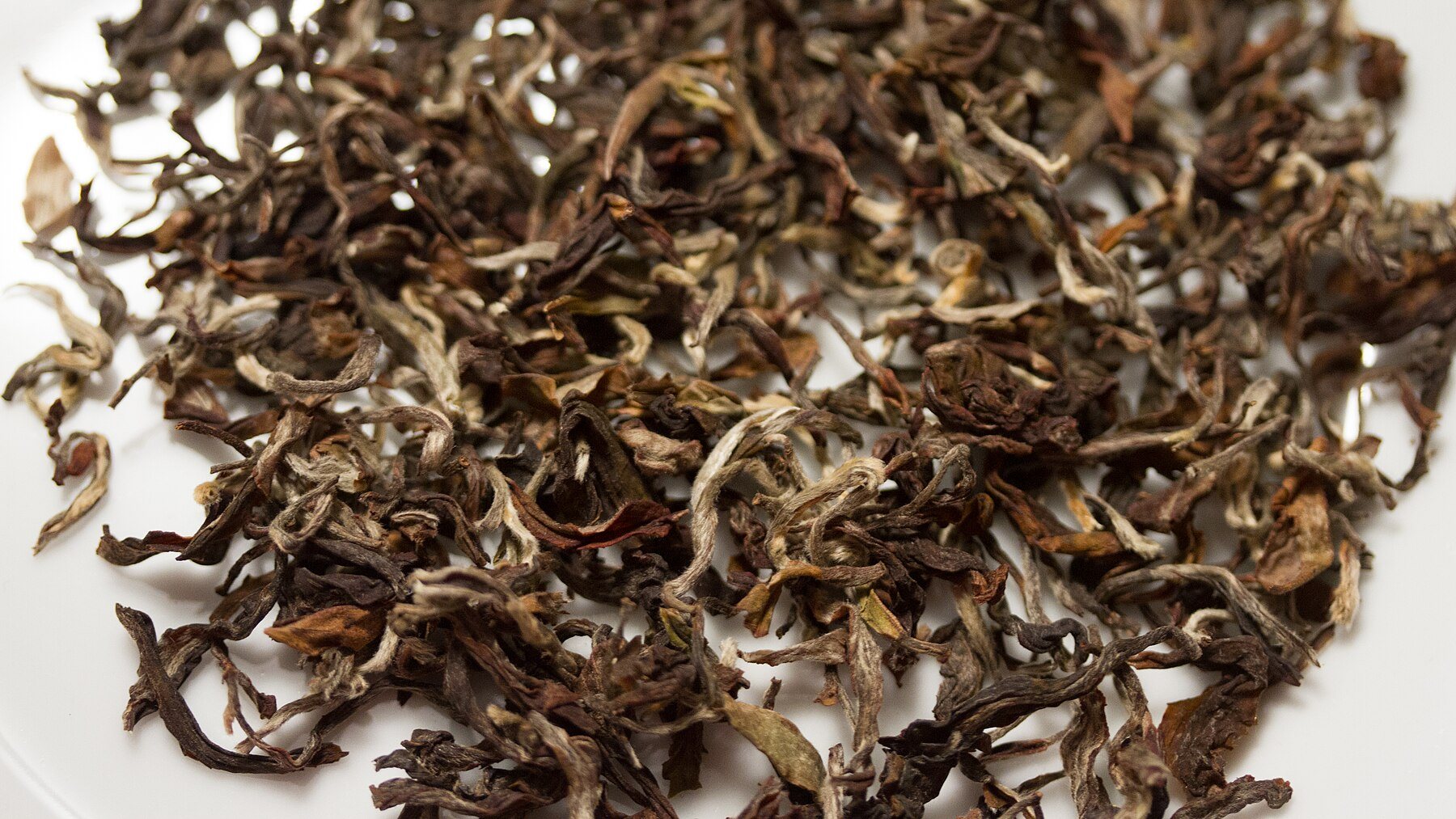
TeaTea rows on a hillside near Rize, Turkey, with trees around the fieldWikimol / Wikimedia Commons · CC BY-SA 2.5
Türkiye

Çaykur Organic Tea

Çaykur Organic Tea is a certified product line from Turkey’s state-owned tea enterprise, not a single estate and not “all of Rize is organic.” The official sales page lists 18 organic products, including Organic Rize, Organic Hemşin, Organic Çamlıhemşin, Organic İkizdere and Organic Zümrüt Green Tea, and names an Ekotar certificate. The old draft claimed the whole line was EU Organic and TR Organic and turned conventional Rize into a caricature of “every family pouring on fertiliser and pesticides.” The official page only confirms Ekotar; some retailers add EU/USDA claims of their own. This page follows the official scope.

Black tea
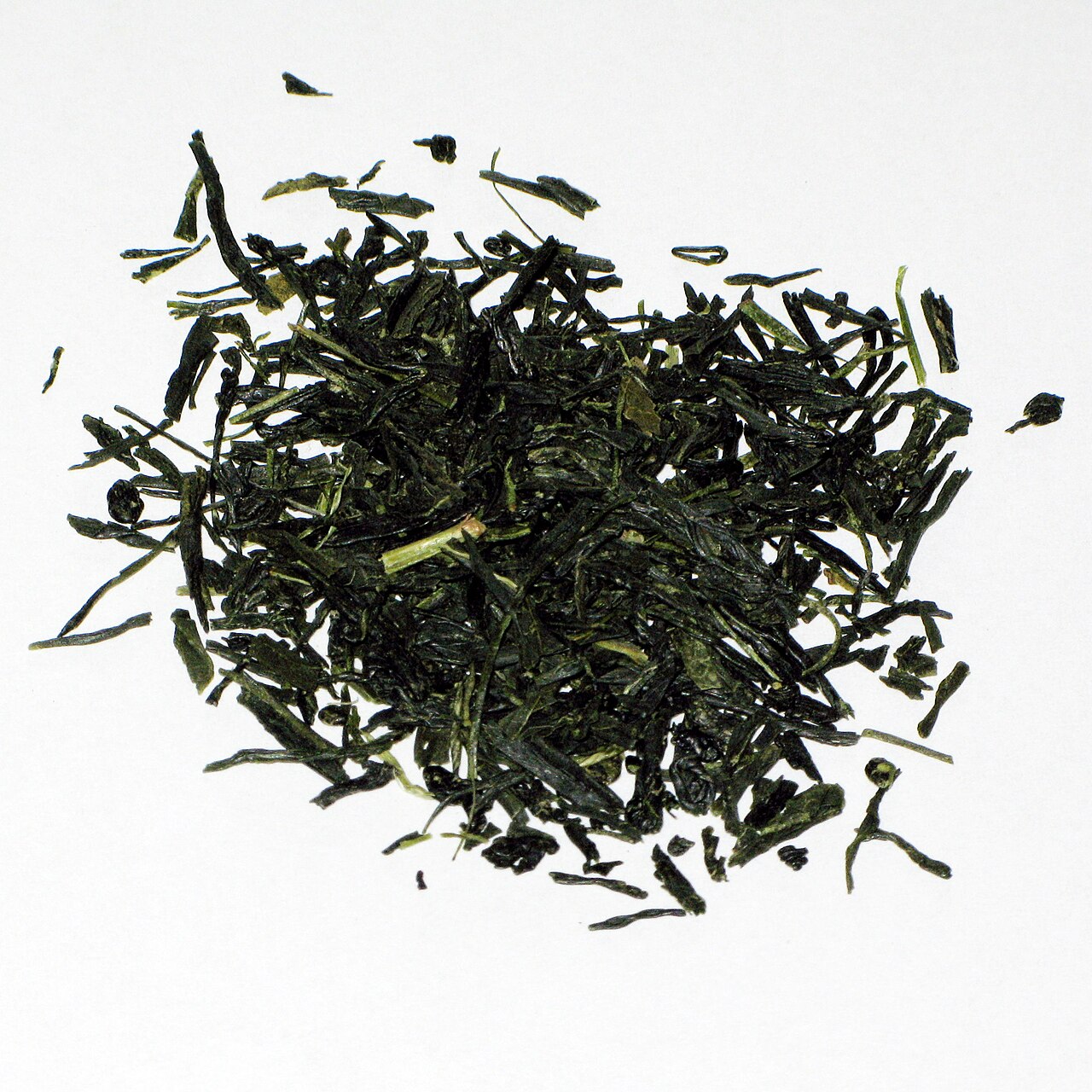
TeaTea rows and trees on a hillside near Rize, Turkey; a Rize tea-garden reference image, not Rize Turist packagingWikimol / Wikimedia Commons · CC BY-SA 2.5
Türkiye

Çaykur Rize Turist

Çaykur Rize Turist is a current black-tea product from Çaykur, Turkey's state-owned tea enterprise. It is not a tea-tourism experience or a fictional tourist souvenir. The official 200 g page calls it a family everyday tea, uses the slogan “The Real Yellow”, and lists 100, 200, 500, 1,000 and 2,000 g packs with 24 pieces per carton. The 200 g box is listed at 90 TL; the 1,000 g page is listed at 409 TL, with 12 pieces per carton and 1.25 kg per piece. Çaykur also sells a separate 200 g “Rize Turist Demlik Süzen Poşet Çay” tea-bag version at 121.50 TL. The official copy does not state a cultivar, a single estate, orthodox or CTC processing, a harvest season, or brewing parameters, so those cannot be presented as established facts about Rize Turist.
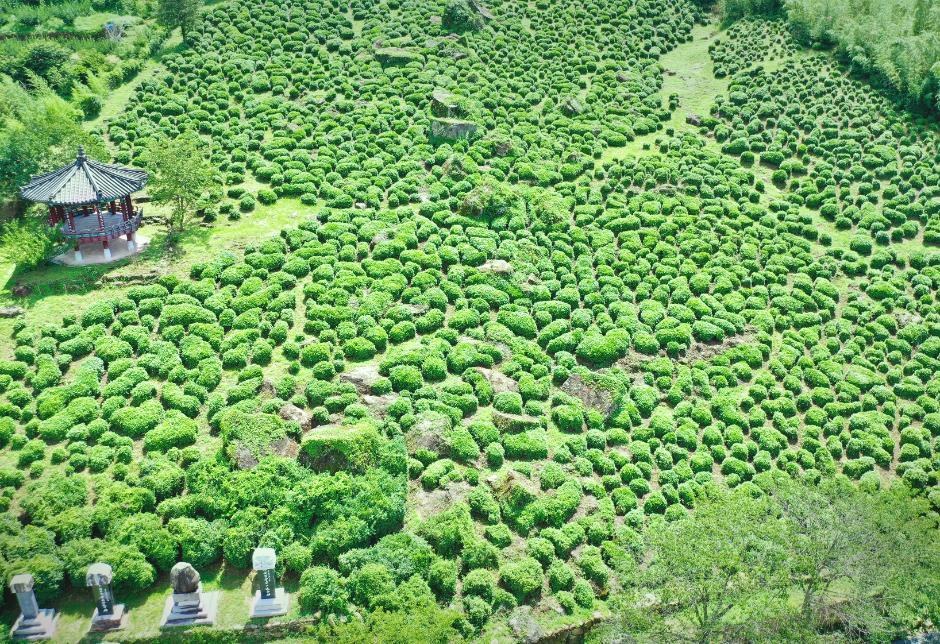
Black tea
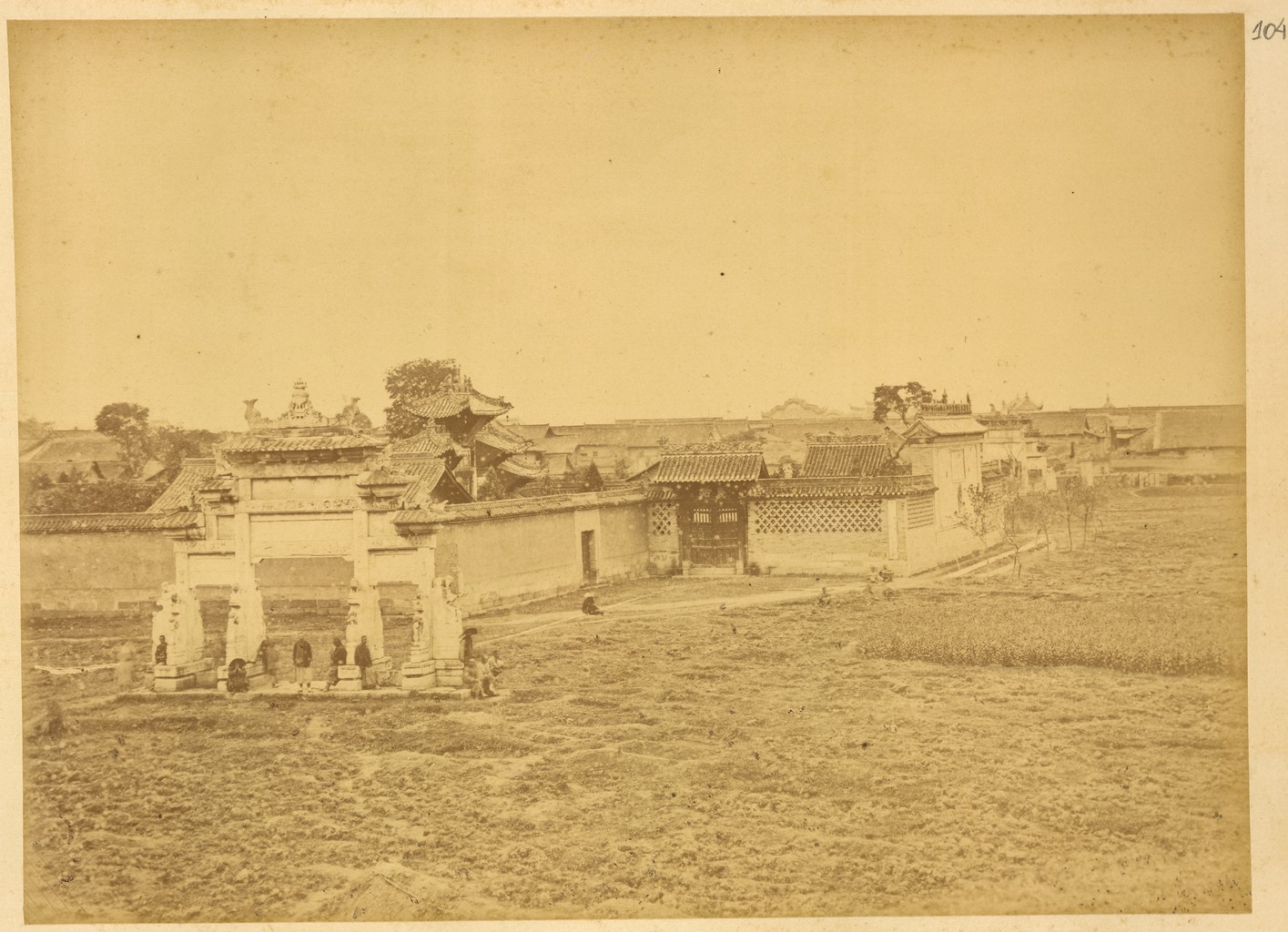
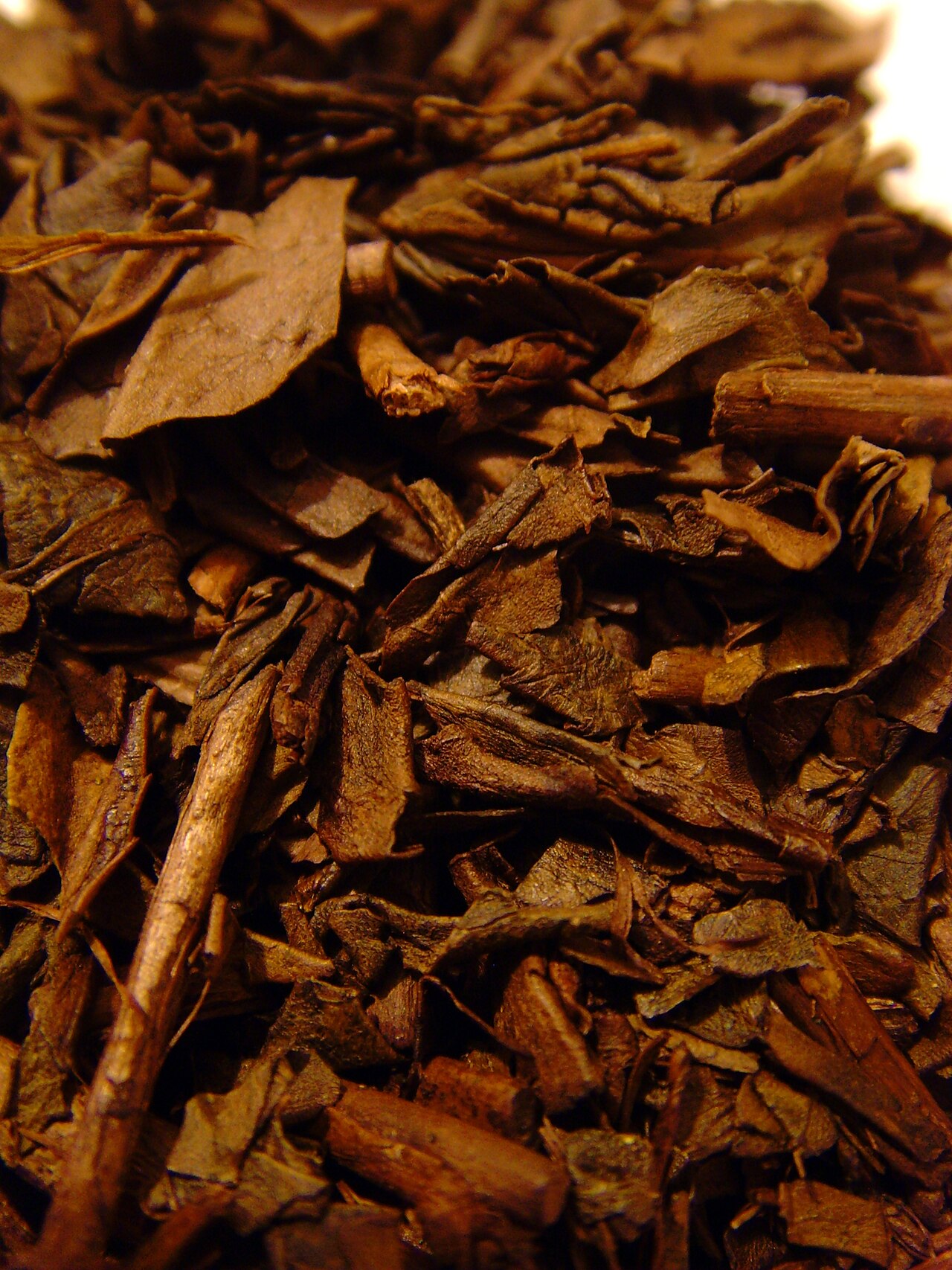
TeaTurkish black tea in a tulip-shaped glass; a reference image of Turkish tea service, not Tiryaki packagingBertil Videt / Wikimedia Commons · CC BY 2.5
Türkiye

Çaykur Tiryaki

Çaykur Tiryaki is a current blended black tea from Çaykur, Turkey's state-owned tea enterprise. “Tiryaki” in Turkish means a habitual devotee — someone who cannot do without tea, coffee or another daily habit. The official copy calls Tiryaki a special blend that can be drunk at any hour, emphasises quality, ideal taste, aroma and a soft texture, and states that it contains no additives. The 500 g pack is listed at 200.50 TL, with 15 pieces per carton and 0.7 kg per piece; the 1,000 g pack is listed at 400 TL, with 12 pieces per carton and 1.25 kg per piece; 2,000 g and 5,000 g packs also exist. The official pages do not give a cultivar, grade code, caffeine figure or “Plus/Sade” sub-line. A third-party exporter describes Tiryaki as a strong blend of mature Rize leaf with deep mahogany liquor that withstands long boiling; that is a trade description, not an official specification.

Black tea
TeaA tea plantation in northern Thailand; a reference image, not the Cha DoiChang garden in Mae Lao, Chiang RaiTakeaway / Wikimedia Commons · CC BY-SA 3.0
Thailand

Cha DoiChang Oolong Green Tea

Cha DoiChang is a small organic tea garden and tea company in Pong Phrae, Mae Lao district, Chiang Rai, Thailand. It is not Doi Chaang Coffee, the well-known coffee brand from Doi Chang village. The tea garden started in 1999, covers 50 rai (about 8 hectares) at roughly 600 m, uses a natural stream that flows down from Doi Chang, and receives about 2,500 mm of rain a year. The company was founded in 2001 with three shareholders and combines Taiwanese tea-making technology with local know-how. Its line includes Superior, Premium, Pure Green, Red Oolong, Eternity and Peaceful Rest.

Green tea
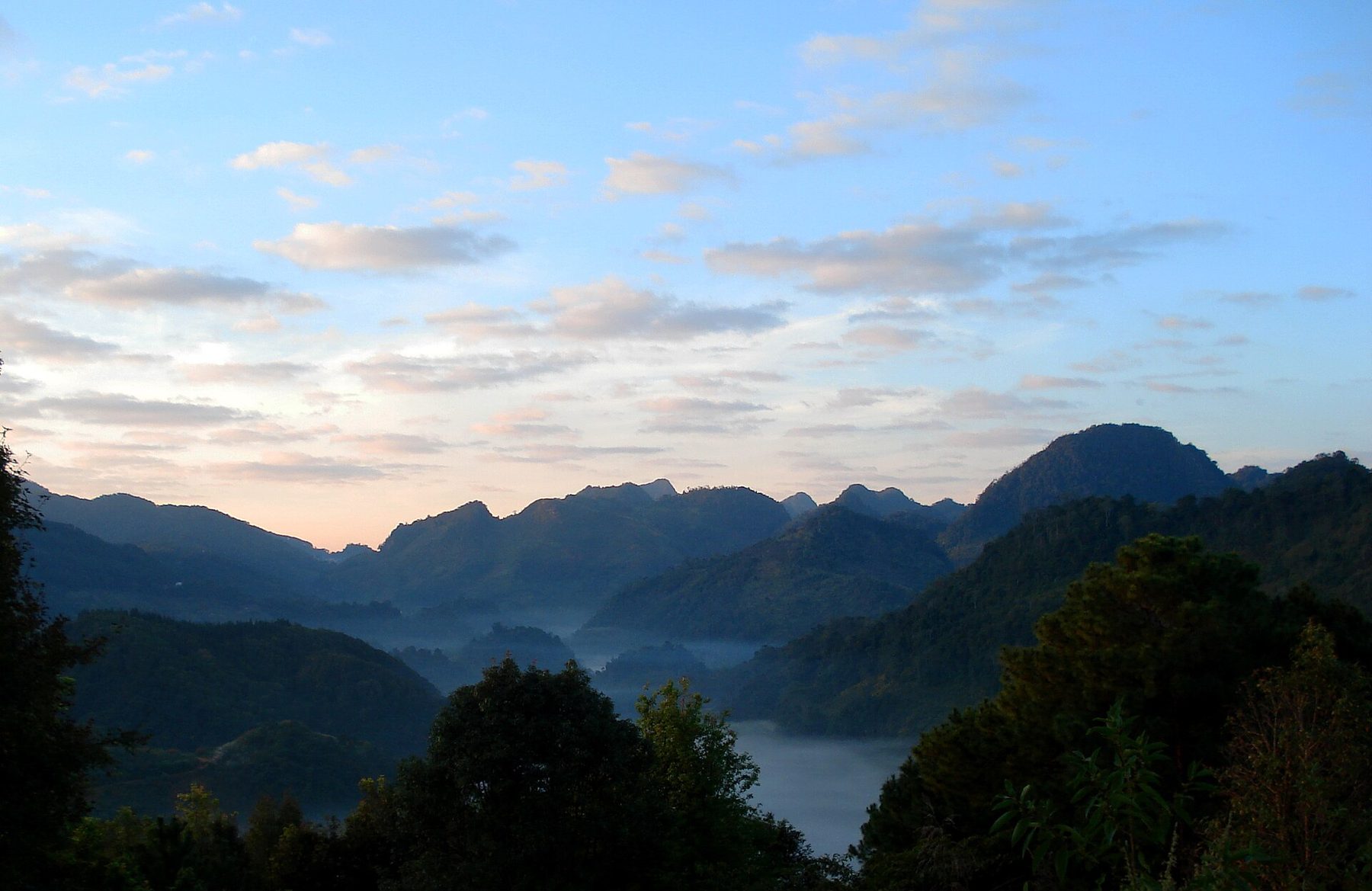
TeaMountain landscape and morning mist at Doi Ang Khang, Chiang Mai, ThailandNorthThailander / Wikimedia Commons · CC BY-SA 4.0
Thailand

Doi Ang Khang Green Tea (Royal Project Organic Green Tea)

Doi Ang Khang Green Tea is an organic green-tea product from the Royal Project at Doi Ang Khang in Fang District, Chiang Mai, Thailand. It is not a tea cultivar and not a generic name for Thai green tea. The Royal Project product page confirms only that it is organic, unfermented green tea with a nutty or seaweed-like aroma and a mild taste; it does not publish the cultivar, the kill-green method or fixed brewing parameters. The place matters: the station was founded in 1969 as the first Royal Project agricultural research station, at about 1,400 metres on the Thai-Myanmar border, as an alternative to opium cultivation. The page keeps those confirmed layers and refuses the old draft's unverified tea-garden, tree-age and processing claims.

Green tea
TeaHighland tea gardens at Mae Salong, Chiang Rai, used as a reference image for northern Thai tea terrain; the photo is not Doi Tung itselfTakeaway / Wikimedia Commons · CC BY-SA 3.0
Thailand

Doi Tung Oolong

Doi Tung Oolong is a regional and trade name for oolong tea from the Doi Tung highlands in Chiang Rai, northern Thailand. It is not a current official tea SKU of the DoiTung social enterprise. On 15 January 1987, the Princess Mother arrived at Doi Tung at the age of 87 and launched the Doi Tung Development Project (DTDP), replacing opium income with alternative crops such as coffee and macadamia; the project says it became self-sufficient in 2000. DoiTung's current corporate site lists Coffee and Macadamia, Handicrafts, Café DoiTung, Tourism and Horticulture, with no separate tea business. Third-party tea traders describe gardens at about 1,200–1,400 m or 1,600 m, mainly planted with Taiwanese cultivars such as Ruan Zhi and Jin Xuan, harvested in May–June. The official project pages do not give a single garden elevation, cultivar ratio or sensory standard, so Doi Tung Oolong should be treated as a regional/trade tea, not an official branded product.

Oolong tea
TeaRows of tea bushes on a slope at Niuchang tea farm in Duyunkuaimei / Wikimedia Commons · CC BY 3.0
China · Guizhou

Duyun Maojian Tea

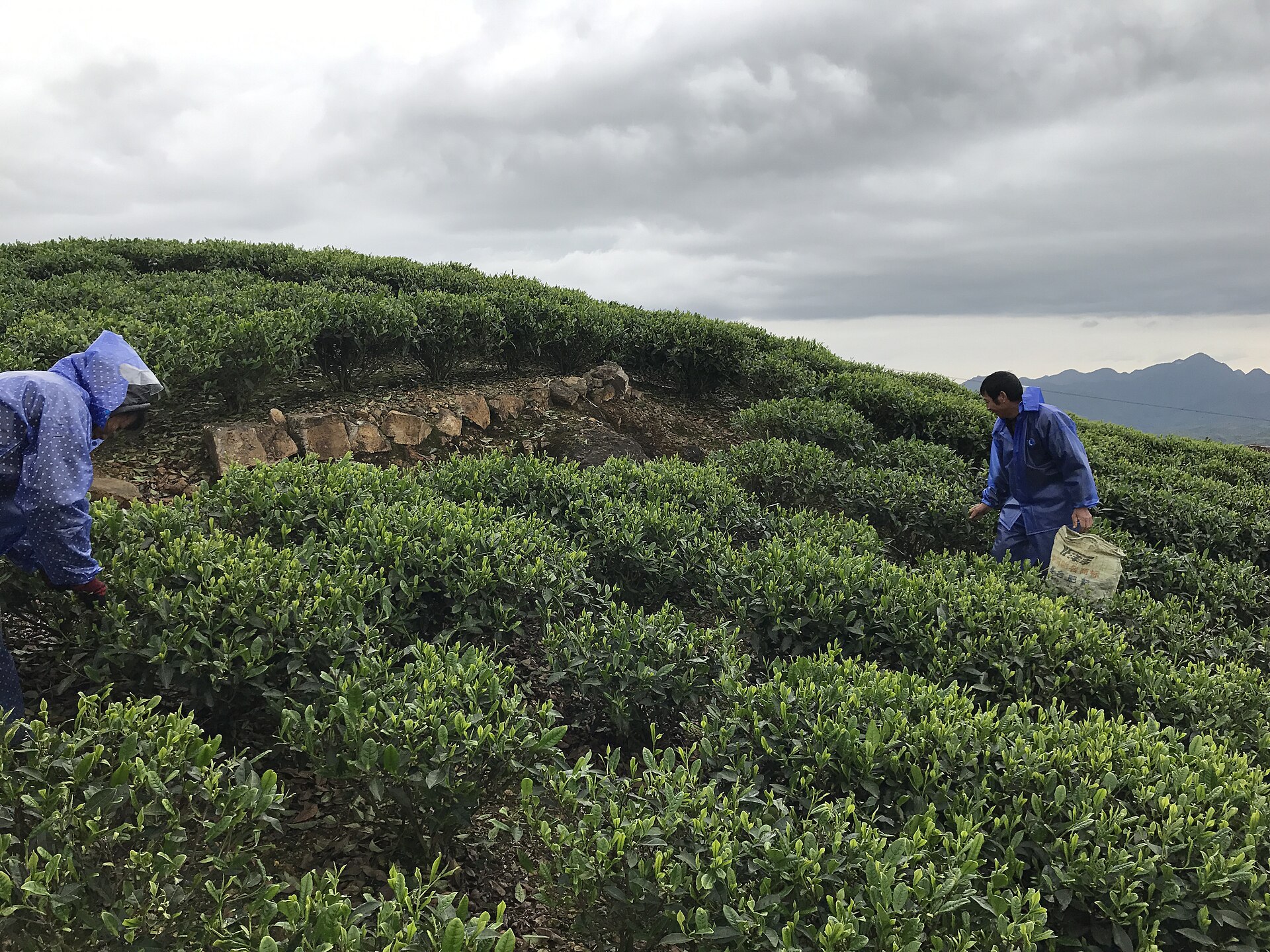
Duyun Maojian is a curled green tea from Qiannan, Guizhou, and a geographical-indication protected product spanning Duyun, Fuquan, Weng'an and other counties. Often called “Yugou tea” (fish-hook tea), it has tight curly leaf, abundant white hairs, a tender and chestnut aroma and a fresh, sweet finish. In 2024 Duyun City reported 378,300 mu of tea gardens, 12,600 tonnes of tea and RMB 3.305 billion in output value, with a brand value of RMB 5.223 billion.

Green tea
TeaAerial view of the Gambung tea plantation and surrounding hills in West Java, IndonesiaIlham jayakesuma / Wikimedia Commons · CC BY-SA 4.0
Indonesia

Gambung Green Tea (Gamboeng Peko Super)

Gambung Green Tea, in the public record, is the PPTK product **Gamboeng Green Tea Peko Super** — not a generic “Gambung village” tea and not a cultivar. PPTK's official page defines it as a Grade I green tea made from young Assamica and Sinensis shoots picked to the p+1 and b+1m standards. The leaf is round-rolled and glossy green, the taste is refreshingly astringent, the aroma has a natural roasted note, the liquor is yellow-green, and the laboratory total polyphenol figure is 21–21.5%. The official brewing suggestion is 2–3 g per 150–200 ml at 70–80°C for 2–3 minutes. Gambung itself is a roughly 600-hectare estate in Ciwidey, Bandung Regency, most of it tea and the rest natural forest.

Green tea
TeaClose-up of young tea leaves and buds in a Korean tea garden (reference photo)craig.rohn / Flickr · CC BY-SA 2.0
South Korea

Gimhae Janggun-cha (Janggun Tea)

Gimhae Janggun-cha is a local tea from Gimhae, Gyeongsangnam-do, South Korea, not a generic “Gimhae green tea.” It is made from a large, thick-leaf local tea population, primarily as non-fermented green tea but also as an oxidised product. The name is tied to a recorded Goryeo-era story in which King Chungnyeol gave the tea the title “Janggun” (general); an older local tradition traces the plants to Queen Heo Hwang-ok and seeds brought from India in AD 48. Gimhae has promoted the tea since 1999, with wild tea clusters on the slopes of Bunseongsan. Official material describes a tea that holds up to 100°C water, has a wild-rose-like aroma and a sweet umami finish. The old draft's 1992/1995/1998/2005 timeline, 200–300 tonne output, 30% market share, Yabukita and dragon-king legend had no verifiable source and were removed.

Green tea
TeaAnother field view of the Niuchang tea farm in Duyun, Guizhou; a reference image, not the Yunwu Mountain tea gardens in Guidingkuaimei / Wikimedia Commons · CC BY 3.0
China · Guizhou

Guiding Yunwu Tribute Tea

Guiding Yunwu Tribute Tea is a nationally protected regional green tea from Guiding County in Guizhou, China. Its core production area is Yunwu Town, and it is a geographical indication, not a single company brand. It received national agricultural GI recognition in September 2010 and a geographical indication certification mark in July 2013. At the end of 2024 the county had 255,600 mu (about 17,040 ha) of tea gardens, 247,300 mu (about 16,487 ha) in production, and an output of 11,807 tonnes, up about 5.35% year on year; Xinhua's contemporaneous figure for primary-sector output value was about RMB 580 million. Local records describe 2,000-plus years of tea growing, 1,000-plus years of tribute tea and 500-plus years of Buddhist tea history; in 1790 the Qianlong court allocated 420 taels of silver and a “Wangu Liufang” tribute stele was erected. The main cultivar is Guiding Niaowang, approved as a provincial improved variety in June 2014, and DB52/T 547—2017 grades the product as Zhengong, Special Grade, Grade 1 and Grade 2.

Green tea
TeaDry Guranse G75 summer tea leaves in dark brown and silver-greyCaroline Léna Becker / Wikimedia Commons · CC BY 3.0
Nepal

Guranse Tea Estate (Hile, Dhankuta)

Guranse is the name of a tea estate and company in Hile, Dhankuta, eastern Nepal, not a tea type and not a protected appellation. The garden is about 290 ha, spans roughly 1,000–2,200 m, was built in the mid-to-late 1990s by the Vaidya family, and works with more than 600 local farming households. It makes orthodox black tea plus white, oolong and green specialty teas. Its signature black-tea flavour is muscatel, and it picks four main flushes a year. The old draft's "1934 Rana prince estate," "Dutch-Nepali joint venture" and "ancient-tree clone" stories have no reliable source and have been removed.

Black tea
TeaAerial view of a wild tea field and pavilion in Hadong, South Korea© Korea Tourism Organization (KTO), KOGL Type 1 · KOGL Type 1
South Korea

Hadong Green Tea

Hadong green tea is a geographical-indication green tea region in Hadong County, South Korea, not a single brand. Official material dates the beginning to 828, when Kim Daeryeom returned from Tang China with tea seeds and the king ordered them planted on Jirisan; the county describes about 1,200 years of tea history and calls itself the first tea cultivation site. Hadong was designated a wild tea industrial special district in 2006, a Korean Important Agricultural Heritage (KIAHS) in 2015 and a FAO Globally Important Agricultural Heritage System (GIAHS) in 2017. The 2008 official count was 2,100 tea households, 1,048 ha, 2,230 tonnes and KRW 26.1 billion. Its signature process is *deokkeum*, repeated pan-firing and rubbing, not Japanese steaming; the tea fields run along the Seomjin River and Hwagae Stream, with fog, high humidity and a wide day–night temperature range. Old claims about a “Chinese small-leaf descendant,” “Jirihyang,” wild tea trees “discovered in the 1970s” and a Japanese-colonial break in mechanisation have no source and are removed.

Green tea
TeaAn 1875 photograph of the white pailou and walled enclosure of the tea trading market at Hanzhong Fu; a historical image, not a modern Hanzhong tea gardenAdolf-Nikolay Erazmovich Boiarskii / Wikimedia Commons · Public domain
China · Shaanxi

Hanzhong Xianhao

Hanzhong Xianhao is a geographical indication regional public brand for green tea in Hanzhong, Shaanxi, China. It is not a single company, a single cultivar, or a single retail SKU. In 2007, AQSIQ Announcement No. 178 placed Hanzhong Xianhao under geographical indication product protection across eight tea-producing counties, 112 townships and 894 villages. The official notice defines three fresh-leaf grades — Special, First and Second — and a seven-step process: spreading, killing the green, carding, shaping, raising the white hairs, drying and sorting. In 2024, Hanzhong had 132.4 wan mu (about 88,270 ha) of tea gardens, 71,000 tonnes of total tea output and CNY 11.07 billion in dry maocha value; Hanzhong Xianhao itself produced 1,675 tonnes worth CNY 1.98 billion. The 2025 brand value was CNY 5.098 billion, and the national geographical indication protection demonstration zone passed an on-site review in September 2025.

Green tea
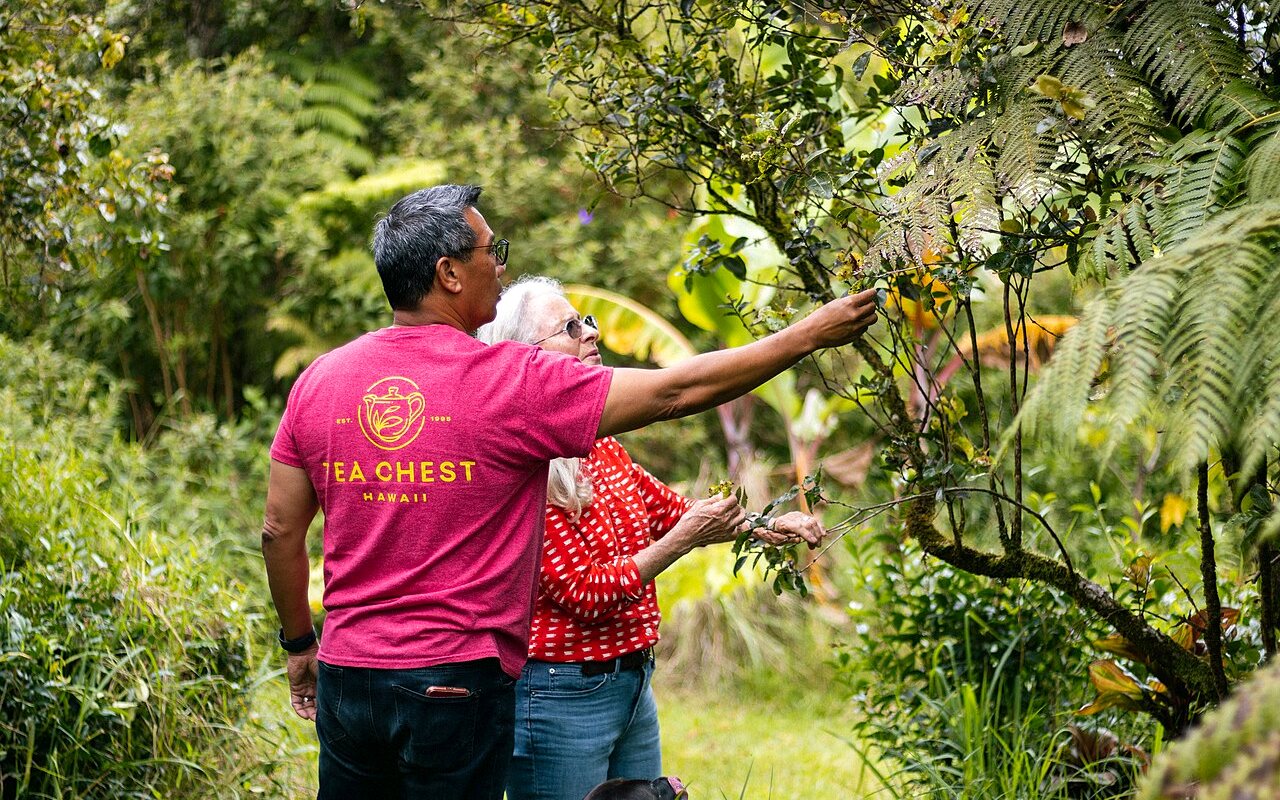
TeaBig Island Tea founder Eliah Halpenny and Tea Chest Hawaii's Byron Goo at a cloud-forest tea farm on Hawaiʻi IslandTeaChestHawaii / Wikimedia Commons · CC BY-SA 4.0
United States

Hawaii Volcano Green Tea

Hawaii volcano green tea is a regional name for green tea grown on the volcanic highlands of Hawaiʻi Island, especially around Volcano at about 4,000 ft and the north-east slope of Mauna Loa at about 3,000 ft. It is not a single brand, and not all Hawaiian tea comes from volcanic highlands. Tea was introduced to Hawaiʻi in 1887. In 1999–2001, USDA/ARS and the University of Hawaiʻi CTAHR established clonal trials at Waiakea (600 ft), Mealani (2,800 ft) and Volcano (4,000 ft); Mealani and Volcano produced excellent green and oolong tea. Big Island Tea, founded in 2001, makes small-batch handmade green and black tea on a volcanic-ash garden at about 3,000 ft on Mauna Loa. Volcano Winery, at about 4,000 ft near the Kilauea summit, took cuttings in 2005, planted in 2006, reached one acre by 2011 and makes black and white tea. Tea Hawaii works in native-forest agroforestry at Volcano Village. Public sources do not give a single “volcanic mineral” sensory standard, so volcanic-ash soil cannot be treated as a guaranteed flavour.

Green tea

Explore the world of tea

ESC
Search in

Type a word. Let curiosity lead the way.

Open the full search page →
See all results