What it is
Gongmei is a white-tea category. Under GB/T 22291-2017, it is made from the young shoots of population cultivars; raw material is usually less tender than Bai Mudan and more tender than Shoumei. The difference from Bai Mudan and Shoumei begins with cultivar source and picking standard, not simply price or grade. Some products use “Gongmei” as a marketing name; check the declared standard and raw-material description.
Origin and population cultivars
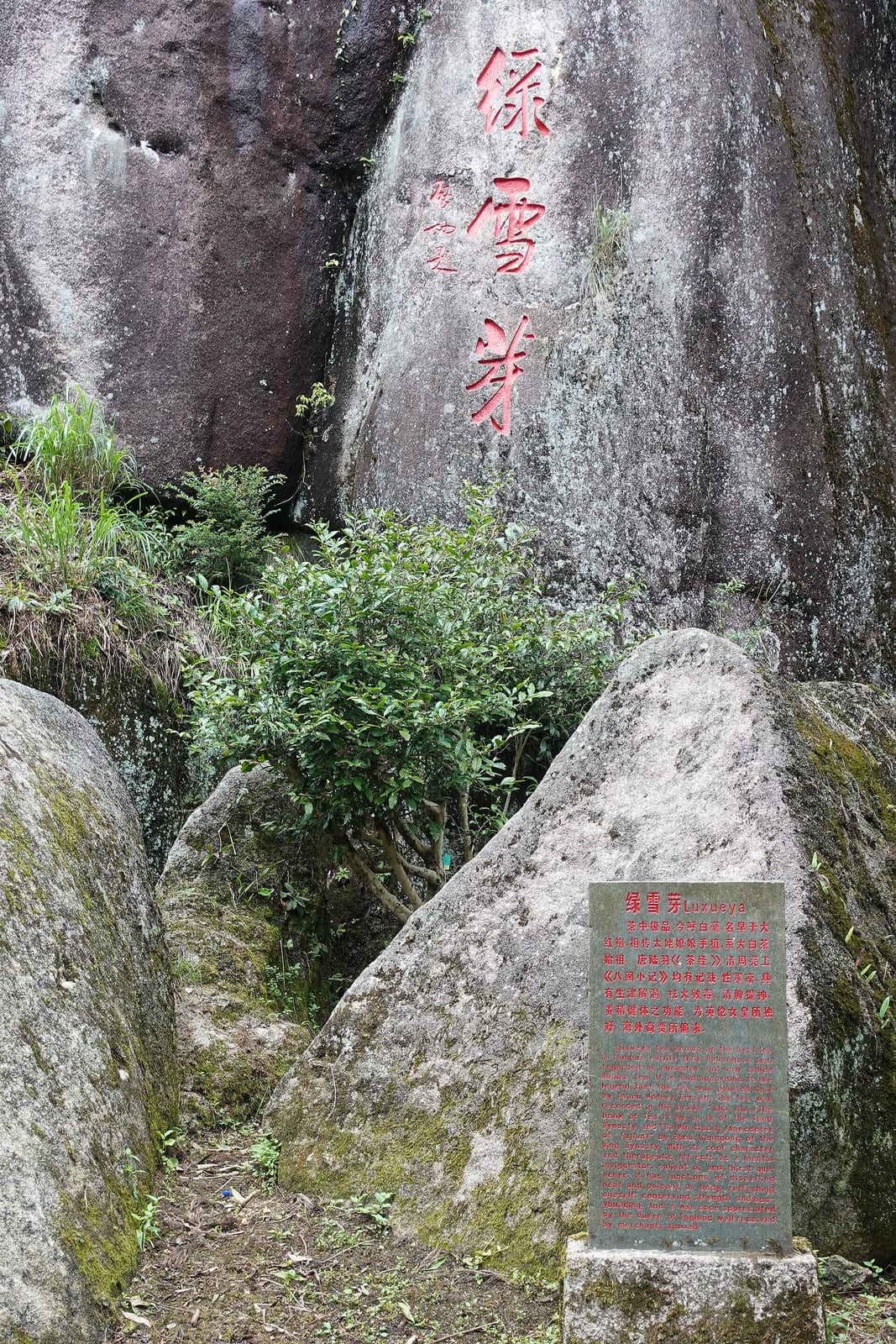
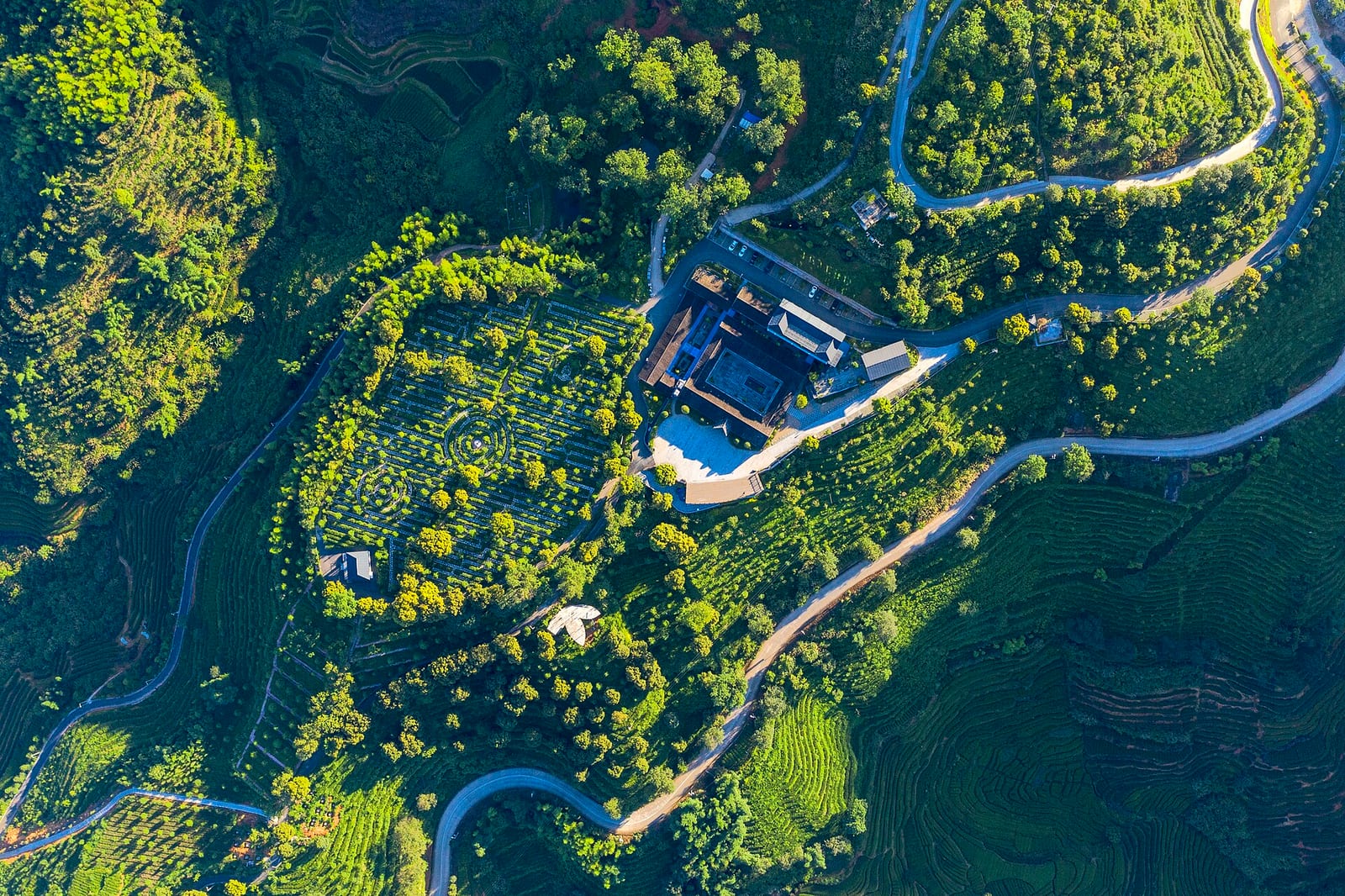
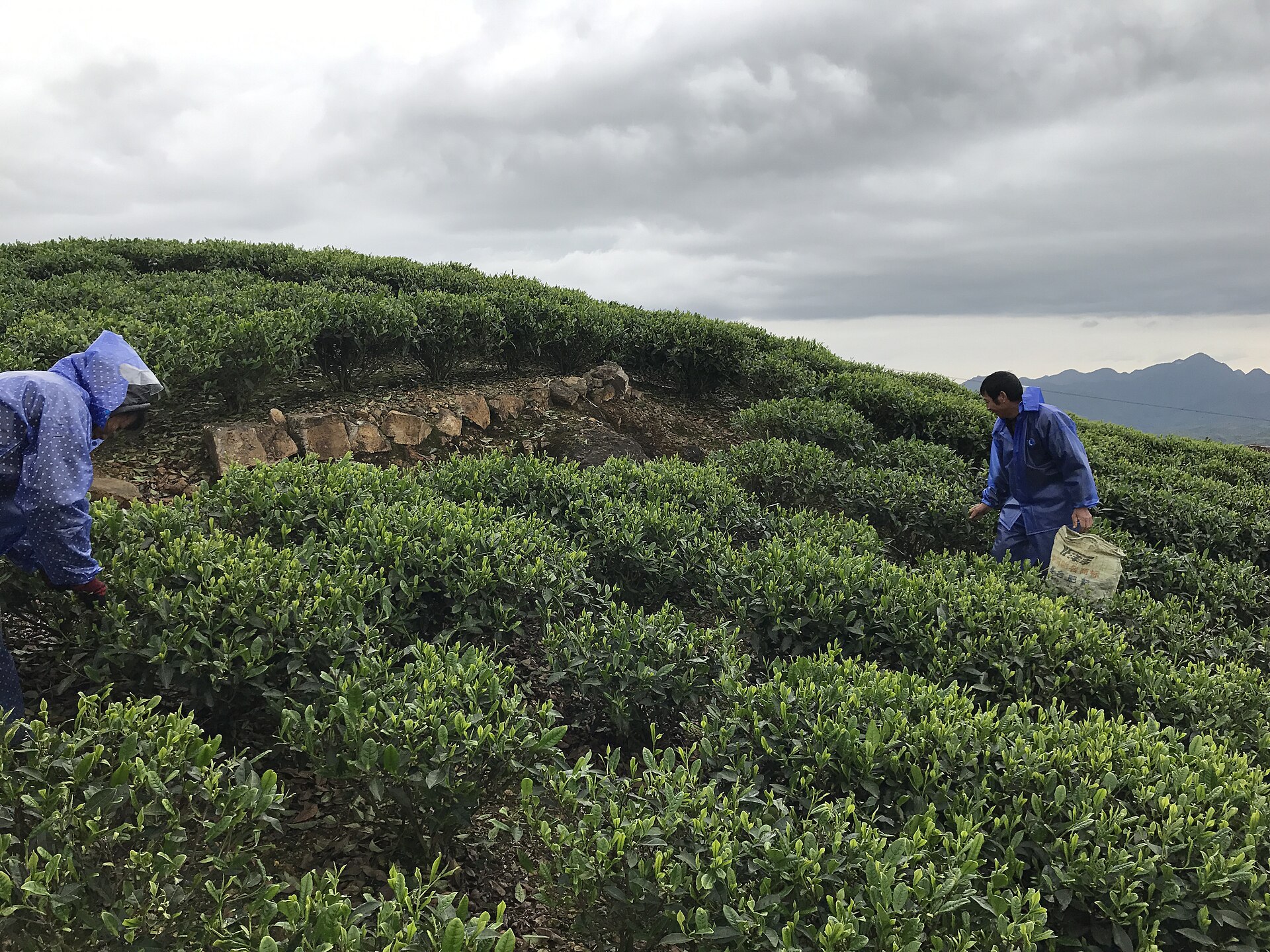
Gongmei is traditionally associated with population-cultivar gardens in Fuding and Zhenghe, Fujian. Population cultivars (菜茶) are sexually reproduced mixed populations; individual plants differ in leaf size, down and aroma. This diversity can make the aroma more complex, but also makes picking and standardisation harder. As clonal cultivars spread, population-cultivar gardens have declined, and Gongmei made strictly from population material is less common than in the past. A “semi-wild” appearance does not prove population cultivar or high quality.
Picking and processing
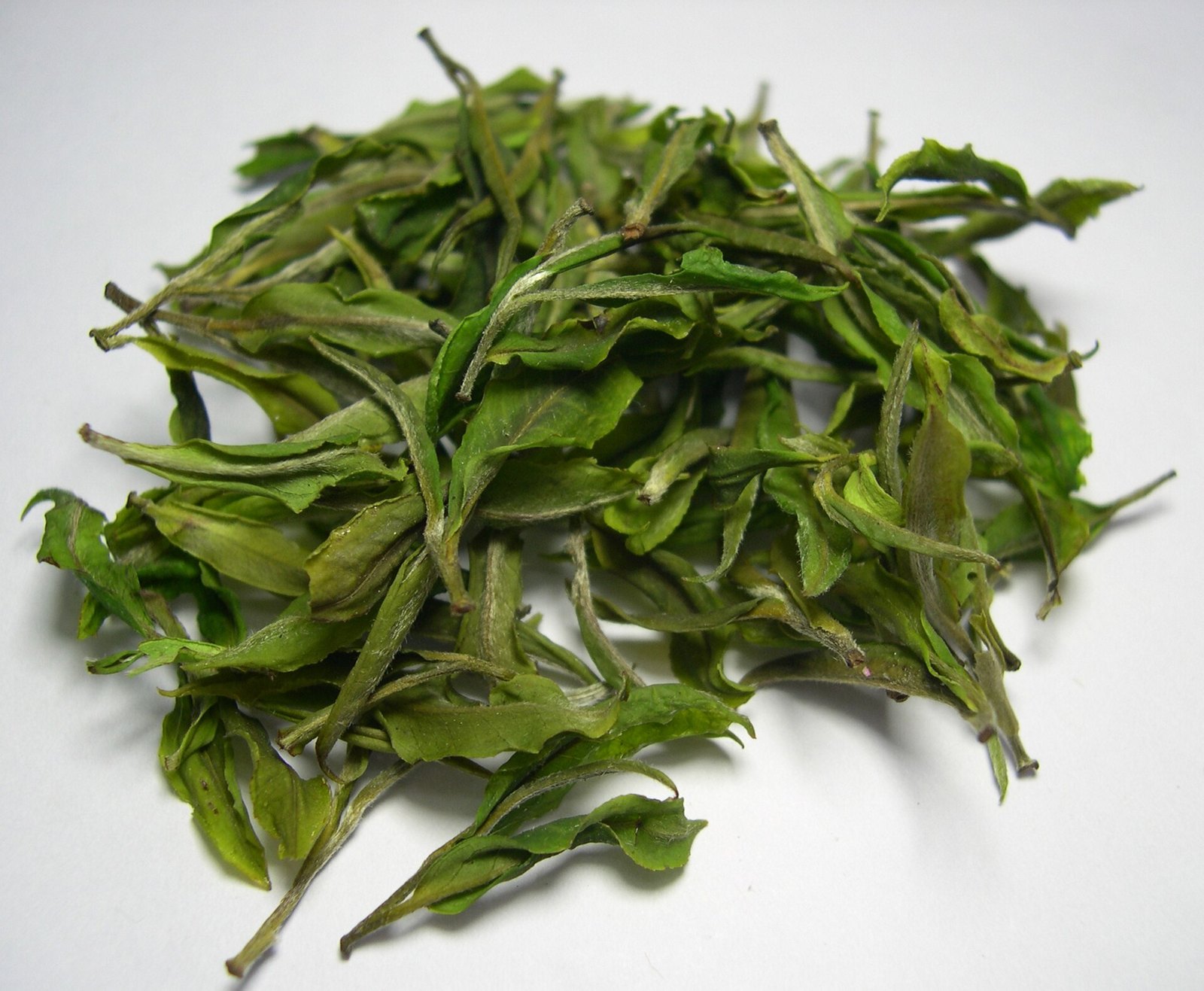
Gongmei usually uses one bud with two or three leaves or young shoots of population cultivars, coarser than Bai Mudan. Processing is mainly withering and drying, without fixation or rolling. Withering degree, spreading thickness and drying affect colour, sweetness and keeping quality. Uneven leaf thickness requires even water loss to avoid heap heating or local reddening.
Quality and flavour
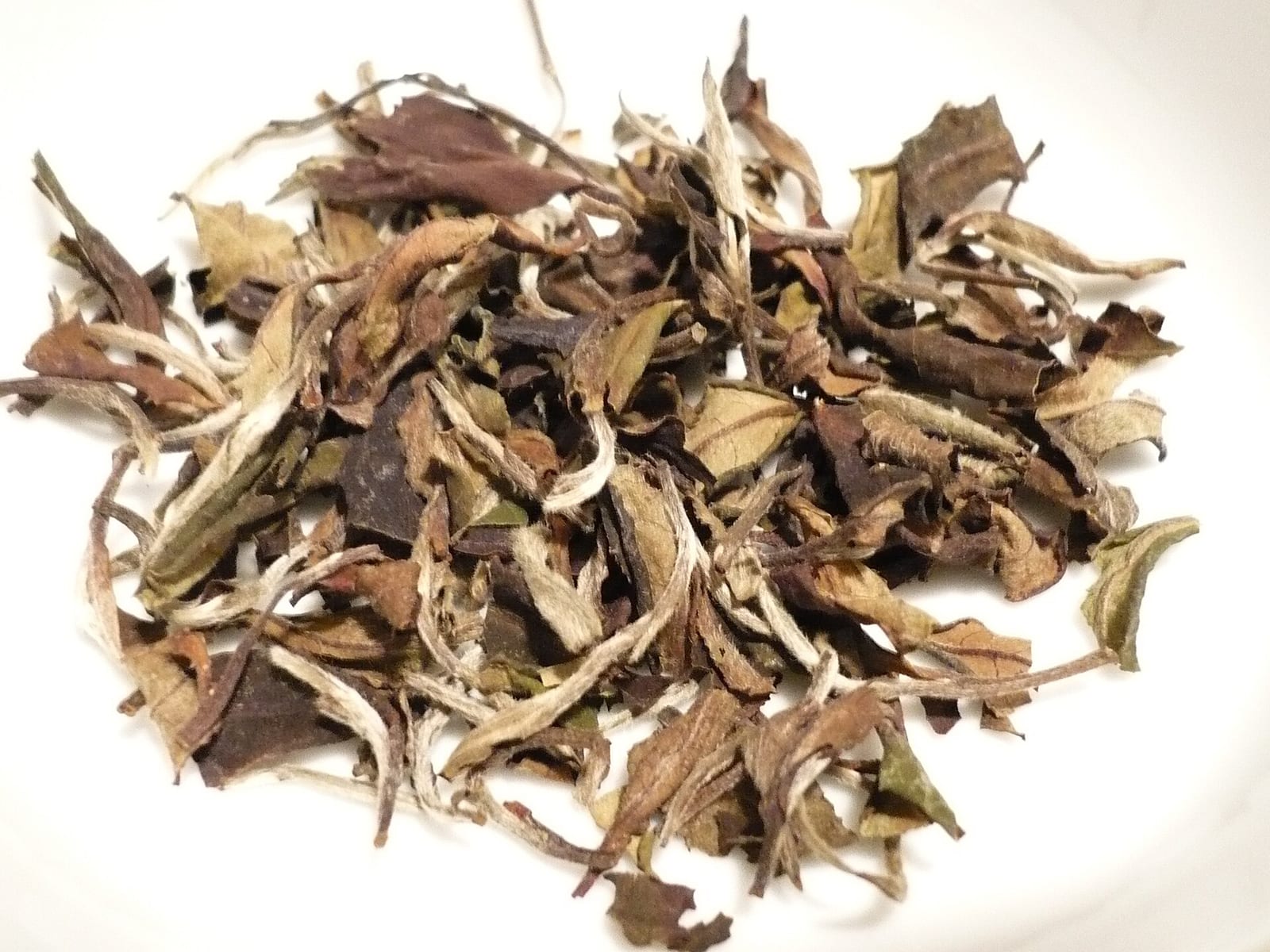
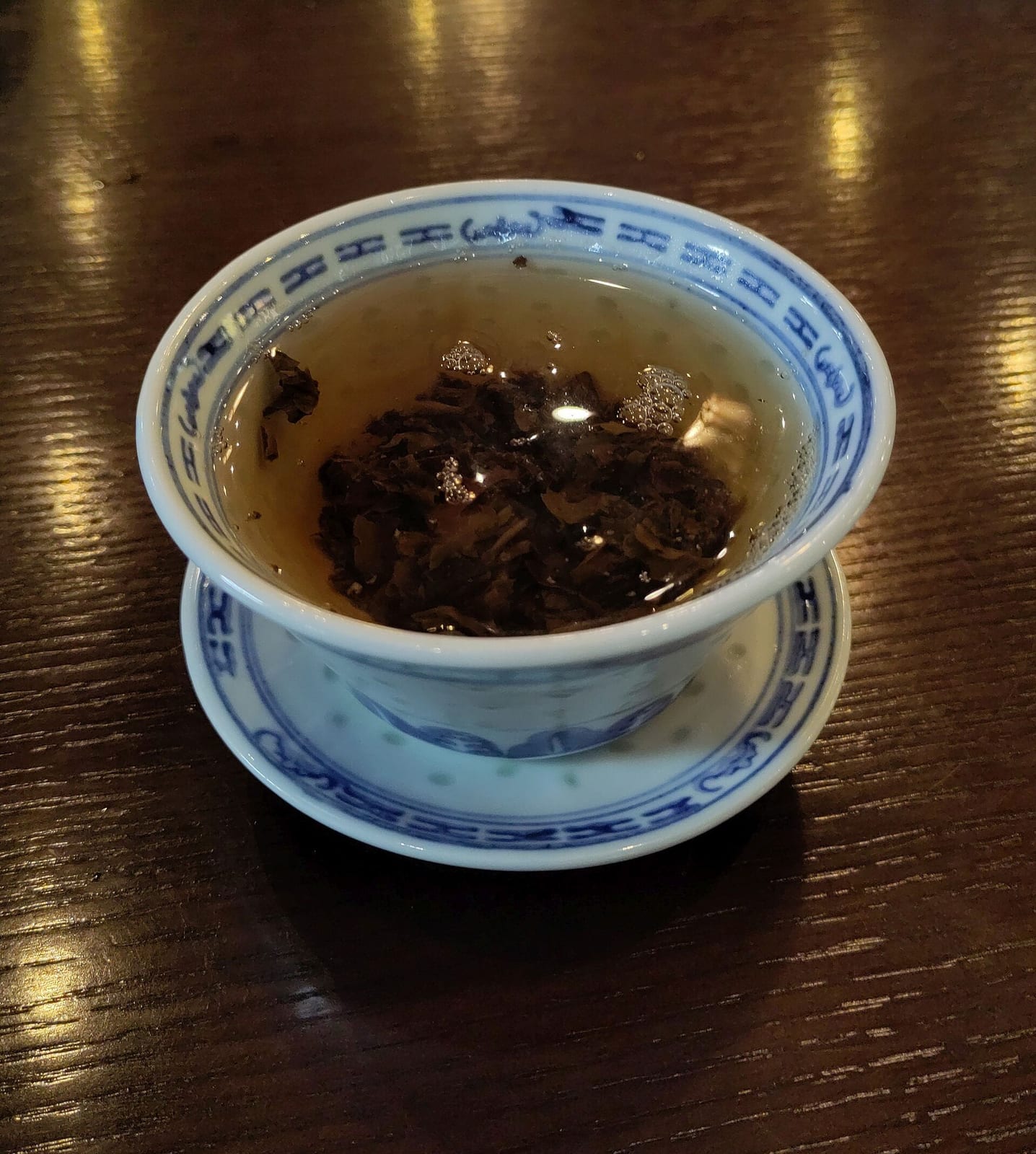
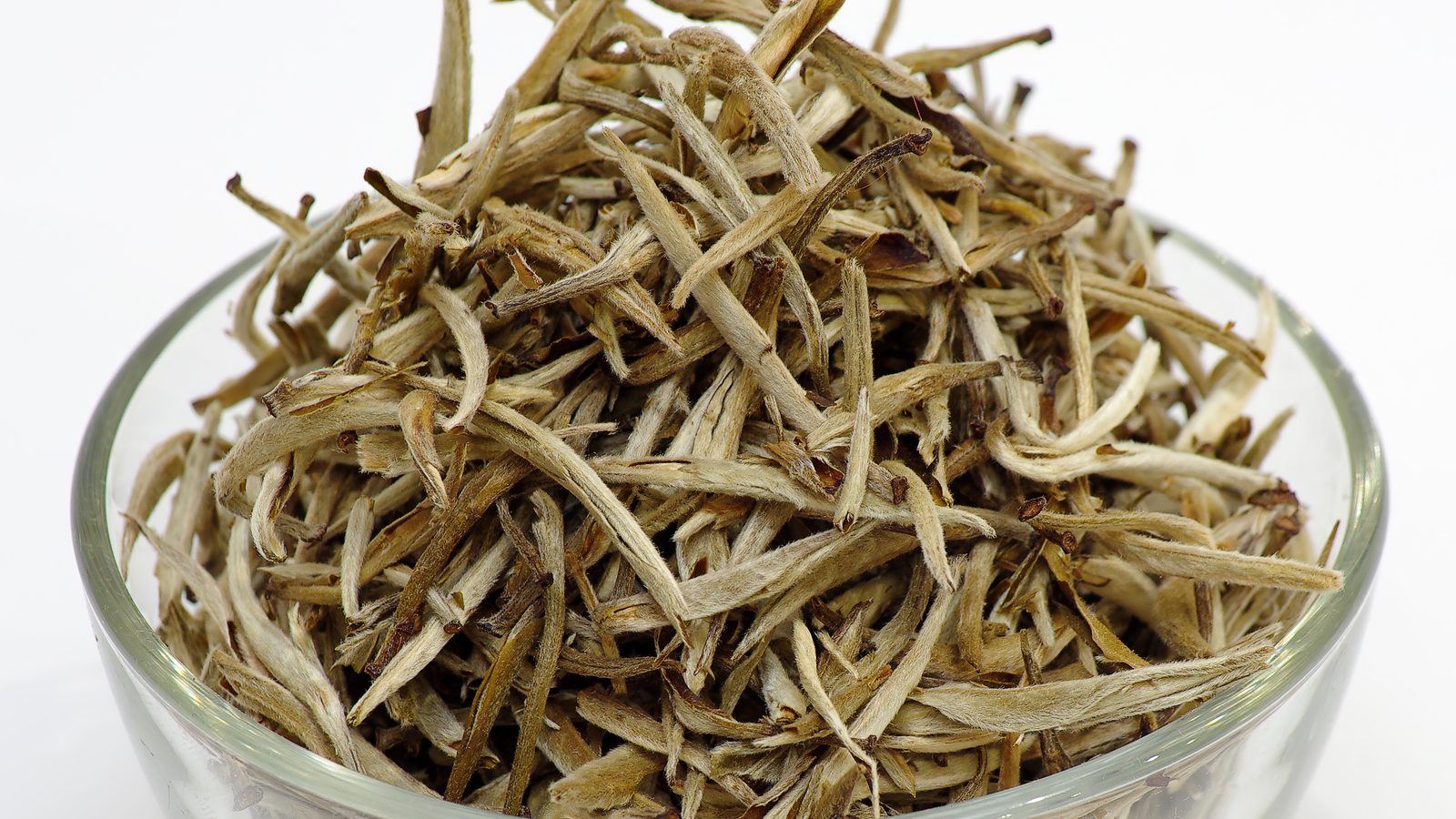
Dry leaves are grey-green to brown-green, with less prominent buds than Bai Mudan. Liquor is apricot-yellow, with floral, honey, dry-grass or woody notes and a sweet, mellow taste. Population diversity makes batches variable: that is both a source of style and a reason not to describe every Gongmei with one fixed flavour. Compared with Shoumei, Gongmei material is usually finer and the body more delicate; compared with Bai Mudan, it has more leaf and floral body.
Brewing and storage
Use a gaiwan with water around 90°C and short infusions; it can also be boiled, which amplifies sweetness and woody notes. Gongmei can be aged, but storage matters more than vintage: high moisture, odours or mould damage the tea. “Aged Gongmei” should have traceable age and storage information.
Common misconceptions
- Gongmei is not Shoumei. The standard sets different raw-material requirements; appearance alone is not enough.
- Gongmei does not always use 菜茶. The traditional definition emphasises population cultivars, but some products labelled Gongmei use other cultivars; check the label and standard.
- “Wild” or “semi-wild” is not a quality guarantee. Garden management, picking and processing decide the tea.
Sources
- GB/T 22291-2017, White tea.
- GB/T 32743-2016, White tea processing technical specification.
- Legacy Fujian tea record, retained for provenance.
This page is an AI-edited translation based on the reviewed Chinese source. It is not a human-expert endorsement.