A product name, not a tea plant
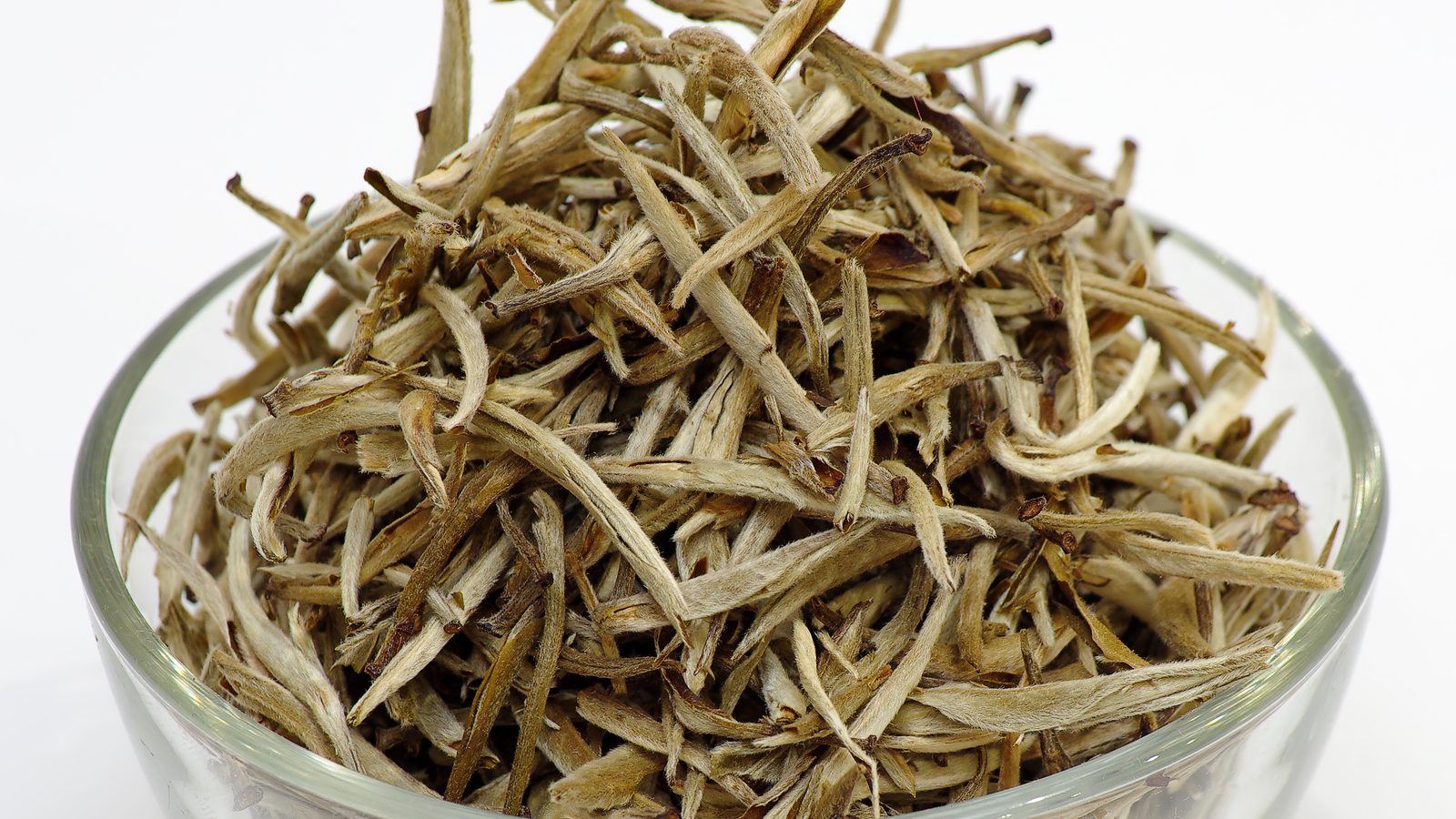
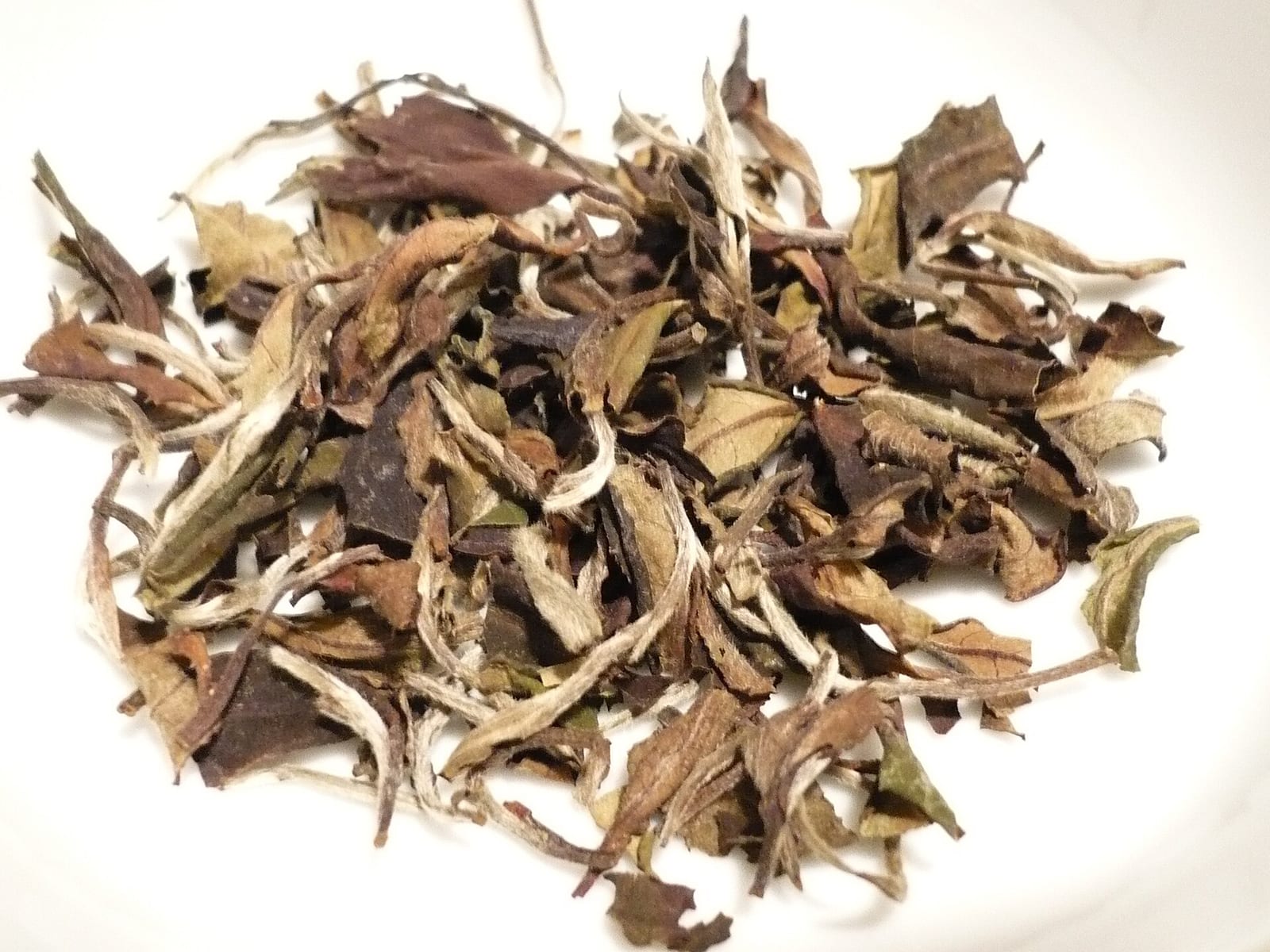
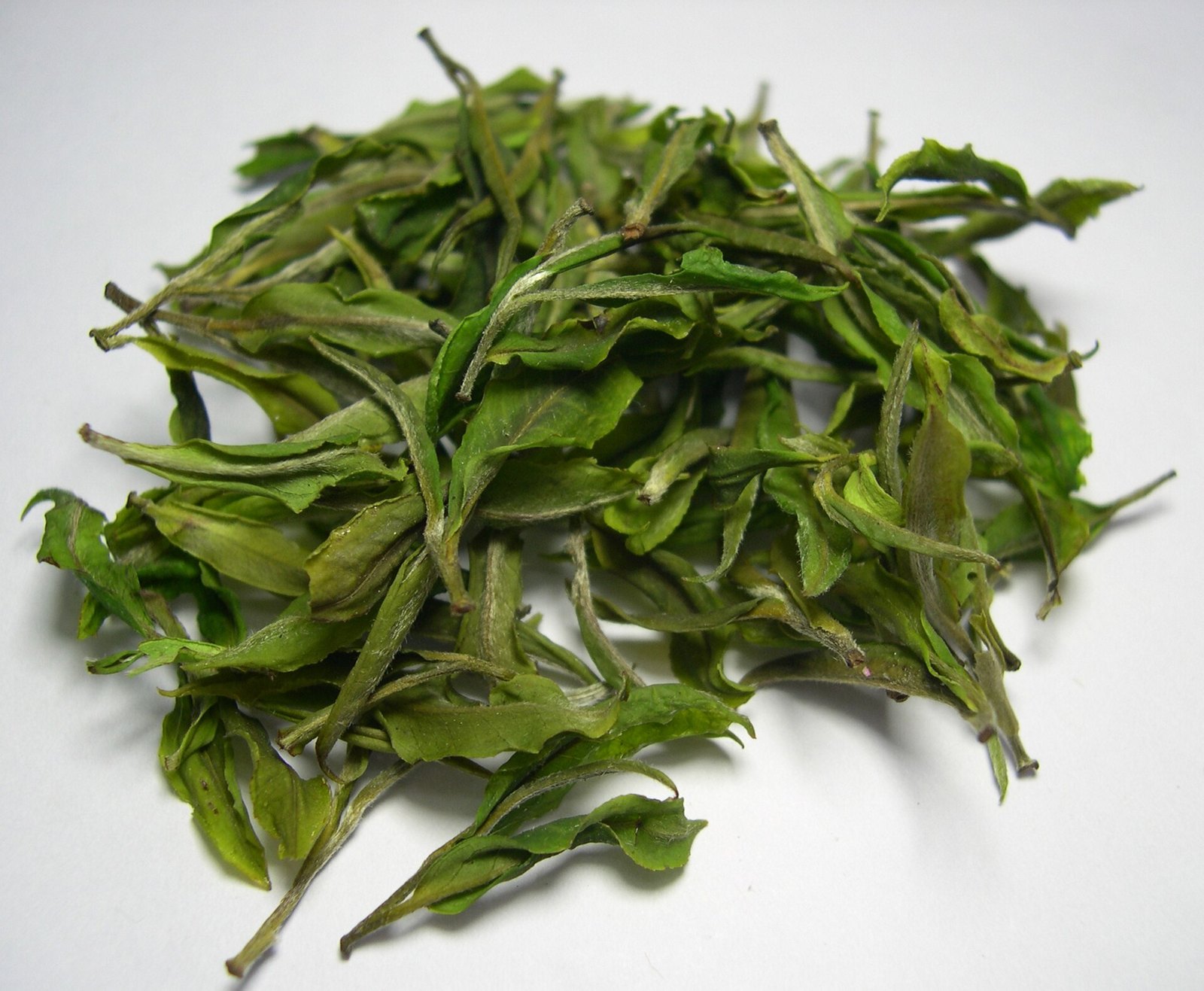
“Darjeeling Moonlight” sounds like a fixed tea, but “Moonlight” is better understood as a product or style name in Darjeeling’s specialty tea market. It usually refers to a low-oxidation white tea made from tender spring buds and young leaves: little or no rolling, natural withering and drying, with silver-green buds and fine white hairs retained. Some gardens also use “Moonlight” for a first-flush black or lightly oxidised lot, so the name alone does not tell you the tea type.
It is not a cultivar, not an estate name and not an official Indian grade. Different gardens can make their own “Moonlight”, with different cultivars, seasons and processing. Before buying, ask at least four questions: which garden, which flush, white or black, and which cultivar.
The full-moon story is tradition and marketing
Many product pages tell a romantic story: pickers work under a full moon, harvesting buds in silver light, and the moon preserves the leaf’s essential oils and delicate aromas. Mariage Frères’ Castleton Moonlight page repeats this tradition and goes further, claiming that lunar energy influences the plant’s sap. That last part is marketing language, not a verifiable scientific claim.
A more practical reading: some famous Darjeeling gardens do have early-morning or night picking traditions, because cooler night air slows leaf respiration and can keep the buds’ moisture and aroma more stable. But “must be full moon” and “must be picked at night” are not universal rules. Treat night picking as one possible technique, not a hard standard for every Moonlight.
Where it comes from
Darjeeling sits in northern West Bengal, on the eastern slopes of the Himalaya, with gardens mostly between about 1,000 and 2,000 metres. Day-night temperature swings, frequent mist and well-drained slopes slow the bushes and produce fine, aromatic shoots.
Moonlight lots are usually small. Turzum’s 2025 first-flush Moonlight, for example, was hand-plucked on 9 April 2025 from cultivar AV2, single estate, at 1,100–1,600 m, and graded “MOON LIGHT”. Castleton’s Moonlight is a summer-flush white tea. Same name, different season and different tea type.
Processing: read the tea type, not just the name
For a white-tea style:
- Hand-pick buds and one or two young leaves, keeping the white hairs.
- Wither slowly in natural air so the moisture drops gently.
- Keep oxidation to a minimum; do not roll, or roll only lightly.
- Dry at low temperature to preserve floral and sweet notes.
For a black or lightly oxidised style:
- Hand-pick young shoots.
- Wither and roll lightly.
- Control oxidation, usually lighter than a classic Darjeeling black.
- Dry and grade; the lot may be labelled “Moonlight”.
So “Moonlight” does not tell you the process. It tells you this is a specialty lot built around tender buds, delicate aroma and low volume. The useful information is the garden, flush, cultivar and tea type.
Flavour: light, floral and sweet, but not uniform
A white-tea Moonlight usually has a pale golden liquor, a light and silky body, floral notes at the front, fruit and honey sweetness behind, and low astringency. Teabox describes its Turzum Spring Moonlight White as silky, floral-fruity and sweet, with Asian lily, honeysuckle, vine peach and young apricot. Castleton Moonlight leans more toward sugarcane sweetness, almond paste and rose powder.
A black or lightly oxidised Moonlight is fuller, with a gentle black-tea sweetness, but usually still lighter than a classic Darjeeling second flush. Do not imagine one universal “moonlight flavour”; confirm the tea type first.
Brewing
White-tea style:
- Water: 80–85°C.
- Ratio: 3 g to 150 ml.
- Time: 3–5 minutes for the first infusion; later infusions can be hotter and shorter.
- Vessel: a white porcelain gaiwan or glass pot, so you can watch the buds open.
Black or lightly oxidised style:
- Water: 90–95°C.
- Ratio: 2.5–3 g to 180 ml.
- Time: 3–5 minutes; do not over-steep, as tender buds turn astringent.
- Finish: drink plain; milk will cover the floral and silver-bud detail.
Buying notes
- Garden: Castleton, Turzum, Namring, Badamtam and Thurbo have all made Moonlight, but their styles differ. The name alone is not enough.
- Tea type: white, black and lightly oxidised are three different lines. “White / Black / Oolong” on the pack matters more than “Moonlight”.
- Flush: first flush is usually lighter and more floral; second flush can be riper and fuller.
- Cultivar: Turzum’s Moonlight often uses AV2; other gardens may use China bushes, clonal bushes or a mix.
- Volume and price: Moonlight is usually small-batch and hand-picked, so it is expensive. High price does not guarantee your taste; buy a small amount first.
Timeline
| Date | Event | Note |
|---|---|---|
| 19th c. | Darjeeling tea industry established | British planters open gardens on the eastern Himalayan slopes. |
| 20th c. | Estate system matures | Castleton and other famous gardens develop distinct styles. |
| 1990s–2000s | Specialty tea grows | White, lightly oxidised and single-estate lots reach international buyers. |
| 2025 | Turzum first-flush Moonlight | Hand-plucked on 9 April, cultivar AV2, graded MOON LIGHT. |
Sources and status
This page draws on Mariage Frères’ Castleton Moonlight page, Jayshree Tea’s Turzum Moonlight page and Teabox’s Turzum Spring Moonlight White page. The three sources support three versions — white/summer flush, first-flush black/lightly oxidised, and the white-tea definition — which is exactly why Moonlight is not one tea type. The page treats full-moon picking as tradition and marketing, not a universal rule, and does not extend one garden’s cultivar, altitude or process to all Darjeeling Moonlight.