What it is
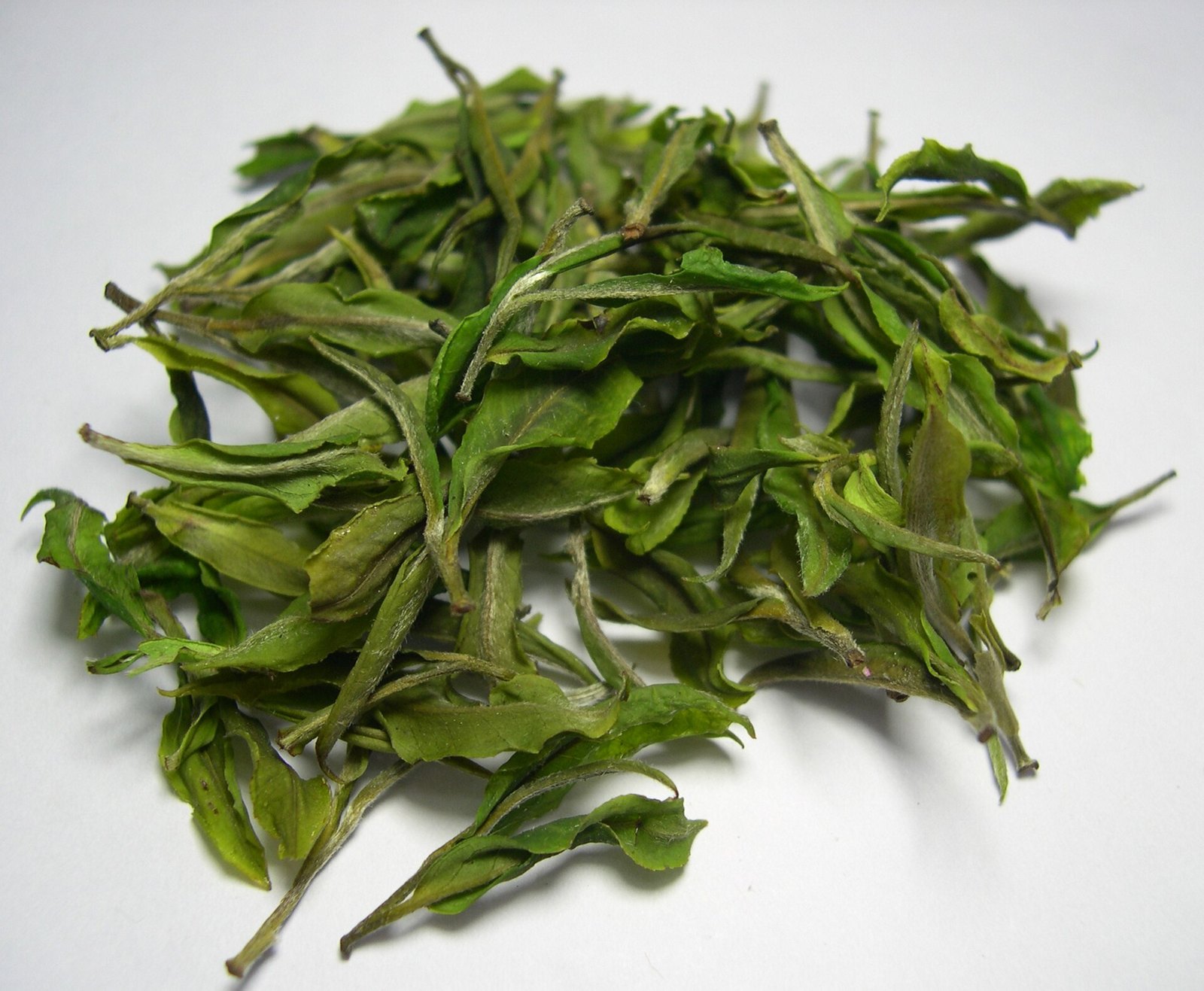
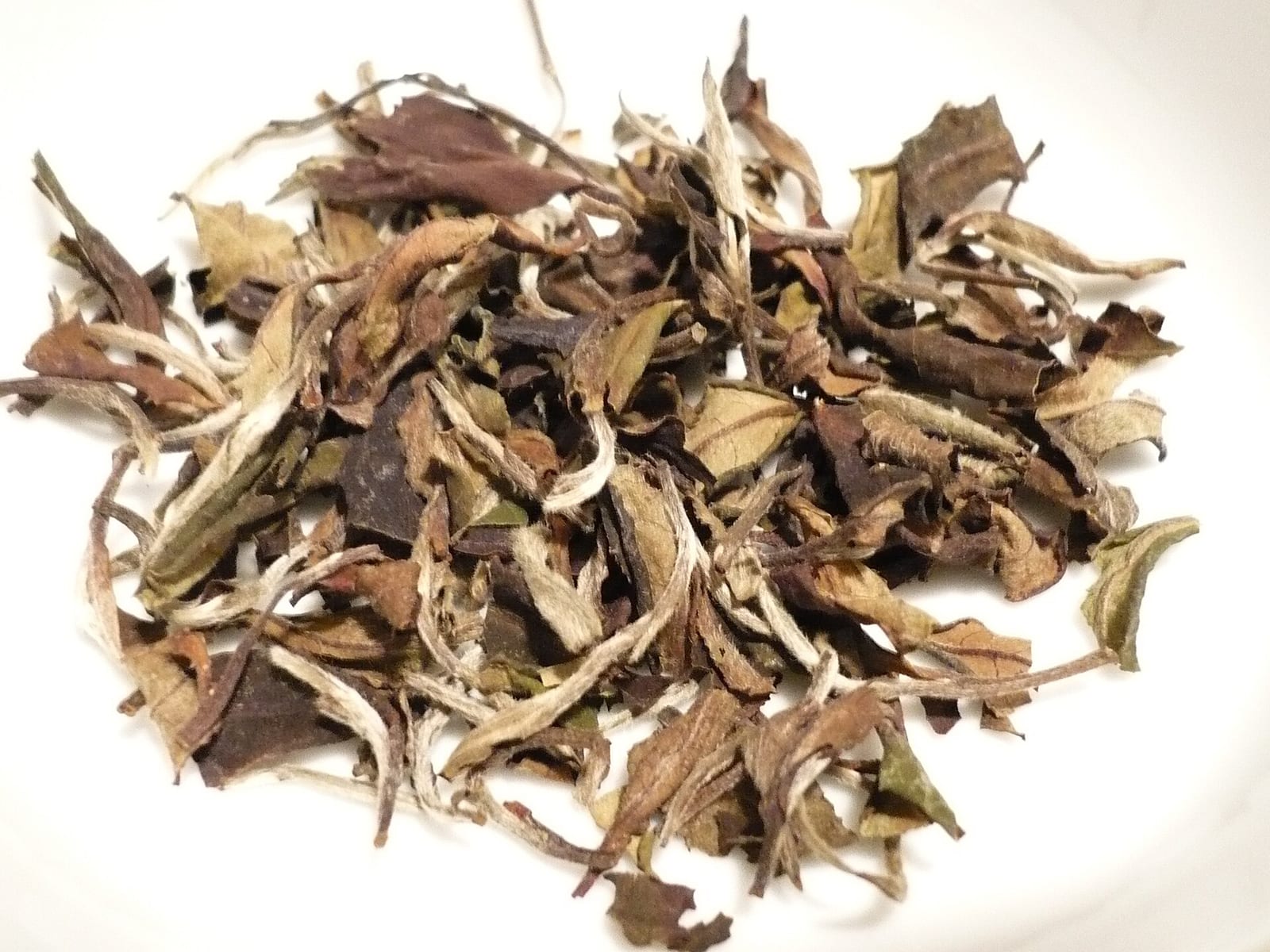
Bai Mudan is a white tea made from one bud and one or two leaves, with the bud and leaf still attached. The green leaf contrasts with the silver-white bud, and the infused leaf resembles an opening peony. Under GB/T 22291-2017 it is one of the main white-tea categories; it is not a “broken Silver Needle”, but a distinct picking standard and product type.
Origin and cultivar
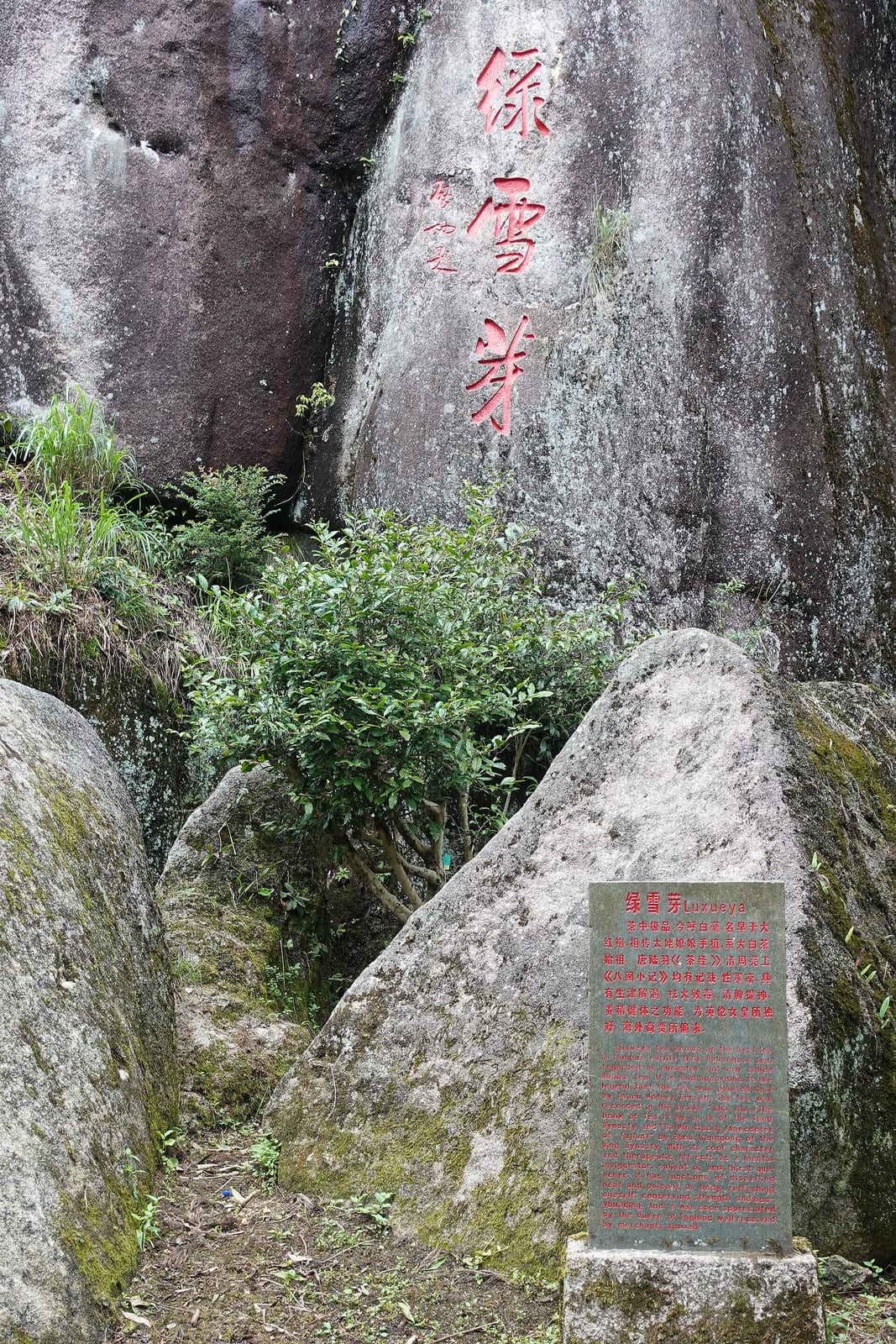
Fuding is a major Bai Mudan origin, with Taimu Mountain, Panxi and Diantou often cited; Zhenghe also produces Bai Mudan. Fuding Dabai, Fuding Dahao and other cultivars are common. Cultivar, altitude, picking date and withering change bud-leaf ratio, down and aroma. Fuding and Zhenghe styles differ; “Fuding Bai Mudan” does not describe every Bai Mudan.
Picking and processing
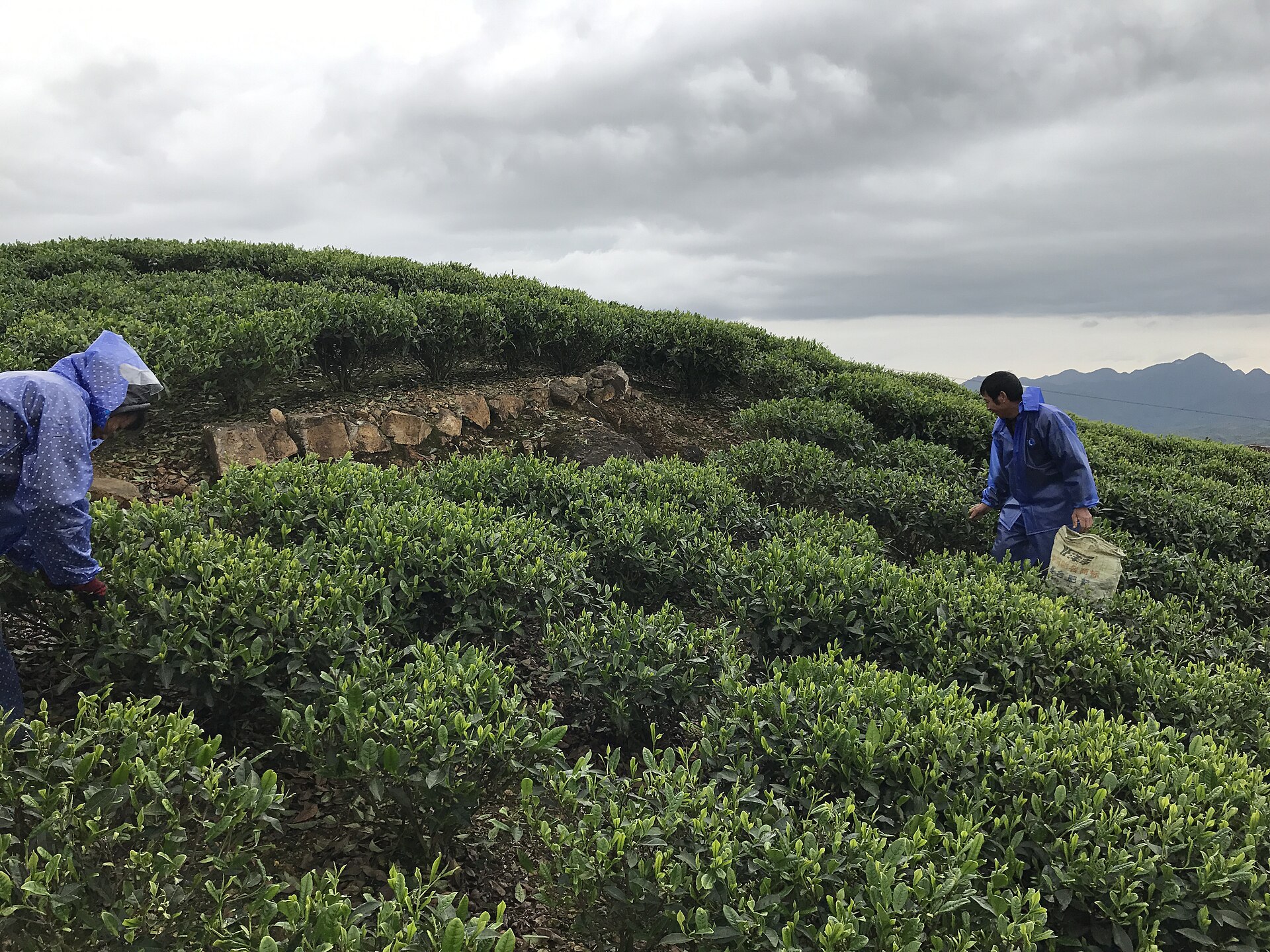
Bai Mudan is usually picked as one bud with one or two leaves, fresh and intact, with the bud and leaf attached. Processing is mainly withering and drying, without fixation or rolling. Sun, indoor or combined withering affects water loss, down aroma and colour. Over-withering, heap heating or insufficient drying can cause stewed notes, reddening or storage risk. Duration depends on weather, leaf thickness and spreading density; fixed hours are unreliable.
Quality and flavour
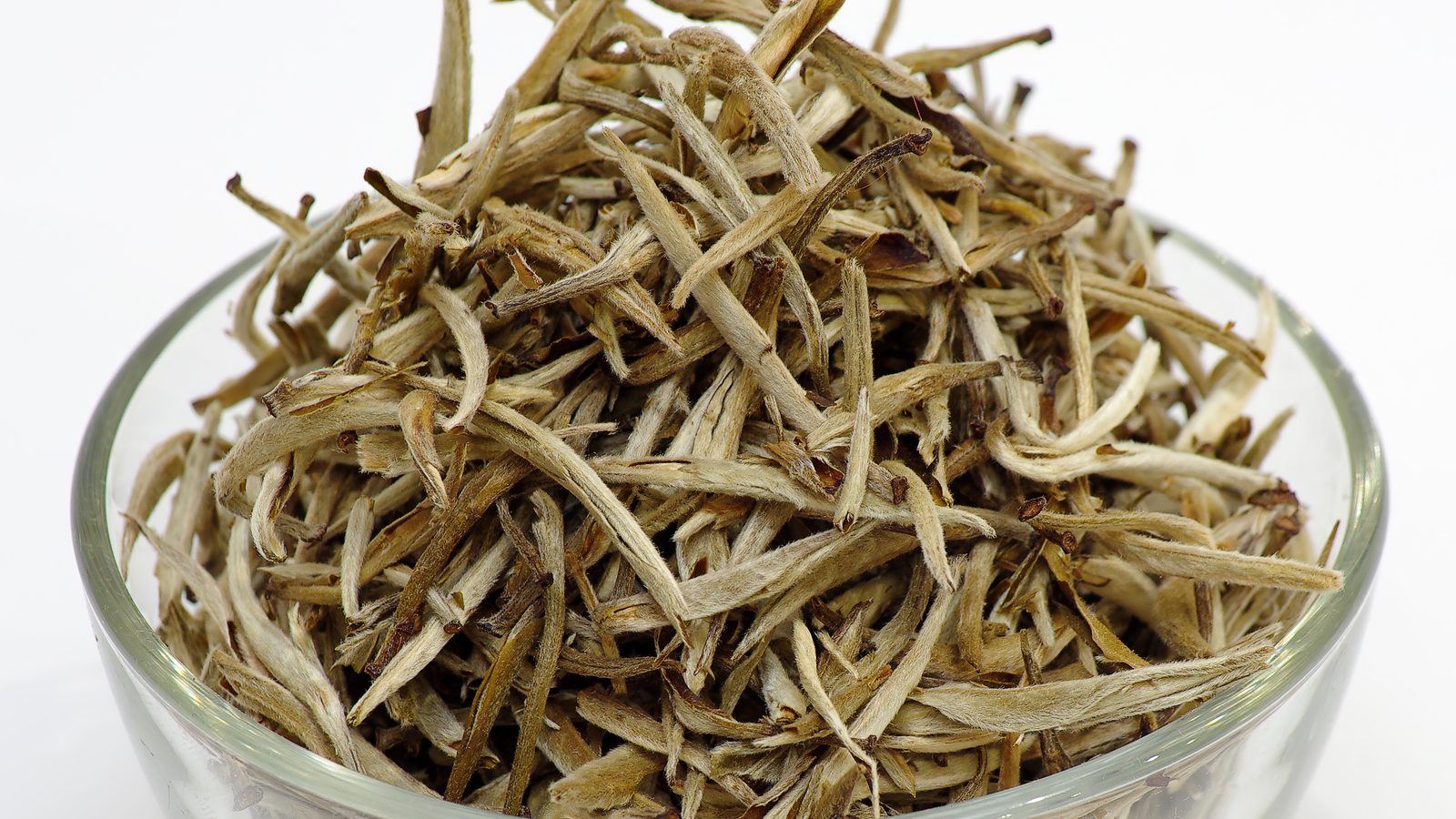
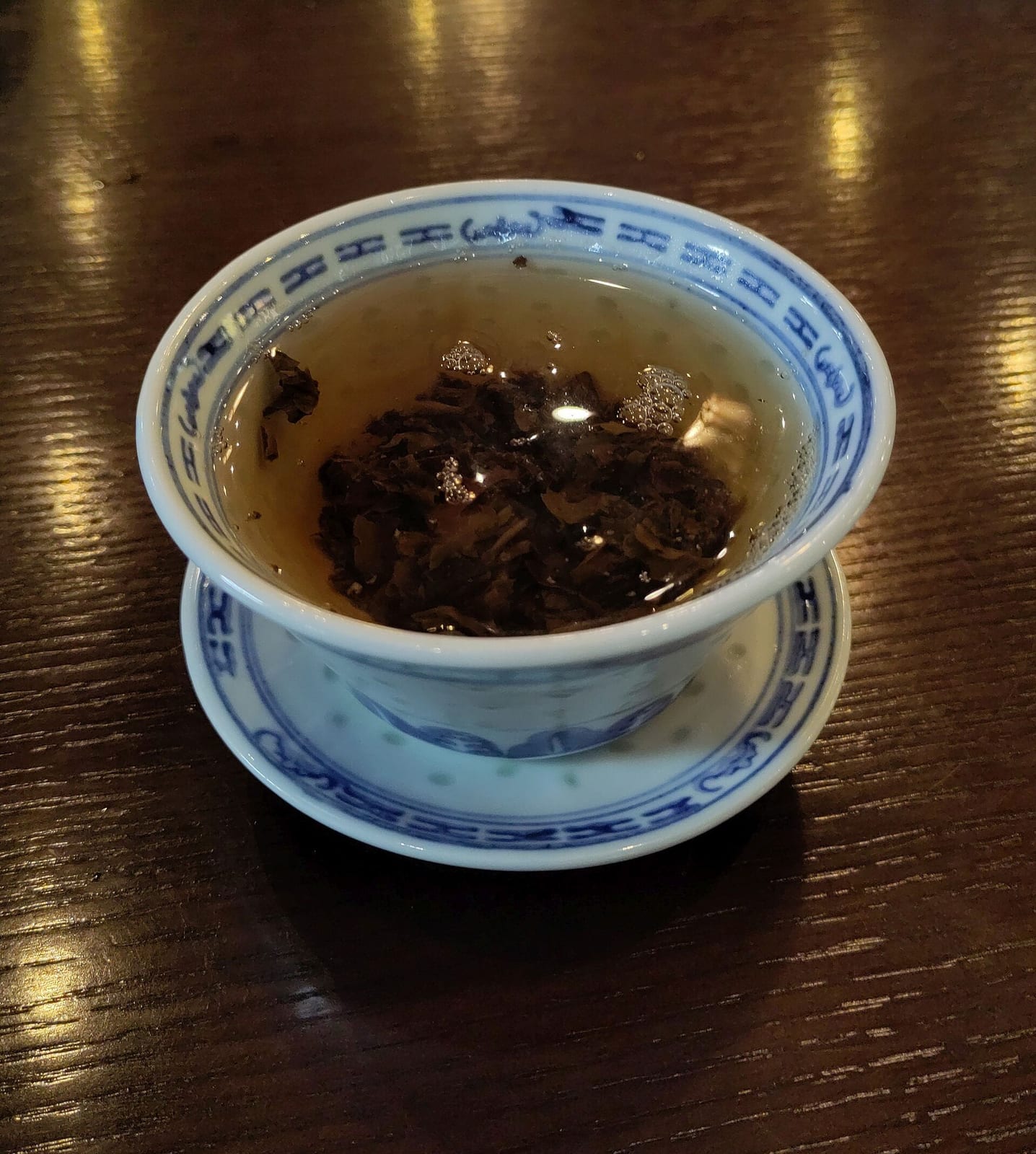
Dry leaves have attached bud and leaf, grey-green to brown-green colour and visible down. Liquor is apricot-yellow and bright, with down, floral and dry-grass aromas, a sweet, mellow taste and low bitterness. Compared with Silver Needle, Bai Mudan has more leaf and floral body; compared with Shoumei, it is finer and usually more delicate. Grade and picking standard affect style, but the name alone does not guarantee quality.
Brewing and storage
Use a gaiwan or glass with water around 85–90°C and short infusions; avoid long stewing. White tea can be aged, but “older is better” is not a fact. Material, moisture, storage temperature and humidity, and hygiene determine the direction of change. Damp, odorous or mouldy tea should not be drunk.
Common misconceptions
- Bai Mudan is not broken Silver Needle. It has its own picking standard: one bud and one or two leaves, attached.
- More down is not always a higher grade. Cultivar, picking, withering and drying all affect down and aroma.
- Aged white tea needs storage evidence. Without reliable age, storage and testing information, colour or story is not enough.
Sources
- GB/T 22291-2017, White tea.
- GB/T 32743-2016, White tea processing technical specification.
- Legacy Fujian tea record, retained for provenance.
This page is an AI-edited translation based on the reviewed Chinese source. It is not a human-expert endorsement.