Extent
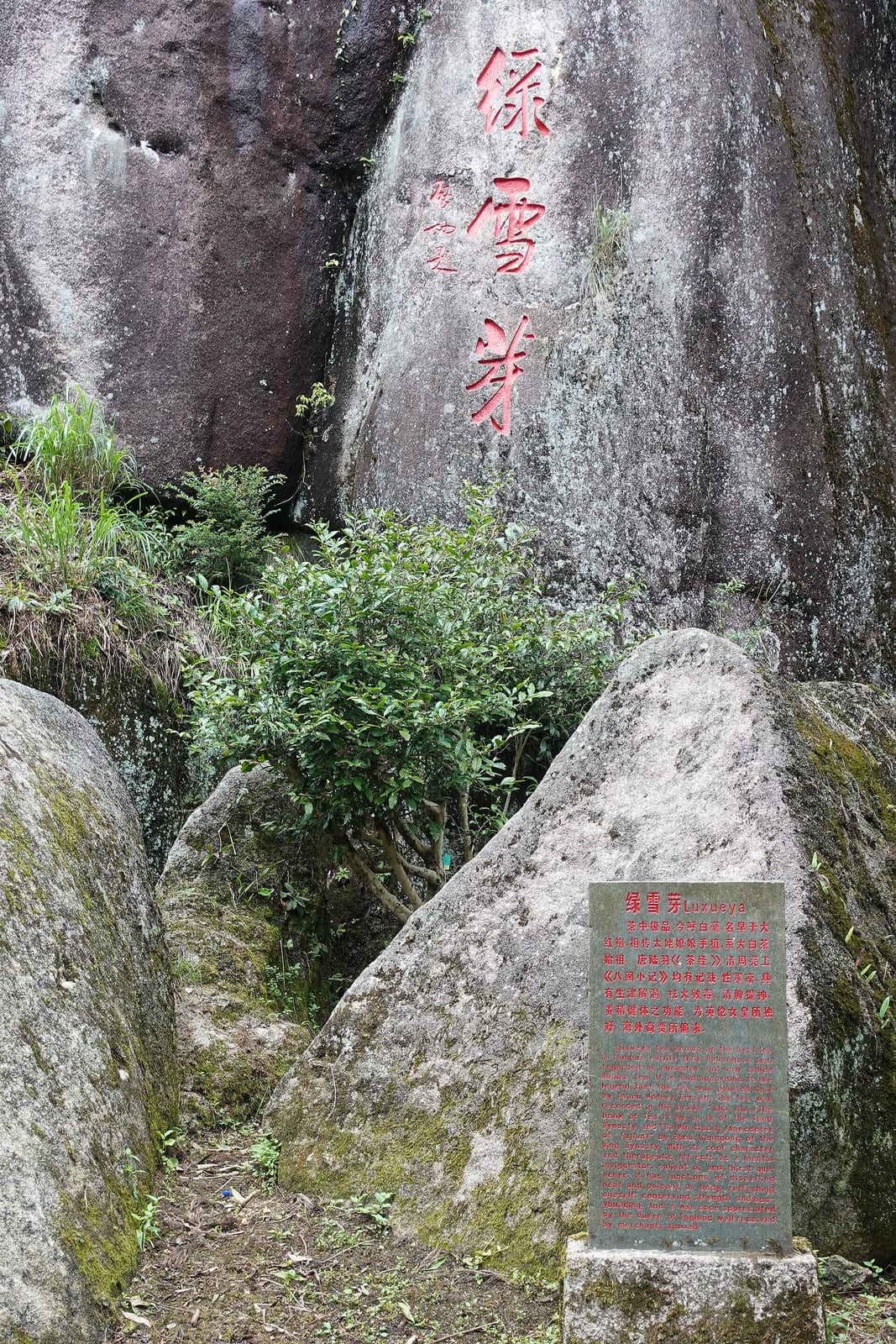
Fuding lies in north-eastern Fujian and is one of the best-known white-tea origins. Diantou, Panxi, Guanyang and Taimu Mountain are often cited for different sites and styles. The Fuding white-tea GI area is not the same as every garden location; Zhenghe, Jianyang and Songxi also produce white tea, and not all white tea should be attributed to Fuding.
Environment
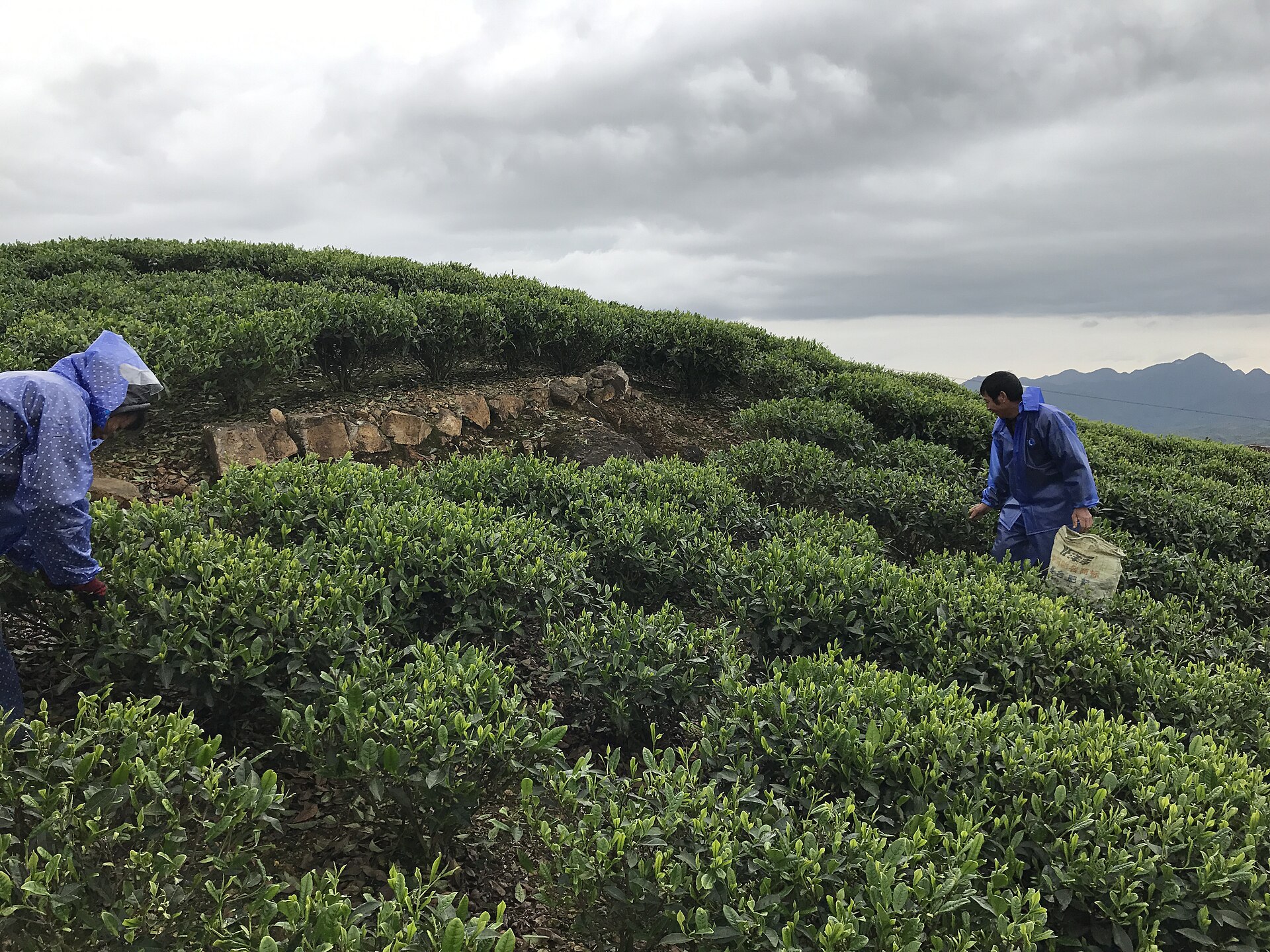
Fuding faces the sea and rises into hills, with gardens on hills, low mountains and island edges. The maritime climate brings high humidity and mist. Soil and drainage affect bud plumpness and down. White tea is not “unprocessed”: withering and drying are the core, and sun, indoor or combined withering changes aroma, colour and keeping quality.
Cultivars and products
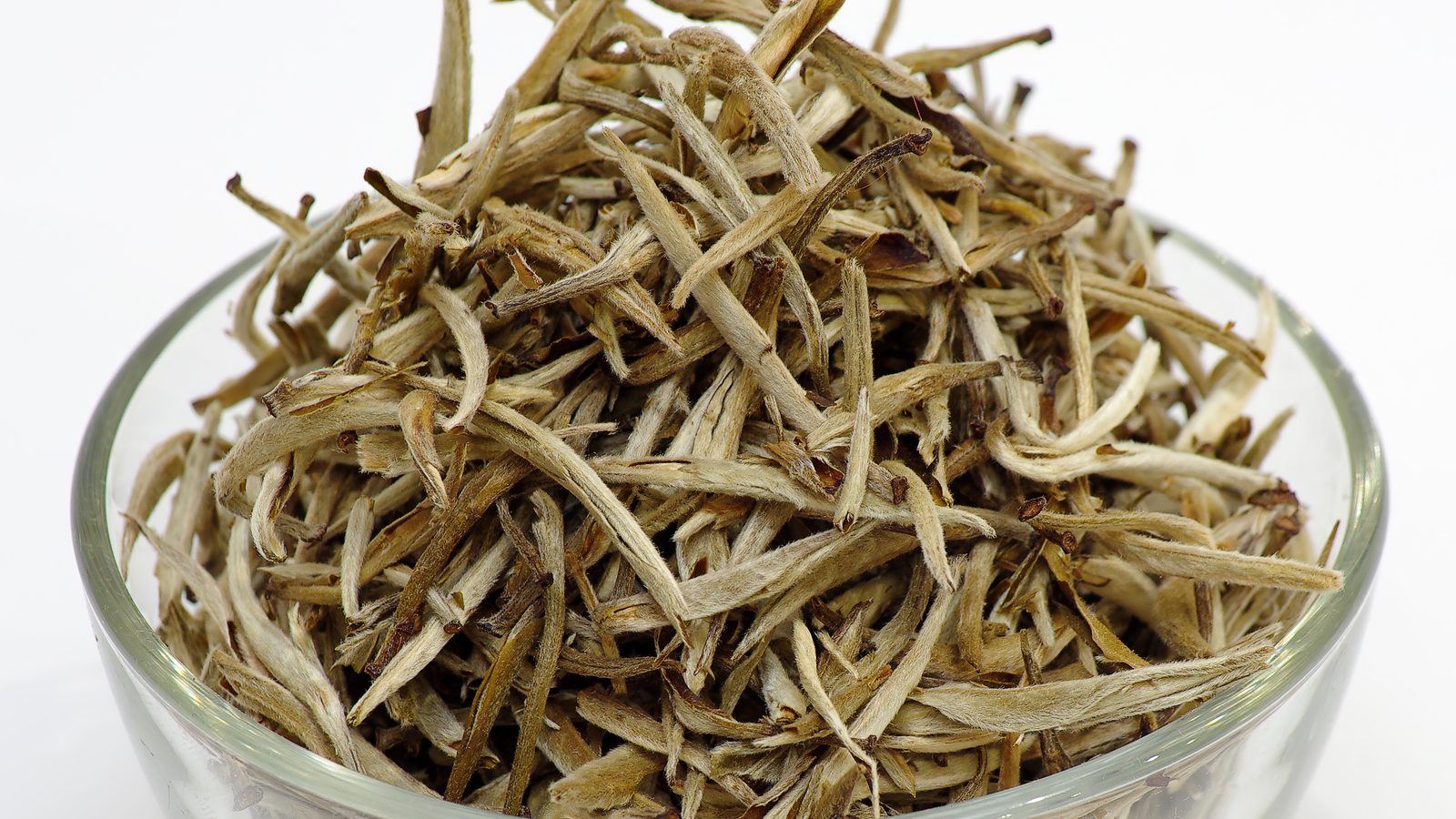
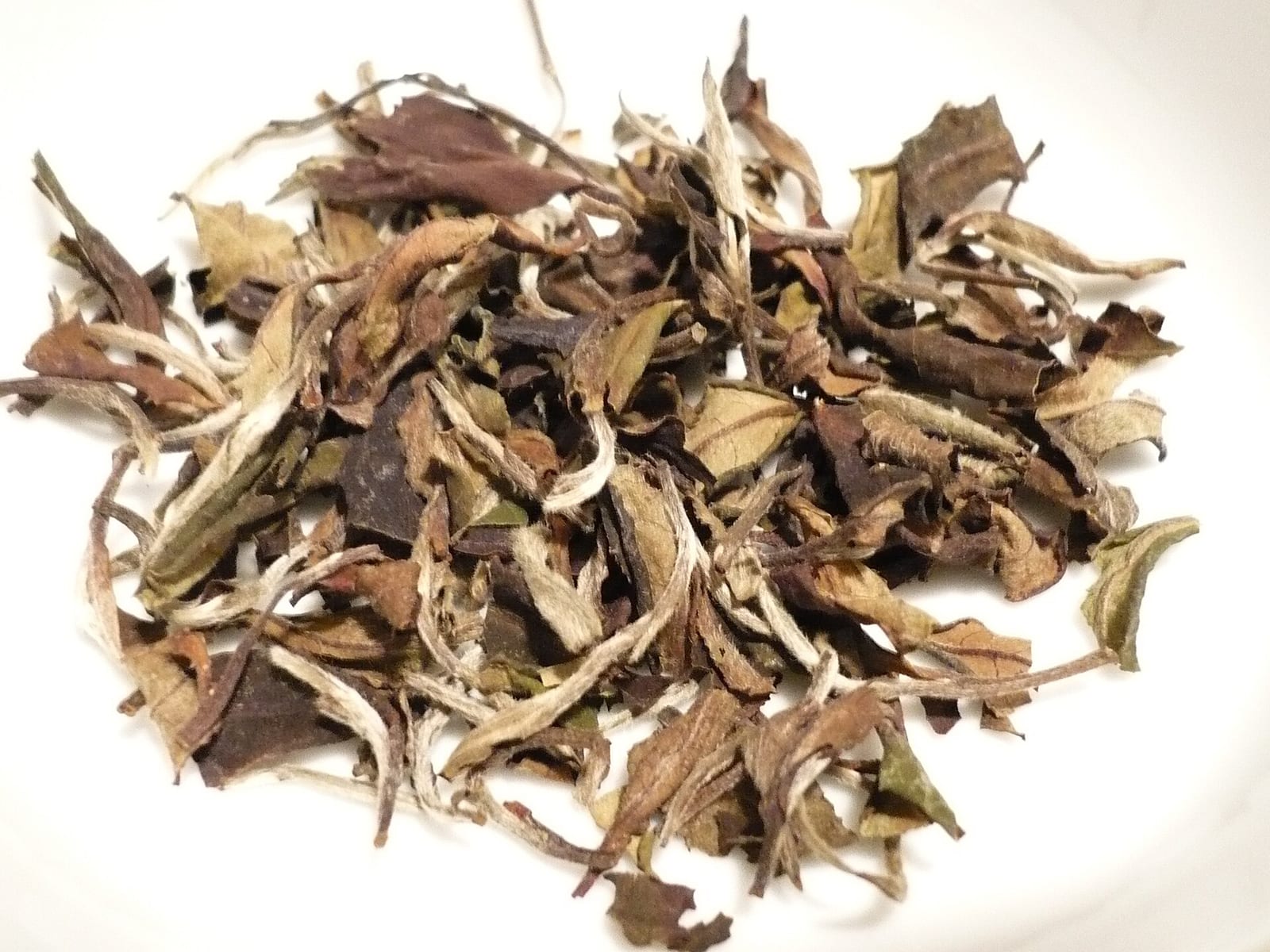
Fuding Dabai and Fuding Dahao are common local cultivars with plump buds and abundant down. Under GB/T 22291-2017, white tea includes Baihao Yinzhen (mainly single buds), Bai Mudan (one bud and one or two leaves), Gongmei (young shoots of population cultivars) and Shoumei (mainly mature leaves). Picking standard, cultivar and processing determine the category; price alone does not.
Processing
White tea is mainly withered and dried, without fixation or rolling. Withering method and drying temperature affect aroma and body. Thick spreading, uneven water loss or insufficient drying can cause stewed notes, reddening or storage risk. Fuding white-tea traditional processing is on China’s national intangible heritage list; specific parameters vary with weather, material and factory and cannot be reduced to fixed hours.
Quality and flavour
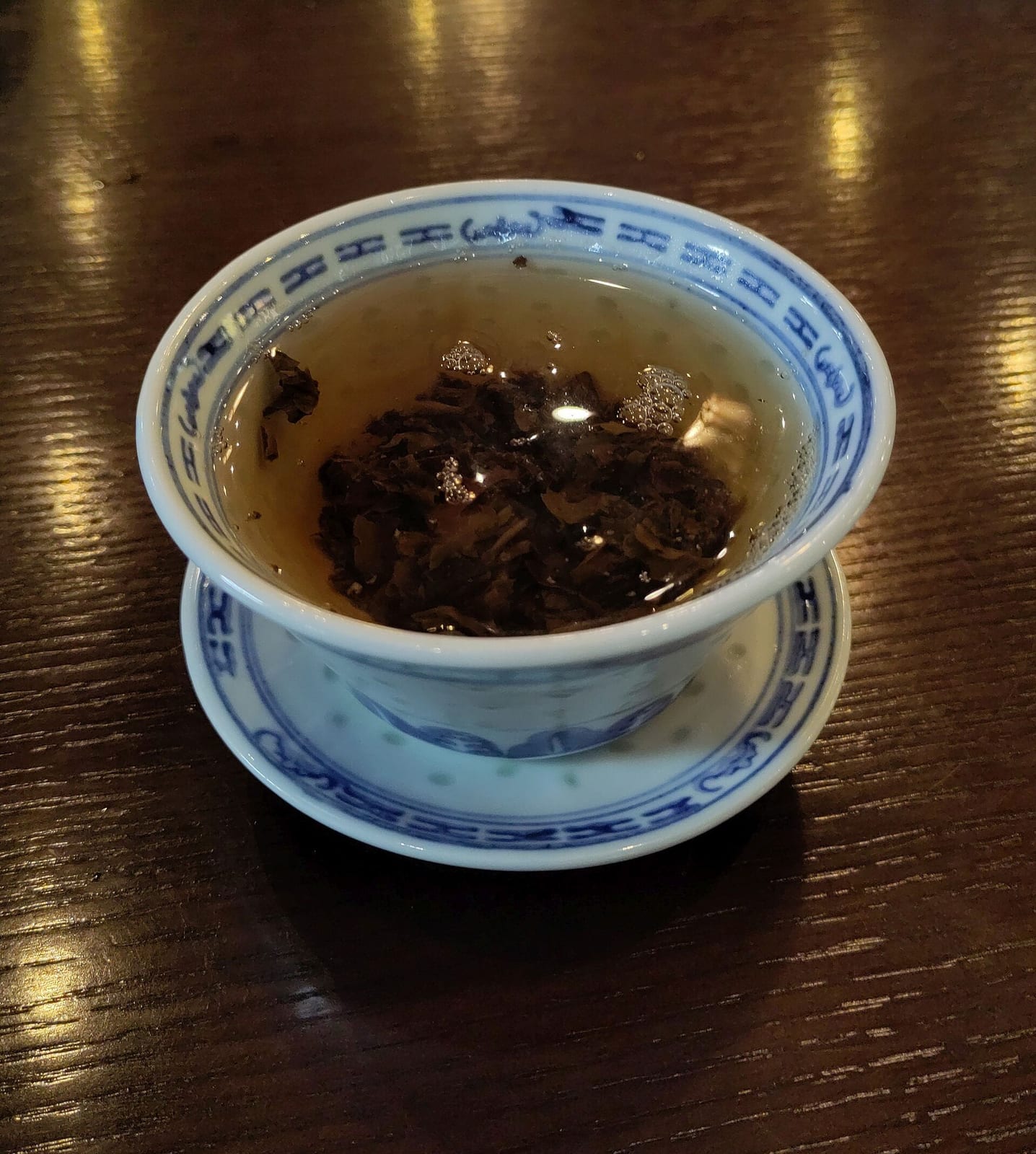
Young white tea has a pale yellow to apricot liquor, with down, floral and dry-grass notes and a sweet taste. Shoumei and other mature-leaf teas have a fuller body; with ageing they may develop date, woody or medicinal notes. White tea can be aged, but “older is better” is not a fact: material, moisture, storage temperature and humidity, and hygiene determine the direction of change.
History and boundaries
Fuding white tea had export records in the Qing, and Baihao Yinzhen and Bai Mudan gradually took shape. The white-tea market expanded in the late twentieth century, and aged white tea became a consumer topic. Specific export dates, volumes and “old tea” stories need checking against gazetteers, customs archives and company records. GI protection and local standards should follow current announcements.
Common misconceptions
- Fuding is one white-tea origin, not the only one. Zhenghe, Jianyang and Songxi also produce white tea.
- White tea is not “unprocessed”. Withering and drying are core processes with real technical differences.
- Aged white tea is not automatically good. Clean storage and stable humidity matter more than a year number.
- Baihao Yinzhen is not simply a “higher grade” of Bai Mudan. The picking standards and styles differ.
Sources
- GB/T 22291-2017 White tea — Current Chinese white-tea standard covering classification, technical requirements, testing and inspection.
- GB/T 32743-2016 White tea processing technical specification — Technical specification for white-tea withering and drying.