What it is
Shoumei is a white tea made from relatively mature material and is one of the larger-production white-tea categories. Under GB/T 22291-2017, it uses mainly mature leaves, often one bud with two or three leaves or coarser picking. It does not rely on fine buds; instead, the leaf gives sweetness, body and durability.
Origin and material
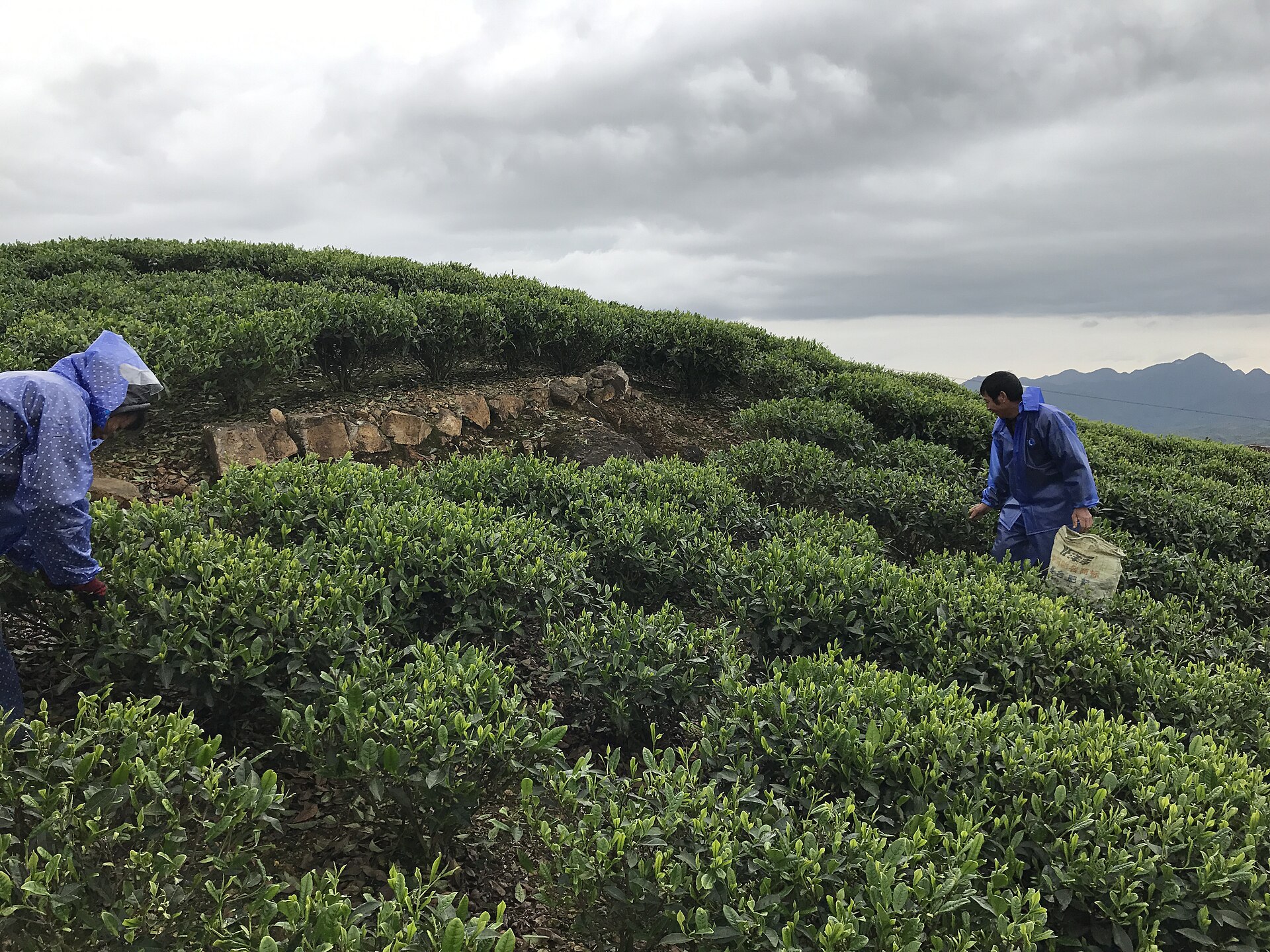
Fuding is a major Shoumei origin, with Diantou, Bailin, Panxi and Taimu Mountain all producing; Zhenghe also produces Shoumei. Picking usually comes later than Silver Needle and Bai Mudan, with more mature leaf and a higher proportion of stem and vein. Cultivar, altitude, picking batch and weather strongly affect style; “Shoumei” is not a single cultivar.
Processing
Shoumei is mainly withered and dried, without fixation or rolling. Because leaves are large and moisture content is relatively high, spreading thickness and withering time must follow the weather; thick piles or uneven water loss can cause stewed notes, reddening or mould risk. Sun withering can add sweetness and a “sun” note, but strong direct sun can damage the leaf, so producers often alternate sun and indoor withering.
Quality and flavour
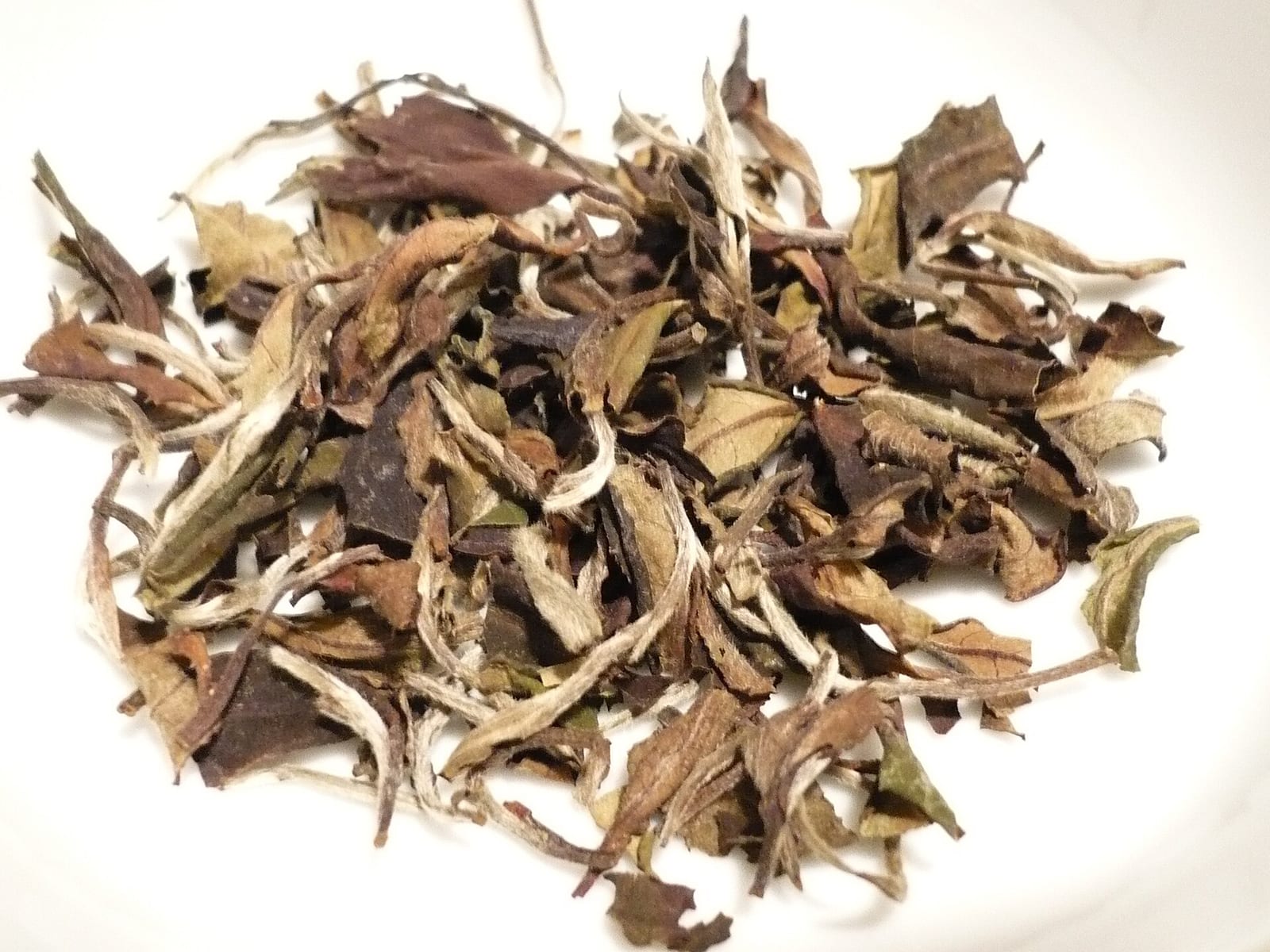
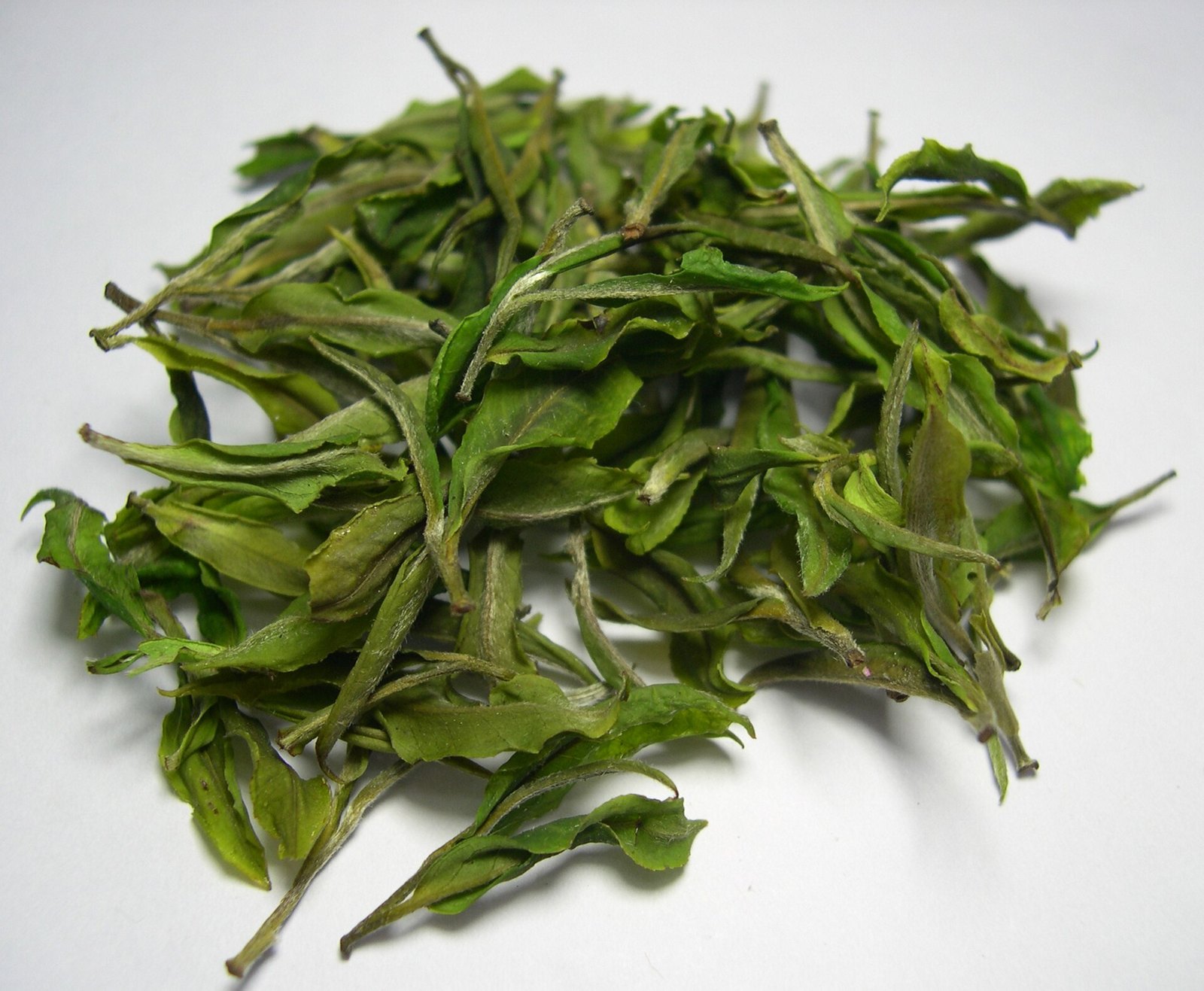
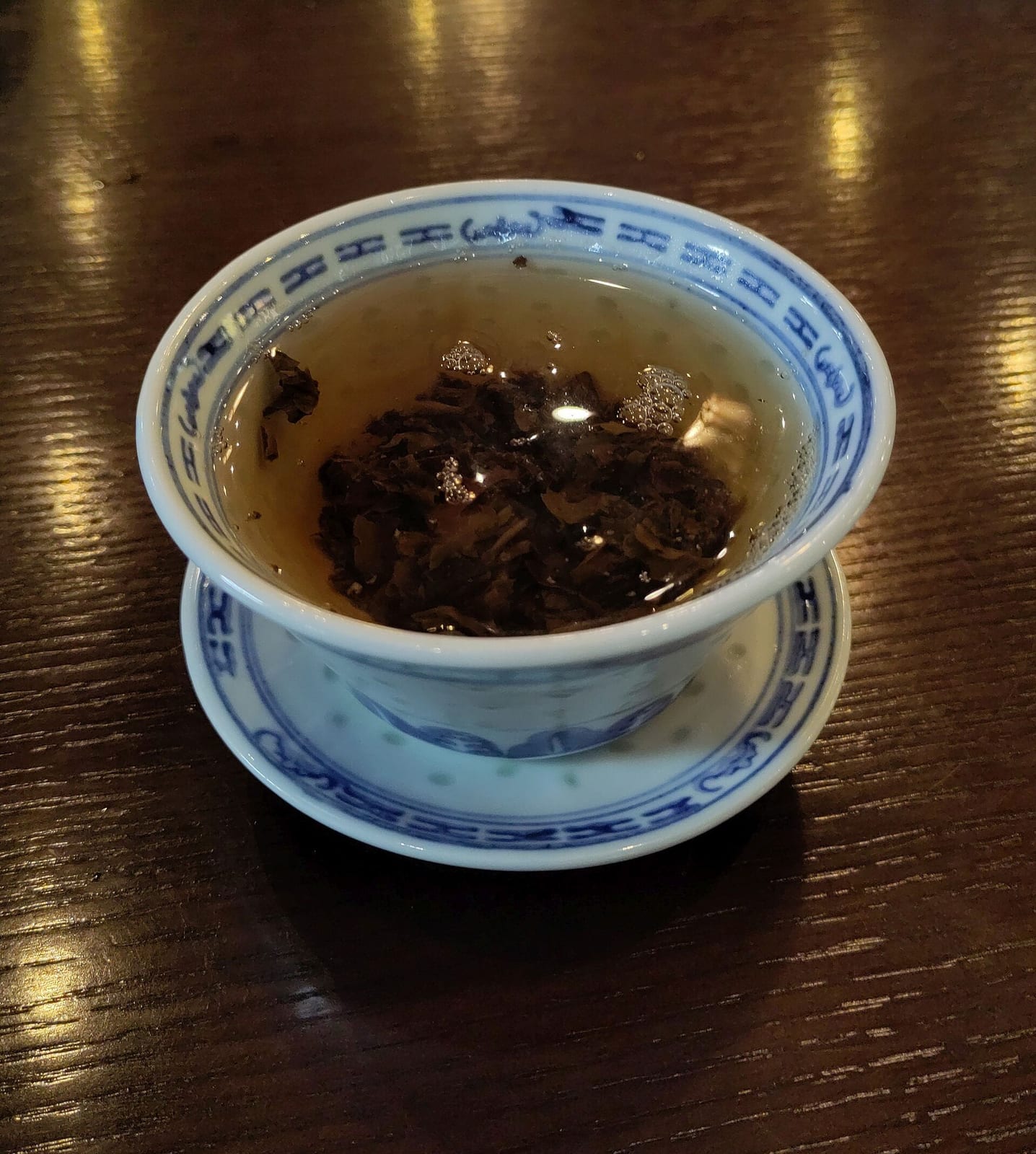
Dry leaves are loosely rolled, spreading, grey-green to brown-green. Liquor is apricot-yellow to orange-yellow, with down, honey, dry-grass and woody notes, a mellow sweet taste and relatively low bitterness. The high leaf proportion usually gives more body and durability than Bai Mudan, but coarse does not mean high quality: clean material, even withering, thorough drying and good storage are prerequisites.
Brewing and ageing
Use a gaiwan with water around 90–95°C and short infusions; it can also be boiled, which amplifies sweetness and woody notes. Shoumei can be aged, but “the older the better” is not unconditional: material, moisture, storage temperature and humidity, and odour control determine the direction. “Aged Shoumei” should have traceable age, storage and testing information, not just dark colour, old packaging or a story.
Common misconceptions
- Shoumei is not “the worst white tea”. It is a distinct category based on mature leaves, with a different style from Silver Needle and Bai Mudan.
- Coarse does not mean high quality. Excessively coarse leaf, too much stem or poor storage lowers quality.
- Old tea is not automatically good tea. Damp, odorous or mouldy Shoumei does not improve with age.
- Boiling is not the only way to drink it. Gaiwan, pot and boiling each suit different settings; adjust leaf and time.
Sources
- GB/T 22291-2017, White tea.
- GB/T 32743-2016, White tea processing technical specification.
- Legacy Fujian tea record, retained for provenance.
This page is an AI-edited translation based on the reviewed Chinese source. It is not a human-expert endorsement.