Scope
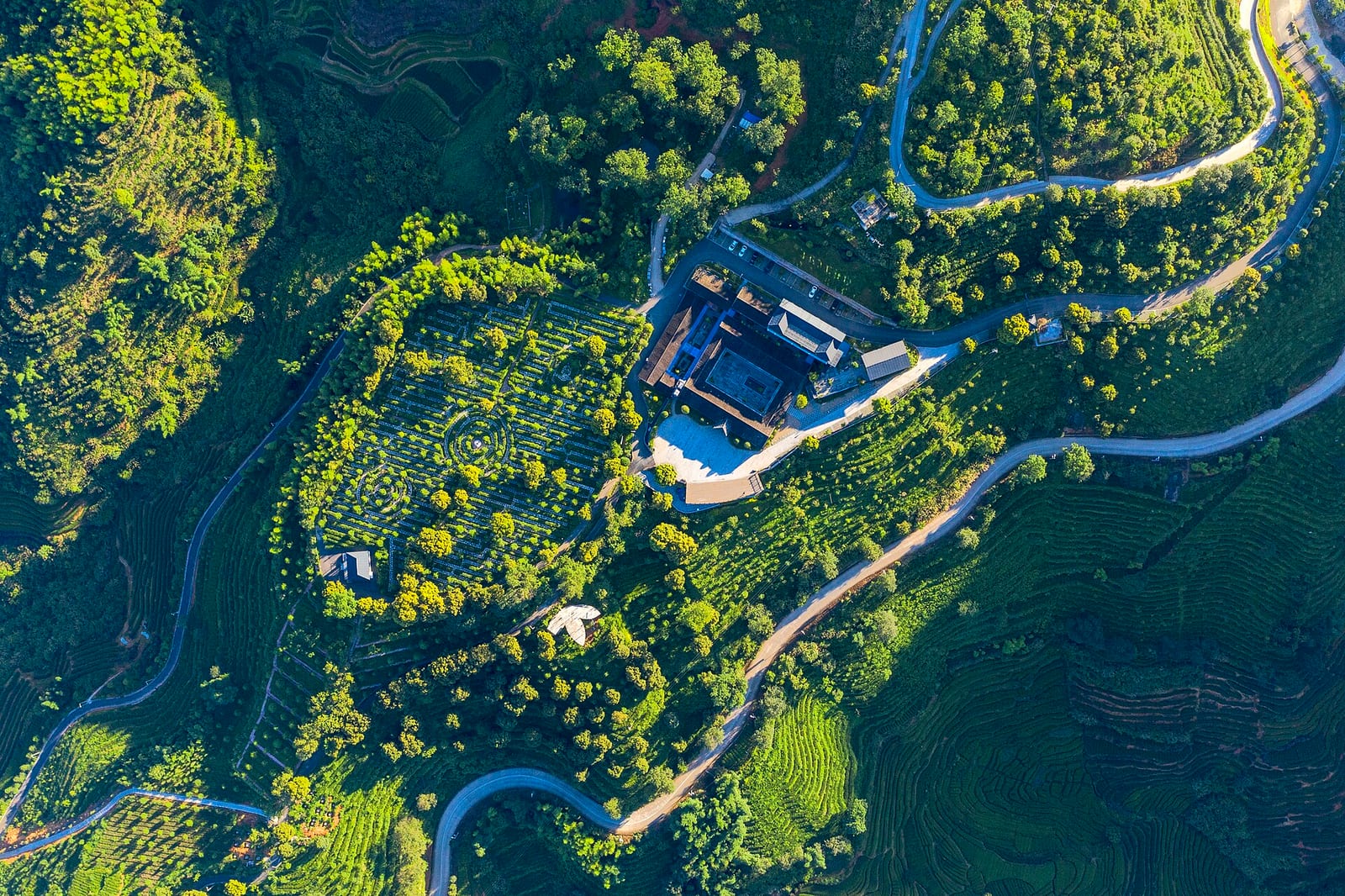
Fujian sits on China's southeast coast, and its tea areas span northern, southern, eastern and western Fujian. A 2021 provincial policy on tea culture, industry and science set a target of more than RMB 200 billion in total industry-chain output by 2025. The same document names five tea-related modern agricultural parks (Anxi, Fuding, Zhenghe, Zhangping and Yongchun) and five distinctive industry clusters: Wuyi rock tea, Anxi Tieguanyin, Fuding white tea, Fuzhou jasmine tea and Fujian black tea. Fujian produces oolong, white, black and green tea as well as scented tea; calling it simply an "oolong province" or a "white-tea province" misses most of the picture.
Geography and terroir
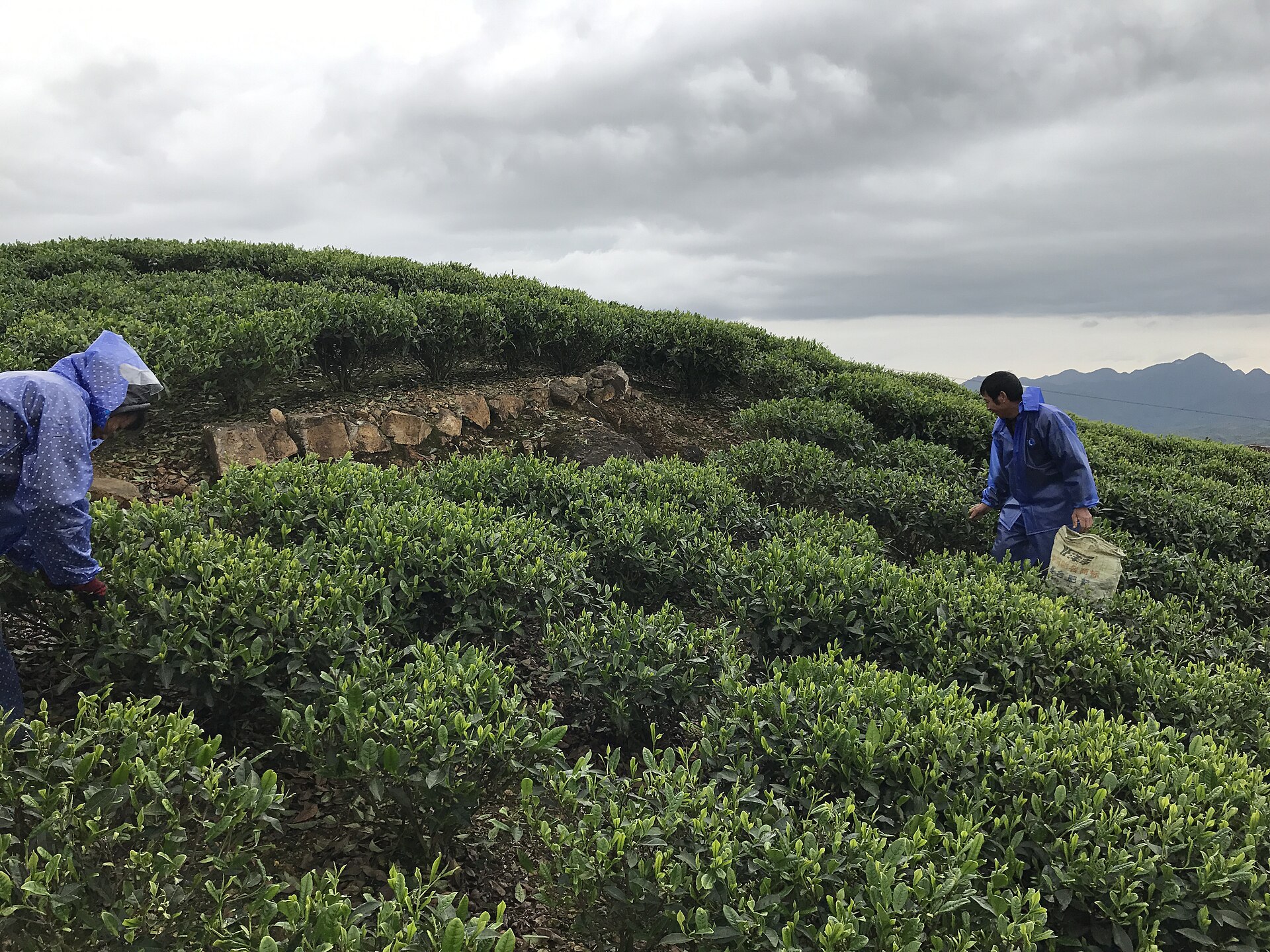
Northern Fujian is dominated by the Wuyi Mountains, where Danxia landforms, ravines and gravelly soils provide the setting for rock tea. In southern Fujian, Anxi and Yongchun sit among the hills of the Daiyun Mountains, with gardens on slopes and at the edges of woodland. Eastern Fujian, including Fuding, Zhenghe and Shouning, faces the sea from the Taimu and Donggong mountains, where mist and maritime air are pronounced. Western Fujian around Longyan and Sanming mixes mid-altitude mountains, hills and basins. The province has a subtropical monsoon climate; the ocean brings earlier springs to the coast, while northern mountain areas see larger swings in temperature and humidity. Soil, aspect, shade and surrounding trees shape each mountain site, and altitude alone is a poor guide.
Main tea areas
- Wuyishan–Jianyang–Jian'ou in Nanping: the core of Wuyi rock tea, Lapsang Souchong, Jian'ou Shuixian and northern Fujian oolong; Wuyi is also a World Heritage site for both culture and nature.
- Anxi–Yongchun–Nan'an in Quanzhou: Anxi Tieguanyin, Yongchun Foshou and Huangjin Gui, with gardens close to mountain villages and streams.
- Fuding–Zhenghe–Shouning–Fu'an in Ningde: Fuding and Zhenghe white teas, Tanyang Gongfu and eastern Fujian green teas.
- Fuzhou and the lower Min River: Fuzhou jasmine tea, a reprocessed tea in which green-tea base is scented with fresh jasmine.
- Zhangzhou–Longyan–Sanming: Zhangping Shuixian cake tea, Baiya Qilan, Yongfu high-mountain tea and Hakka green and black teas.
Tea types and processing
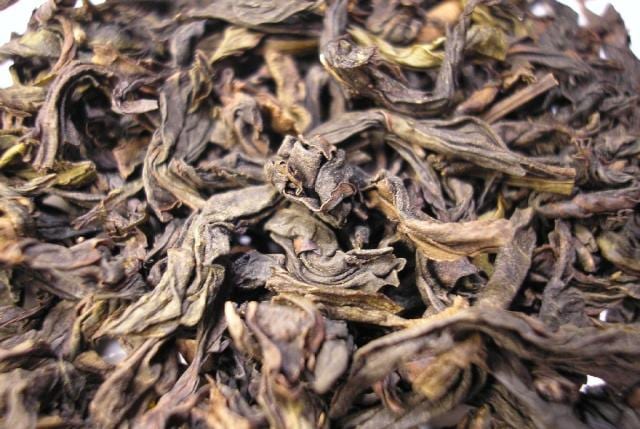
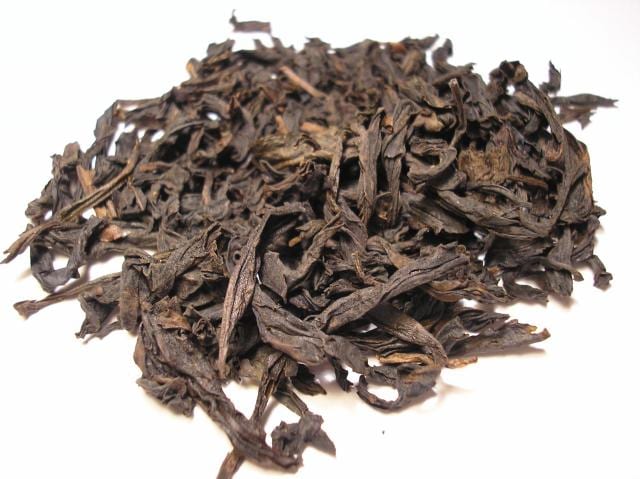
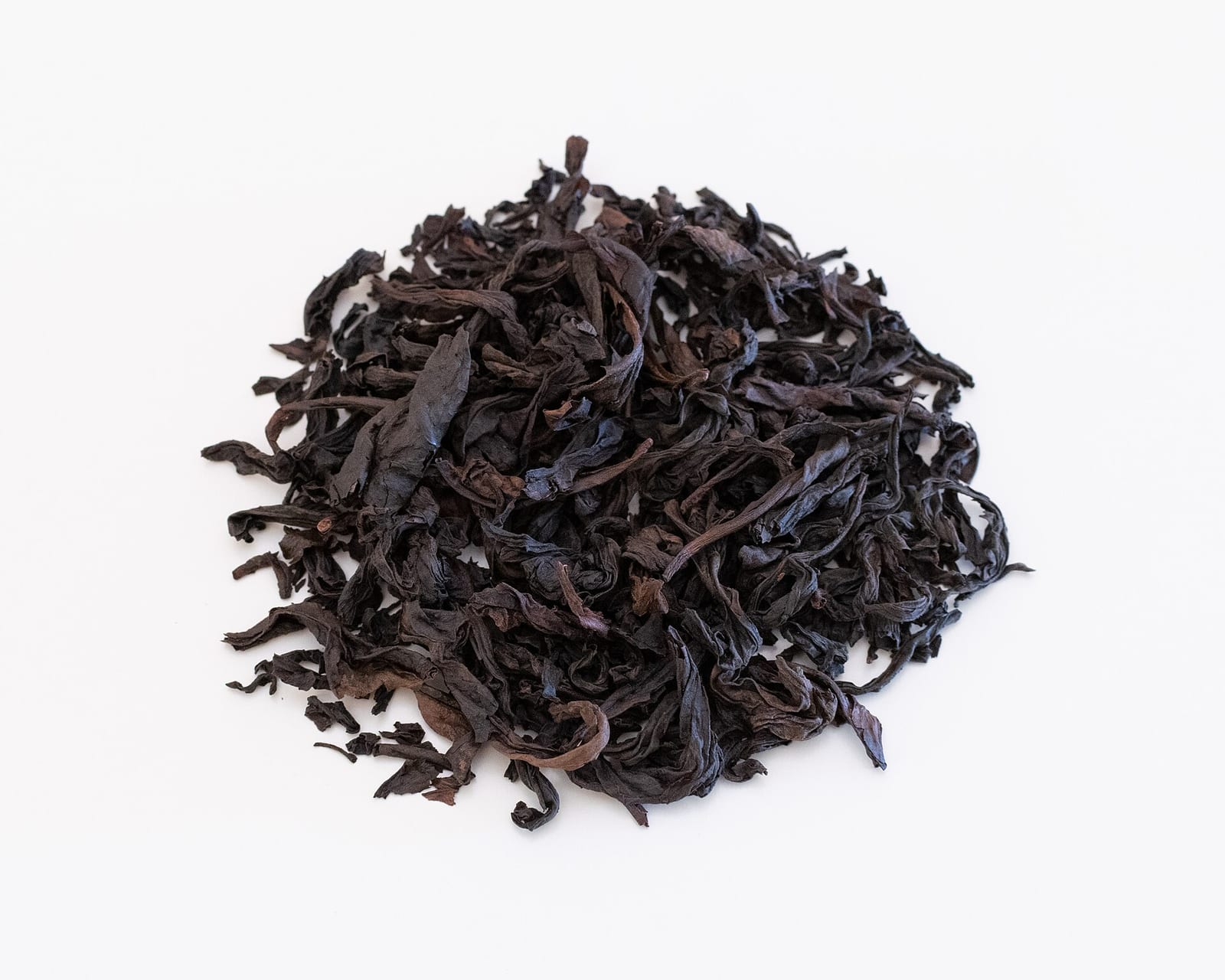
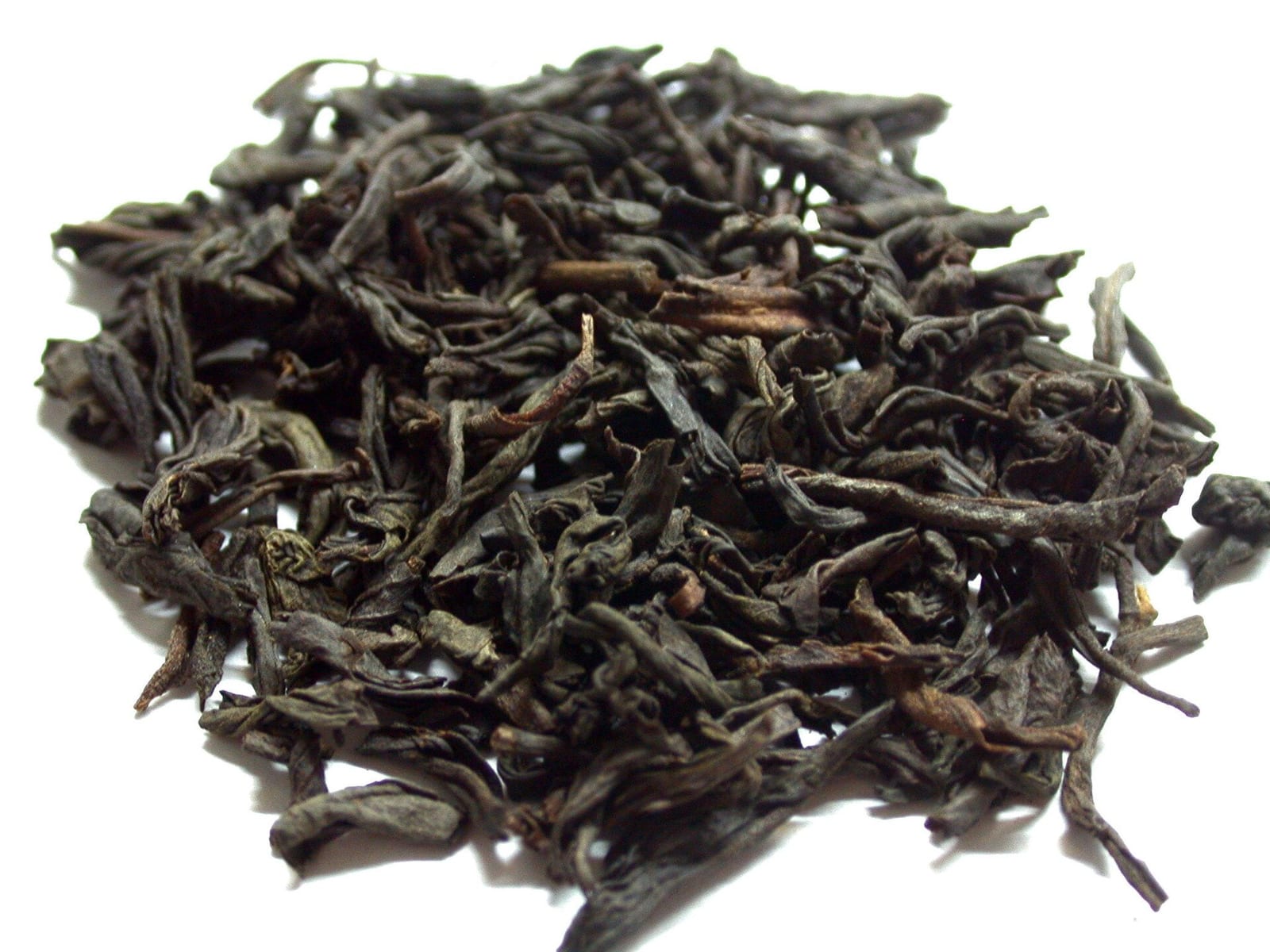
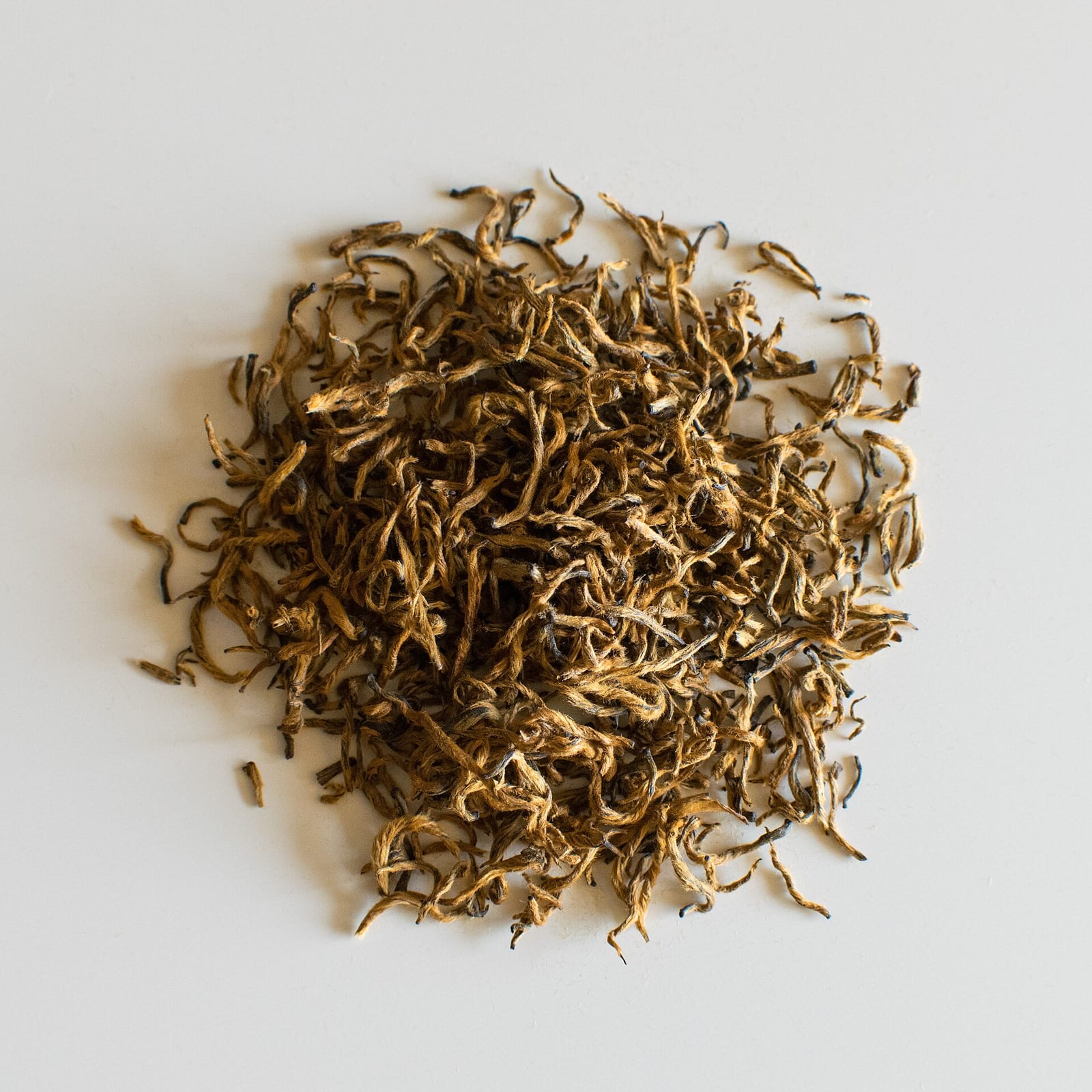
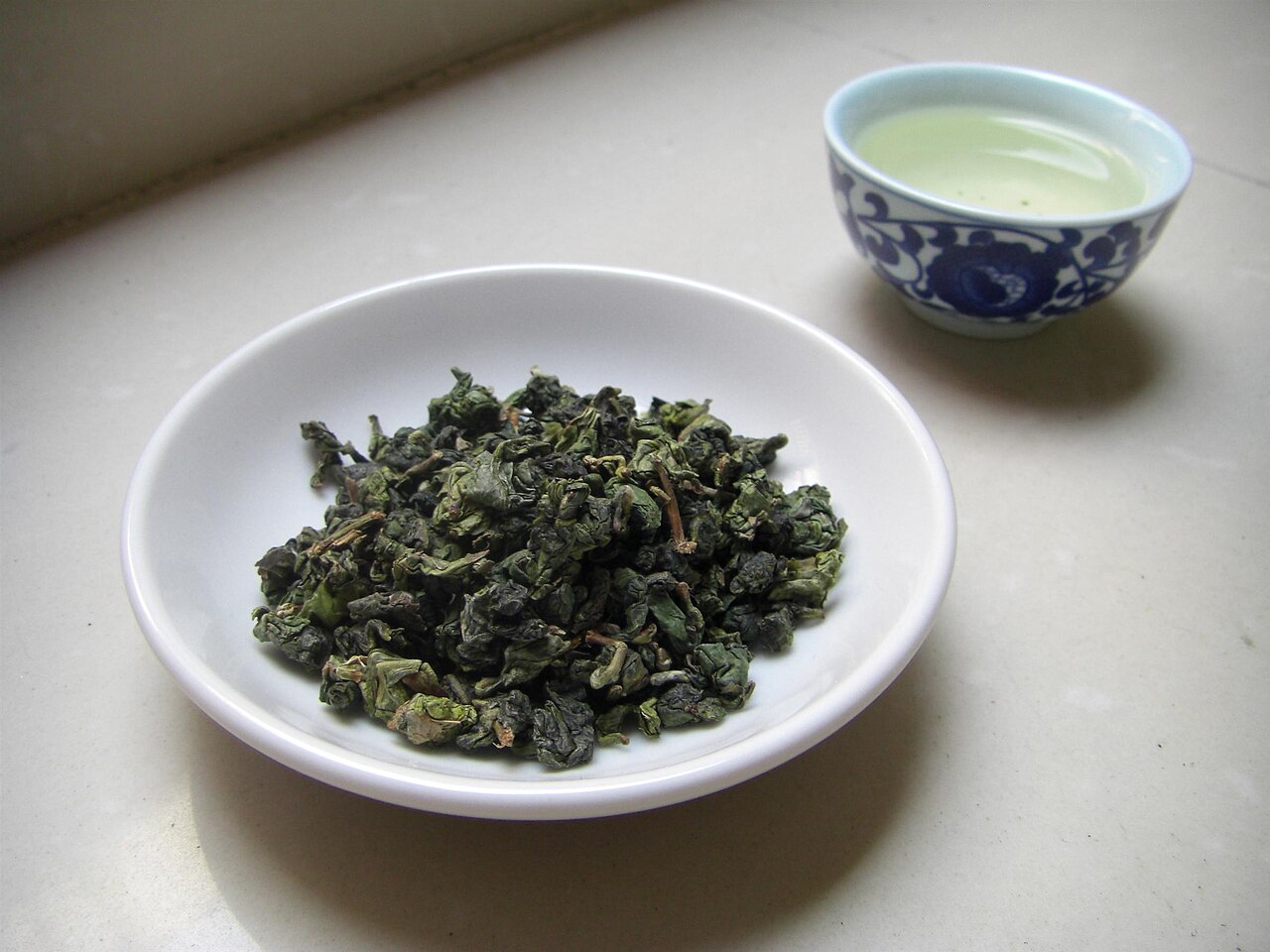
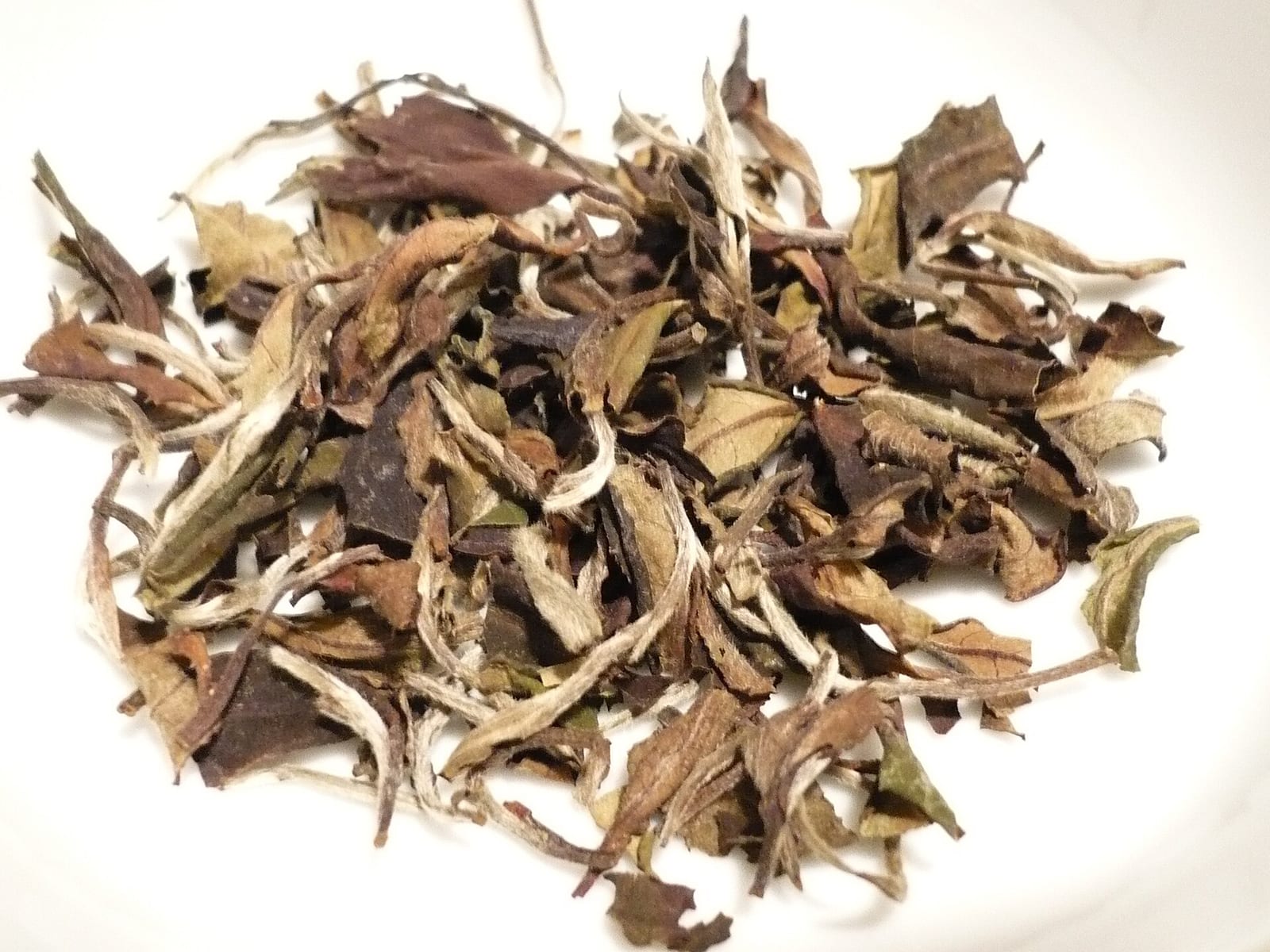
Fujian has one of the most complete oolong repertoires in China. Wuyi rock tea goes through withering, shaking, kill-green, rolling and roasting, with attention to "rock bone and floral fragrance" and layered roast. Anxi Tieguanyin is lightly oxidized; shaking and wrapping shape its orchid aroma and "Guanyin rhyme". White tea relies mainly on withering and drying, with needle, bud-and-leaf and leaf grades from Fuding and Zhenghe. Among black teas, Lapsang Souchong is known for traditional pine-smoke drying, while Tanyang Gongfu and Zhenghe Gongfu emphasize fine strands and sweet aroma. Fuzhou jasmine tea scents the base repeatedly with fresh flowers and a final lift. Green tea is also made in eastern, western and northern Fujian through kill-green, rolling and drying.
History and market
Tang-era texts already record Fujian tea. In the Song dynasty, the Beiyuan tribute gardens in Jian'an brought northern Fujian into the national spotlight. In the late Ming and early Qing, Lapsang Souchong from the Tongmu area of Wuyi entered maritime trade and is often described as one of the early exported black teas. In the nineteenth century, Tanyang Gongfu and Zhenghe Gongfu followed. Today Fujian's five industry clusters link tea with teaware, tea spaces, tea tourism and brand building. Market fashion can move prices and product mix, but it does not replace judgement about mountain site, cultivar and processing.
Common misunderstandings
- Dahongpao is an oolong, not a black tea. Its "red" name refers to liquor colour and tradition, not to black-tea classification.
- Tieguanyin is not a green tea. Light-aroma Tieguanyin looks green and is lightly oxidized, but its process is oolong.
- "Old white tea" is not automatically better with age. Raw material, processing, moisture and storage decide the outcome.
- "Rock rhyme" is not roast flavour. It comes from mountain site, cultivar, shaking and roast together.
- Fuzhou jasmine tea is a reprocessed tea. The base is usually green tea; the floral note comes from scenting, not from a tea cultivar.
Representative teas
The working index contains 44 regional teas. Only the 9 that have passed the public gate are linked here; the rest remain in editorial review.
- Da Hong Pao
- Fuding Bai Mudan
- Fuding Gongmei
- Fuding Shoumei
- Jinjunmei
- Light-Aroma Tieguanyin
- Wuyi Rougui
- Wuyi Shuixian
- Zhengshan Xiaozhong
Further reading and sources
Provincial statistics, industry layout and geographical-indication information are drawn from the sources below. Definitions, grades and processing for individual teas follow their own entries.
- Fujian Provincial Department of Agriculture and Rural Affairs: opinions on tea culture, tea industry and tea science
- Fujian Provincial Department of Agriculture and Rural Affairs: A thousand years of tea fragrance
- National standards public system: GB/T 18745-2006, Geographical indication product Wuyi rock tea