In one sentence
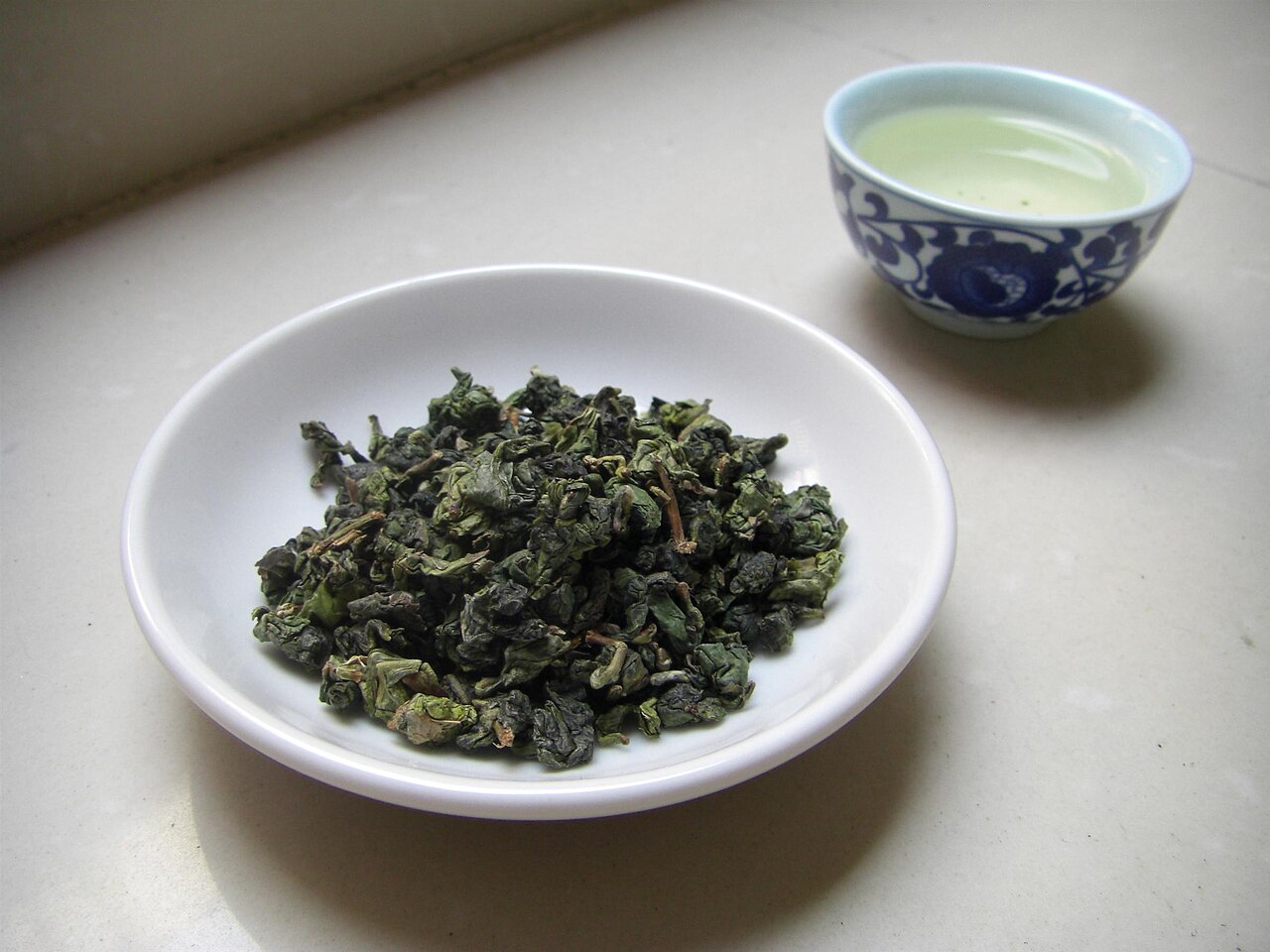
Light-aroma Tieguanyin is the “clear” face of Anxi oolong: tight, sandy-green pellets; a golden, bright liquor; a high orchid aroma; and a fresh, sweet, slightly creamy entry with a cooling, lingering finish. It is not a separate cultivar and it is not “unroasted tea”. It is the same Tieguanyin leaf, processed and finished in a lighter style than the roasted version.
Three types, one cultivar
GB/T 19598-2025, effective 1 September 2025, divides Anxi Tieguanyin by finishing process into:
- Light aroma (清香型): maocha is sorted, screened, blended, piled and given a low-temperature “literary fire” (文火) dry.
- Roasted aroma (浓香型): the light-aroma base is additionally baked, with charcoal or electric heat, at 90–150°C.
- Aged aroma (陈香型): maocha is dried, then stored in a dry, dark, moisture-proof, odour-free room for five years or more.
So light-aroma Tieguanyin still goes through a finishing dry. The difference is that the dry is gentle — 60–90°C — and aims to bring moisture below 7% and fix the aroma, not to create a roasted flavour. “Light” is a relative term, not an absence of heat.
Where it grows
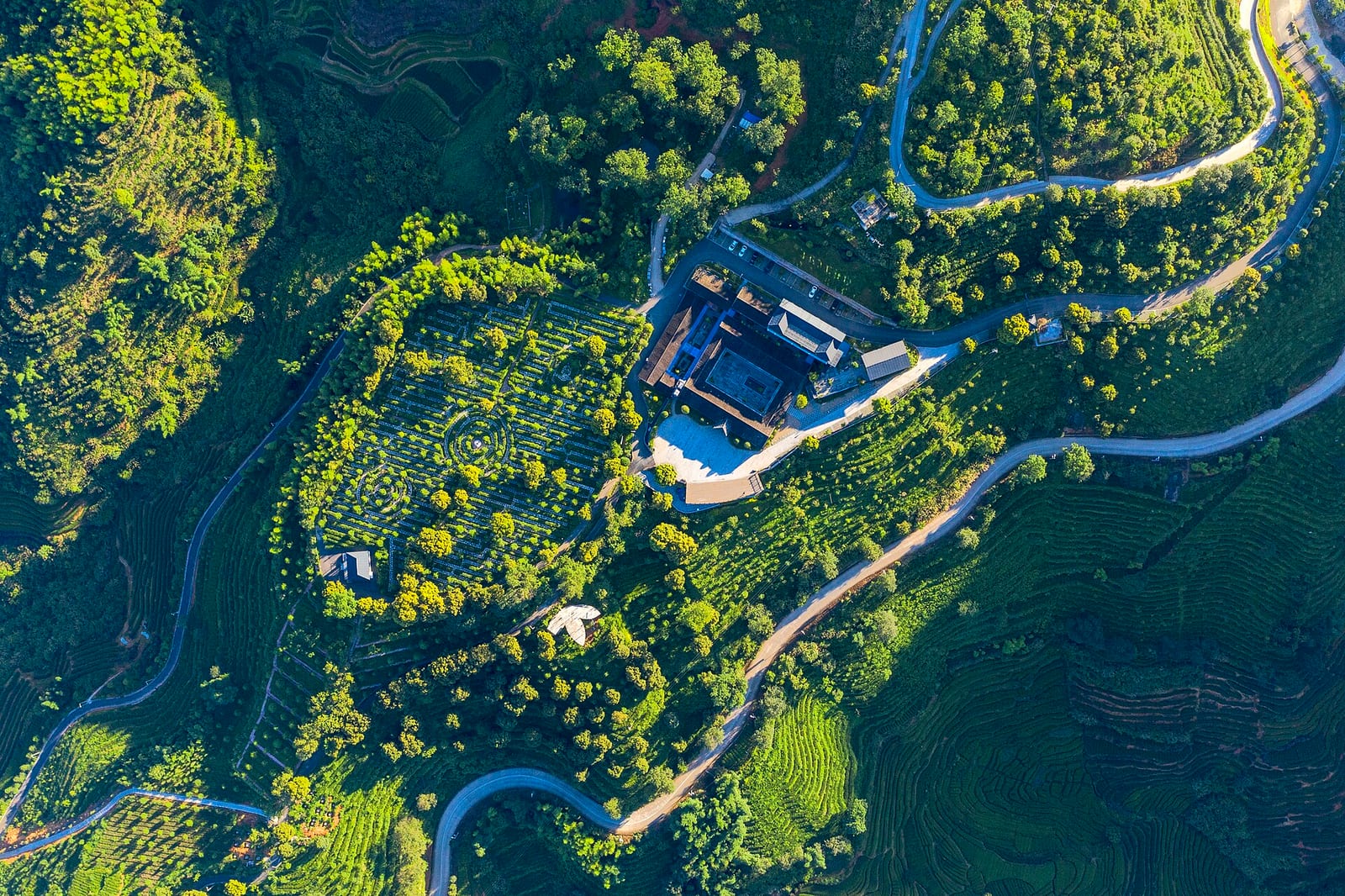
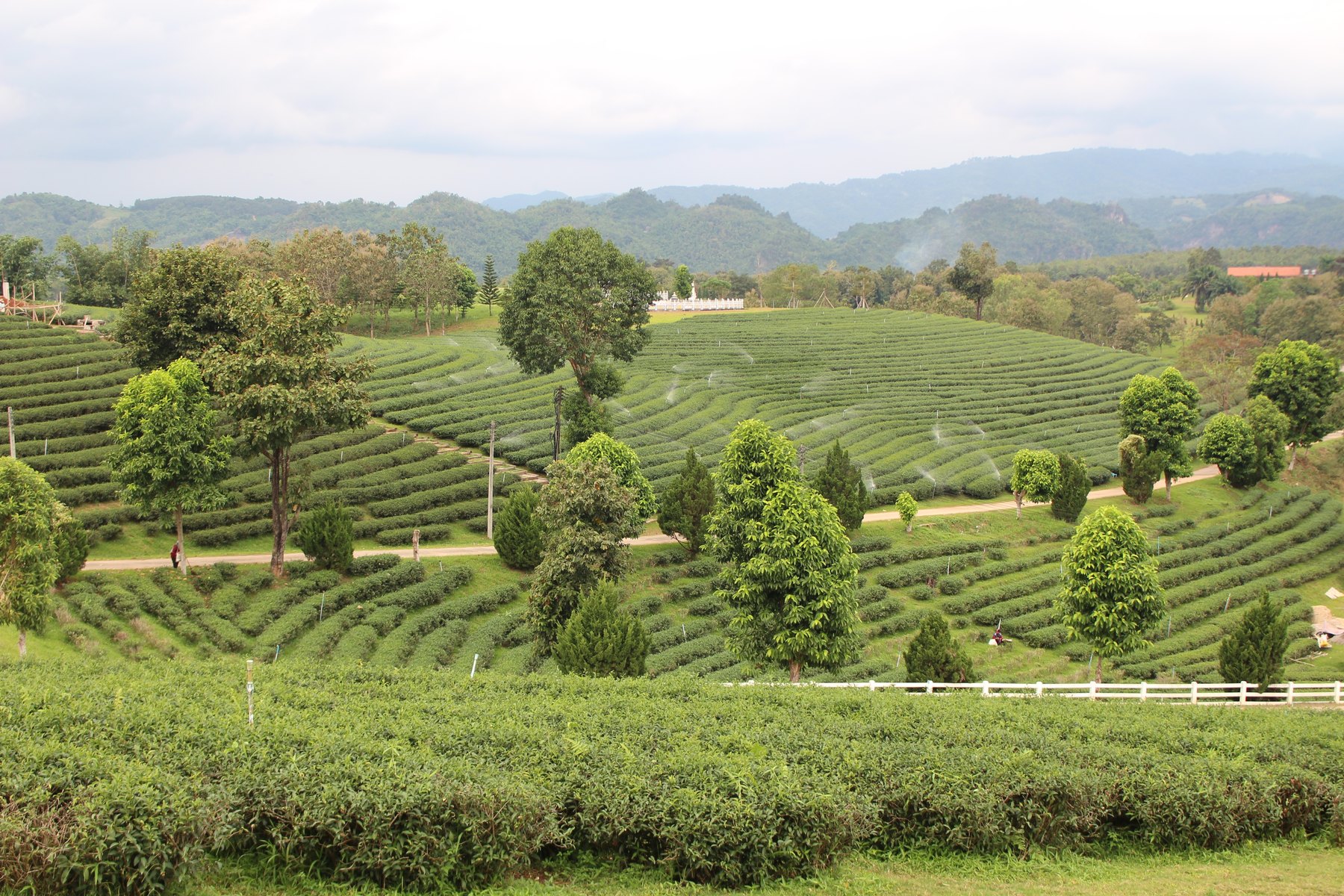
The protected area is the entire administrative area of Anxi county, Fujian. The county government's profile says Tieguanyin is both a cultivar and a product name, originated in Xiping Yaoyang, and is mainly grown in Xiping, Huqiu, Xianghua, Gande and Jiandou.
Anxi is mountainous, with red and lateritic red soils, abundant rain and cloud. The best gardens sit at higher elevation, where slower growth gives thicker leaves and a more concentrated aroma. Lower gardens can produce pleasant tea, but the aroma is usually shorter and the body thinner.
Cultivar and picking
The raw material must be the Tieguanyin cultivar. The standard's picking annex specifies:
- Maturity: after the shoot forms a dormant bud, from small-open face to large-open face.
- Standard shoot: one bud and two to four leaves, including tender tips and tender opposite leaves.
- Season: spring around Grain Rain to the start of summer; summer-summer tea from before the summer solstice to the autumn equinox; autumn/winter tea from before Cold Dew to the start of winter.
- Quality: shoots should be plump, intact, fresh and even.
Picking is by hand or with mechanical assistance. The leaf is then withered — naturally for 3–6 hours, in sunlight for 15–60 minutes, or with warm air on rainy days — until it loses 5–15% of its water.
Craft
Primary processing:
fresh leaf → withering (sun or natural) → cooling → shaking → fixing → rolling → first baking → first wrap-rolling → second baking → second wrap-rolling → drying → maocha.
- Shaking (做青): cooling and shaking alternate three to five times over 10–16 hours. Shaking bruises the leaf edge and starts a controlled oxidation; cooling lets the moisture and aroma redistribute. Light-aroma tea is shaken less than the traditional roasted style, so the oxidation is lighter and the green-floral note stays higher. There is no fixed “15–20%” number in the standard; the maker judges by leaf colour, aroma and elasticity.
- Fixing: 260–300°C, stopping oxidation and fixing the aroma.
- Rolling and wrap-rolling: hot, small loads, gradually increasing pressure, short and fast. The leaf is rolled into strips, then wrapped and rolled repeatedly to form the tight pellet.
- Drying: 60–90°C, slow, to below 7% moisture.
Finishing:
maocha → sorting → grading → screening → air separation → removal of foreign matter → batch blending → pile blending → low-temperature dry → packing.
The low-temperature dry is the step that separates light aroma from roasted aroma. It is not a high-heat roast; it is a gentle final dehydration.
Taste
Under GB/T 19598-2025, light-aroma Tieguanyin is graded special, first, second and third. The special grade requires:
- Shape: plump, tight strips; glossy, clearly sandy-green; even and clean.
- Aroma: high.
- Taste: fresh, mellow, sweet, with a clear “yin rhyme”.
- Liquor: golden, bright.
- Leaf base: thick, soft, bright, even, with a long lingering aroma, red dots or a red edge.
“Yin rhyme” (音韵) is defined in the standard as the combined expression of cultivar aroma, regional aroma, craft aroma and taste. It is not a single perfume note. It is the orchid-cream-floral lift, the mineral freshness, the sweet aftertaste and the cool throat feeling together. A light-aroma tea can have a clear yin rhyme; a thin, grassy tea cannot fake it with aroma alone.
Brewing
- Water: 95–100°C. Oolong needs heat, even in a light-aroma style.
- Leaf: 7–8 g per 120–150 ml gaiwan. The pellets are tight, so use enough.
- Rinse: one quick rinse to open the pellets.
- Vessel: white porcelain gaiwan is best; it lets you smell the lid and see the liquor. Yixing can round the body but may absorb the high floral notes.
- Timing: 5–10 seconds for the first infusions, then lengthen. Do not leave the leaf in water; it turns bitter and loses the clean top notes.
Buying
- Shape: tight, round, heavy pellets; sandy-green and glossy, not dull or grey.
- Aroma: clear orchid or floral-fruit; not perfume, smoke or a heavy roasted note.
- Liquor: golden and bright, not murky or brown.
- Taste: fresh, sweet, with a returning sweetness and a cool finish; not bitter, grassy or throat-locking.
- Leaf base: thick, soft, bright, with red dots or a red edge.
- Label: the geographical-indication mark. The Anxi county government says 145 enterprises were authorised at the time of its interview; scan the code and check the producer.
Light vs roasted vs aged
- Light aroma: high floral lift, golden liquor, fresh and sweet; best for drinkers who like clarity and perfume-like aroma.
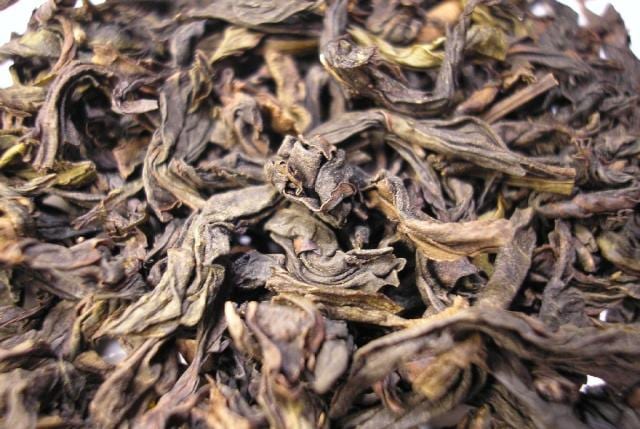
- Roasted aroma: deeper colour, 90–150°C baking, toasted and fruity notes, thicker body; best for drinkers who want warmth and less green edge.
- Aged aroma: five years or more, orange-red liquor, aged wood and dried-fruit notes; a different pleasure altogether.
None is the “real” Tieguanyin. The real question is whether the tea is clean, well made and pleasant to you.
History and standards
The old page dated light-aroma Tieguanyin to the 1990s and claimed it once held “over 80% of the market”. No official source was found for those figures, so they are not repeated here. What is verifiable: Anxi Tieguanyin has a long cultivar and production tradition; it is a geographical-indication product; and GB/T 19598-2025, implemented in September 2025, now defines light-aroma, roasted and aged types in one national standard.
Status
This English entry is an independent editorial rewrite, not a sentence-by-sentence translation. It uses GB/T 19598-2025 for the classification, process and sensory grades, the Anxi county government's 2025 interview for the standard date, authorised-enterprise count and quality description, and the county profile for the cultivar/product-name relationship and main growing towns. Exact oxidation percentages, market-share claims and health warnings from the old page were removed. The page is marked reviewed; sources and wording will continue to be revised.