Extent
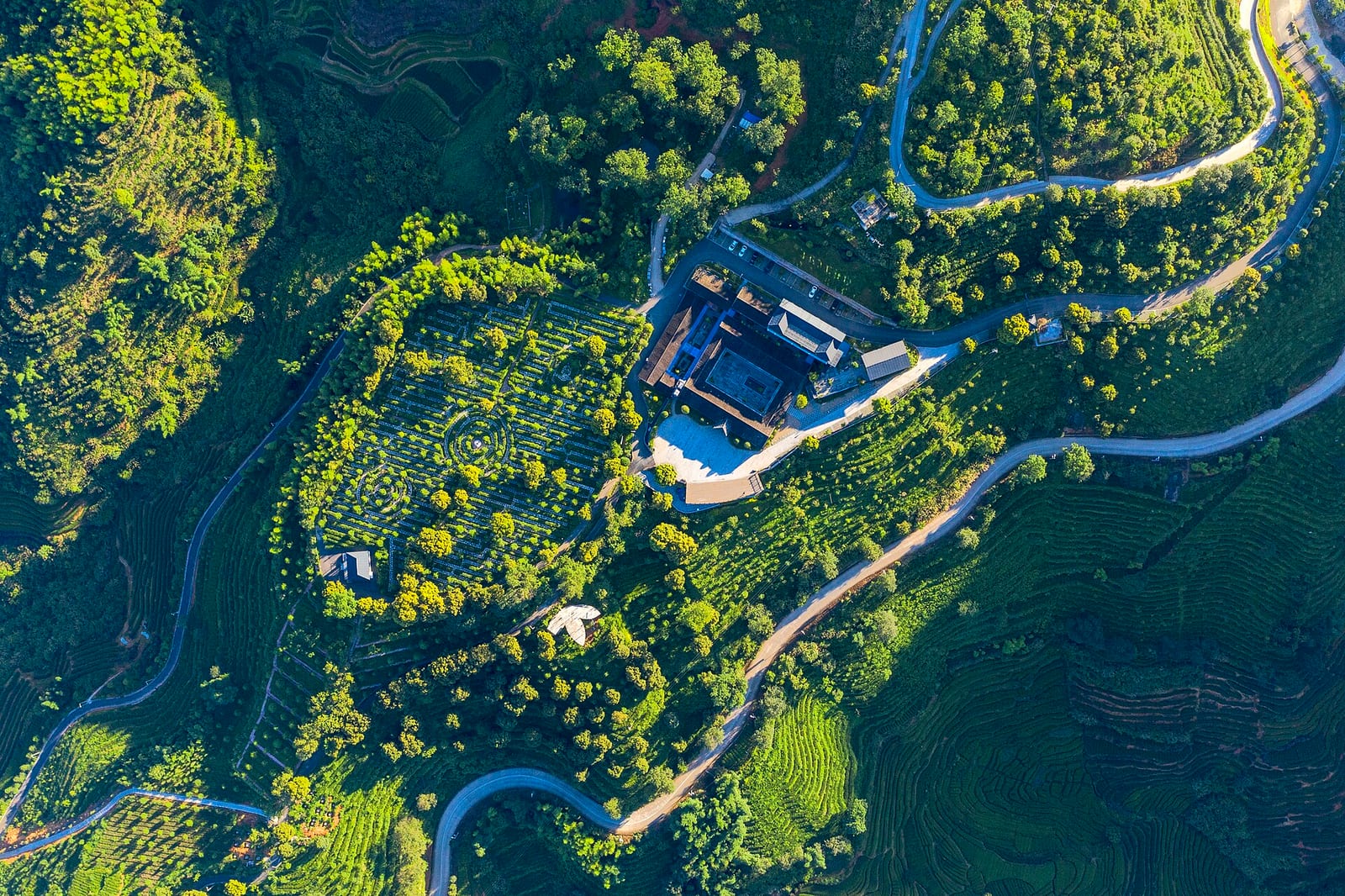
Anxi lies in south-eastern Fujian and is a core Tieguanyin production area. Xiping, Xianghua, Gande and Jiandou are often cited as representatives of different styles; altitude, aspect, soil, cultivar and shaking practice create differences. “Anxi Tieguanyin” is a protected product name, with origin, cultivar and processing requirements defined by GB/T 19598-2025; not every garden in Anxi County automatically qualifies.
Environment
Anxi is mountainous and hilly, with gardens on slopes several hundred metres above sea level. Red and yellow soils, mist, day–night temperature differences and drainage affect leaf growth. Site microclimate changes aroma and body, but “high mountain” or “orthodox flavour” are not uniform grades. Garden management, picking standard, shaking and roasting also matter.
Cultivar and products
Tieguanyin is both a cultivar name and a commercial tea name. Tea made from the cultivar is not always sold as “Tieguanyin”; products labelled “Tieguanyin” may use different cultivars, origins and processes. Anxi Tieguanyin commonly has light-aroma, strong-aroma and aged styles: light aroma is lightly oxidised and roasted; strong aroma is roasted for a riper taste; aged tea has been stored and may develop woody or medicinal notes. These are styles, not three cultivars.
Processing
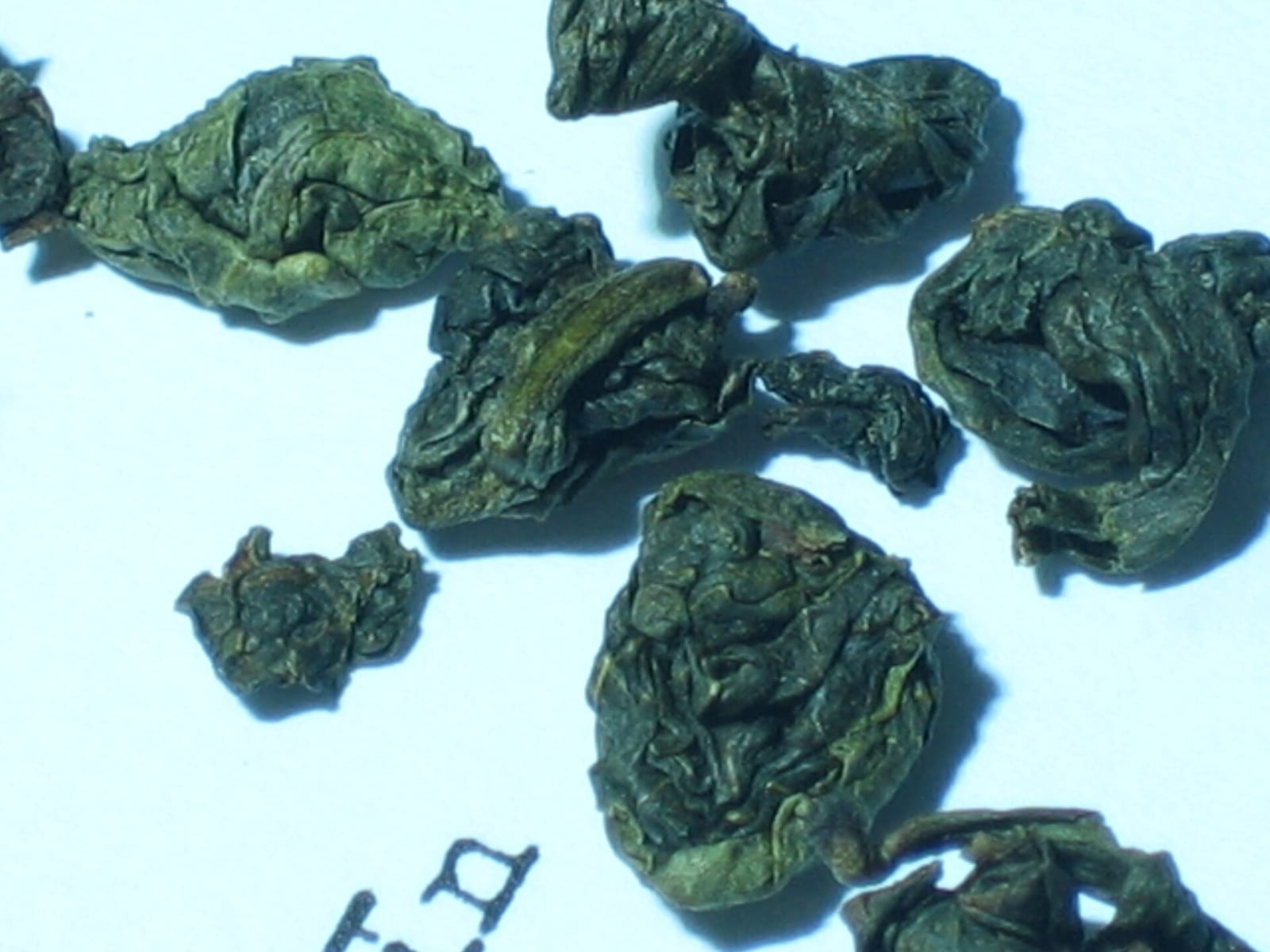
Traditional processing includes sun withering, cooling, shaking, fixation, rolling, wrapped rolling and drying. Shaking determines aroma direction, wrapped rolling forms the pellets, and roasting affects roasted character and keeping quality. Light-aroma tea emphasises floral notes and freshness; strong-aroma tea uses roasting for a riper body. Shaking frequency, oxidation level and roasting temperature vary by factory and product.
Quality and flavour
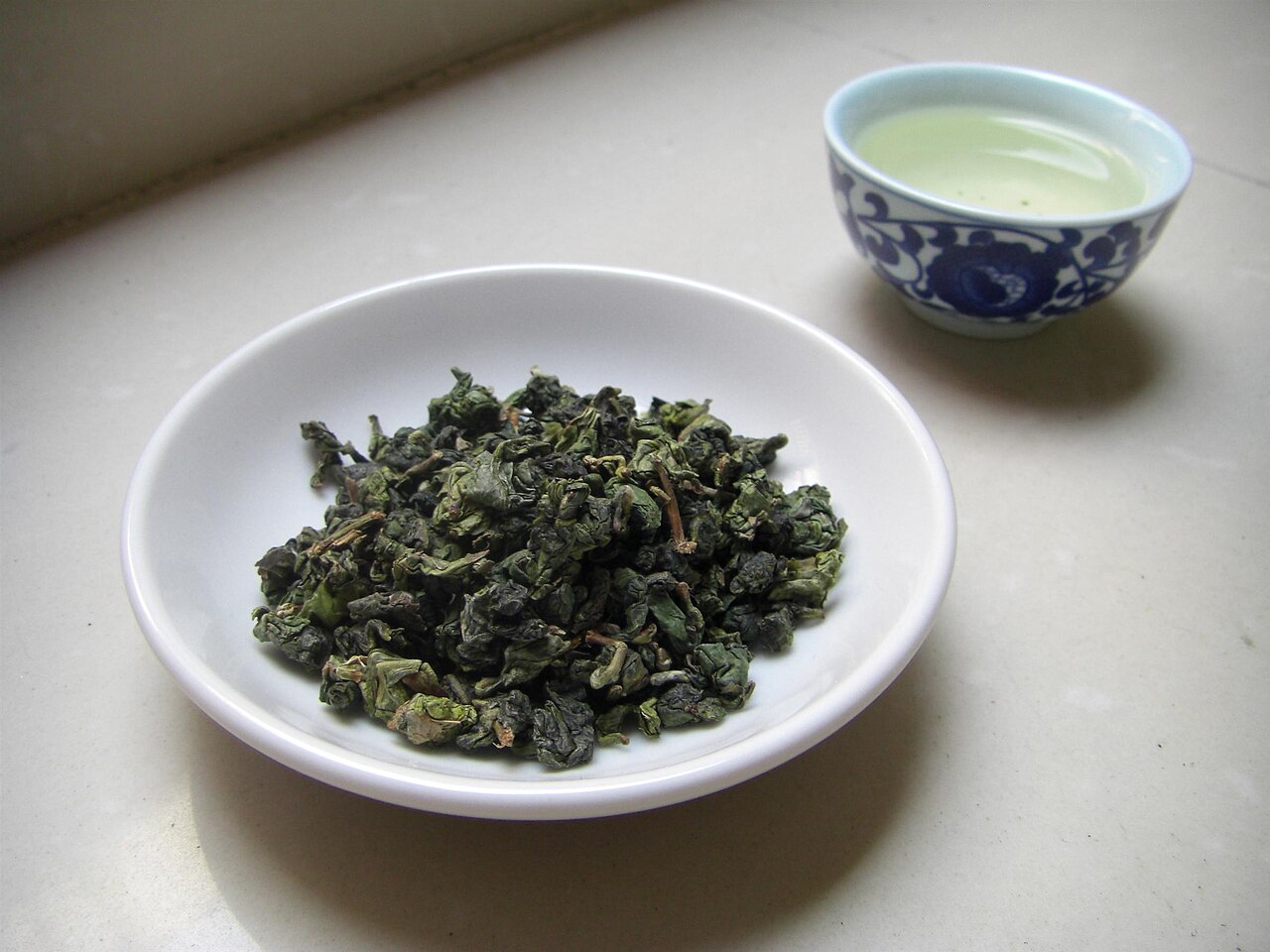
Light-aroma Tieguanyin often has orchid, creamy or sweet notes, a pale yellow to golden liquor and a fresh taste. Strong-aroma tea is darker, with roasted aroma and a fuller body. Aged tea depends on clean, stable storage. Good Tieguanyin should show clear cultivar and processing aromas, not perfume, char or mould.
History and boundaries
Tieguanyin gained commercial repute in Anxi during the Qing and expanded with the oolong market in the late twentieth century. Specific origin dates, discoverers and the “Guanyin dream” story are local tea-history narratives; they should be checked against gazetteers, genealogies and research. Anxi Tieguanyin traditional processing is on China’s national intangible heritage list; protected status and product standards should follow current announcements.
Common misconceptions
- Tieguanyin is not a green tea. It is an oolong; light aroma is simply lighter oxidation and roasting.
- Light aroma does not mean unoxidised. The leaf still undergoes shaking and partial oxidation.
- Is every Anxi tea Anxi Tieguanyin? No. The protected product has origin, cultivar and processing requirements.
- “Aged aroma” needs clean storage. Damp, odorous or mouldy tea does not improve with age.
Sources
- GB/T 19598-2025, Geographical indication product quality requirements — Anxi Tieguanyin.
- GB/T 30357.2-2013, Oolong tea — Part 2: Tieguanyin.
- Legacy Anxi tea record, retained for provenance.
This page is an AI-edited translation based on the reviewed Chinese source. It is not a human-expert endorsement.