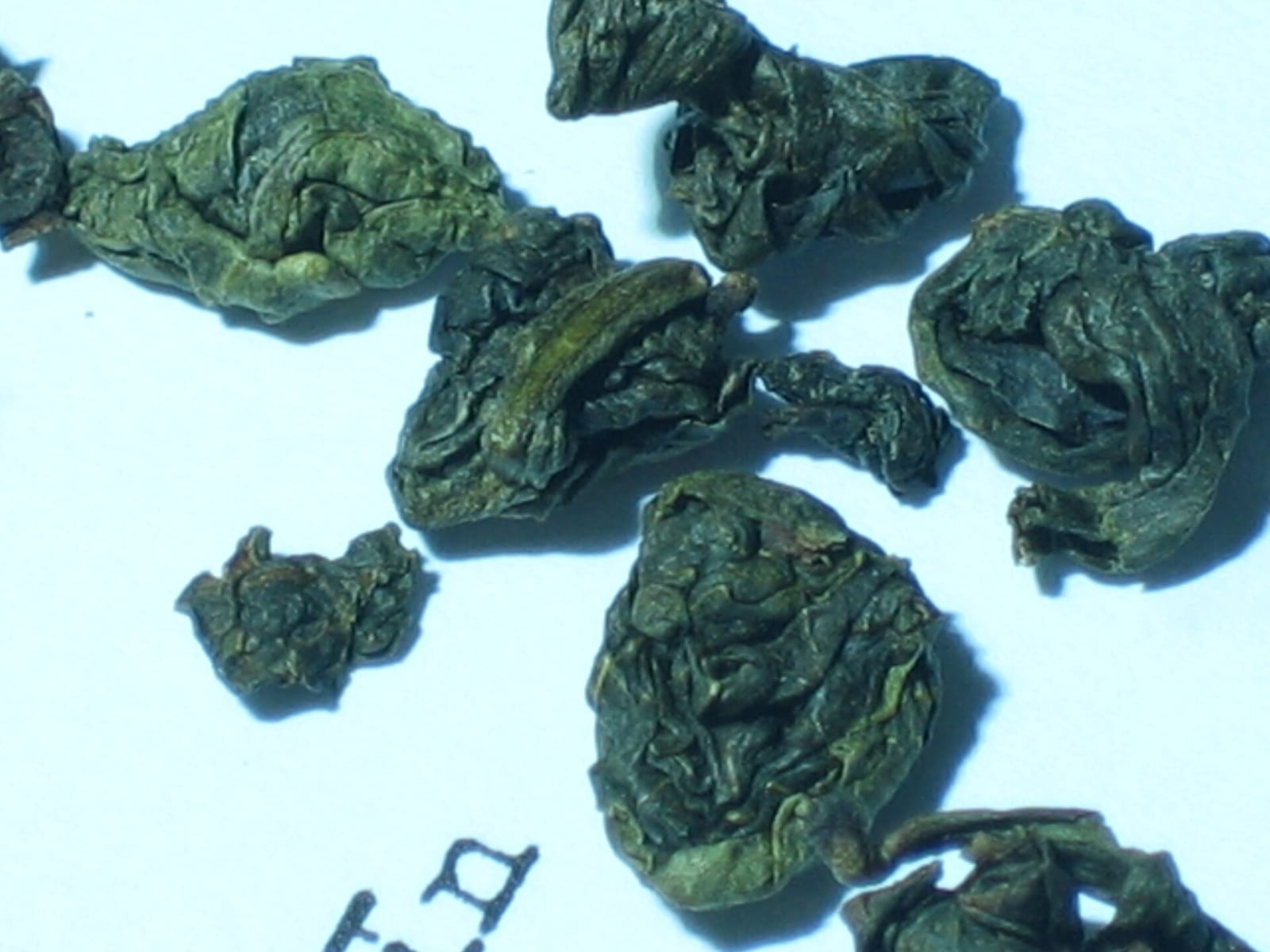
Name and identity
Tieguanyin is both a tea cultivar name and a common commercial tea name. Tea made from the Tieguanyin cultivar is not always sold as “Tieguanyin”, and products labelled “Tieguanyin” may come from different cultivars, origins and processes. The protected product “Anxi Tieguanyin” further defines the origin, cultivar and traditional processing; the three should not be treated as synonyms.
Origin
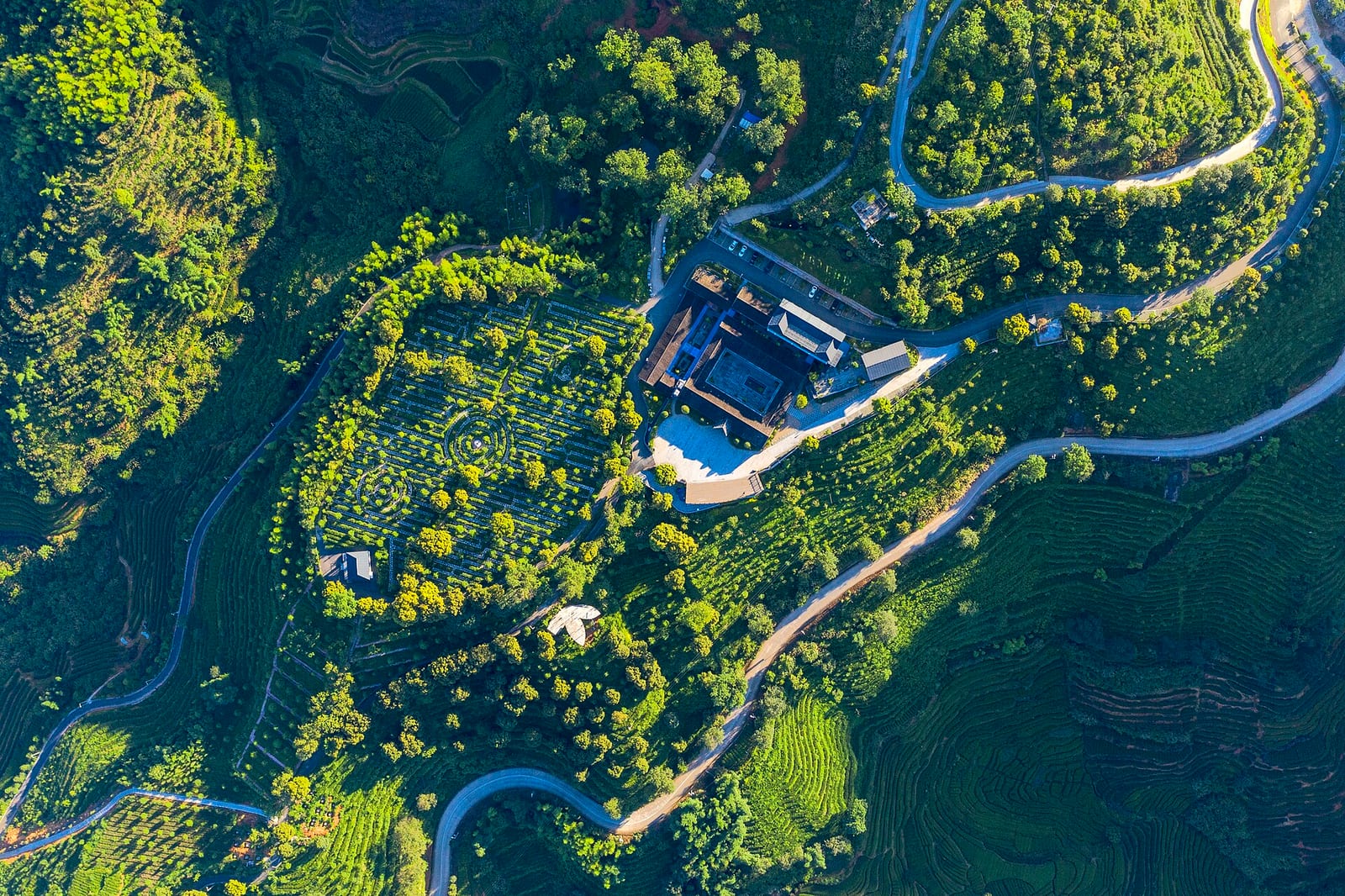
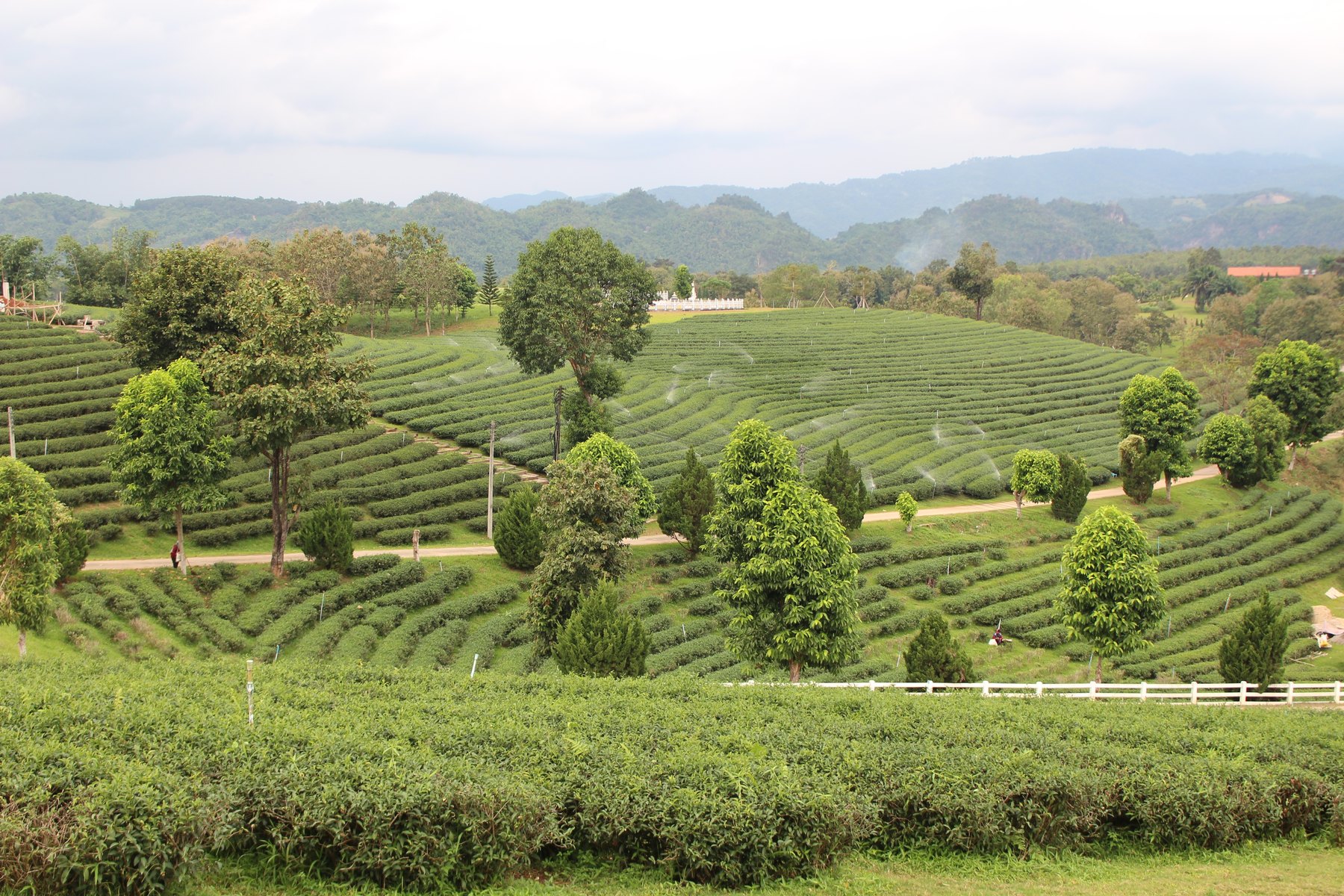
The core production area is Anxi, Fujian. Xiping, Xianghua and Gande are often cited as representatives of different styles, but site, altitude, soil and shaking technique all change aroma and taste. Tea is also grown outside Anxi, but it cannot automatically be called “Anxi Tieguanyin” protected product. Check the origin, standard, cultivar and producer on the label, not only the name.
Cultivar and processing
The Tieguanyin cultivar has relatively thick leaves and plump buds, suitable for semi-oxidised oolong. Traditional processing includes sun withering, cooling, shaking (做青), fixation, rolling, wrapped rolling and drying. Shaking determines the aroma direction, wrapped rolling shapes the pellets, and roasting affects the roasted character and keeping quality. Factories vary in shaking frequency, oxidation level and roasting temperature.
Styles
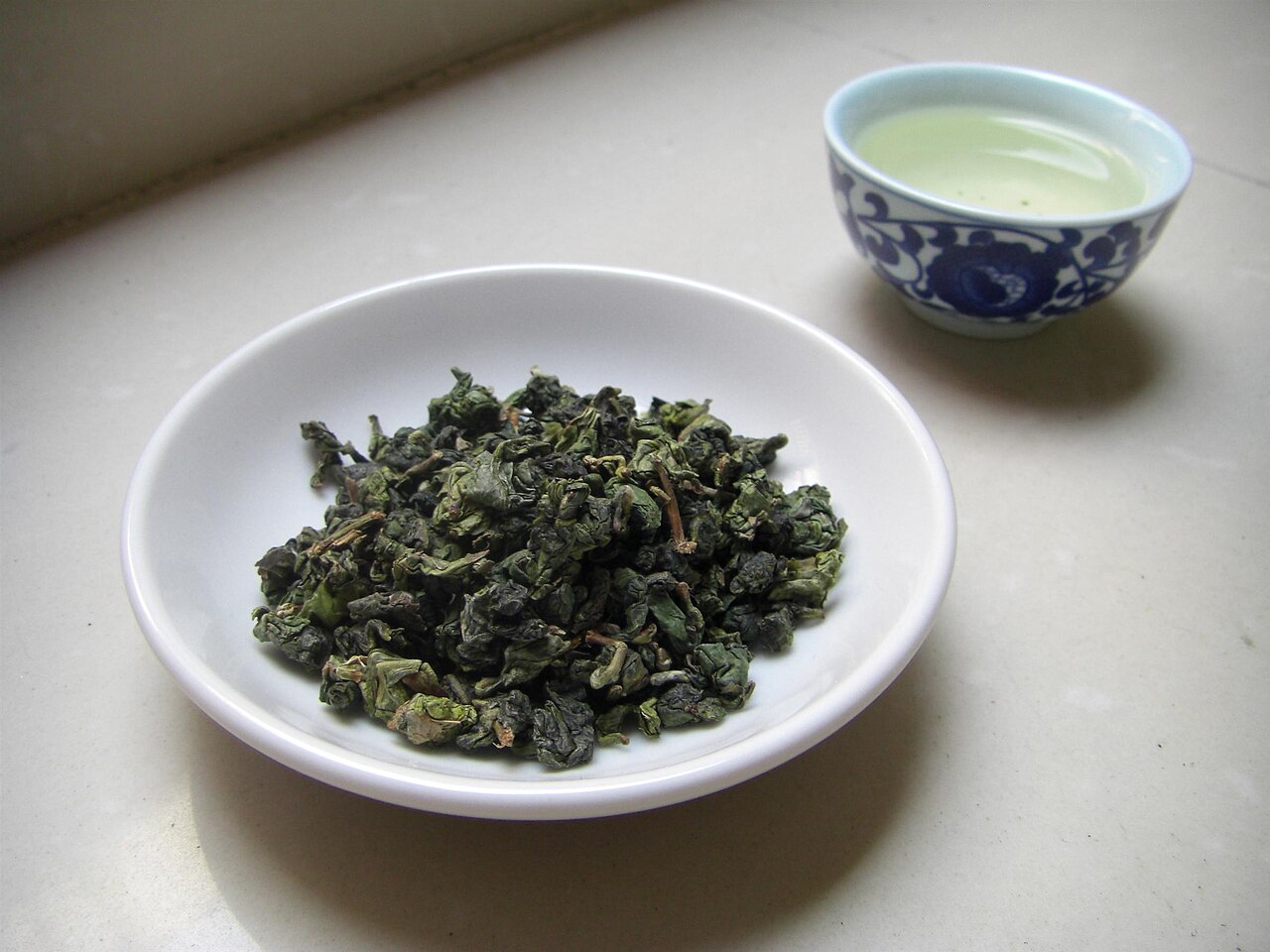
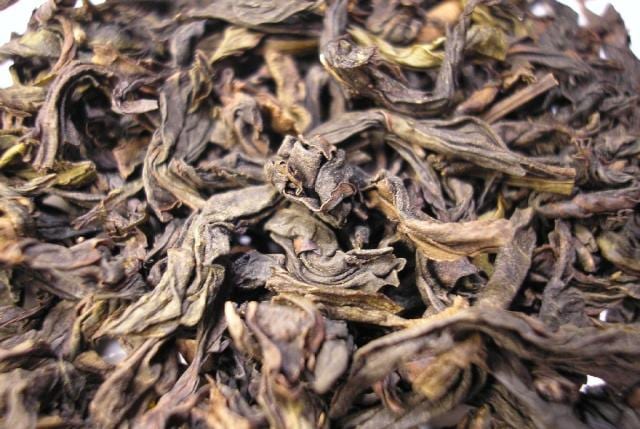
The market commonly distinguishes light-aroma, strong-aroma and aged styles. Light-aroma tea is lightly oxidised and roasted, with a bright aroma and pale liquor; strong-aroma tea is roasted, with riper, nutty, fruity or fire notes; aged tea has been stored for a period and may develop woody or medicinal notes. They are not three cultivars, but different combinations of material, processing and storage. The current national standard defines product classification and technical requirements; check the standard text for exact names and indices.
Quality and flavour
Light-aroma Tieguanyin often has orchid, creamy or sweet notes, a pale yellow to golden liquor, a fresh taste and a clear finish. Strong-aroma tea is darker, with more roasted aroma and a fuller body. Aged tea depends on clean, stable storage; “aged” is not automatically “better”. Good Tieguanyin should show clear cultivar and processing aromas, not perfume, char or mould.
Brewing
Use a gaiwan or small pot with water around 95–100°C and short infusions. Light-aroma tea should not be left to stew; strong-aroma tea can take slightly longer. Adjust leaf quantity and time to the tea. Tieguanyin is an oolong, not a green tea; “light aroma” does not mean unoxidised.
Common misconceptions
- Tieguanyin is not a green tea. It is an oolong, even when the light-aroma style looks green.
- Light aroma does not mean no oxidation. The leaf still undergoes shaking and partial oxidation.
- Aged aroma needs clean storage. Damp, odorous or mouldy tea does not improve with age.
- Cultivar, commercial name and GI are different. Check origin, cultivar and standard when buying Anxi Tieguanyin.
Related entries
- Light-aroma Tieguanyin
- Muzha Tieguanyin — a Taiwan Muzha production (Chinese entry available)
- Anxi production area
Sources
- GB/T 19598-2025, Geographical indication product quality requirements — Anxi Tieguanyin.
- GB/T 30357.2-2013, Oolong tea — Part 2: Tieguanyin.
- Legacy migration record, retained for provenance.
This page is an AI-edited translation based on the reviewed Chinese source. It is not a human-expert endorsement; standard clauses and origin details should be checked before formal publication.