What it is
Zhengshan Xiaozhong is a Souchong black tea from the Tongmu Pass area of Wuyishan, Fujian. “Zhengshan” is a traditional origin term, usually referring to Tongmu Pass and nearby high-mountain gardens; “Xiaozhong” is associated with the local small-leaf tea and product type. It is often described as one of China’s earliest black teas to reach Europe, but “all the world’s black tea originated from Zhengshan Xiaozhong” is an overgeneralisation; the origin and spread of black tea are still debated.
Origin and cultivar
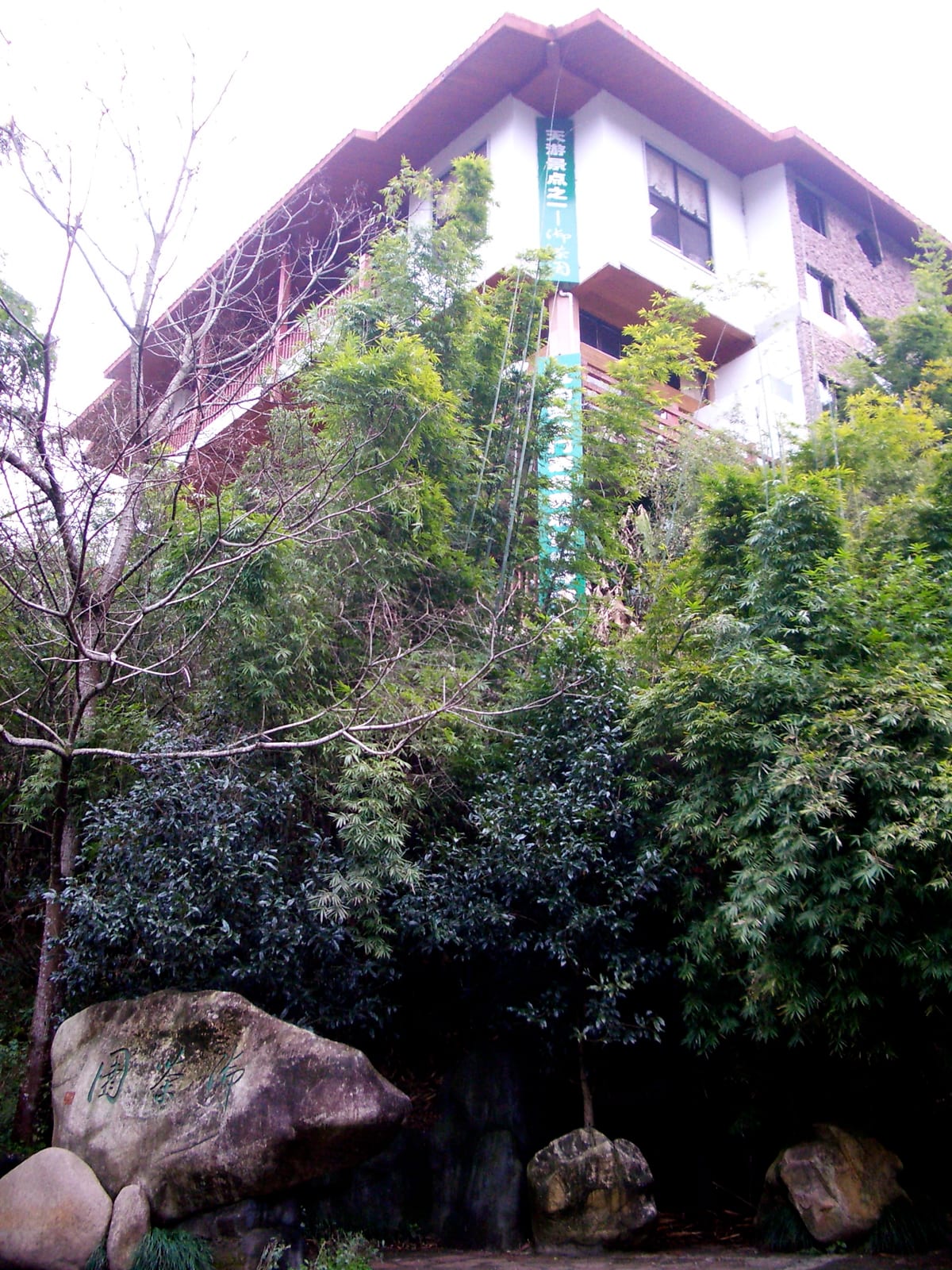
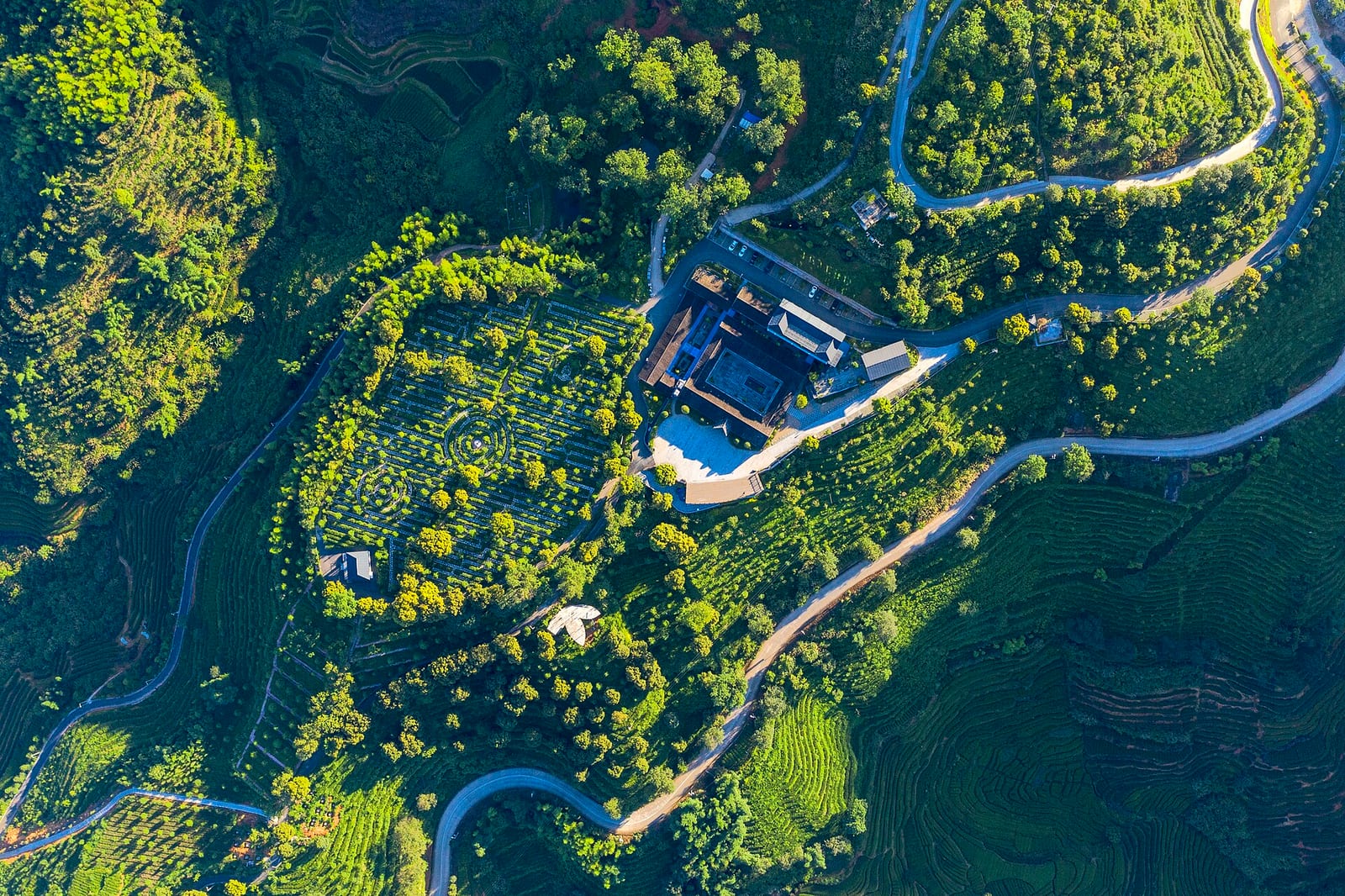
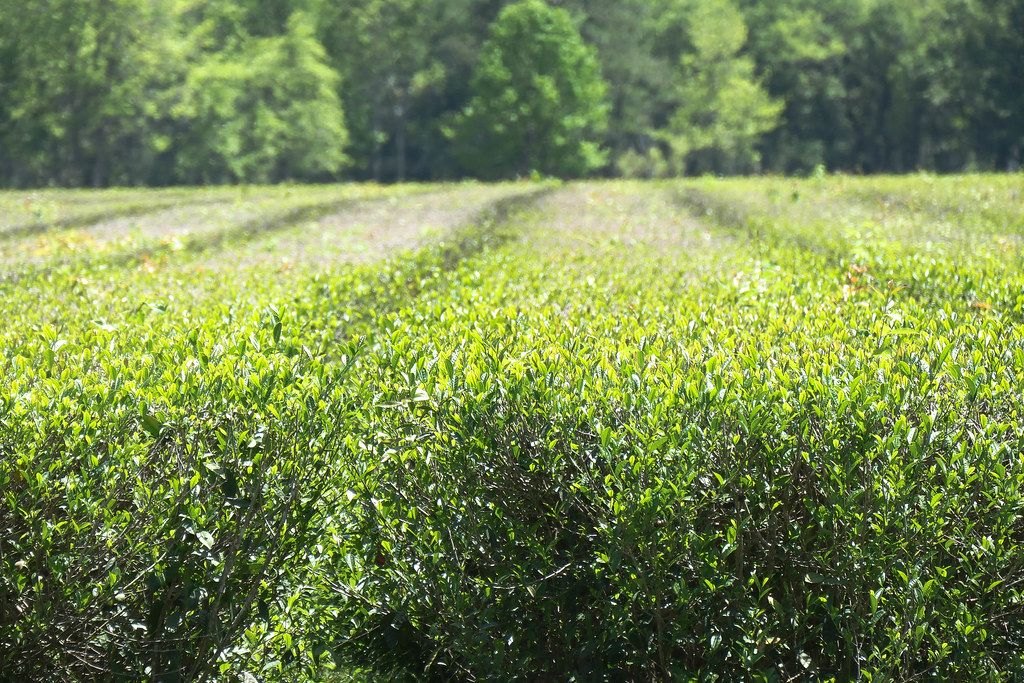
The traditional core is Tongmu Pass in Wuyishan, near the Wuyi Mountain national nature reserve. Local population cultivars (菜茶) are the traditional material, with relatively small leaves and rich composition. Souchong black tea is also made outside Tongmu, but not all can be called “Zhengshan Xiaozhong”; GI products have specific origin requirements. Check origin, standard and producer on the label.
Processing
Traditional Zhengshan Xiaozhong goes through withering, rolling, fermentation, “passing the red pan” and pine-smoke drying. Pine-smoke drying creates the pine aroma and longan-like sweetness, usually with pine wood or smoke; modern products may reduce or omit smoking. Smoke level, wood type, roasting time and leaf grade change the style. Jinjunmei is a bud-only black tea developed from the Zhengshan Xiaozhong tradition, but it is a different product.
Quality and flavour
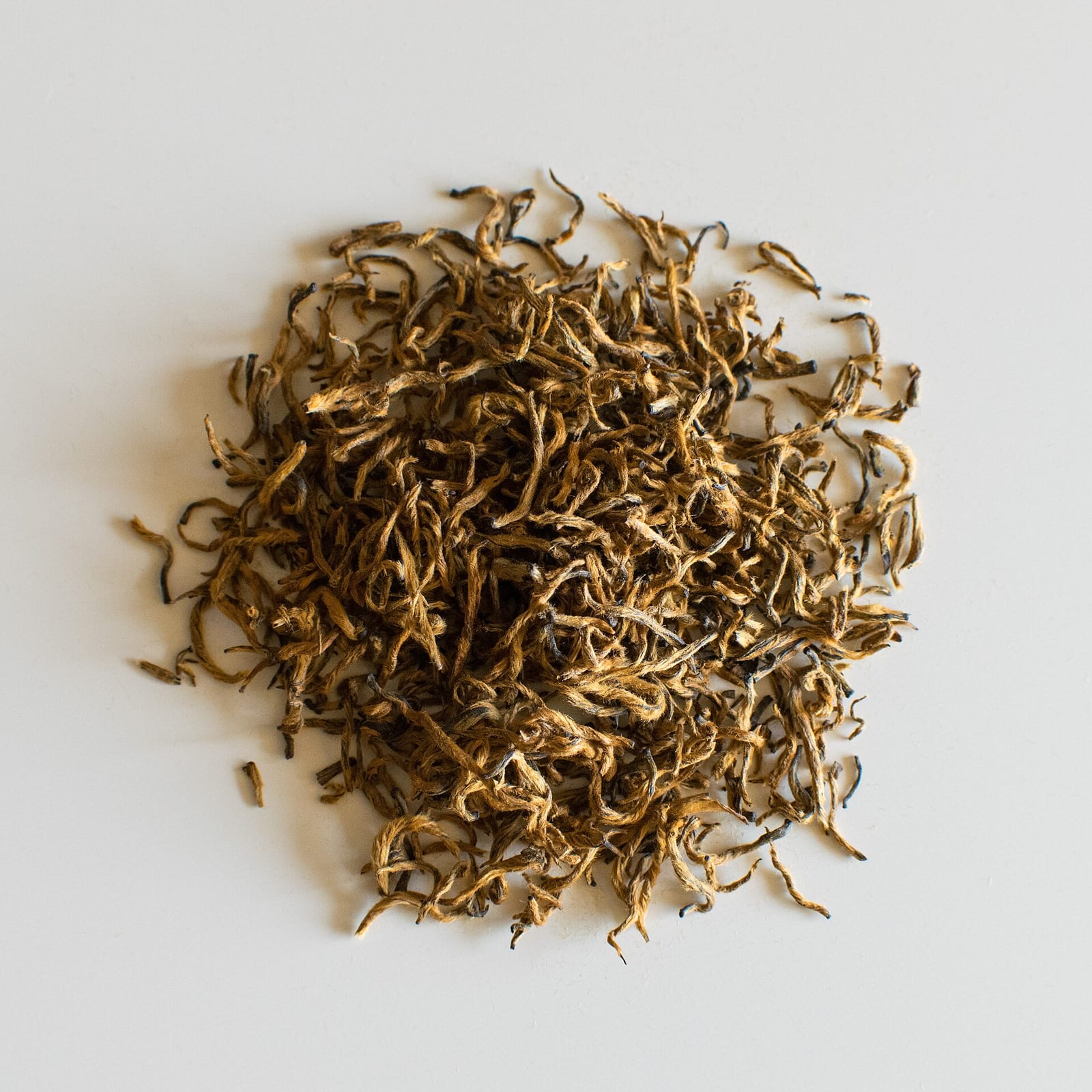
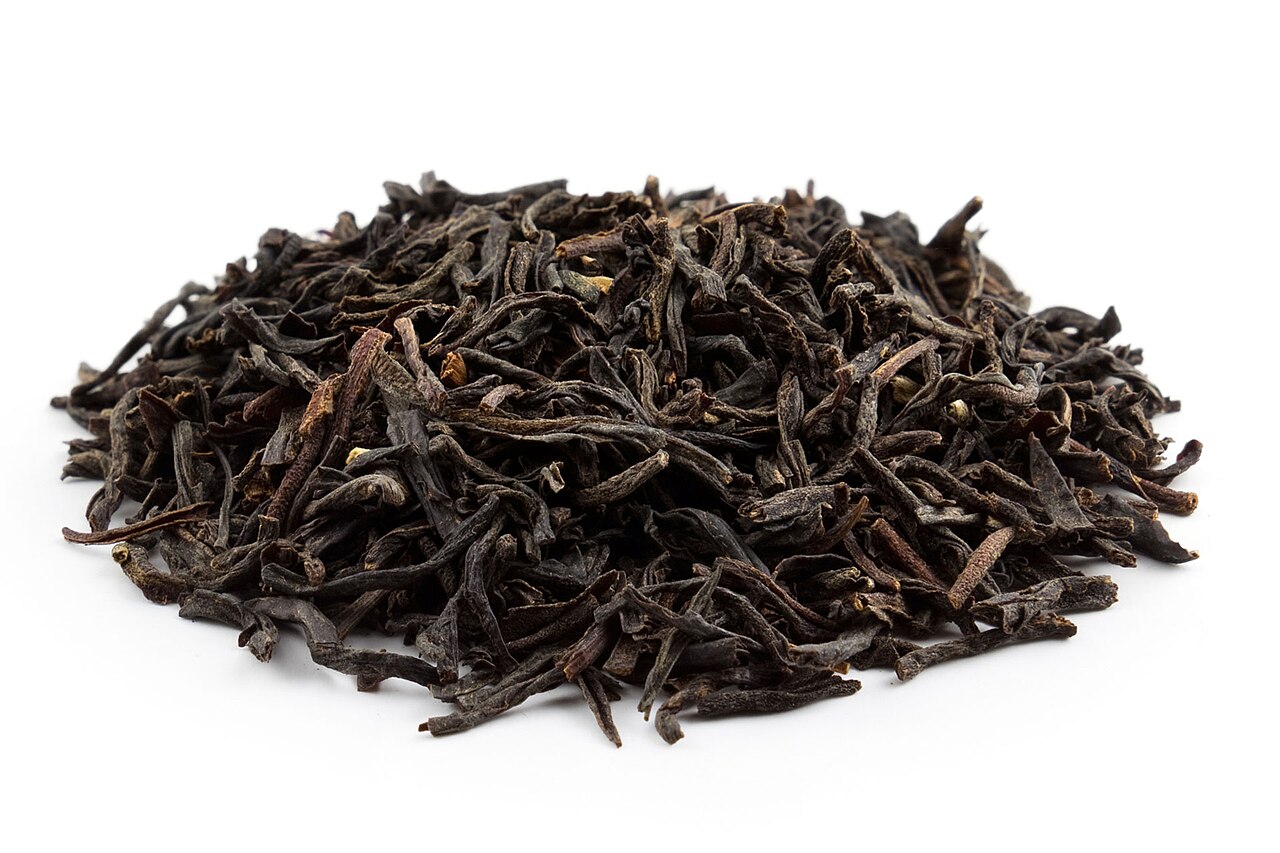
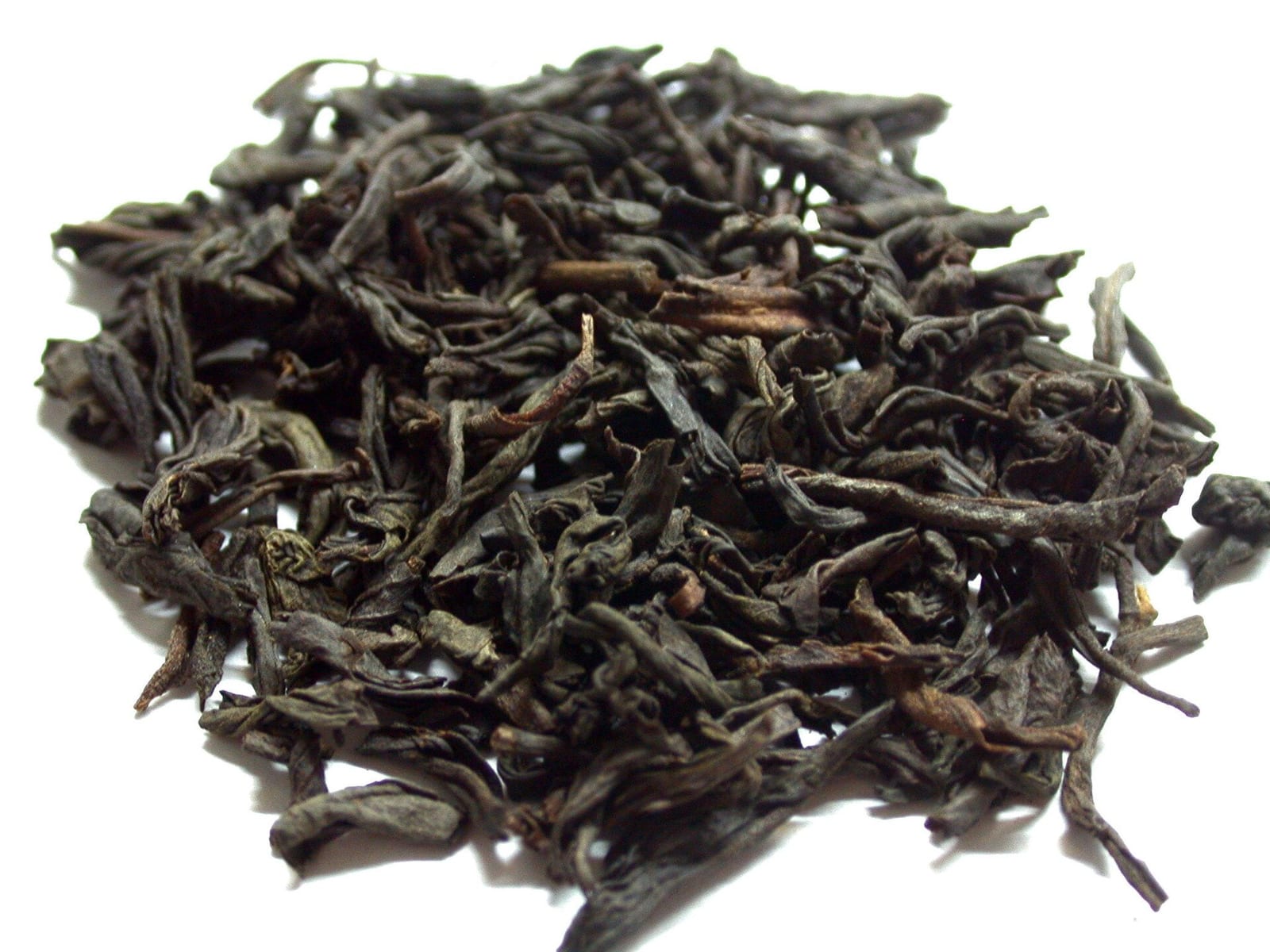
Dry leaves are tightly rolled and dark. Traditional smoked tea has a deep red liquor with pine smoke, dried longan and woody notes, and a mellow sweet taste. Unsmoked or lightly smoked products show more floral and sweet notes. Smoke is not “the heavier the better”; char, pungency or smoke that hides the tea usually indicates poor control.
History and boundaries
Zhengshan Xiaozhong entered European trade around the seventeenth century and is often mentioned in early China–Britain tea history. The old story of soldiers sleeping on tea leaf and causing accidental fermentation is local legend, not established origin. The English name Lapsang Souchong also has multiple explanations and should not be reduced to one dialect transliteration. The 2002 GI protection and Wuyi black-tea local standards should be checked against announcements and standard texts.
Common misconceptions
- Not all Zhengshan Xiaozhong is heavily smoked. Traditional smoked tea is one style; unsmoked and lightly smoked products exist.
- “Zhengshan” is not all Wuyi black tea. It refers to the traditional core origin; GI products have a specific area.
- “The ancestor of all black tea” needs qualification. It is an important early black tea, but a slogan is not tea history.
- Heavy smoke is not necessarily good. Char, pungency and smoke that mask the tea are not virtues.
Sources
- GB/T 13738.3-2012, Black tea — Part 3: Souchong black tea.
- DB35/T 1228-2015, Geographical indication product — Wuyi black tea.
- Legacy Fujian tea record, retained for provenance.
This page is an AI-edited translation based on the reviewed Chinese source. It is not a human-expert endorsement.