One-line identity
Assam is the benchmark for “strong black tea”. It does not win on floral aroma; it wins on body, malt sweetness and the ability to stand up to milk. The useful way to understand Assam is through its river-valley terroir, its large-leaf plant material and the two processing routes, orthodox and CTC.
Place and terroir
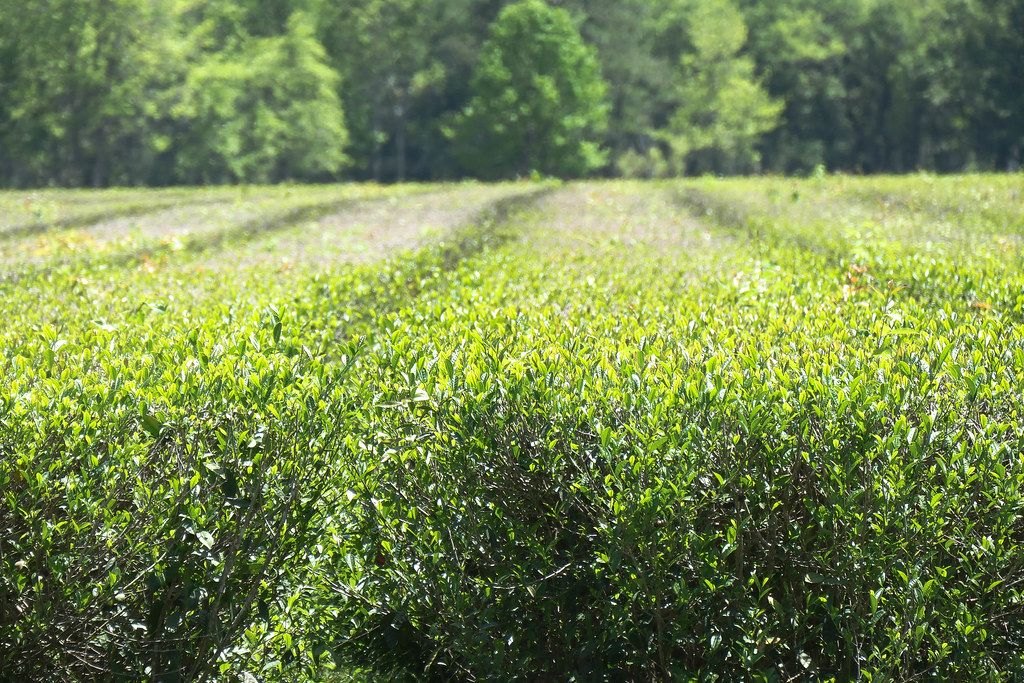
Assam sits in India’s northeast, with the Brahmaputra running west across the state. The Tea Board of India gives garden elevations of only 45–60 m and annual rainfall of 250–380 cm: a hot, humid tropical valley. River alluvium builds deep, fertile, well-drained soil, and tea grows fast. The result is fat buds, high polyphenol levels and a liquor with obvious strength.
That is the opposite of Darjeeling’s cool high-altitude delicacy, and different again from Nilgiri’s floral highland style. Assam is not a “fine” region in the porcelain-cup sense. Its value is power and compatibility with milk, spice and sugar.
The Tea Board describes Assam as the world’s largest contiguous tea-growing area. That is a statement about scale, not a guarantee that every garden is equal. Within the valley there are real differences: low riverside gardens tend to give volume and strength; slightly raised, better-drained gardens give cleaner aroma. A named garden and invoice number tell you more than the word “Assam”.
Plant and two processing routes
Assam’s main material is the large-leaf Assam type, Camellia sinensis var. assamica: bigger leaves, fatter buds, higher polyphenols. After oxidation it gives a deep red liquor and a strong, malty cup. The Tea Board notes that the Tocklai Experimental Station carries out clonal propagation and continuous research, which is why much of today’s Assam is selected planting material rather than wild seed.
Assam makes two kinds of tea:
- CTC (crush–tear–curl). Withered leaf passes through toothed rollers that crush, tear and curl it into pellets, then oxidises and dries. It extracts fast, gives high colour and strength, and is the base of most tea bags and breakfast blends.
- Orthodox. Withered, rolled, oxidised and dried while keeping the leaf strip. Aroma is clearer, malt sweetness finer, and it can be brewed as a single-origin tea. Assam orthodox is a registered GI.
“CTC is cheap tea” is too simple. CTC is a process aimed at fast, consistent, strong extraction. It can be excellent everyday tea or cheap dust made from coarse leaf. Raw material, oxidation control and drying decide quality, not whether the leaf was broken.
Flavour and brewing
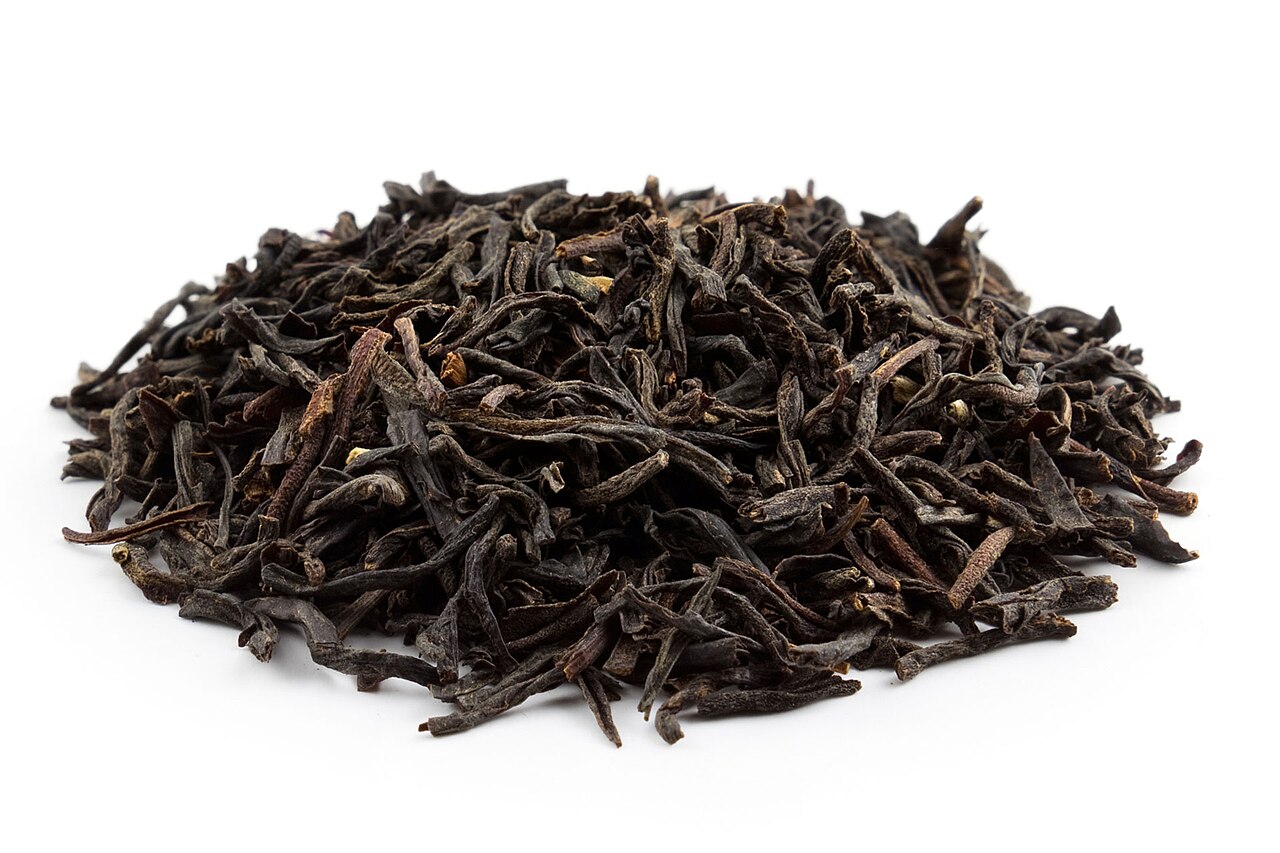
Dry leaf is usually dark brown to black: tight pellets for CTC, wiry strips for orthodox, with golden tips on better orthodox grades. The liquor is deep amber to reddish-brown. Aroma is malt, toast, ripe fruit and a little earthy warmth. The entry is strong, tannin is firm, and the finish is sweet, often with caramel or nut notes.
Brewing suggestions:
- CTC. Boiling water, 3–5 g per 200 ml, 3–5 minutes. For milk tea, brew strong enough that the milk does not erase the tea.
- Orthodox. 90–95°C, 3–4 g per 200 ml, about 3 minutes. Good first- or second-flush leaf can go 2–3 minutes to keep malt sweetness ahead of bitterness.
- Cold brew. CTC extracts slowly in cold water; rinse with hot water first or extend the cold-steep time.
Do not judge Assam by “high aroma”. Judge body, malt sweetness and structure. A thin cup, or one that tastes only bitter with no sweetness, or one that disappears under milk, points to raw material or blending problems.
Grades and buying
CTC grades are usually BOP, BP, PF and PD, sorted by particle size. Finer particles extract faster and give more strength but usually less aroma and layering. Orthodox grades include GFOP, TGFOP and FTGFOP1; more tips and a more complete strip generally mean a higher grade.
When buying, check:
- Process. CTC and orthodox are different drinks, not quality levels.
- Flush. Assam orthodox second flush is often praised for balancing aroma and strength; monsoon tea is strong but coarser.
- Garden. A single-garden invoice is more informative than a generic “Assam”.
- Freshness. Black tea oxidises and loses aroma. Keep it sealed, dark and cool, and finish within about a year.
History and industry
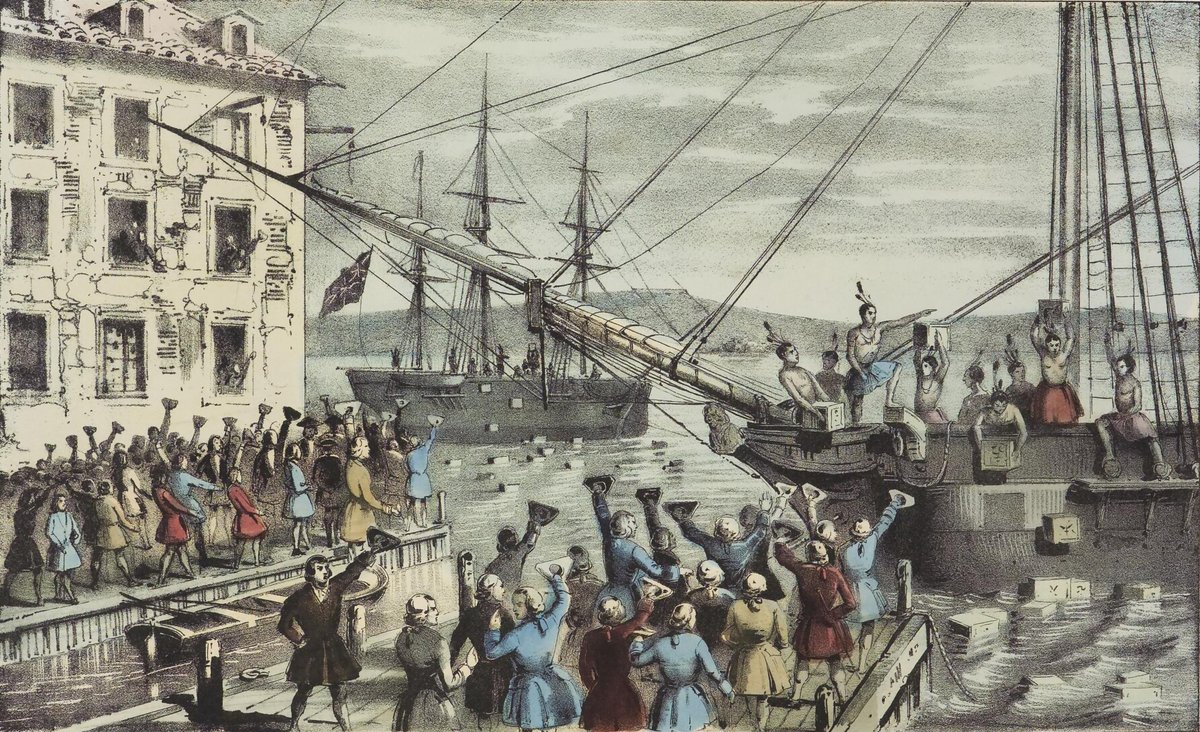
Assam’s commercial tea industry expanded in the nineteenth century with colonial trade, but the old page’s “Robert Bruce discovered wild tea in 1823” and “the first Assam lot caused a sensation in London in 1839” are not supported by the official sources used here. What is solid: Assam is today one of India’s most important black-tea regions, the Tocklai research station has operated since 1911, and CTC became the volume process for mainstream Assam in the mid-twentieth century.
Sources and status
This page relies on the Tea Board of India’s Assam page and the Indian Tea Association’s regional material. The Tea Board supports geography, elevation, rainfall, processing, GI status and flavour; the association supports the Tocklai 1911 date. Legacy claims such as the “dragon-blood tea tree” legend, “tea’s Hermès”, “one cup is a thunderclap of caffeine”, and unverified output, price and history details have been removed. All migrated pages are currently marked reviewed, but sources and wording will continue to be revised.