What American Classic Tea is
American Classic Tea is the flagship black tea of Charleston Tea Garden on Wadmalaw Island, South Carolina. It is made exclusively from tea grown in the United States. That is the product's identity; it is not a cultivar name, a protected appellation or a generic term for “Charleston-style” tea.
The garden's own wording is careful: it calls American Classic “the only brand of tea in the world that is made exclusively with 100% tea grown in America.” Treat that as the garden's brand claim, not as an independent ranking. The narrower, verifiable statement is: a black tea made entirely from U.S.-grown leaf, processed and packed at Wadmalaw Island.
This distinction matters because the old machine draft turned the product into a set of superlatives: the largest, the oldest, the only tea garden, a specific CTC/Orthodox process, a Tea Lady legend, a White House designation. Some of those may be interesting stories, but the official pages used here do not establish them. The page keeps what the garden actually publishes.
Wadmalaw Island: 127 acres, 320+ varieties
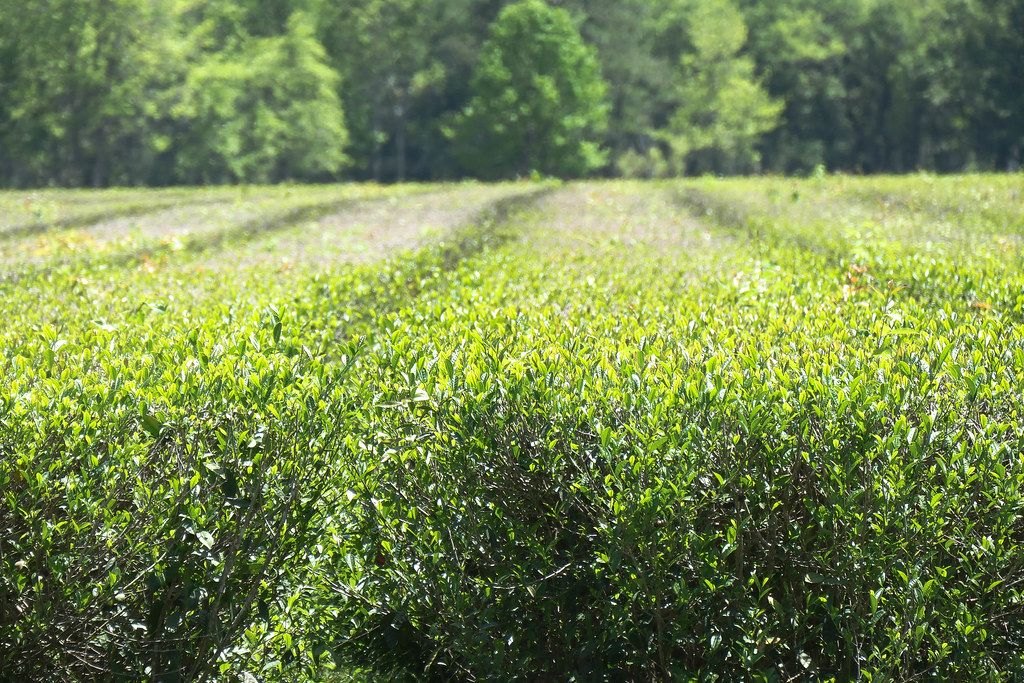
Charleston Tea Garden sits on Wadmalaw Island, a few miles south of Charleston and just off Maybank Highway. The garden describes the site as sandy soil, a subtropical climate and about 52 inches of rain a year. Those conditions suit Camellia sinensis, but they do not make every tea from the property taste the same.
The published scale is 127 acres, more than 320 tea varieties and nine flavours. The 320+ figure is a living collection, not a label on a single pouch. American Classic's product page does not name a cultivar, so “320 varieties” should not be read as “this pack is a single-variety tea.”
The garden produces both black and green tea. American Classic belongs to the black-tea line. It is sold as a 65 g loose-leaf pouch and in pyramid tea bags; the 12-count box is listed at 27 g. It is not a “single-tree” or “ancient-tree” product, and the garden does not market it that way.
A history that starts at Pinehurst
The history is the strongest part of the American Classic story, but it needs the right sequence.
| Date | Event |
|---|---|
| 1888 | Charles Shepard founds Pinehurst Tea Plantation in Summerville, South Carolina |
| 1915 | Shepard dies; Pinehurst closes and the plants grow wild for 45 years |
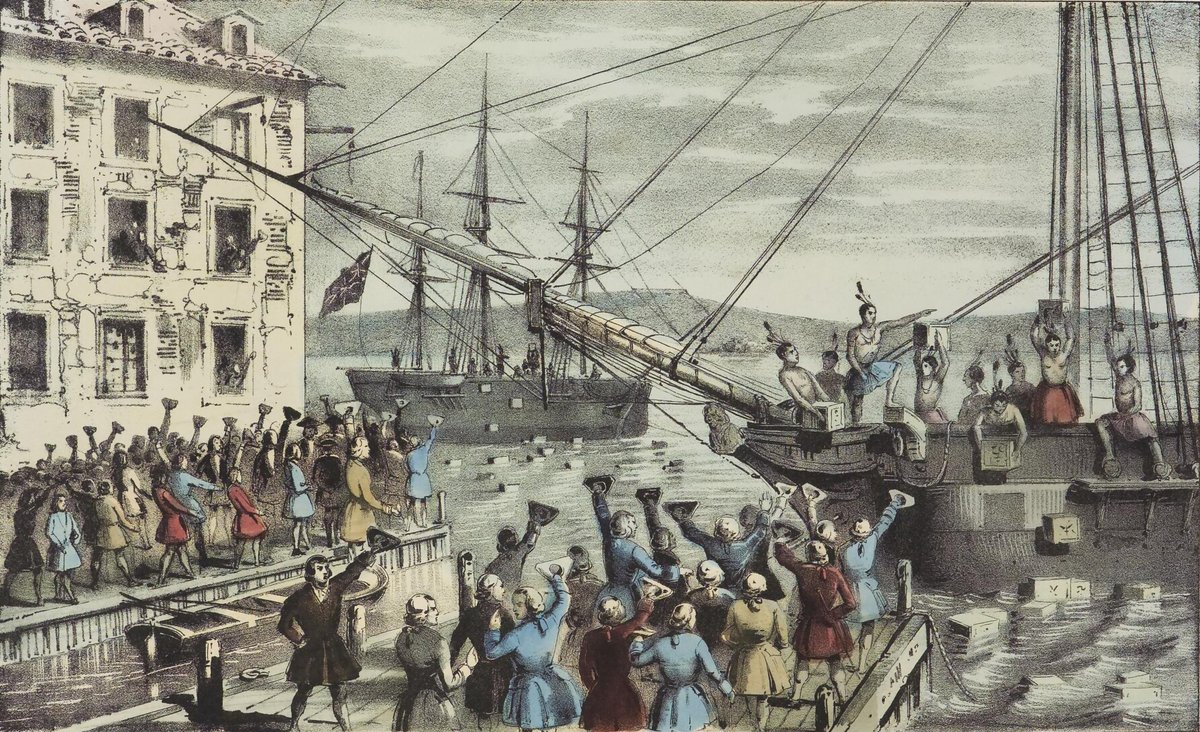
| 1963 | A 127-acre potato farm on Wadmalaw Island is purchased; Shepard's plants are transplanted from Pinehurst |
| 1963–1987 | The site operates as an experimental tea farm for 24 years |
| 1987 | William Barclay Hall buys the land and converts it to a commercial tea garden |
| Late 1980s | American Classic launches as the first tea made with 100% U.S.-grown leaf |
| 2003 | Bigelow Tea buys the garden and partners with former owner Bill Hall |
| 2020 | Charleston Tea Plantation is renamed Charleston Tea Garden |
Two corrections follow from this table.
First, 1888 is not the founding date of Charleston Tea Garden. It is the founding date of Shepard's Pinehurst plantation in Summerville. The Wadmalaw Island garden only takes shape after the 1963 transplant.
Second, “oldest” and “largest” are not the right shorthand. The garden calls itself “America's Tea Garden” and makes a brand claim about 100% American-grown tea; it does not publish a national census proving it is the largest or the only tea garden in the country. Specific dates and acreage are safer than superlatives.
What kind of black tea it is
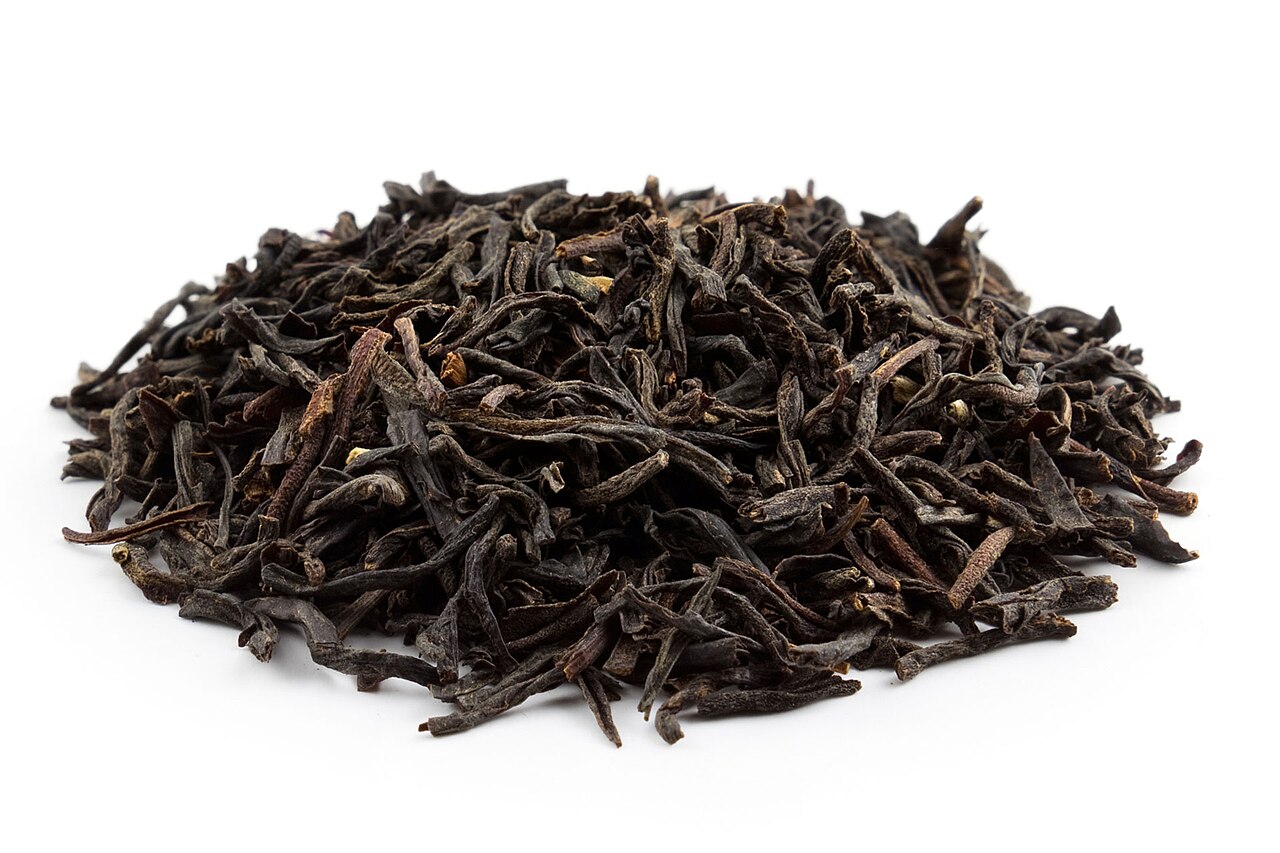
American Classic is a black tea made from 100% U.S.-grown leaf. The garden describes its style as a larger leaf than a standard commercial cut, which gives a richer, smoother cup and a fresher, farm-like character. The official product copy calls it smooth and robust, good hot or iced.
What the official pages do not say is just as important:
- they do not name a cultivar;
- they do not say the tea is CTC or Orthodox;
- they do not give a flush, harvest date or garden block;
- they do not publish a caffeine or polyphenol specification.
A larger leaf shape is not the same thing as an Orthodox manufacture. It is a physical description of the product, not a claim about the rolling line. The old draft's “CTC + Orthodox dual process” had no traceable source and is not repeated here.
| Format | Official information |
|---|---|
| Loose-leaf pouch | 2.3 oz / 65 g |
| Pyramid tea bags | 12-count box, 27 g |
| Flavour range | Nine flavours; American Classic is the original black tea |
| Serving | Hot or iced |
Brewing
The official suggestion is simple: 8 ounces (about 240 ml) of boiling water, 2–4 minutes.
For loose leaf, start with about 3 g of tea per 240 ml at 95–100°C. Give the first infusion 2–3 minutes and extend to 4 minutes if you want more body. The leaf is larger than a CTC cut, so it will not release its full flavour in ten seconds; do not brew it like a Turkish or Indian industrial broken tea.
For iced tea, brew a little stronger than you would for a hot cup, strain the leaf, then chill or pour over ice. The garden only says the tea is suitable hot or iced; it does not publish a fixed iced-tea recipe, so sweetness, lemon and ice are up to you.
Claims to avoid
| Tempting claim | Better formulation |
|---|---|
| “America's largest and oldest commercial tea garden” | The garden calls itself America's Tea Garden; the documented history runs from 1888 Pinehurst to the 1963 Wadmalaw transplant |
| “CTC and Orthodox dual process” | The official pages do not publish the process; only the larger leaf style is confirmed |
| “127 acres since 1888” | 127 acres is the size of the potato farm purchased in 1963 |
| “The Tea Lady's 120-year legend” | Not in the official history; do not present it as fact |
| “Official White House tea” | The official history used here does not establish it; leave it out |
| “Single cultivar, single tree, ancient tree” | The garden holds 320+ varieties; the product page does not name one |
Where it fits in American tea
American Classic matters less as a competitor to Assam or Keemun than as a working example of American-grown tea. Its flavour is direct, smooth and built for everyday drinking, hot or iced; it is not a tropical high-aroma style or a smoky style.
If you know Indian, Sri Lankan or Turkish black teas, treat American Classic as a different origin, not a different grade of the same thing. Start with the official 2–4 minute brew, then adjust strength. The point is to taste what a U.S. tea garden can do with its own leaf, not to force it into a British or Turkish tea template.