Extent
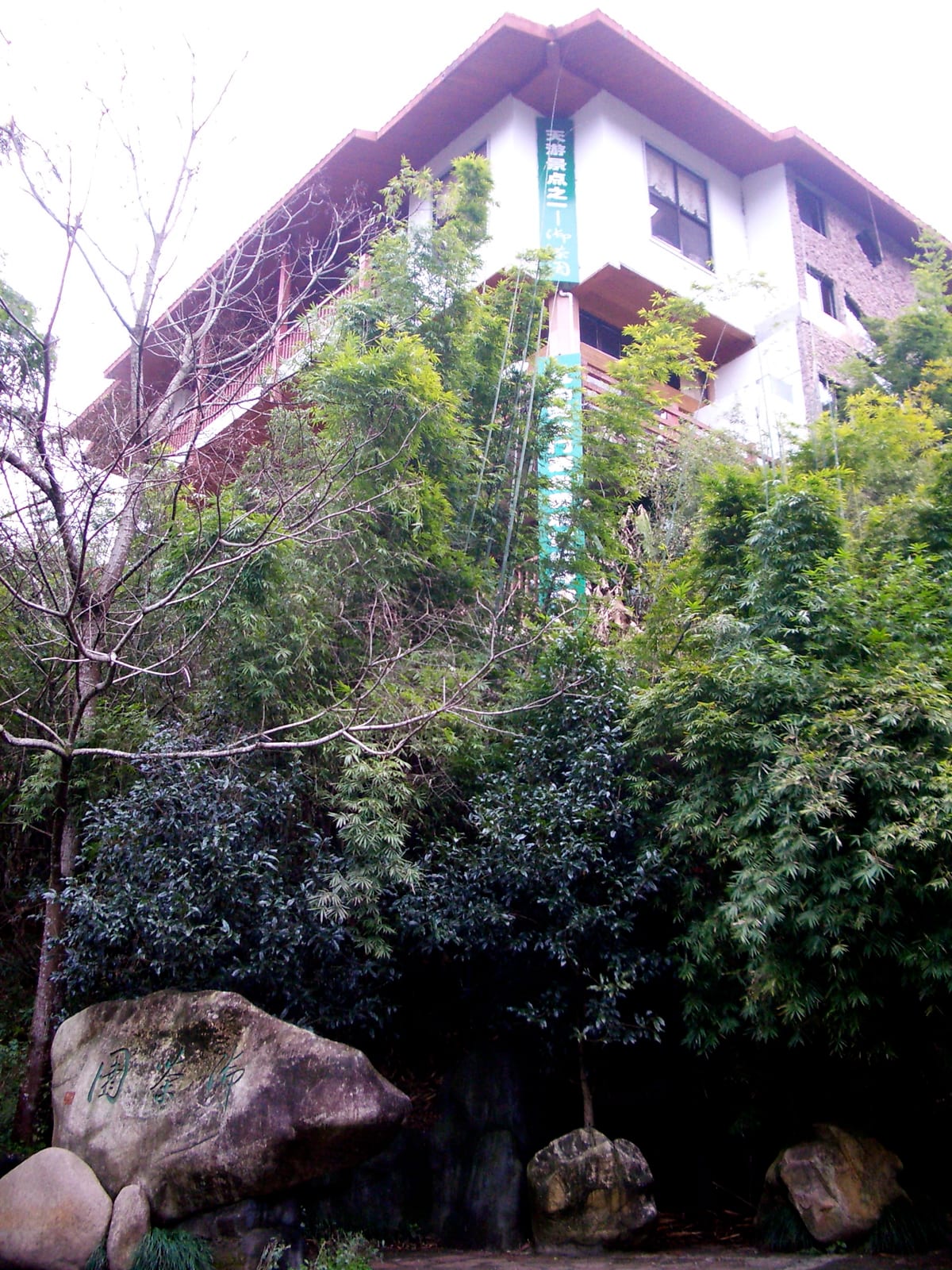
The Wuyi tea area lies around Wuyishan City in northern Fujian, with core gardens in valleys, gullies and stream banks inside and around the scenic area. The geographical indication protected area is limited to Wuyishan City and requires suitable cultivars and traditional processing in the Wuyi mountain environment. The “three valleys and two gullies” are frequently cited, but Wuyi rock tea is not limited to a few famous sites.
Environment
Wuyi is known for Danxia landforms, cliffs, gorges and the Nine-Bend River. Tea gardens sit at the foot of cliffs, beside gullies or on slopes, with marked differences in soil, light, humidity and leaf litter. “Rock rhyme” is a traditional tasting term for the sense of place in the tea; it is not a single chemical compound, but a combination of cultivar, soil, processing and roasting. Altitude, cliff or mist alone do not guarantee quality.
Cultivars and products
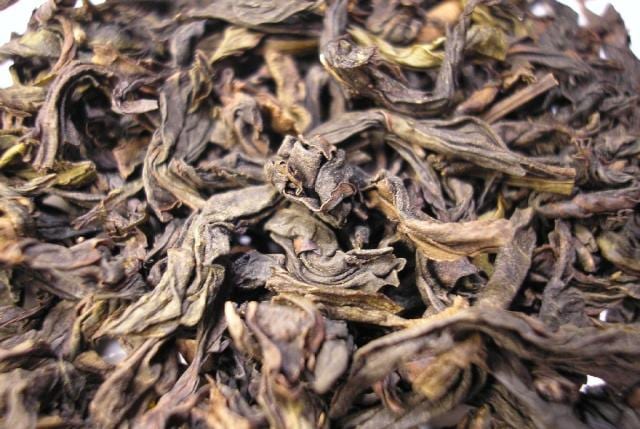
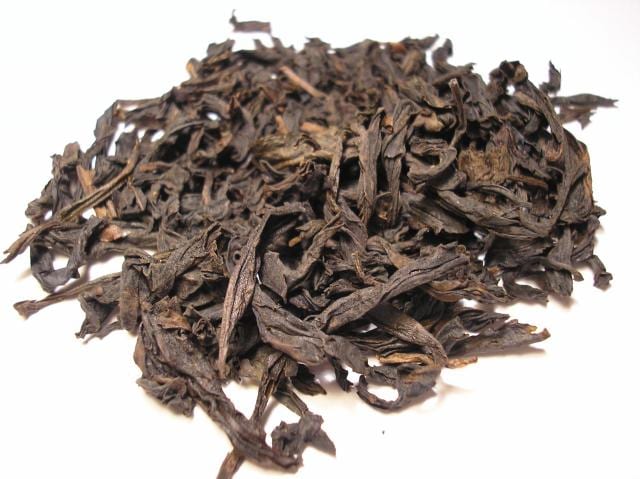
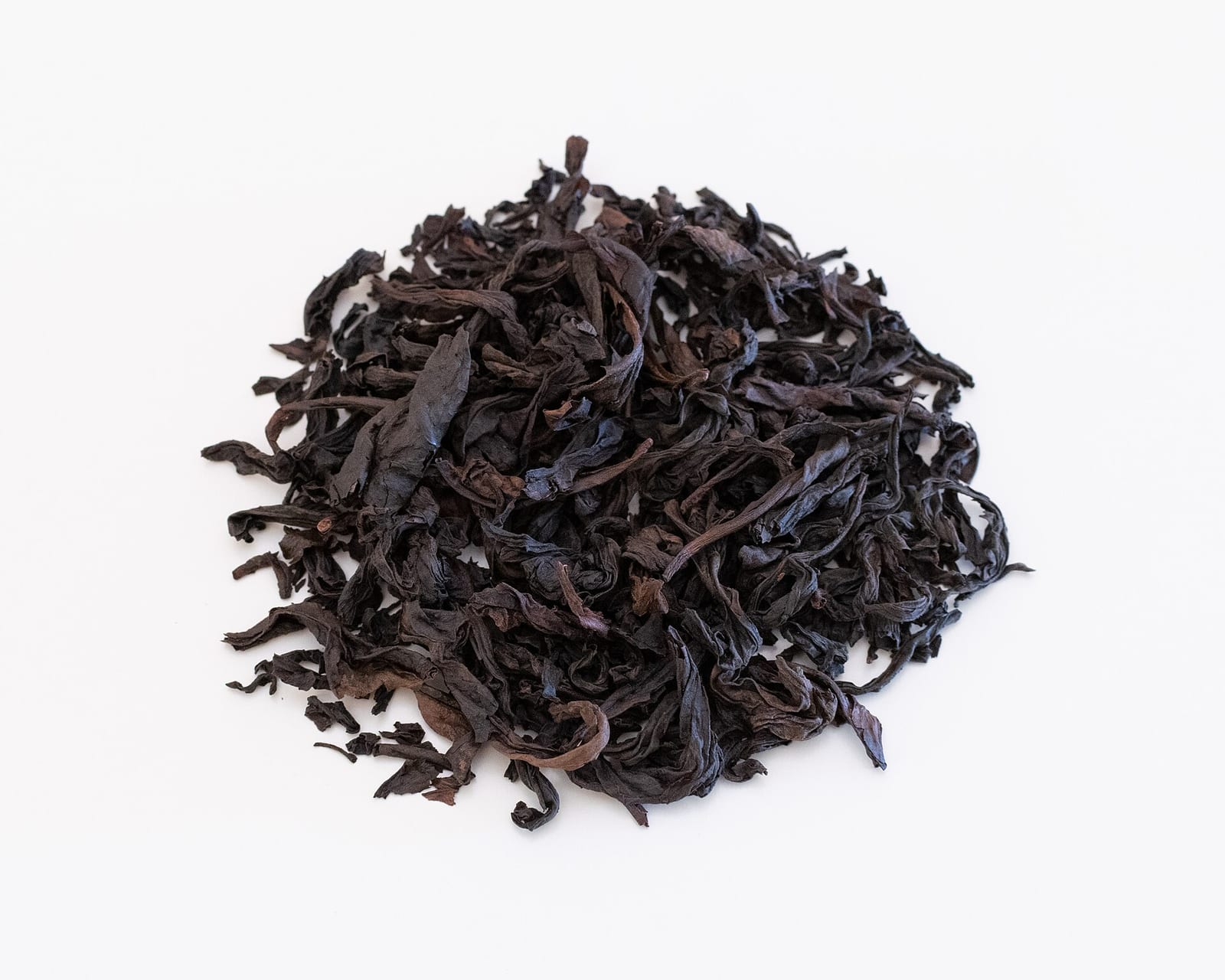
Wuyi rock tea is an oolong. Under GB/T 18745-2006 it is divided into Da Hong Pao, Shuixian, Rougui, Mingcong and Qizhong. Da Hong Pao is often a blend of several cultivars; Shuixian and Rougui are single clonal cultivars; Mingcong and Qizhong have their own material and processing requirements. “Zhengyan, Banyan and Zhoucha” are customary production and trade divisions; the 2006 standard does not make them statutory grades. The new standard will adjust the origin description.
Processing
Wuyi rock tea goes through withering, shaking, fixation, rolling and roasting. Shaking develops floral and fruity aromas and the “green leaf with red edge”; roasting affects roasted aroma, body and keeping quality. Light roast preserves more floral character; medium to full roast brings nutty, caramel and charcoal notes. Roasting is not “the heavier the better”: excess can obscure cultivar and site, and char is not “rock rhyme”.
History and boundaries
Wuyi has tea records from the Song, an imperial tea garden in the Yuan, and the development of oolong and black tea in the Ming and Qing. Wuyi rock tea (Da Hong Pao) traditional processing is on China’s national intangible heritage list; the 2006 geographical indication standard came into effect in 2006. Imperial tea-garden, tribute-tea and Mingcong stories should be separated from gazetteers, archives and research; not all should be treated as established history.
Representative teas
- Da Hong Pao: the best-known product name; market products vary widely.
- Wuyi Rougui: known for cinnamon and floral-fruity notes.
- Wuyi Shuixian: full-bodied; old-bush tea may show woody and mossy notes.
Common misconceptions
- “Zhengyan” is not a 2006 statutory grade. It is a customary division; check the standard and label.
- Not every Wuyi rock tea is Da Hong Pao. Shuixian, Rougui, Mingcong and Qizhong are different product categories.
- Is heavier roast better? No. Roast should match material and style; char is not a virtue.
- “Rock rhyme” is not a test index. It is a traditional tasting term, not a substitute for sensory and chemical standards.
Sources
- GB/T 18745-2006, Geographical indication product — Wuyi rock tea.
- GB/T 18745-2026, Geographical indication product quality requirements — Wuyi rock tea (effective 2027-04-01).
- Wuyi Mountain World Heritage references.
- Legacy Fujian tea record, retained for provenance.
This page is an AI-edited translation based on the reviewed Chinese source. It is not a human-expert endorsement.