What it is
Wuyi Rougui is a Wuyi rock tea made from the Rougui cultivar. Under GB/T 18745-2006, Wuyi rock tea is divided into Da Hong Pao, Shuixian, Rougui, Mingcong and Qizhong; Rougui is one category. The published GB/T 18745-2026, effective 2027-04-01, further defines Rougui as a single clonally propagated cultivar product. It has nothing to do with the spice “cinnamon”; the name comes from the cultivar and the tea’s aroma.
Origin and divisions
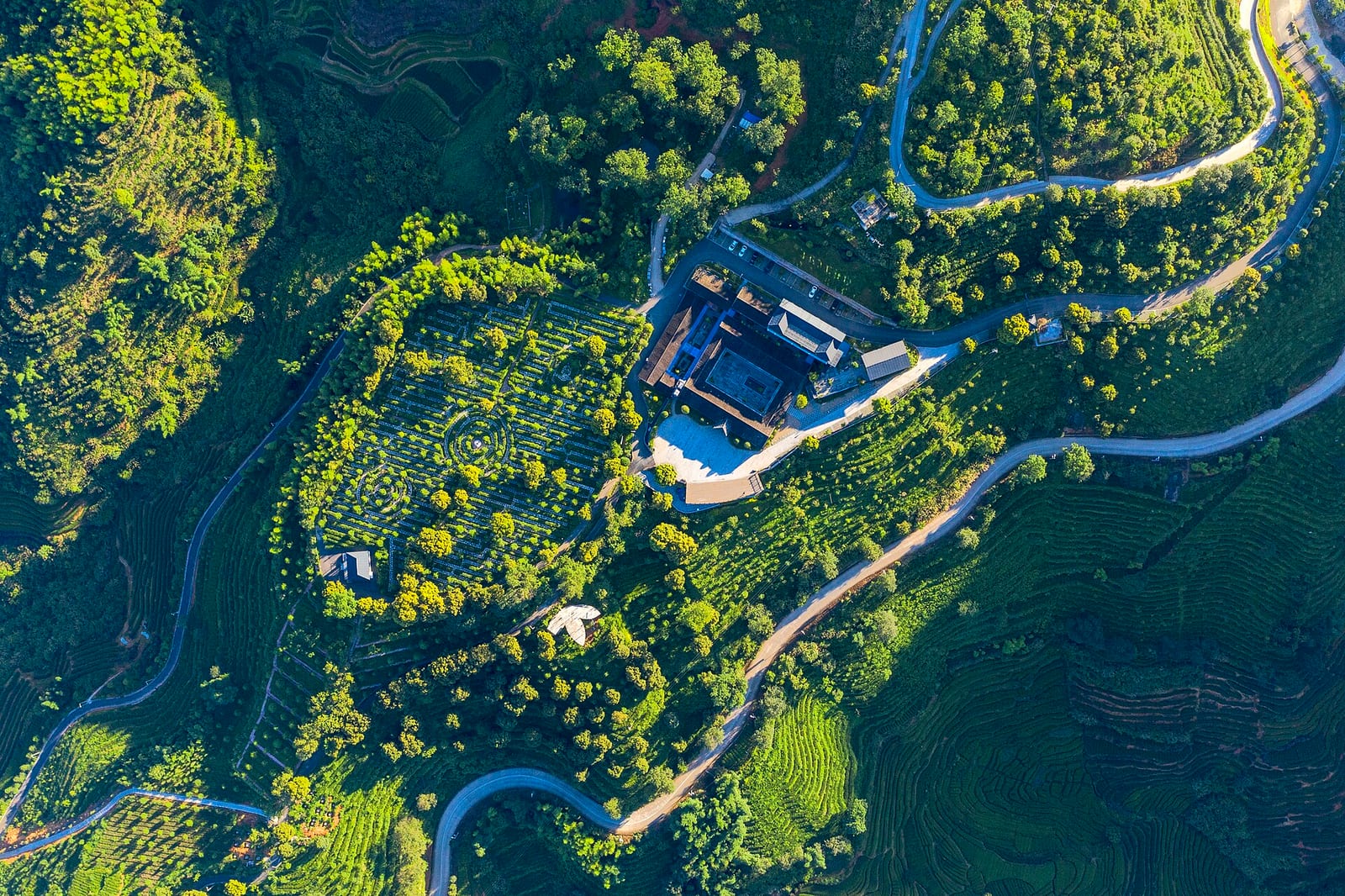
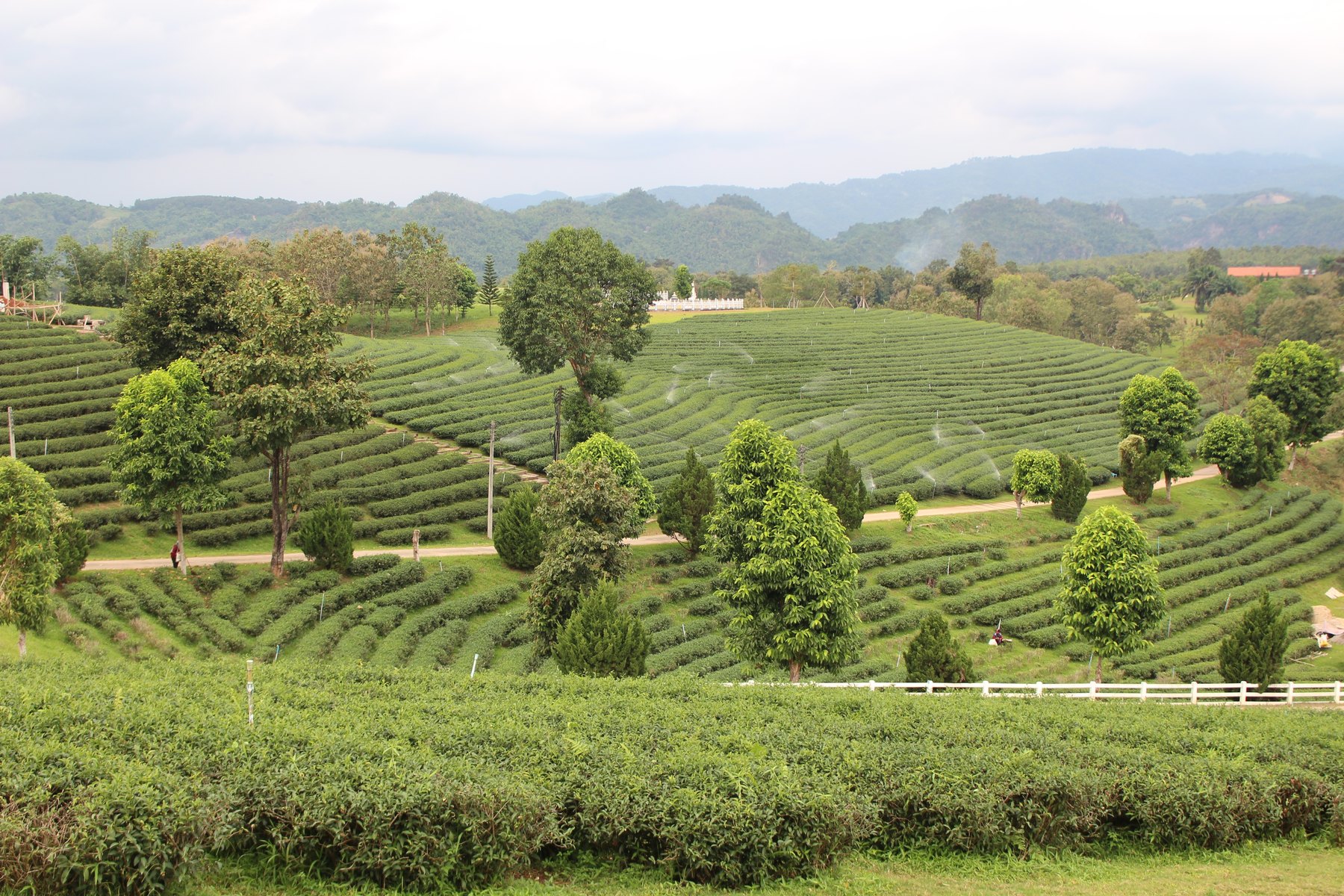
The GI protected area is limited to Wuyishan City, Fujian. The market often calls gardens inside the scenic area “Zhengyan”, nearby sites “Banyan” and riverside flats “Zhoucha”; these are customary production and trade divisions, not statutory grades in the 2006 national standard. The new standard will adjust the origin description. Products must still meet the standard’s material, processing, sensory and labelling requirements.
Cultivar and processing
Rougui is a clonal cultivar with relatively strong vigour, suitable for Wuyi rock tea. Traditional processing includes sun withering, cooling, shaking, fixation, rolling, initial baking, re-baking and roasting. Shaking develops floral and fruity aromas; roasting affects roasted character, body and keeping quality. Nicknames such as “beef” and “horse meat” refer to Rougui from Niulankeng and Matouyan; they are market nicknames, not standard grades or quality guarantees.
Quality and flavour
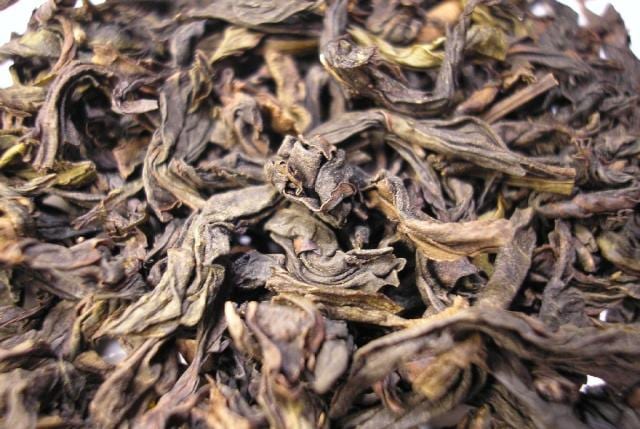
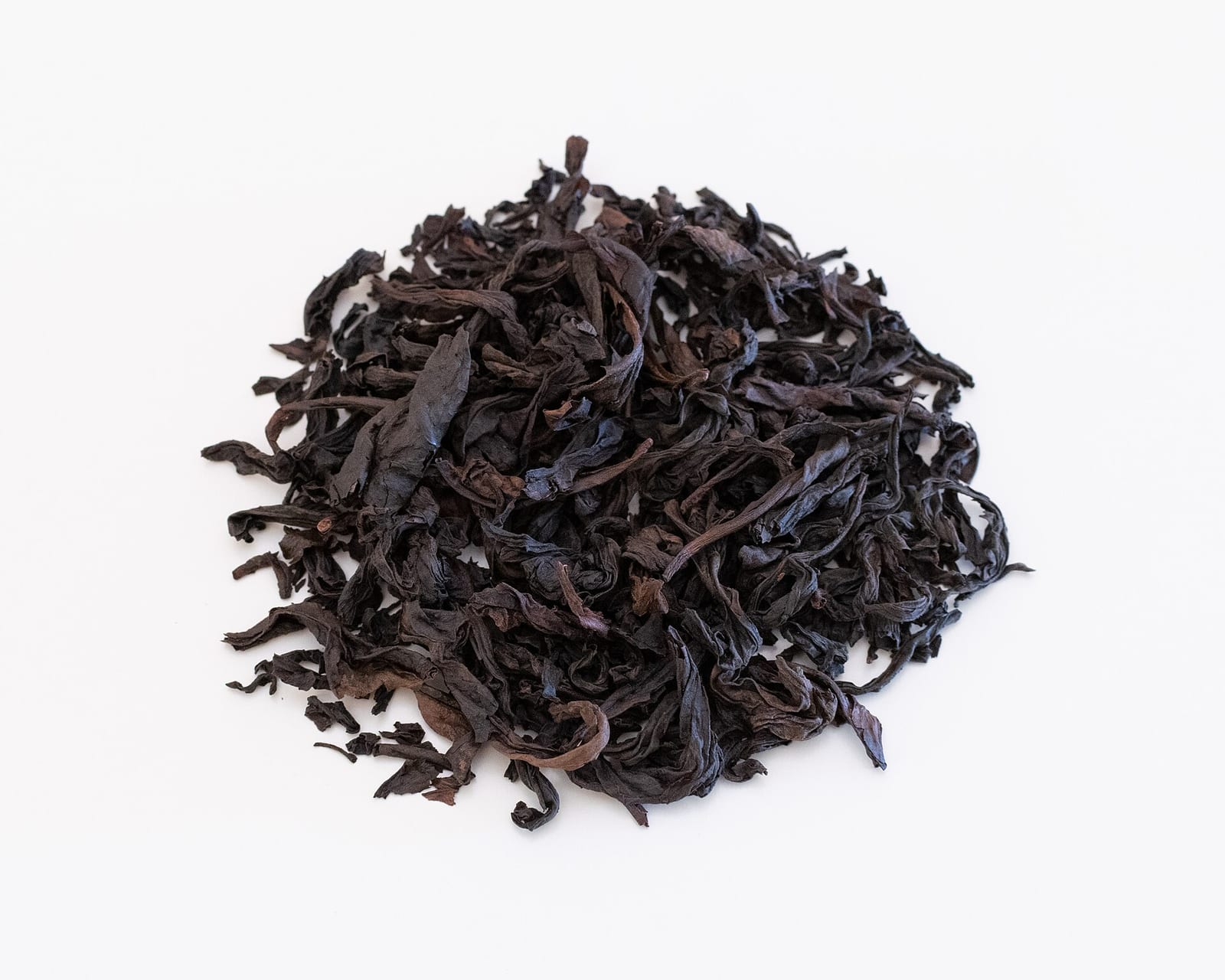
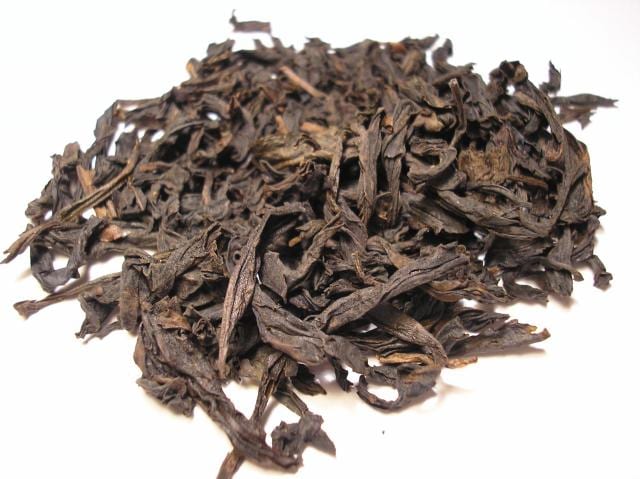
Dry leaves are tightly rolled, dark brown to green-brown. Liquor is orange to orange-red, with cinnamon, floral, fruity, creamy or roasted notes, a full body and a clear finish. “Pungent” is a relative description, not spicy heat; aroma intensity, roast level and body vary with site, material, processing and vintage. “Aroma cannot beat Rougui” is a market saying, not a universal ranking.
History and boundaries
Rougui has a long cultivation history in Wuyi and was widely planted in the late twentieth century, becoming one of the main Wuyi rock-tea cultivars. Old records mention a late-Qing Mingcong, 1960s clonal propagation and a 1982 award; these dates need checking against local gazetteers, tea-industry archives and research. Market popularity is not the same as historical age, and “Zhengyan” or “old bush” cannot replace traceable origin and processing information.
Common misconceptions
- Rougui is not a spice. It is a tea cultivar and rock tea; no cinnamon spice is added.
- “Zhengyan” is not a 2006 statutory grade. It is a customary division; check the standard and label.
- “Beef” and “horse meat” are not grades. They refer to market nicknames for specific sites.
- High aroma does not automatically mean high quality. Aroma, taste, body, roast and cleanliness need balanced judgement.
Sources
- GB/T 18745-2006, Geographical indication product — Wuyi rock tea.
- GB/T 18745-2026, Geographical indication product quality requirements — Wuyi rock tea (effective 2027-04-01).
- Legacy Fujian tea record, retained for provenance.
This page is an AI-edited translation based on the reviewed Chinese source. It is not a human-expert endorsement.