What it is
Jinjunmei is a single-bud black tea developed around the 2000s in the Tongmu Pass area of Wuyishan. It is a commercial name, not a tea cultivar or a separate national product category. It usually uses single buds from local population cultivars, is relatively lightly oxidised, and is mostly not heavily smoked; the aroma tends toward honey, floral-fruity and sweet notes. Calling it “the highest grade of black tea” is marketing language, not a standard definition.
Origin and material
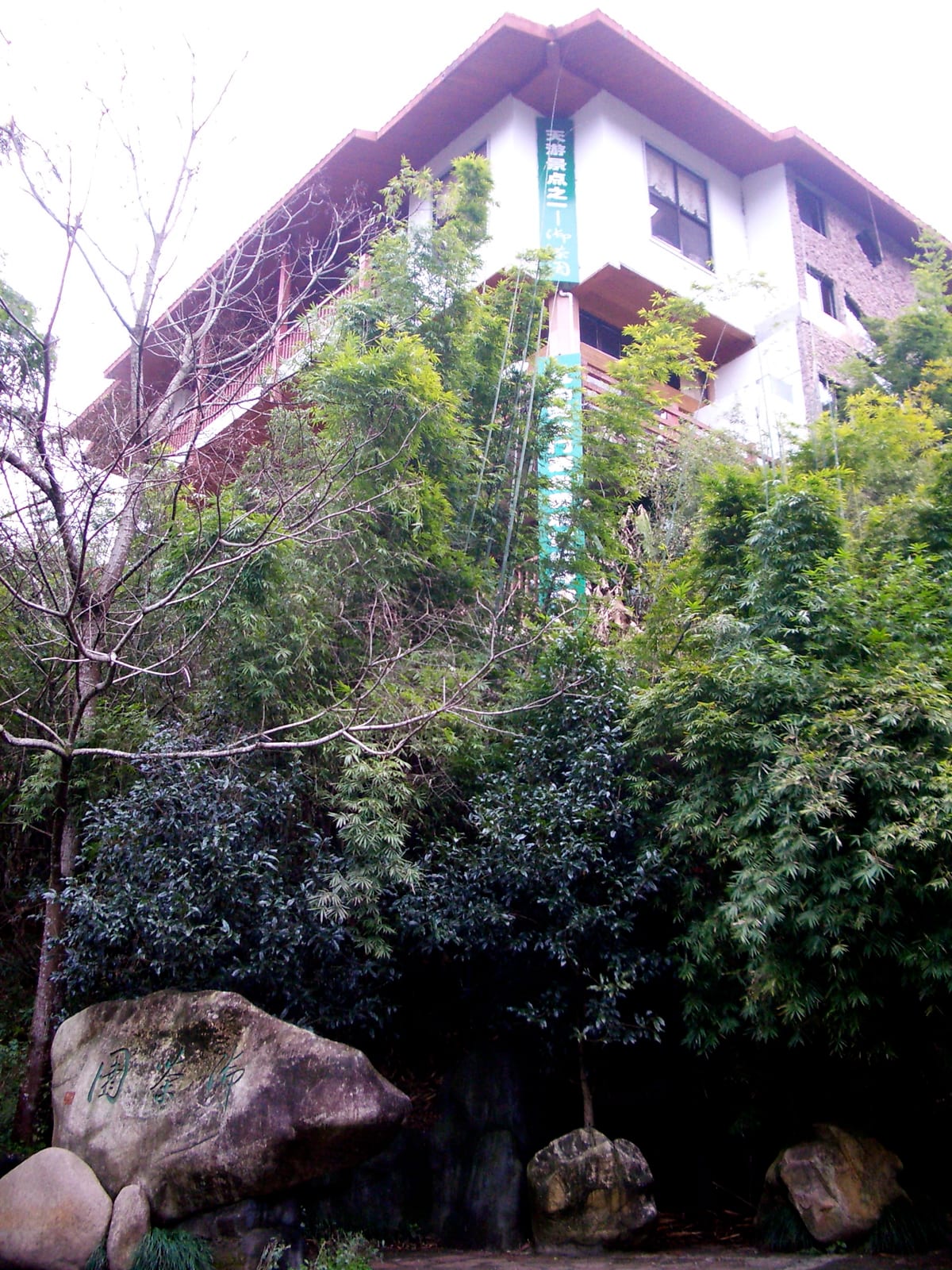
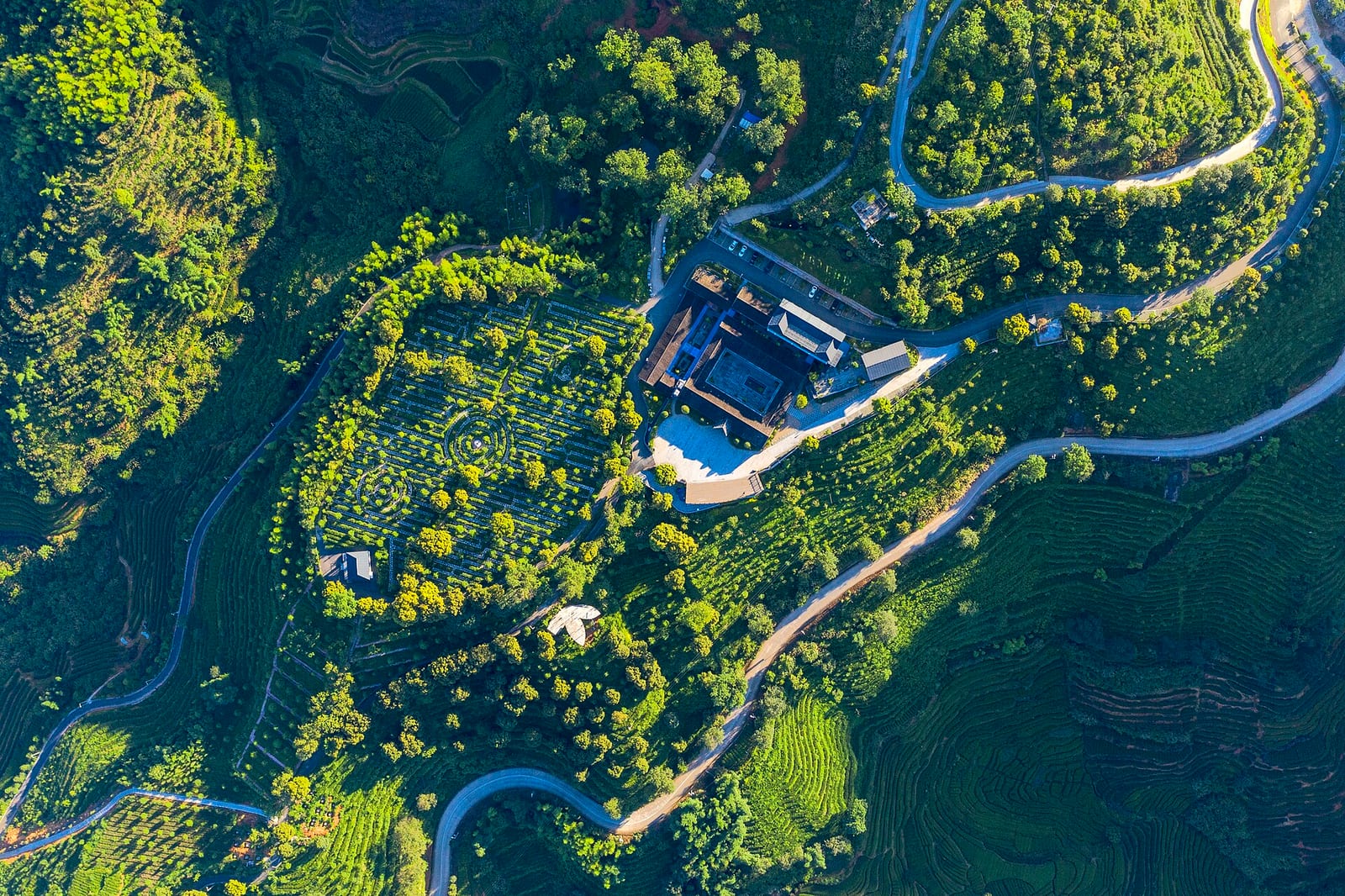
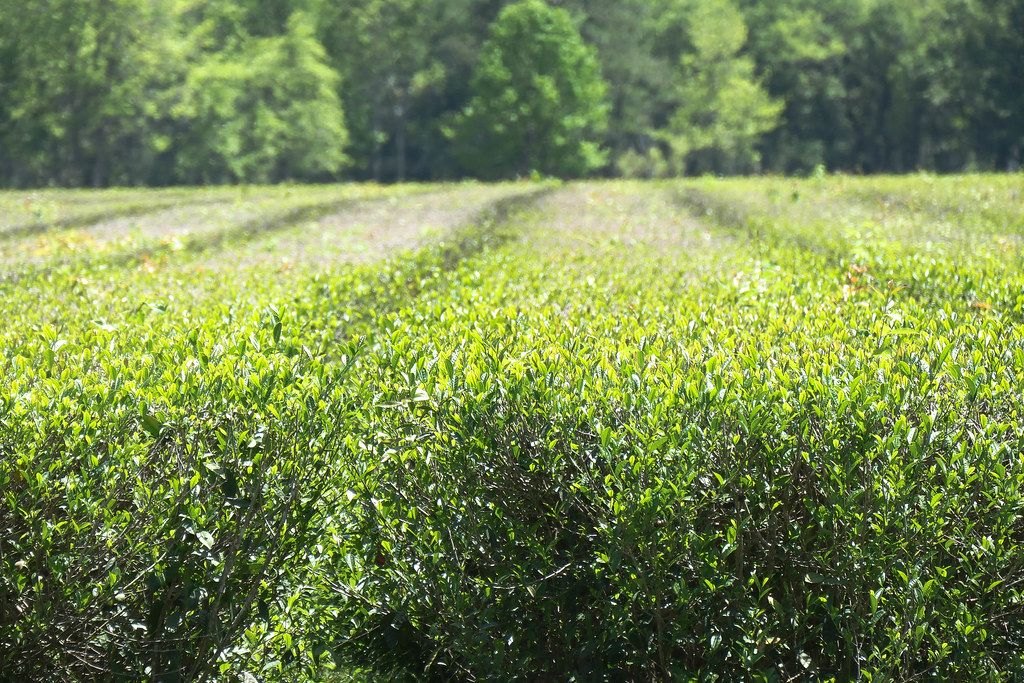
The core origin is often identified as Tongmu Pass, but “Jinjunmei” as a commercial name does not have a unified GI definition like Anxi Tieguanyin. Producers may use single buds from Tongmu or nearby gardens, and may also use material from other areas. Whether the material is truly single-bud, from a high-mountain garden, and processed on the day of picking is more informative than the name on the package.
Processing
Jinjunmei uses black-tea processing, usually withering, rolling, fermentation, drying and refining. Compared with Zhengshan Xiaozhong, it emphasises single-bud material and lighter fermentation, and most products are not heavily pine-smoked, preserving honey and floral-fruity notes. Withering time, fermentation degree and drying temperature vary by producer; “all hand-made” and “three days to finish” are not universal standards.
Quality and flavour
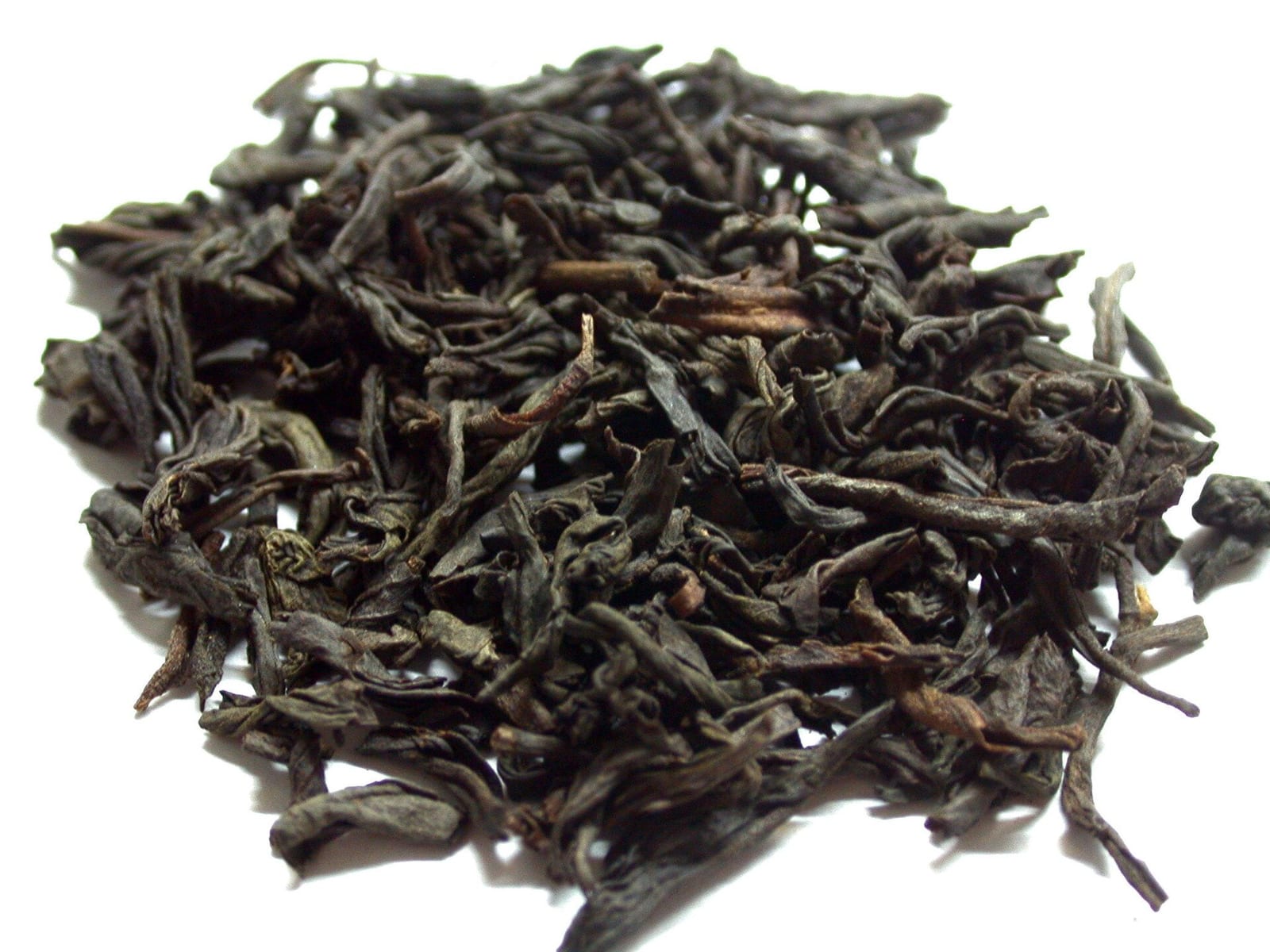
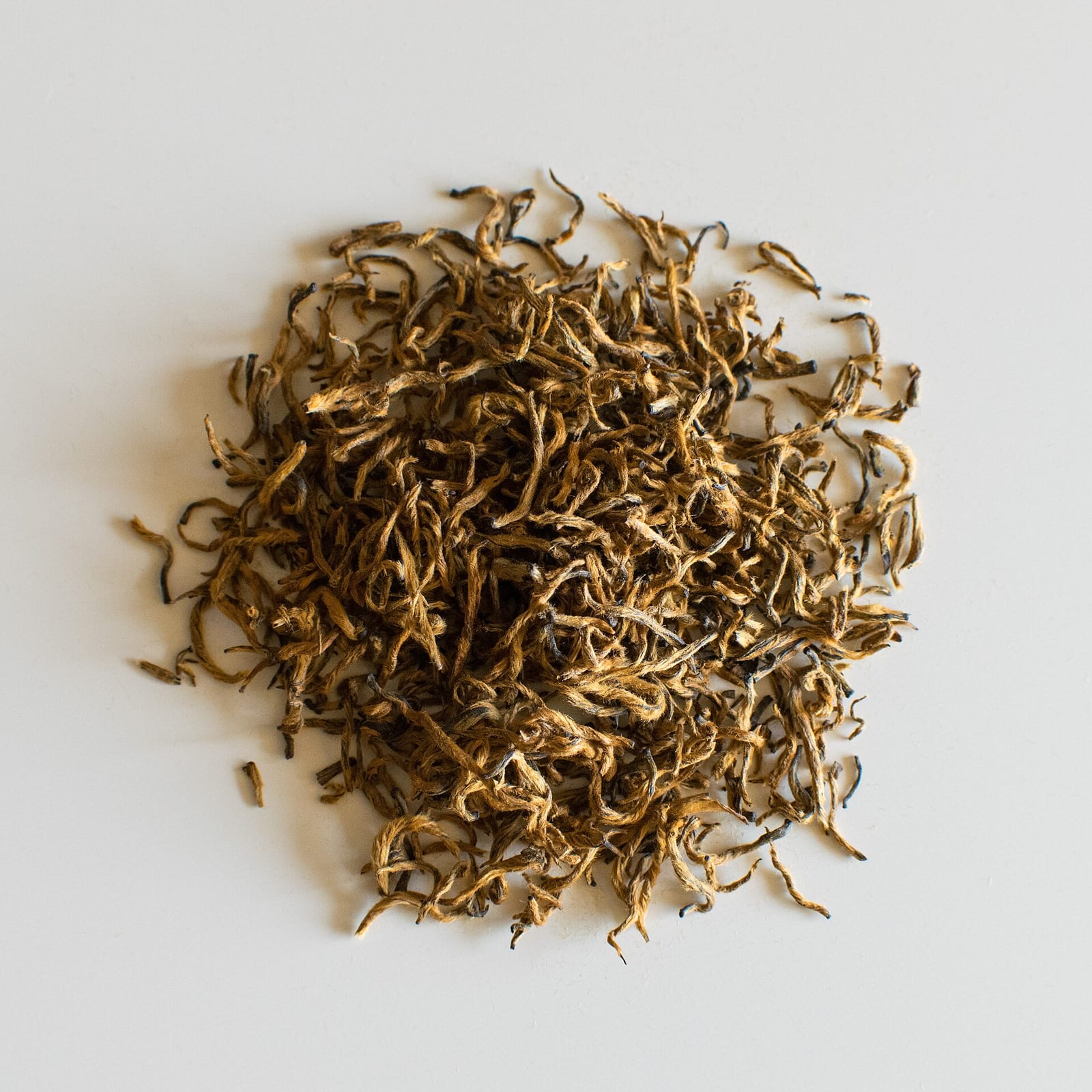
Dry tea is fine and slender, with golden tips and dark brown buds. Liquor is golden to orange-yellow, with honey, floral-fruity and sweet aromas, a sweet, soft taste and a smooth body. The “golden” colour comes from bud colour and processing, not “the more golden the better”; products with uniformly golden tips should prompt questions about material and processing. Price reflects material, origin, brand and market, not a quality grade by itself.
Market and boundaries
Jinjunmei was introduced to the market around 2005 by Wuyishan tea makers and helped drive the single-bud and high-price black-tea market. Old records about its creation, bud counts, auction prices and “ceiling of black tea” are promotional and need checking against company records, local tea-industry materials and testing reports. It is not a GI product name; check origin, material, standard and producer rather than the name and gold packaging.
Common misconceptions
- Jinjunmei is not a cultivar. It is a commercial name; material may come from different cultivars.
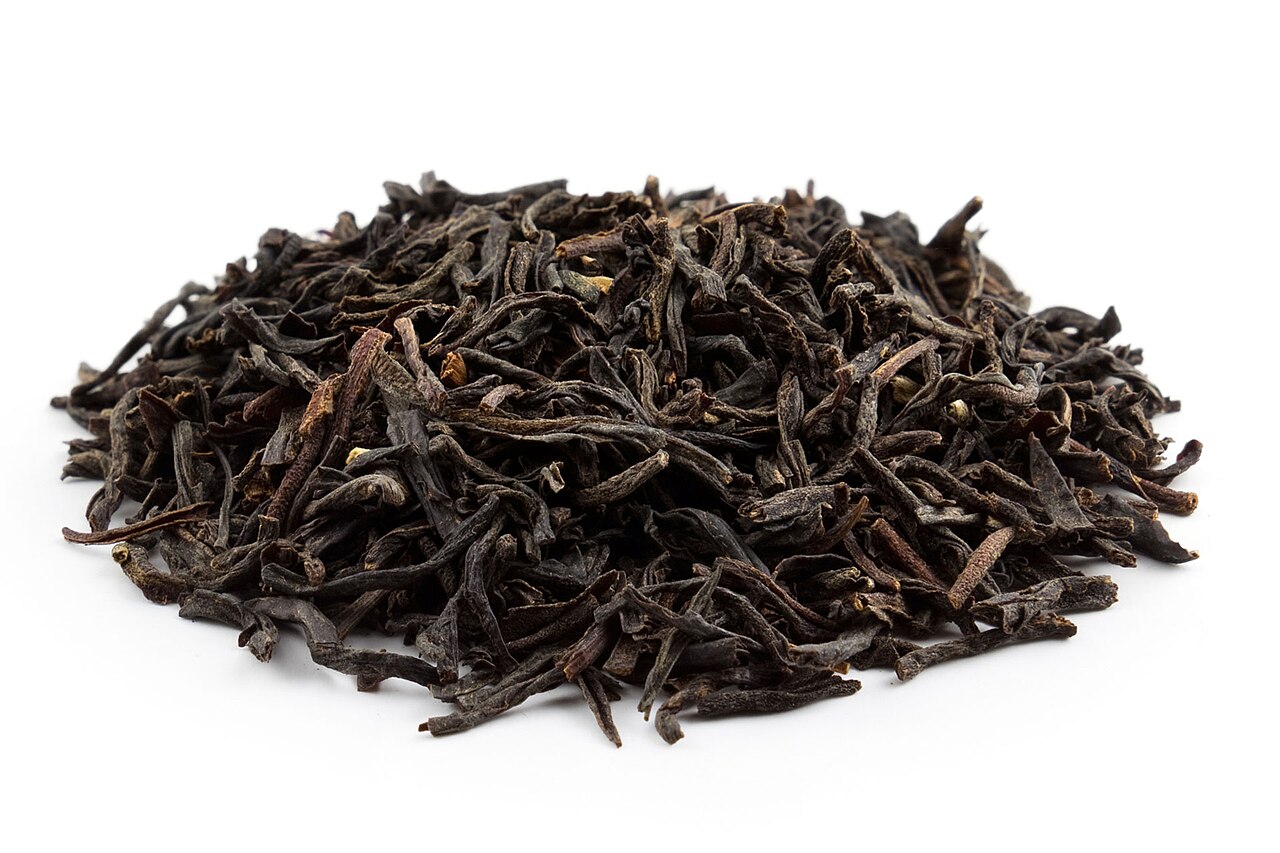
- Jinjunmei is not Zhengshan Xiaozhong. Processing and material emphasis differ; it is usually lighter-fermented and less smoked.
- Golden colour is not quality. Colour, down and price can be amplified by processing or packaging; aroma, taste and cleanliness matter more.
- “Tongmu Pass” needs traceability. Without origin, production records and testing, the name alone proves little.
Sources
- GB/T 13738.3-2012, Black tea — Part 3: Souchong black tea.
- DB35/T 1228-2015, Geographical indication product — Wuyi black tea.
- Legacy Fujian tea record, retained for provenance.
This page is an AI-edited translation based on the reviewed Chinese source. It is not a human-expert endorsement.