TEA ENCYCLOPEDIAA little closer to the world of tea.
TEA FAMILY

Green tea.

Unoxidised tea, fixed by firing fresh leaves. Fresh aromas and a brisk, clean taste define the family.

35teas
Sorted by nameAll teas
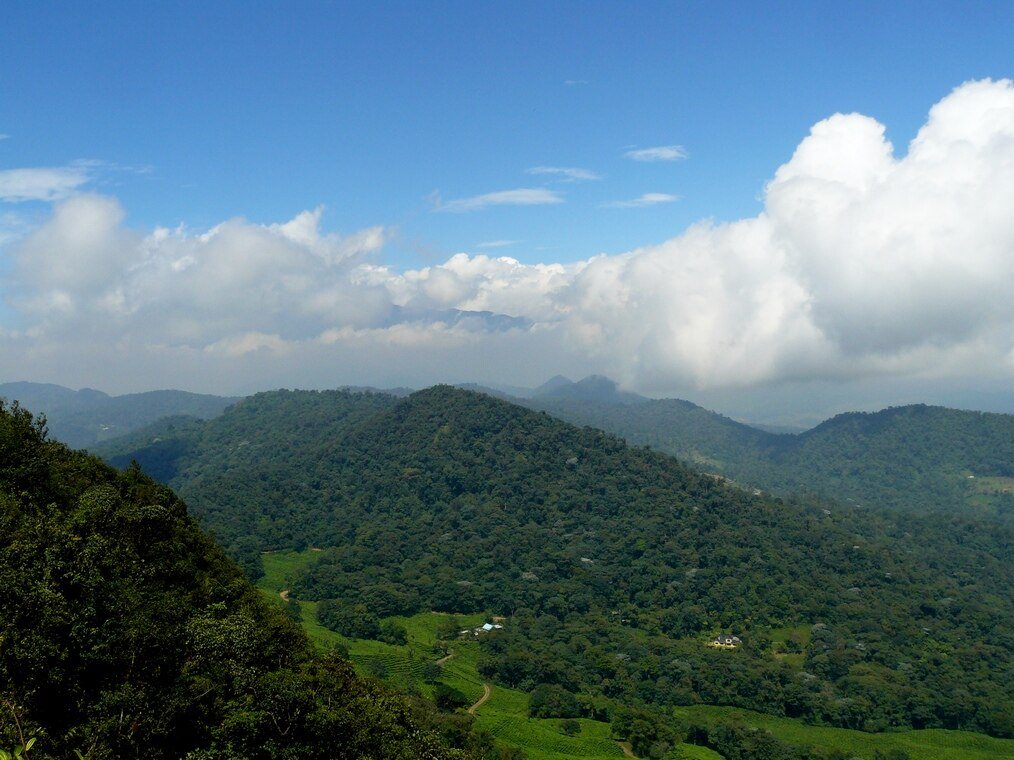
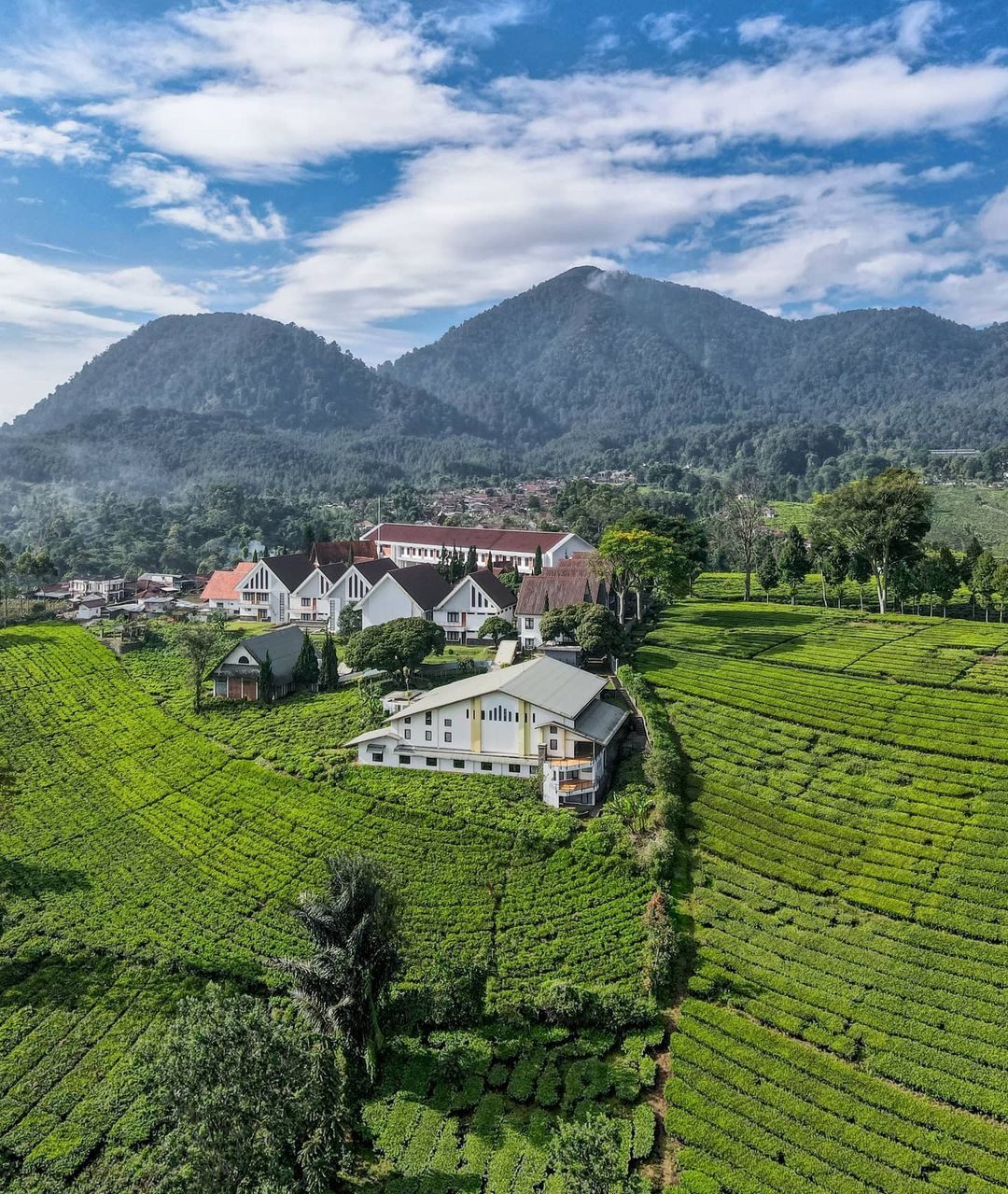
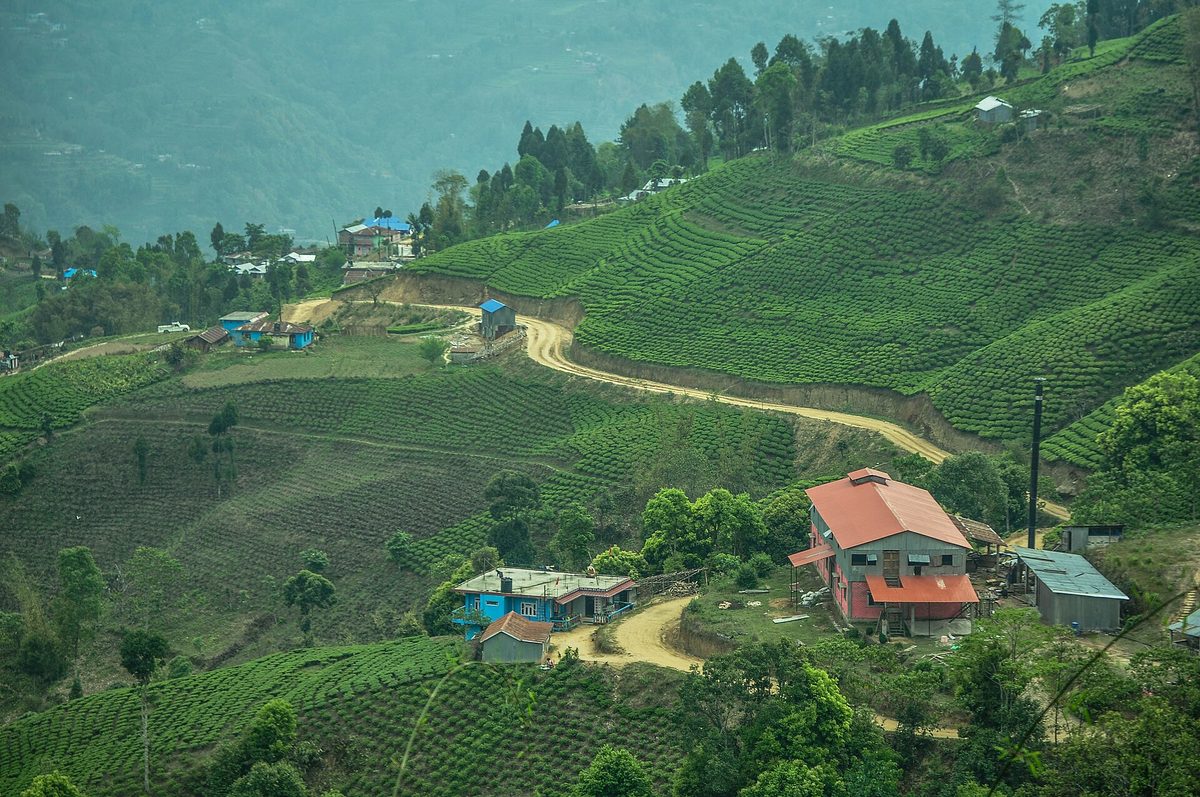
TeaView from Three Crosses over Chicoral, the Hindú tea plantation and Bitaco Forest Reserve, with the Farallones de Cali in the distanceMateo.gable / Wikimedia Commons · CC BY-SA 3.0
Colombia

Bitaco Green Tea

Bitaco is the specialty tea brand of Agrícola Himalaya S.A., grown at Hacienda Himalaya in La Cumbre, Bitaco, Valle del Cauca, Colombia. The estate is about 254 ha at roughly 1,700–2,050 m, with about half conservation forest and half organic tea, and is described by its owner as Colombia's only commercial tea plantation. Its green tea is not Japanese steamed tea: a publicly verifiable Bitaco green, Selva Curly Green, is pan-fired, with a sweet, nutty, mellow profile rather than a marine sencha profile. The old draft's "1998 Japanese steaming line," "Yabukita/Asatsuyu cultivars," "JAS certification" and "Andean gyokuro" claims have no source and have been removed.

Green tea
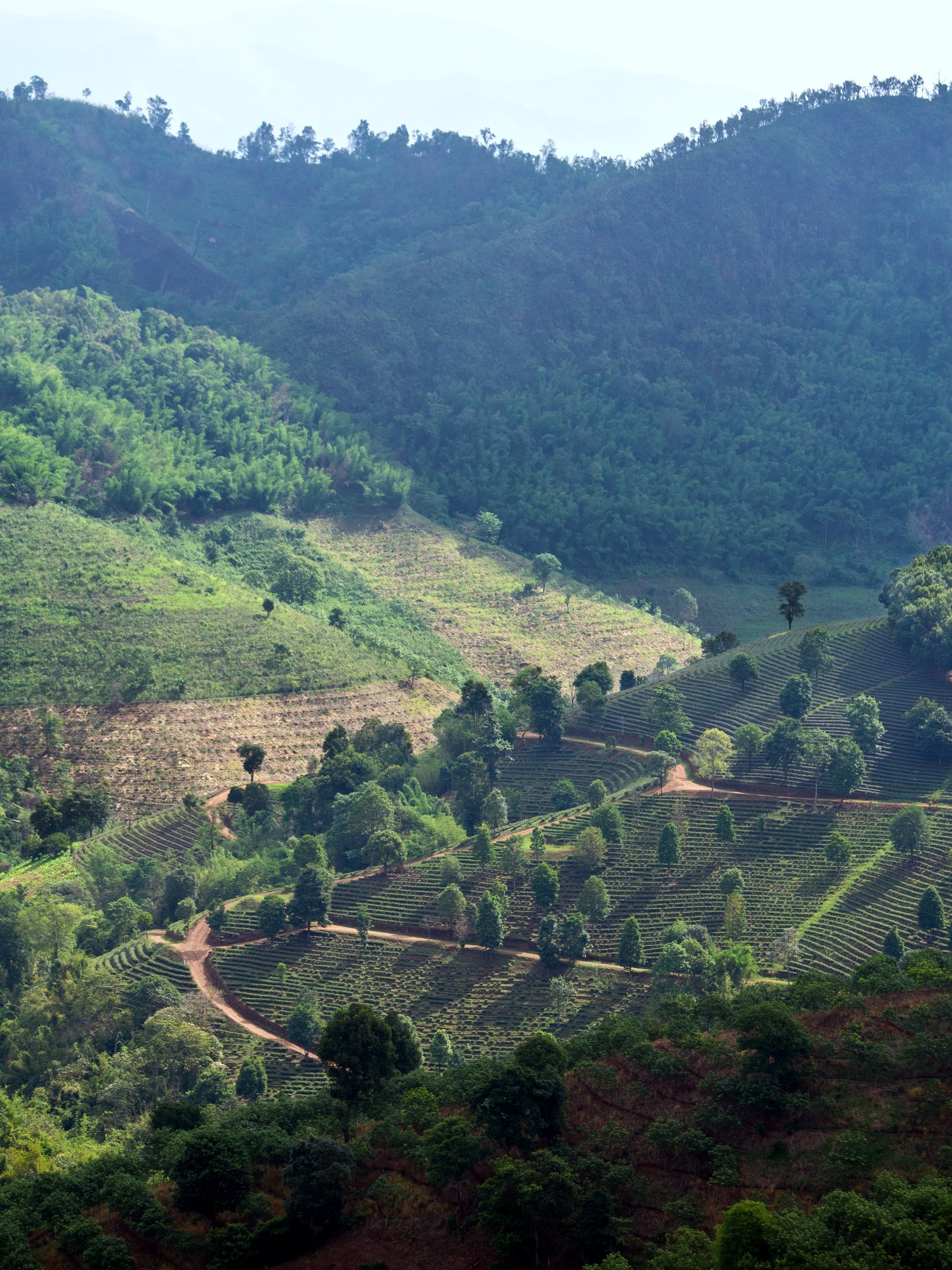
TeaA tea plantation in northern Thailand; a reference image, not the Cha DoiChang garden in Mae Lao, Chiang RaiTakeaway / Wikimedia Commons · CC BY-SA 3.0
Thailand

Cha DoiChang Oolong Green Tea

Cha DoiChang is a small organic tea garden and tea company in Pong Phrae, Mae Lao district, Chiang Rai, Thailand. It is not Doi Chaang Coffee, the well-known coffee brand from Doi Chang village. The tea garden started in 1999, covers 50 rai (about 8 hectares) at roughly 600 m, uses a natural stream that flows down from Doi Chang, and receives about 2,500 mm of rain a year. The company was founded in 2001 with three shareholders and combines Taiwanese tea-making technology with local know-how. Its line includes Superior, Premium, Pure Green, Red Oolong, Eternity and Peaceful Rest.

Green tea
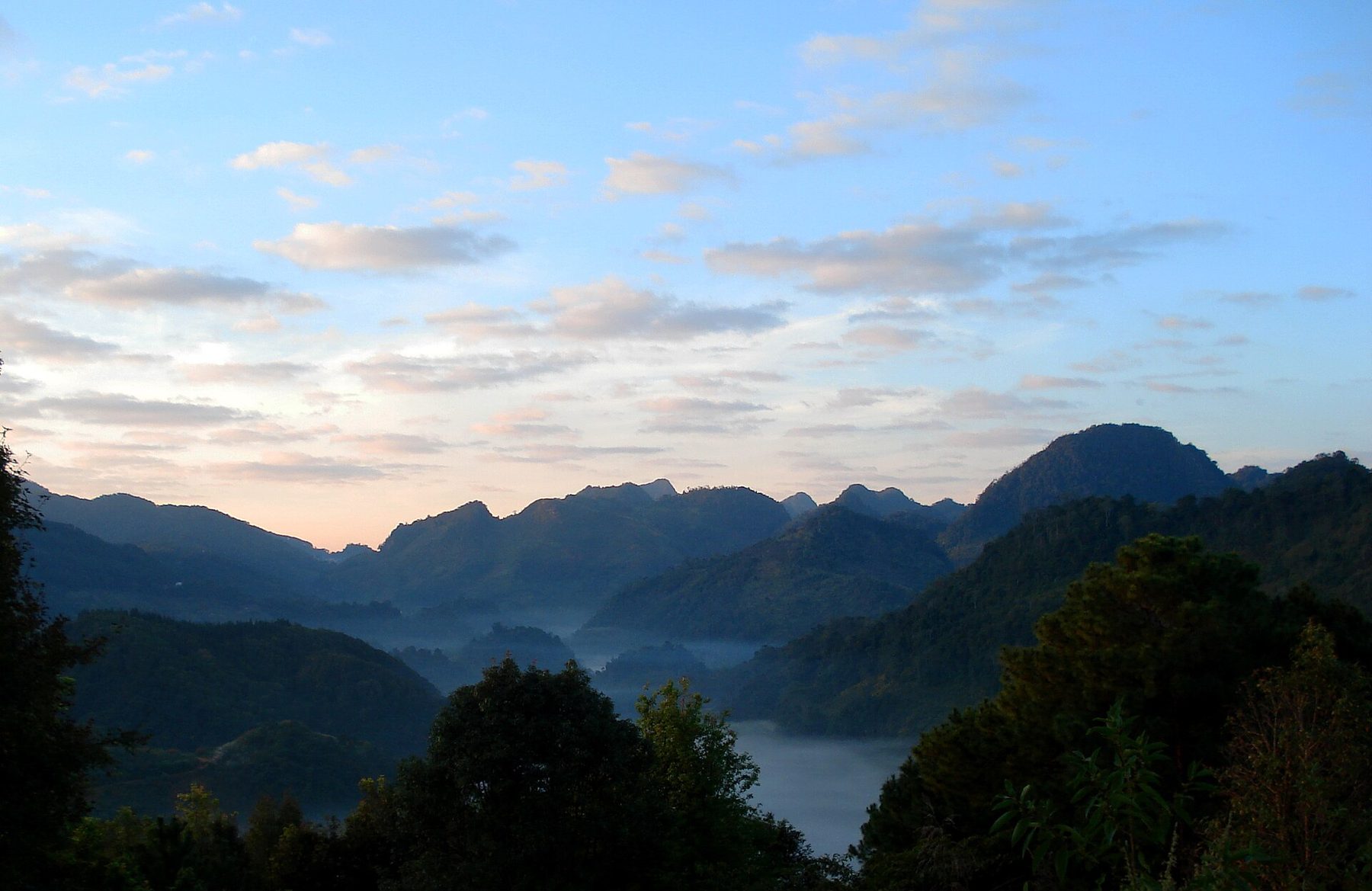
TeaMountain landscape and morning mist at Doi Ang Khang, Chiang Mai, ThailandNorthThailander / Wikimedia Commons · CC BY-SA 4.0
Thailand

Doi Ang Khang Green Tea (Royal Project Organic Green Tea)

Doi Ang Khang Green Tea is an organic green-tea product from the Royal Project at Doi Ang Khang in Fang District, Chiang Mai, Thailand. It is not a tea cultivar and not a generic name for Thai green tea. The Royal Project product page confirms only that it is organic, unfermented green tea with a nutty or seaweed-like aroma and a mild taste; it does not publish the cultivar, the kill-green method or fixed brewing parameters. The place matters: the station was founded in 1969 as the first Royal Project agricultural research station, at about 1,400 metres on the Thai-Myanmar border, as an alternative to opium cultivation. The page keeps those confirmed layers and refuses the old draft's unverified tea-garden, tree-age and processing claims.

Green tea
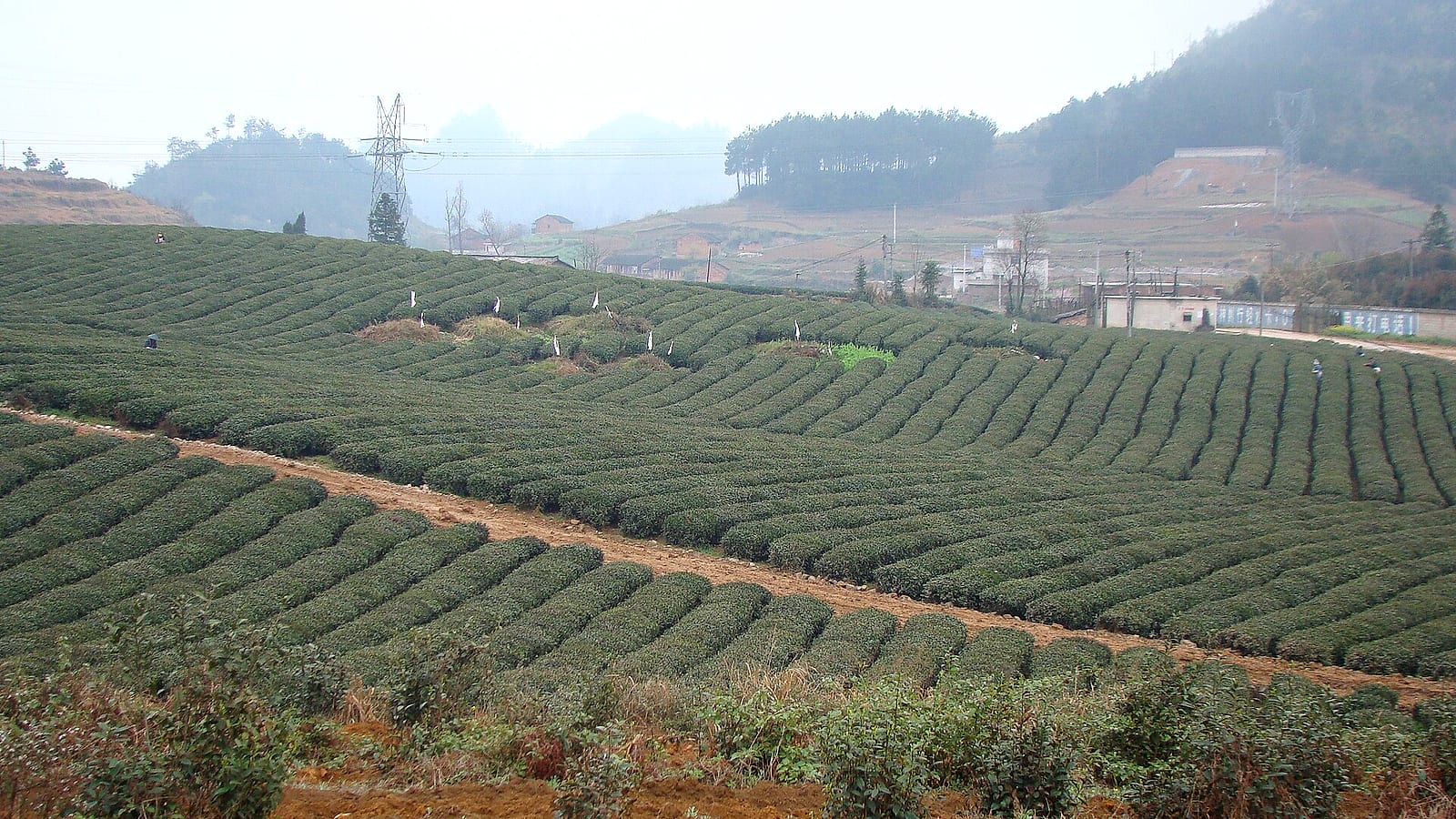
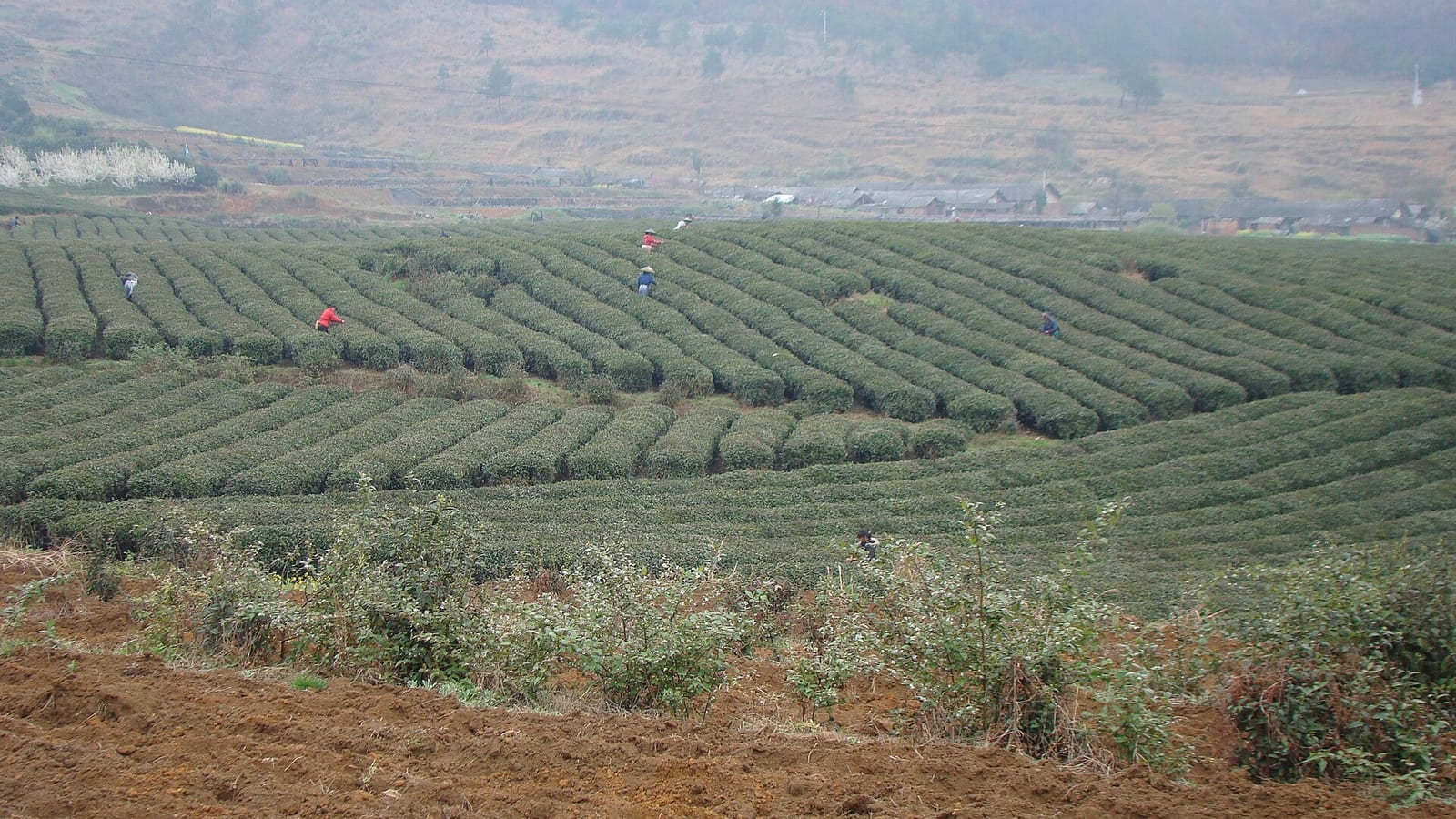
TeaRows of tea bushes on a slope at Niuchang tea farm in Duyunkuaimei / Wikimedia Commons · CC BY 3.0
China · Guizhou

Duyun Maojian Tea

Duyun Maojian is a curled green tea from Qiannan, Guizhou, and a geographical-indication protected product spanning Duyun, Fuquan, Weng'an and other counties. Often called “Yugou tea” (fish-hook tea), it has tight curly leaf, abundant white hairs, a tender and chestnut aroma and a fresh, sweet finish. In 2024 Duyun City reported 378,300 mu of tea gardens, 12,600 tonnes of tea and RMB 3.305 billion in output value, with a brand value of RMB 5.223 billion.

Green tea
TeaAerial view of the Gambung tea plantation and surrounding hills in West Java, IndonesiaIlham jayakesuma / Wikimedia Commons · CC BY-SA 4.0
Indonesia

Gambung Green Tea (Gamboeng Peko Super)

Gambung Green Tea, in the public record, is the PPTK product **Gamboeng Green Tea Peko Super** — not a generic “Gambung village” tea and not a cultivar. PPTK's official page defines it as a Grade I green tea made from young Assamica and Sinensis shoots picked to the p+1 and b+1m standards. The leaf is round-rolled and glossy green, the taste is refreshingly astringent, the aroma has a natural roasted note, the liquor is yellow-green, and the laboratory total polyphenol figure is 21–21.5%. The official brewing suggestion is 2–3 g per 150–200 ml at 70–80°C for 2–3 minutes. Gambung itself is a roughly 600-hectare estate in Ciwidey, Bandung Regency, most of it tea and the rest natural forest.

Green tea
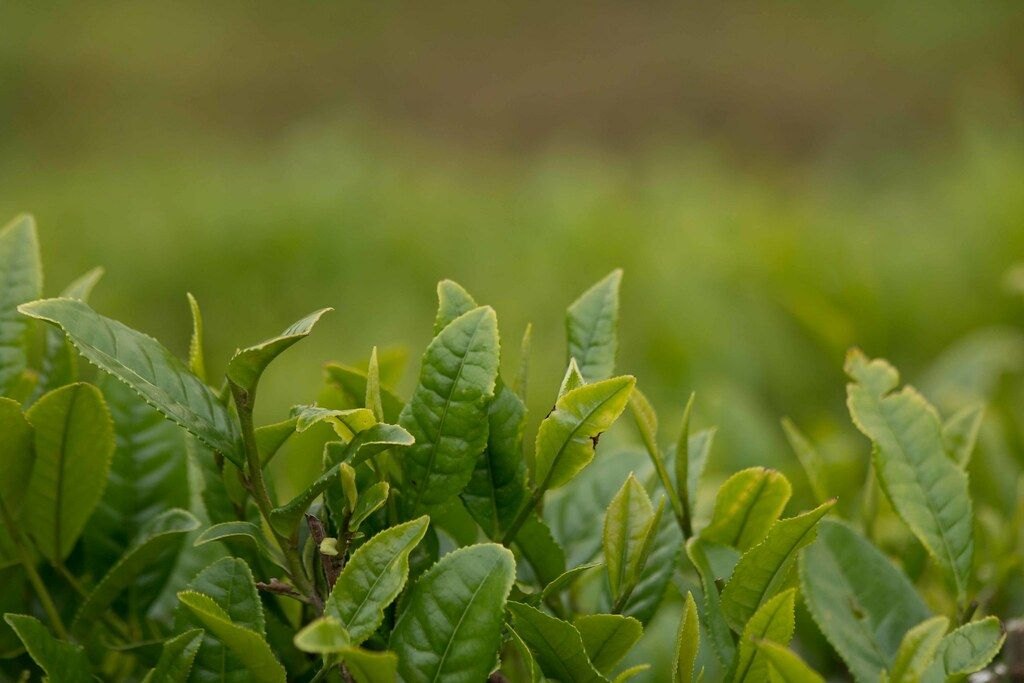
TeaClose-up of young tea leaves and buds in a Korean tea garden (reference photo)craig.rohn / Flickr · CC BY-SA 2.0
South Korea

Gimhae Janggun-cha (Janggun Tea)

Gimhae Janggun-cha is a local tea from Gimhae, Gyeongsangnam-do, South Korea, not a generic “Gimhae green tea.” It is made from a large, thick-leaf local tea population, primarily as non-fermented green tea but also as an oxidised product. The name is tied to a recorded Goryeo-era story in which King Chungnyeol gave the tea the title “Janggun” (general); an older local tradition traces the plants to Queen Heo Hwang-ok and seeds brought from India in AD 48. Gimhae has promoted the tea since 1999, with wild tea clusters on the slopes of Bunseongsan. Official material describes a tea that holds up to 100°C water, has a wild-rose-like aroma and a sweet umami finish. The old draft's 1992/1995/1998/2005 timeline, 200–300 tonne output, 30% market share, Yabukita and dragon-king legend had no verifiable source and were removed.

Green tea
TeaAnother field view of the Niuchang tea farm in Duyun, Guizhou; a reference image, not the Yunwu Mountain tea gardens in Guidingkuaimei / Wikimedia Commons · CC BY 3.0
China · Guizhou

Guiding Yunwu Tribute Tea

Guiding Yunwu Tribute Tea is a nationally protected regional green tea from Guiding County in Guizhou, China. Its core production area is Yunwu Town, and it is a geographical indication, not a single company brand. It received national agricultural GI recognition in September 2010 and a geographical indication certification mark in July 2013. At the end of 2024 the county had 255,600 mu (about 17,040 ha) of tea gardens, 247,300 mu (about 16,487 ha) in production, and an output of 11,807 tonnes, up about 5.35% year on year; Xinhua's contemporaneous figure for primary-sector output value was about RMB 580 million. Local records describe 2,000-plus years of tea growing, 1,000-plus years of tribute tea and 500-plus years of Buddhist tea history; in 1790 the Qianlong court allocated 420 taels of silver and a “Wangu Liufang” tribute stele was erected. The main cultivar is Guiding Niaowang, approved as a provincial improved variety in June 2014, and DB52/T 547—2017 grades the product as Zhengong, Special Grade, Grade 1 and Grade 2.

Green tea

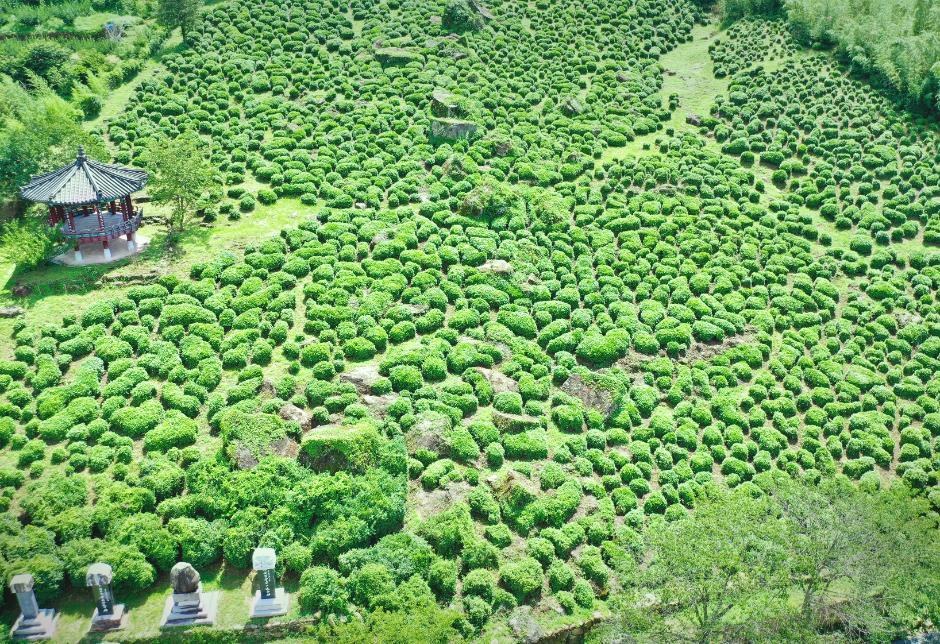
TeaAerial view of a wild tea field and pavilion in Hadong, South Korea© Korea Tourism Organization (KTO), KOGL Type 1 · KOGL Type 1
South Korea

Hadong Green Tea

Hadong green tea is a geographical-indication green tea region in Hadong County, South Korea, not a single brand. Official material dates the beginning to 828, when Kim Daeryeom returned from Tang China with tea seeds and the king ordered them planted on Jirisan; the county describes about 1,200 years of tea history and calls itself the first tea cultivation site. Hadong was designated a wild tea industrial special district in 2006, a Korean Important Agricultural Heritage (KIAHS) in 2015 and a FAO Globally Important Agricultural Heritage System (GIAHS) in 2017. The 2008 official count was 2,100 tea households, 1,048 ha, 2,230 tonnes and KRW 26.1 billion. Its signature process is *deokkeum*, repeated pan-firing and rubbing, not Japanese steaming; the tea fields run along the Seomjin River and Hwagae Stream, with fog, high humidity and a wide day–night temperature range. Old claims about a “Chinese small-leaf descendant,” “Jirihyang,” wild tea trees “discovered in the 1970s” and a Japanese-colonial break in mechanisation have no source and are removed.

Green tea
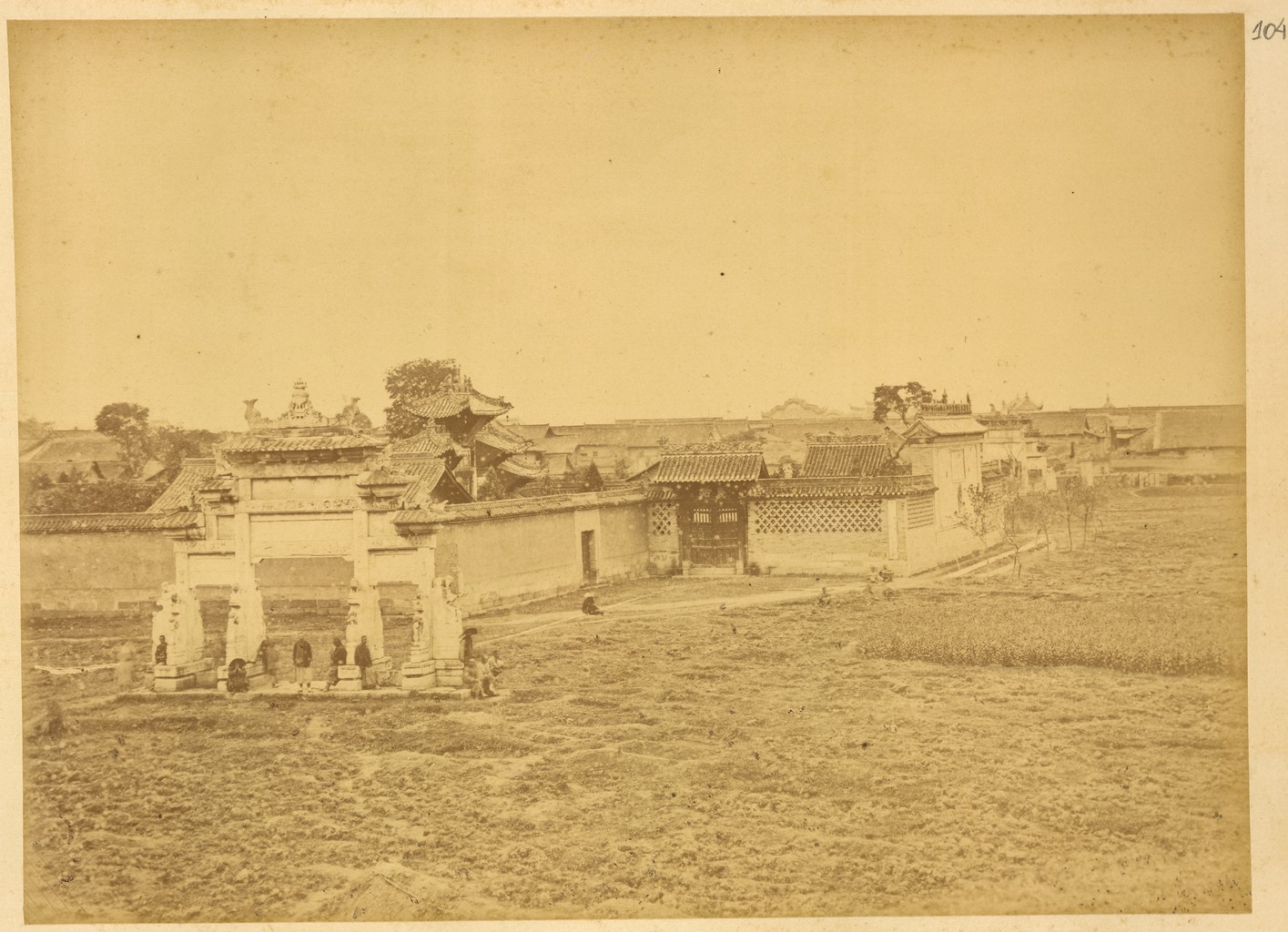
TeaAn 1875 photograph of the white pailou and walled enclosure of the tea trading market at Hanzhong Fu; a historical image, not a modern Hanzhong tea gardenAdolf-Nikolay Erazmovich Boiarskii / Wikimedia Commons · Public domain
China · Shaanxi

Hanzhong Xianhao

Hanzhong Xianhao is a geographical indication regional public brand for green tea in Hanzhong, Shaanxi, China. It is not a single company, a single cultivar, or a single retail SKU. In 2007, AQSIQ Announcement No. 178 placed Hanzhong Xianhao under geographical indication product protection across eight tea-producing counties, 112 townships and 894 villages. The official notice defines three fresh-leaf grades — Special, First and Second — and a seven-step process: spreading, killing the green, carding, shaping, raising the white hairs, drying and sorting. In 2024, Hanzhong had 132.4 wan mu (about 88,270 ha) of tea gardens, 71,000 tonnes of total tea output and CNY 11.07 billion in dry maocha value; Hanzhong Xianhao itself produced 1,675 tonnes worth CNY 1.98 billion. The 2025 brand value was CNY 5.098 billion, and the national geographical indication protection demonstration zone passed an on-site review in September 2025.

Green tea
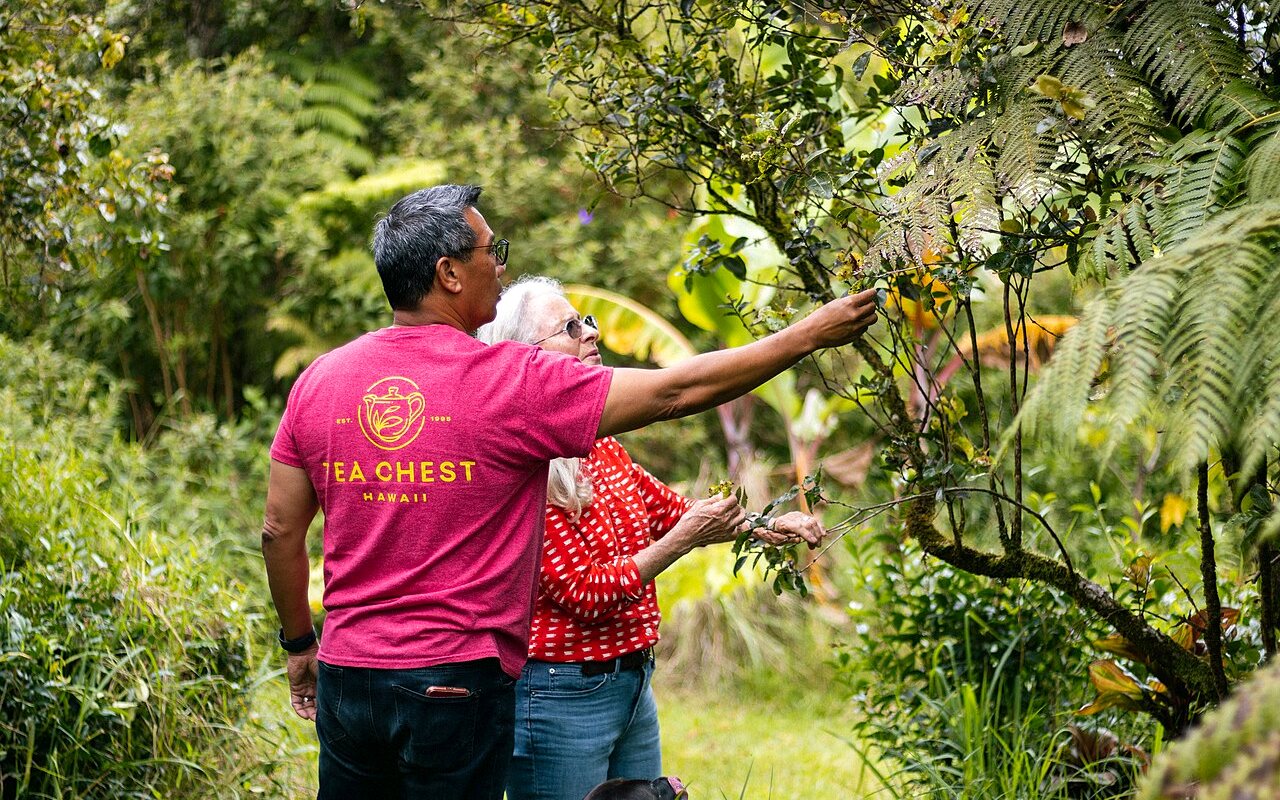
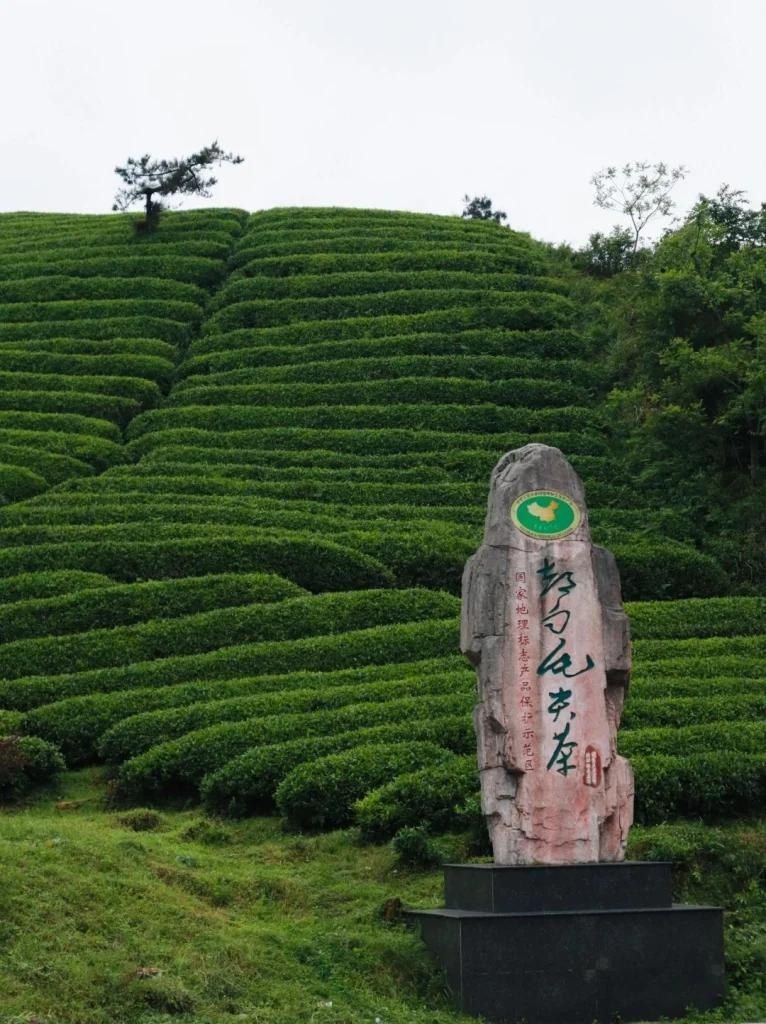
TeaBig Island Tea founder Eliah Halpenny and Tea Chest Hawaii's Byron Goo at a cloud-forest tea farm on Hawaiʻi IslandTeaChestHawaii / Wikimedia Commons · CC BY-SA 4.0
United States

Hawaii Volcano Green Tea

Hawaii volcano green tea is a regional name for green tea grown on the volcanic highlands of Hawaiʻi Island, especially around Volcano at about 4,000 ft and the north-east slope of Mauna Loa at about 3,000 ft. It is not a single brand, and not all Hawaiian tea comes from volcanic highlands. Tea was introduced to Hawaiʻi in 1887. In 1999–2001, USDA/ARS and the University of Hawaiʻi CTAHR established clonal trials at Waiakea (600 ft), Mealani (2,800 ft) and Volcano (4,000 ft); Mealani and Volcano produced excellent green and oolong tea. Big Island Tea, founded in 2001, makes small-batch handmade green and black tea on a volcanic-ash garden at about 3,000 ft on Mauna Loa. Volcano Winery, at about 4,000 ft near the Kilauea summit, took cuttings in 2005, planted in 2006, reached one acre by 2011 and makes black and white tea. Tea Hawaii works in native-forest agroforestry at Volcano Village. Public sources do not give a single “volcanic mineral” sensory standard, so volcanic-ash soil cannot be treated as a guaranteed flavour.

Green tea
TeaTerraced tea rows below Jingting Mountain in Xuancheng, Anhui, with woodland behind (regional Anhui tea image, not a photo of Jinshan village)fish4fish / Wikimedia Commons · CC BY-SA 3.0
China

Jinshan Green Tea (Jinshan Shiyu)

Jinshan green tea usually refers to Jinshan Shiyu, a historical green tea from Jixi county in Anhui, China. Its core village sits at about 500–900 m, and the tea is picked around Guyu, when the tightly rolled strips are said to resemble rain threads. It received national geographical indication product recognition in 2025. The old machine draft placed it in a Chinese village in Pai, Thailand, and invented a “Veteran Duan” origin story; that claim has no reliable source and has been corrected.

Green tea
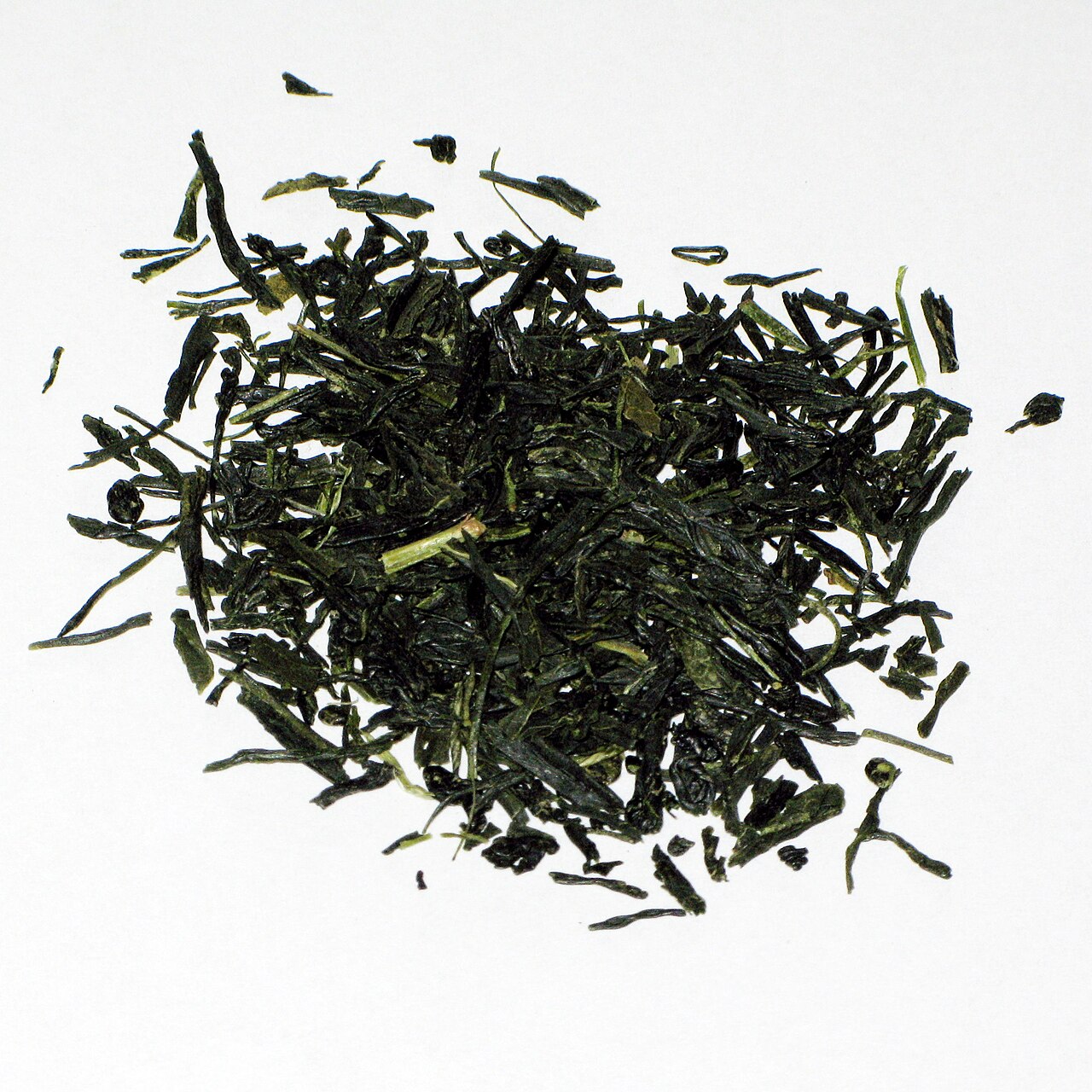
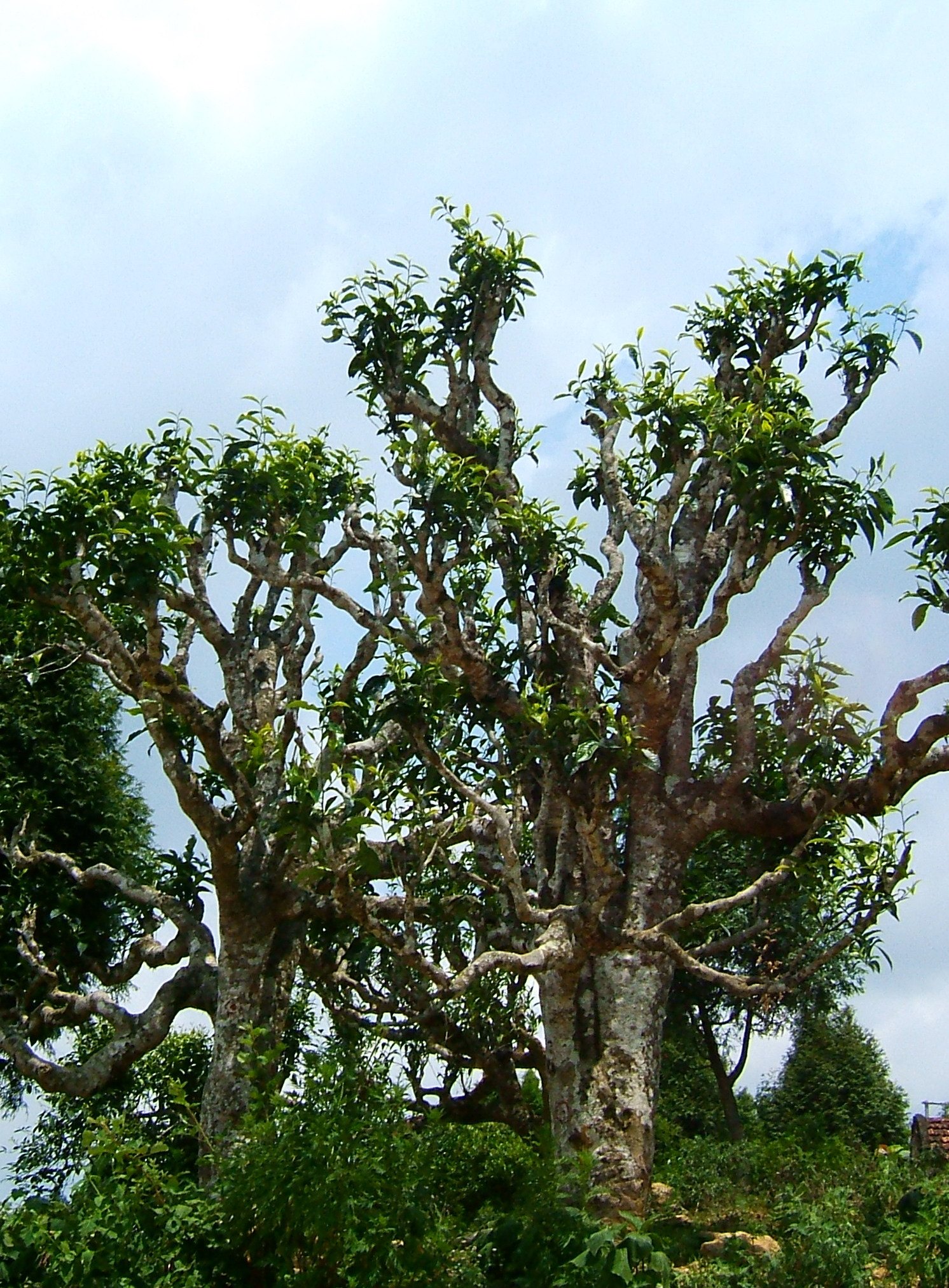
TeaPan-fired kamairicha dry leaves from Miyazaki, Japan, curled into magatama-like shapesDifference engine / Wikimedia Commons · CC BY-SA 4.0
Japan

Kamairicha

Kamairicha is a Japanese green-tea category defined by pan-firing rather than steaming. Fresh leaves are tossed in a hot iron kettle or pan at about 300–400°C, then rolled and dried; because the leaves are not given the final needle-straightening pass, the finished tea often curls into a magatama-like shape. The main producing areas are Miyazaki, Saga, Oita and Kumamoto. The Japan Tea Central Association's 2026 data puts Miyazaki first in kamairicha output, with 1,110 ha of tea and 2,880 tonnes of aracha; nationally there are 33,400 ha of tea and 75,100 tonnes of aracha. The Gokase GIAHS page says kamairicha accounts for less than 1% of Japanese tea. It has a kettle aroma (kamaka), a clear golden liquor, lower astringency and a roasted-sweet finish, but it is not hojicha and not the same thing as Chinese pan-fired green tea.

Green tea
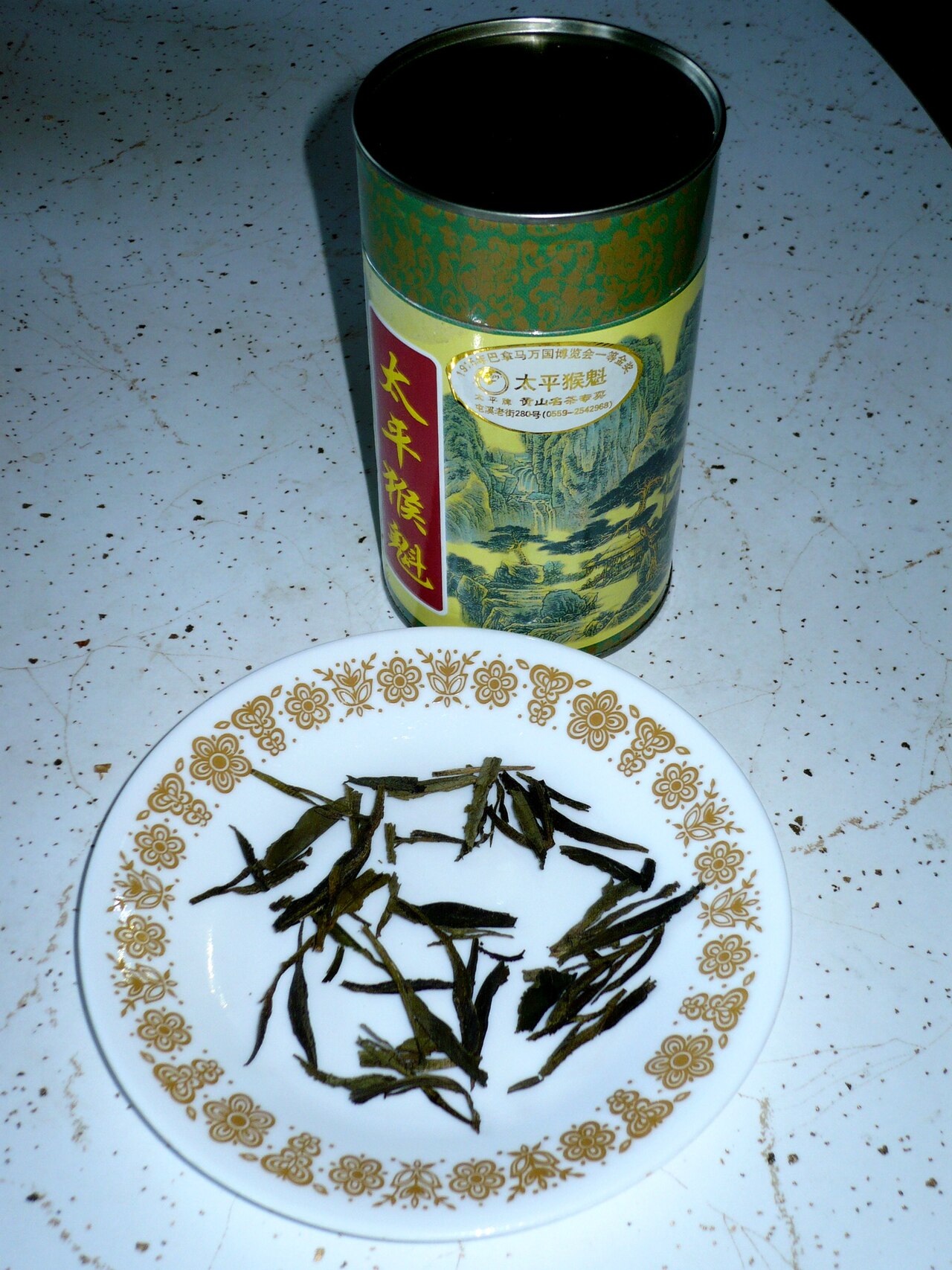
TeaA high-elevation tea garden at Kanyam, Ilam, Nepal; a Nepal tea-garden reference image, not the KTERC estate in PanchtharHari gurung77 / Wikimedia Commons · CC BY-SA 4.0
Nepal

Kanchanjangha Verde

Kanchanjangha Verde is a high-mountain organic green tea made by the Kanchanjangha Tea Estate and Research Center (KTERC) in Panchthar, eastern Nepal. It is also sold as Kanchanjangha Verde (Himalayan Mist). KTERC was founded in 1984 and describes itself as Nepal's first certified organic tea garden; its 95-hectare estate sits in the foothills of Kanchenjunga, with the estate's own materials giving two altitude ranges, 800–2,300 m for the whole property and 1,300–1,800 m for the main garden. The leaf is hand-plucked, briefly rested, quickly dried to stop oxidation, rolled, rested, re-dried, crushed and machine-sorted, then hand-graded. The method is close to classic green tea from the Darjeeling Hills.

Green tea
TeaTea terraces and a geographical indication stone at the Duyun Niuchang tea farm in Guizhou; illustrative image, not a Shiqian sitekuaimei / Wikimedia Commons · CC BY 3.0
China

Shiqian Taicha

Shiqian Taicha is a geographical-indication green tea from Shiqian County, Guizhou, and the name covers both the local tea population and the product. It received national GI product protection in 2009, was registered as a GI certification mark in 2010 and as a China Well-Known Trademark in 2013; local material calls it one of Guizhou’s three famous teas. In 2025 the county reported 29,510 tonnes of finished tea, RMB 3.2 billion in combined output value, 436,000 mu of tea gardens and more than 50,000 ancient tea plants.

Green tea
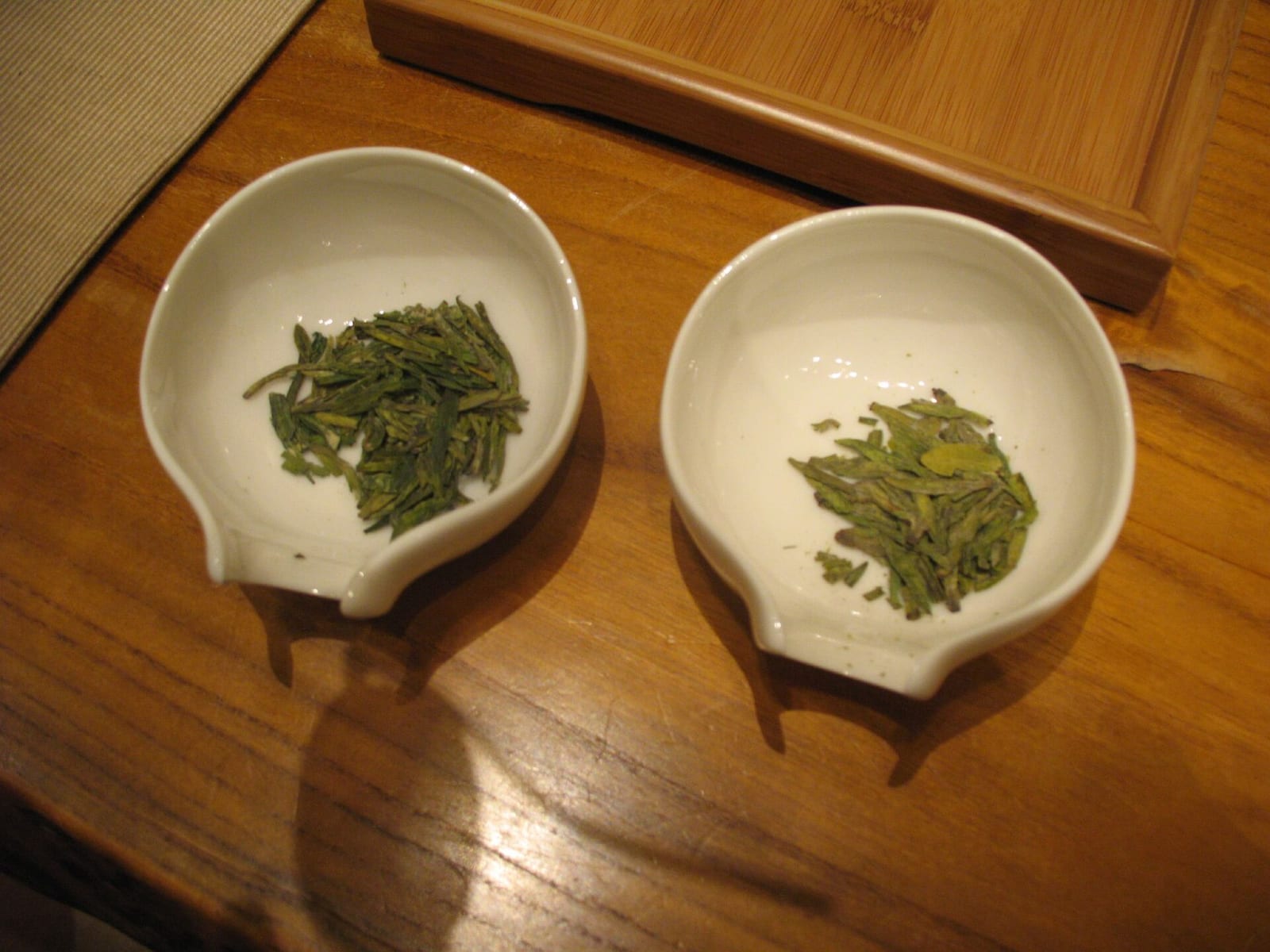
TeaA reference photograph of flat green tea leaves, using Longjing as the sample; not a product photograph of Xixiang Wuzi XianhaoRomain Guy / Wikimedia Commons · CC BY-SA 2.0
China · Shaanxi

Xixiang Wuzi Xianhao

Wuzi Xianhao is a strip-shaped green tea from Xixiang County, Shaanxi, standardised in 1985 and named by tea scholar Chen Chuan. Xixiang officials often call it a predecessor of Hanzhong Xianhao, but it is not a separate geographical indication today: Hanzhong began consolidating local tea brands in 2005, and the geographical indication approved in 2007 is “Hanzhong Xianhao”. In 2024 the county's tea-industry figures were 360,000 mu of tea gardens, 20,100 tonnes of dry maocha and CNY 2.946 billion in output value; the county statistical communiqué gives 343,500 mu and 16,780 tonnes. The two sets of figures use different reporting systems and should not be mixed.

Green tea
TeaA reference photograph of a terraced tea garden in Hangzhou; not a Ziyang tea garden or a product photograph of Ziyang MaojianArmin Kübelbeck / Wikimedia Commons · CC BY-SA 3.0
China · Shaanxi

Ziyang Maojian

Ziyang Maojian is a traditional famous tea from Ziyang County, Shaanxi, and a registered geographical-indication certification trademark. Today it usually appears as a green-tea product under the regional public brand “Ziyang Selenium-Rich Tea”; the 2004 protected product and the 2023 protection upgrade cover “Ziyang Selenium-Rich Tea”, not the four characters “Ziyang Maojian”. In 2024 the county reported 260,000 mu of tea gardens, 12,800 tonnes of tea, CNY 3.55 billion in output value and CNY 7 billion in composite output. These are industry figures, not statistical-communiqué figures.

Green tea

Explore the world of tea

ESC
Search in

Type a word. Let curiosity lead the way.

Open the full search page →
See all results