Gyokuro is shaded tea that is still rolled into shape
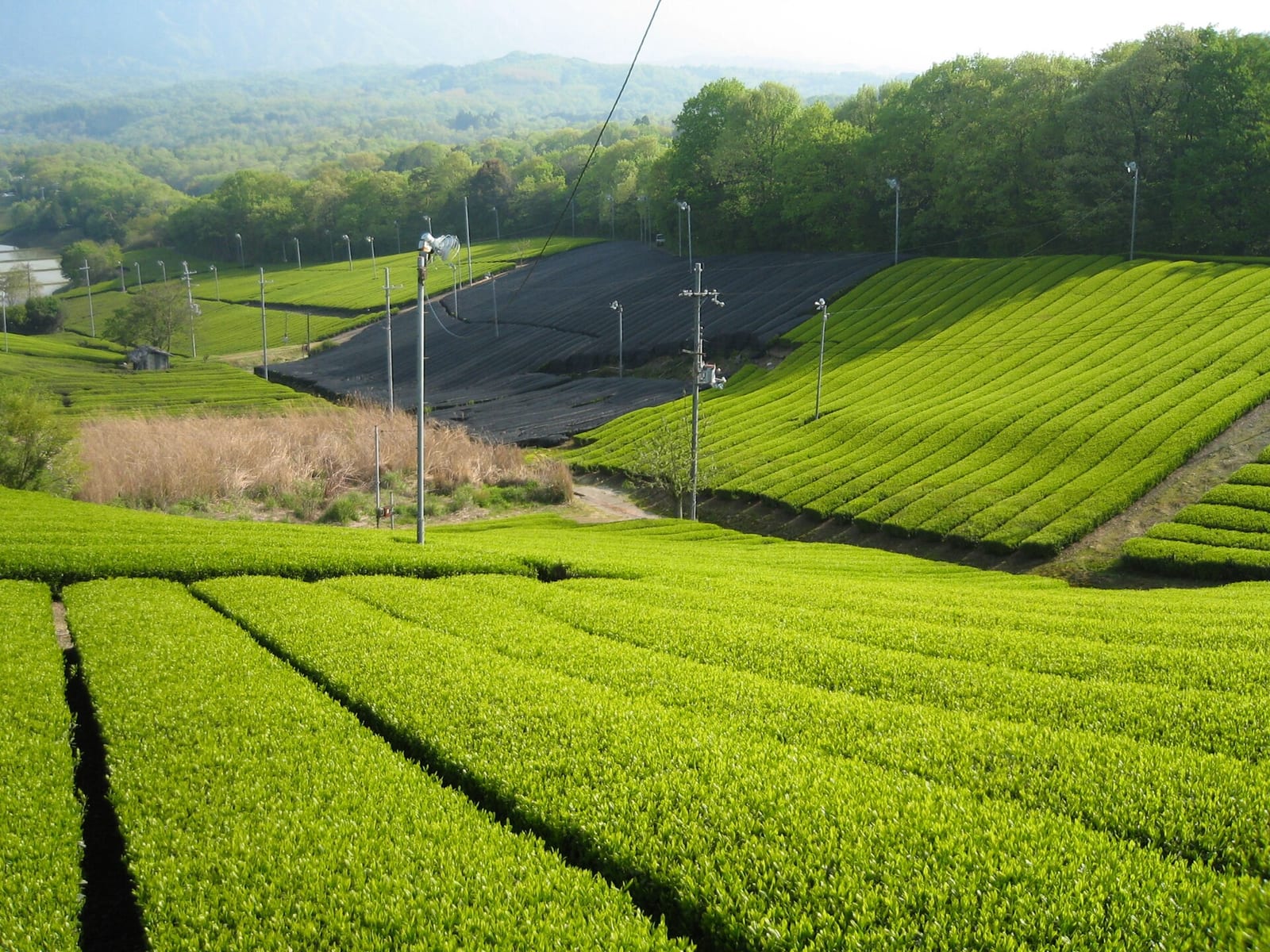
Gyokuro and tencha are both shaded, but their processing diverges. MAFF describes gyokuro as tea covered with straw or shade cloth for about twenty days before picking, then steamed, rolled and dried, keeping the long, needle-like leaf form. Tencha is steamed but not rolled, dried, de-veined and milled into matcha. Both come from the same plant; cultivation and processing separate them.
“Twenty days” is a common range, not a fixed legal number. Origin, cultivar, weather and the target style all change the cover period. A label that gives the shading duration and picking standard is more informative than the word “gyokuro” alone.
Why brew it cool
Shading allows amino acids to accumulate relative to catechins, so gyokuro has more umami and sweetness and less astringency. But those compounds also dissolve quickly at high temperature, bringing bitterness with them. A common approach is water at 50–60°C, a generous leaf ratio and a first infusion of about ninety seconds to two minutes. The first pour is small and dense; later infusions can be slightly longer.
Cooler is not automatically better. Below 40°C the aroma may not open and the cup can taste flat. Above 70°C it easily turns bitter. Start at 50–60°C, then compare with your own tea and vessel before adjusting.
Leaf and flavour
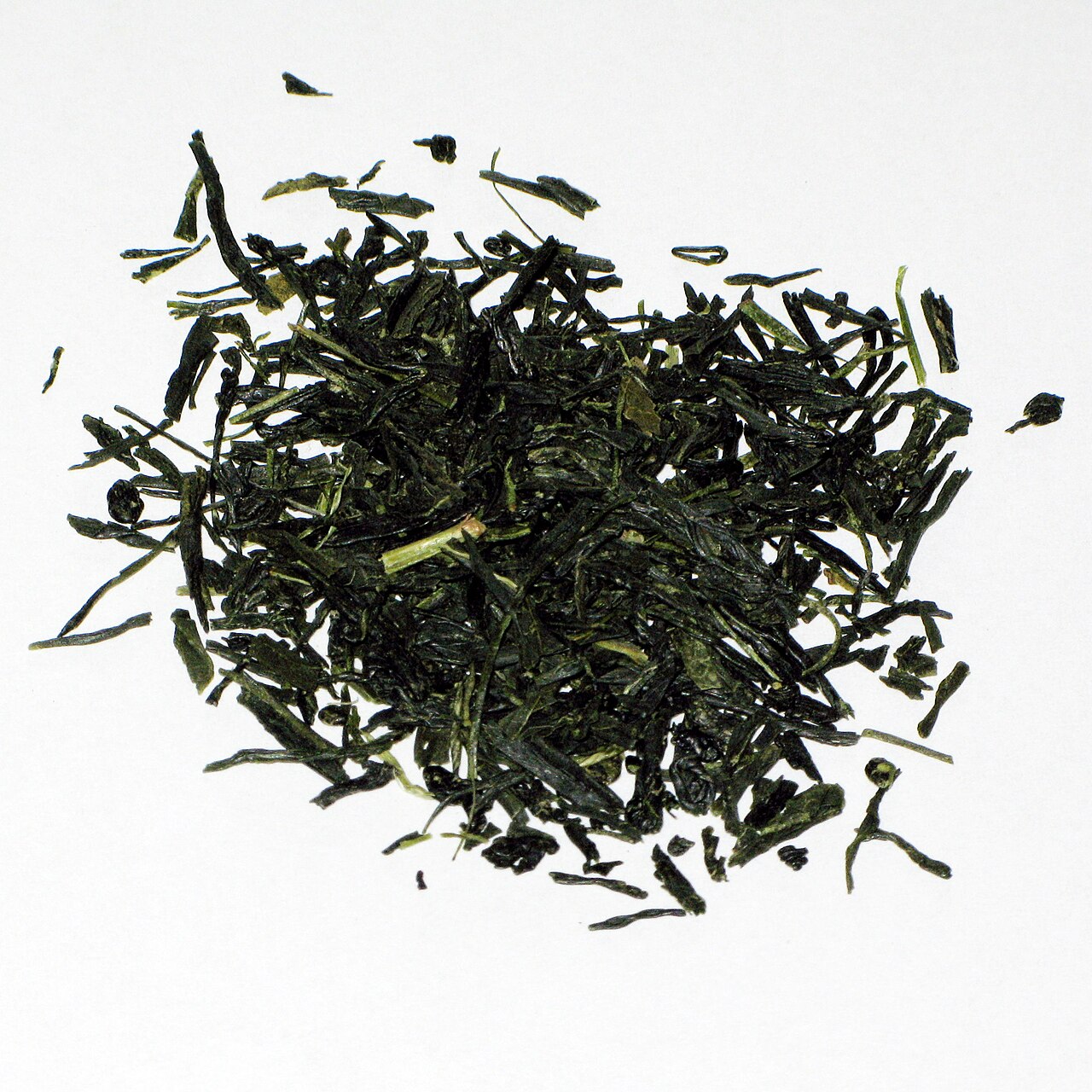
Dry gyokuro is deep green to dark green, long, tight and slightly glossy. The aroma suggests seaweed, young leaf and a light floral note, not stale grass. The liquor is pale yellow-green to yellow-green and clear. Umami arrives first, sweetness follows, astringency stays low, and the finish is long. A cloudy, yellow or sharply bitter cup may come from coarse leaf, poor storage or water that is too hot.
Gyokuro’s “umami” is not added MSG, and stronger is not always better. Its value lies in the balance between savouriness and sweetness. Once bitterness dominates, an expensive leaf is just a strong green tea.
Origin and history
MAFF lists Mie, Kyoto and Fukuoka as the main gyokuro origins. Uji is one historic brand centre, not the only source. Uji City places gyokuro alongside tencha and sencha in the same tea-plant system and stresses hand-picked first flush and shade cultivation.
The Uji tea World Heritage platform’s timeline records 1835 as the year Uji combined shade cultivation with the sencha process to make gyokuro. The style later spread to Yame in Fukuoka, Mie and other regions. Today “gyokuro” is a tea type; “Uji gyokuro” is an origin and brand. The two cannot replace each other.
Sources and status
This page relies on MAFF, Uji City and the Uji tea World Heritage platform. MAFF supports the definition, the twenty-day cover and the origins; Uji City supports hand-picking and shade cultivation; the platform timeline supports the 1835 creation of gyokuro. Unsourced legacy claims — “Yamamoto Kahei invented gyokuro”, “gyokuro is Japan’s most expensive tea”, “Emperor Meiji called it a drink for gods” — have been removed. All migrated pages are currently marked reviewed, but sources and wording will continue to be revised.