Tencha is the material for matcha, not the finished product
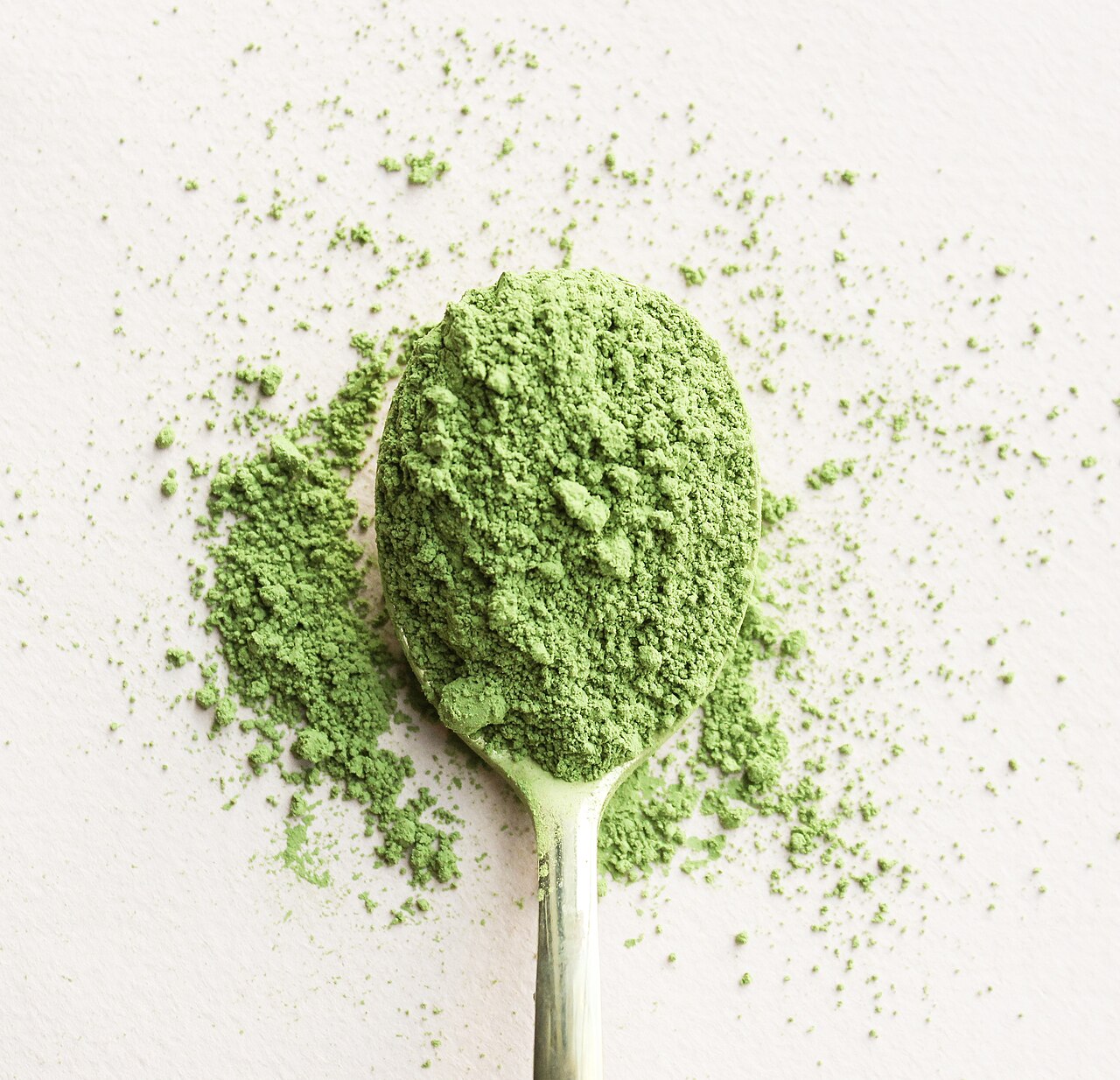
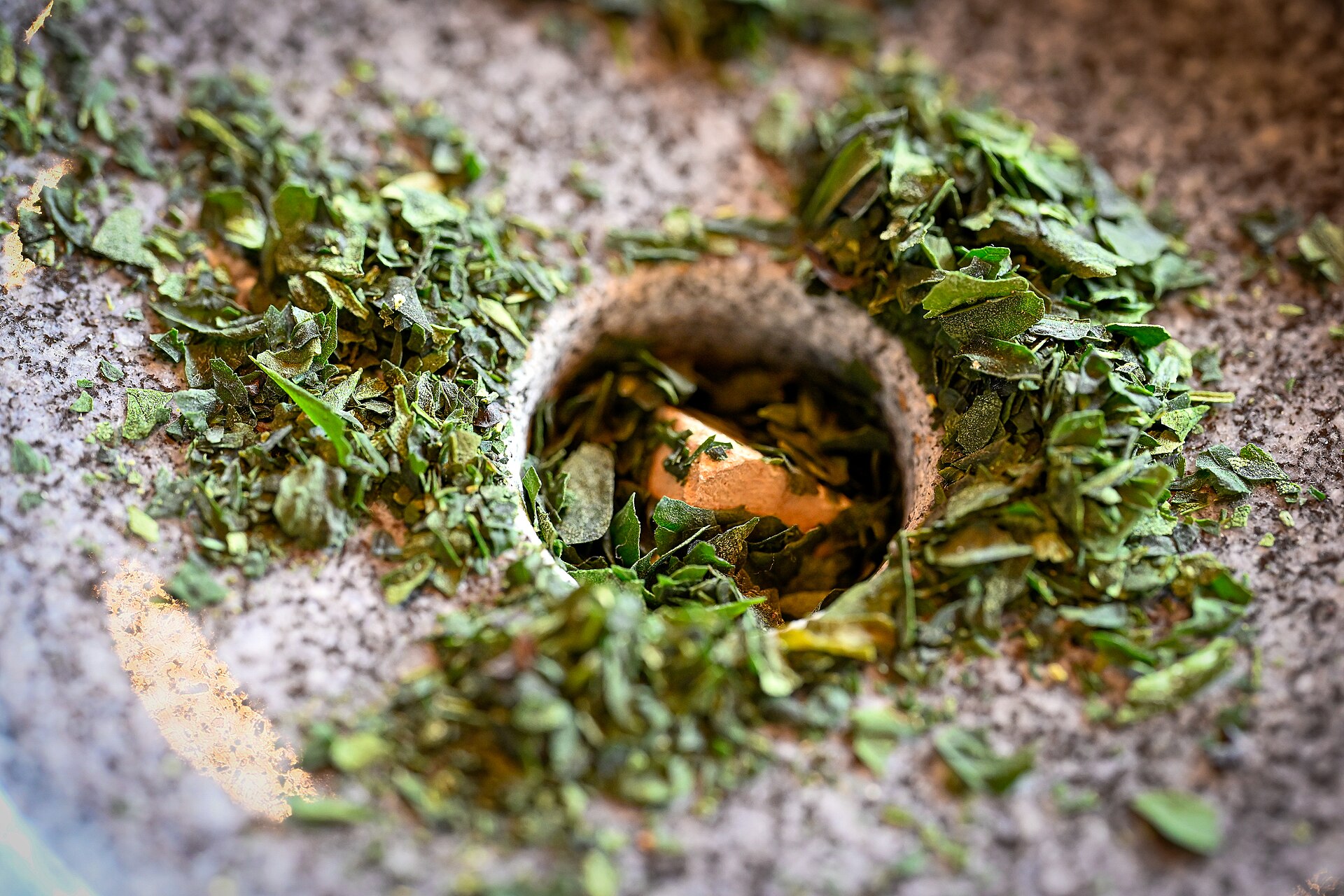
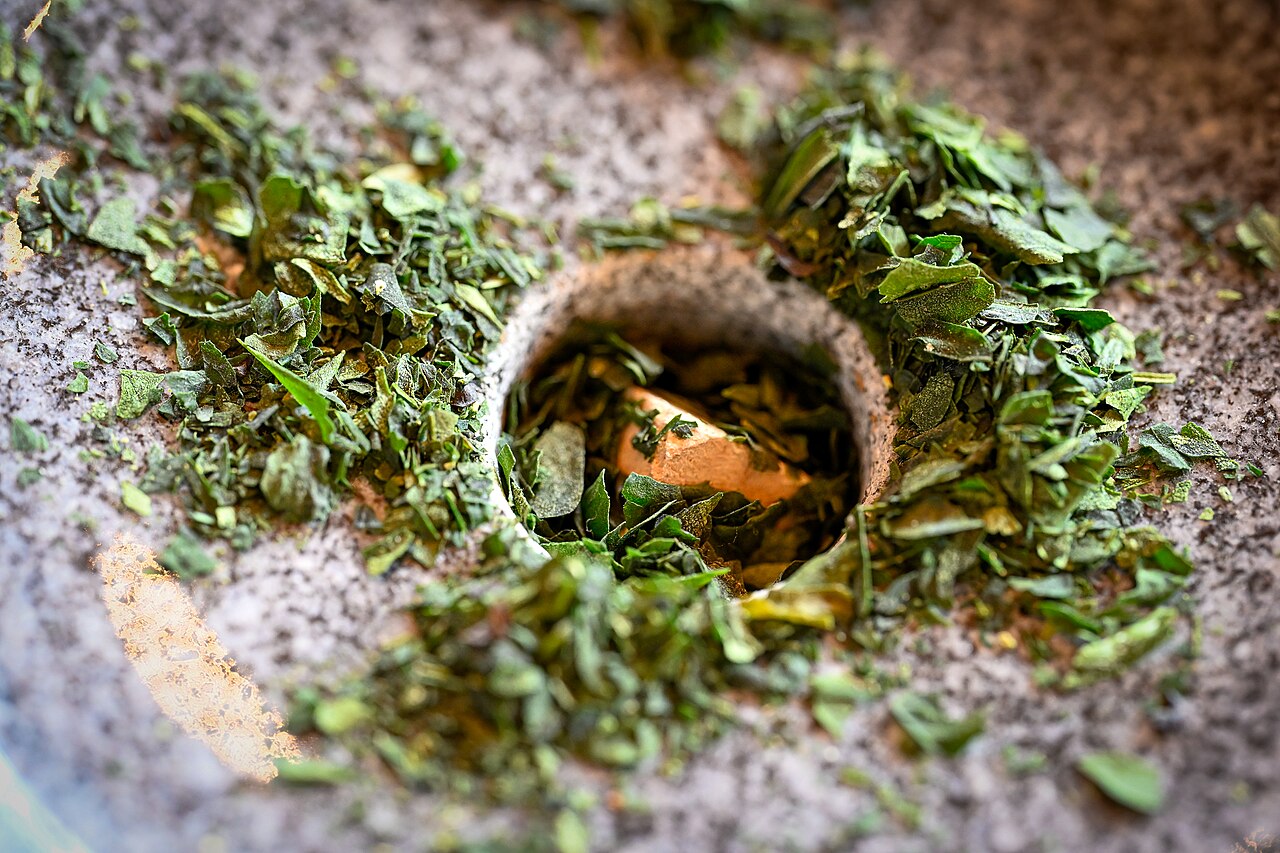
Tencha is shade-grown tea that has been steamed, left unrolled, dried, de-stemmed and de-veined, leaving leaf-flesh flakes. It is usually not sold as a loose-leaf tea; it goes to a matcha mill or tea house and becomes powder. Calling tencha a “semi-finished matcha” is imprecise. It is matcha’s previous body, but it is also a tea in its own right and can be brewed.
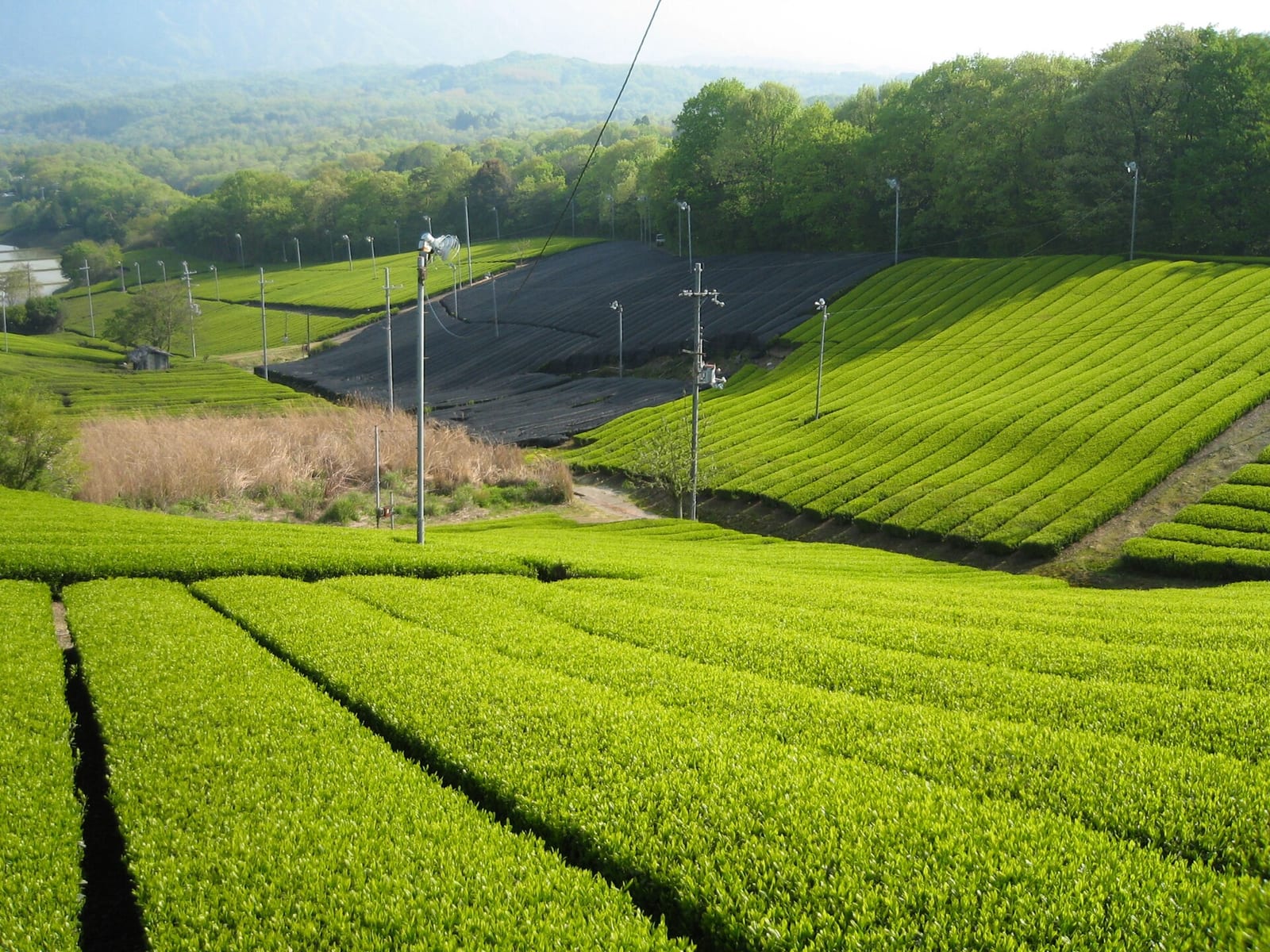
The Agriculture, Forestry and Fisheries Research Council (AFFRC) defines the process clearly: cover the garden for about three weeks (around 20 days) before picking, steam the leaf, do not roll it, dry it into tencha, then mill it into powder. The decisive steps are shading and no rolling, not grinding.
Three keywords
- Shade. Low light increases chlorophyll and allows amino acids to accumulate relative to catechins, so astringency falls. The cover period varies by origin and year; about three weeks (around 20 days) is a common range.
- No rolling. Sencha is rolled into shape. Tencha is left flat, which makes the dried leaf easier to de-vein and easier to mill evenly.
- De-stemming and de-veining. After drying, stems and veins are removed, leaving only leaf flesh. Traditional production sorts by hand; modern production uses air, electrostatic and colour sorting. The higher the grade, the cleaner the leaf flesh.
Tencha, sencha and gyokuro
All three come from the same tea plant; cultivation and processing separate them. Sencha is unshaded or lightly shaded, steamed and rolled into shape. Gyokuro is shaded for about twenty days, steamed and rolled, keeping the leaf form. Tencha is also shaded, but steamed without rolling, then dried, de-veined and milled. The World Green Tea Association places tencha and gyokuro among shaded teas, but their processing paths diverge.
Tencha is also not “ground sencha”. Sencha’s rolling damages leaf cells and shapes the strip. Tencha stays flat, and the resulting powder has a different colour, aroma and texture.
How to judge tencha
Dry tencha consists of deep-green to dark-green leaf-flesh flakes, fairly uniform, light and crisp. The aroma should be seaweed, young leaf or a light floral note, not stale grass or smoke. Brewed with cooler water, the liquor should be bright green, sweet and low in astringency. If the leaf is yellow, full of stems and veins, or dull in aroma, the matcha milled from it will not improve.
Tencha usually costs more than ordinary sencha because shading, hand-picking, de-veining and low-temperature drying add cost. But expensive does not mean suitable. Ceremonial tencha aims at sweetness and colour; culinary tencha aims at volume and stability. They are judged by different standards.
Origin and history
Tencha is produced in Kyoto, Kagoshima, Shizuoka, Aichi and Fukuoka, among other regions. Uji is a historic centre of tencha and matcha, but today’s largest tencha volumes come from outside Uji as well. Uji’s brand and craft tradition remain, while other regions supply volume.
Tencha’s history runs alongside matcha. After the Muromachi period, Uji growers developed shade cultivation; shaded leaf was steamed, left unrolled, dried and ground into matcha. In the Edo period, tencha became a storable raw material: tea shops milled powder only when an order arrived, to keep it fresh. Modern nitrogen flushing, refrigeration and finer mills have changed the details, but the logic of “store tencha, mill matcha to order” still holds.
Sources and status
This page relies on MAFF, the Agriculture, Forestry and Fisheries Research Council (AFFRC) and the World Green Tea Association. MAFF supports classification; AFFRC supports the tencha definition, cover period and no-rolling step; the World Green Tea Association supports the comparison with gyokuro and the production background. Unsourced legacy claims — “tencha is never sold”, “top tencha costs tens of thousands of yen per kilogram”, “Edo cellars kept it for a year without colour loss” — have been removed. All migrated pages are currently marked reviewed, but sources and wording will continue to be revised.