“Uji” is first a tea area
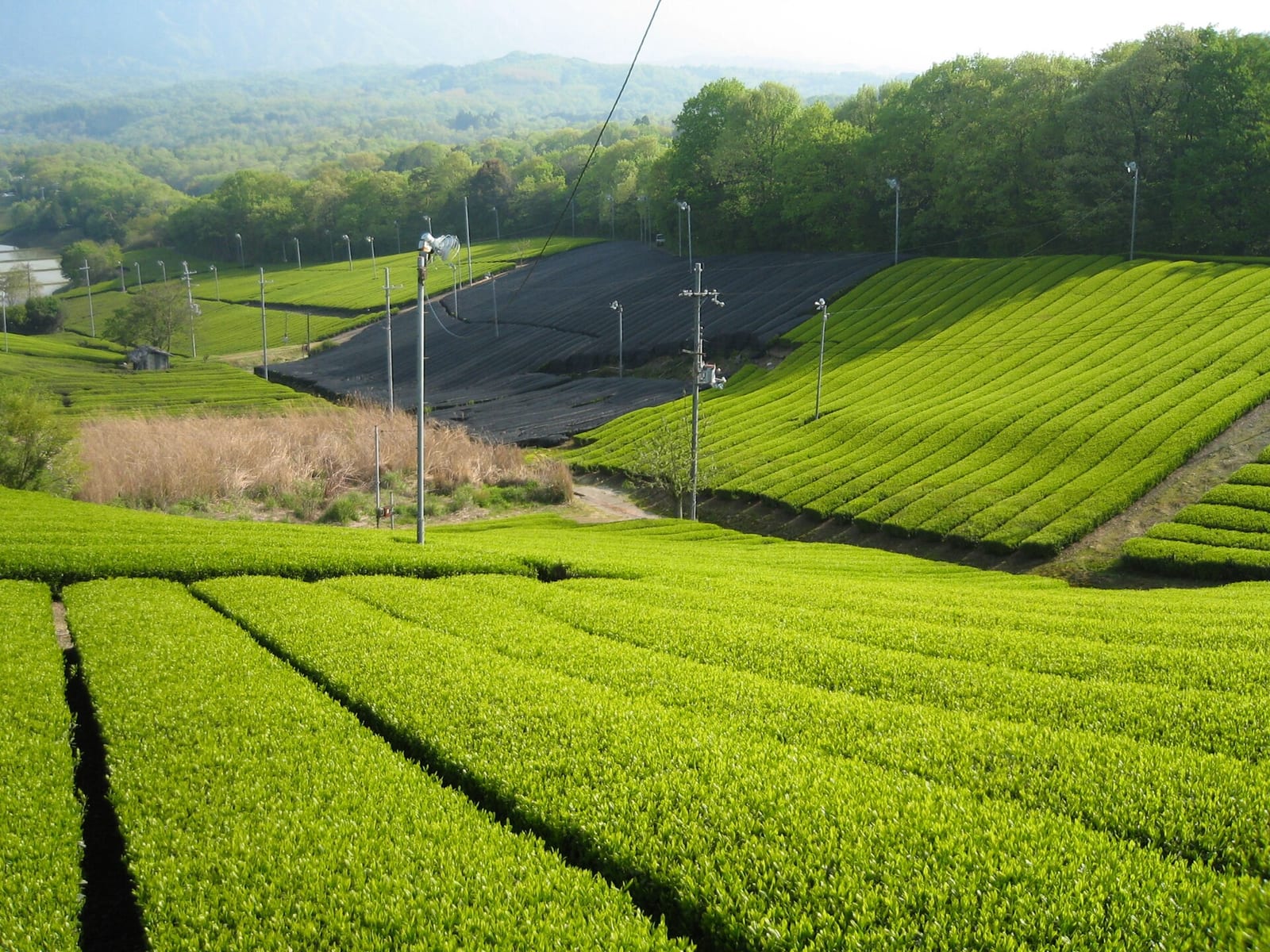
Uji matcha is not a separate cultivar or a secret recipe. It first refers to matcha produced in Uji and the surrounding tea area of Kyoto Prefecture, and only then to a brand and a craft tradition. Uji City’s leaflet sums up Uji tea as hand-picked first flush, shade cultivation, suppressed astringency and increased umami. Tencha, gyokuro and sencha all come from the same tea plant; the differences lie in cultivation and processing.
“Uji matcha” therefore contains at least three layers: leaf grown in the Uji tea area; processing as tencha; and milling and blending by a tea merchant. The word “Uji” on a packet does not prove all three. More reliable information is the origin, garden, cultivar, processor and grade mark, rather than treating “Uji” as an adjective.
Shade and hand-picking
The Uji tea area treats shade cultivation as central to high-quality green tea. Covers are built over the bushes before picking, so the new shoots grow in low light. Uji City says this suppresses astringency and increases umami. The duration differs by tea type: about twenty days for gyokuro, about two to three weeks for tencha, adjusted by cultivar, weather and leaf stage.
Uji City also stresses hand-picked first flush: the first spring shoots are picked by hand, taking only the required buds and leaves and leaving the second and third flushes. Hand-picking is not a romantic performance; it keeps the shaded leaf intact and reduces mechanical damage. Uji also uses machine picking on larger gardens today. Top tencha is still largely hand-picked, but “hand-picked” is not a universal label for every Uji matcha.
Tencha and milling
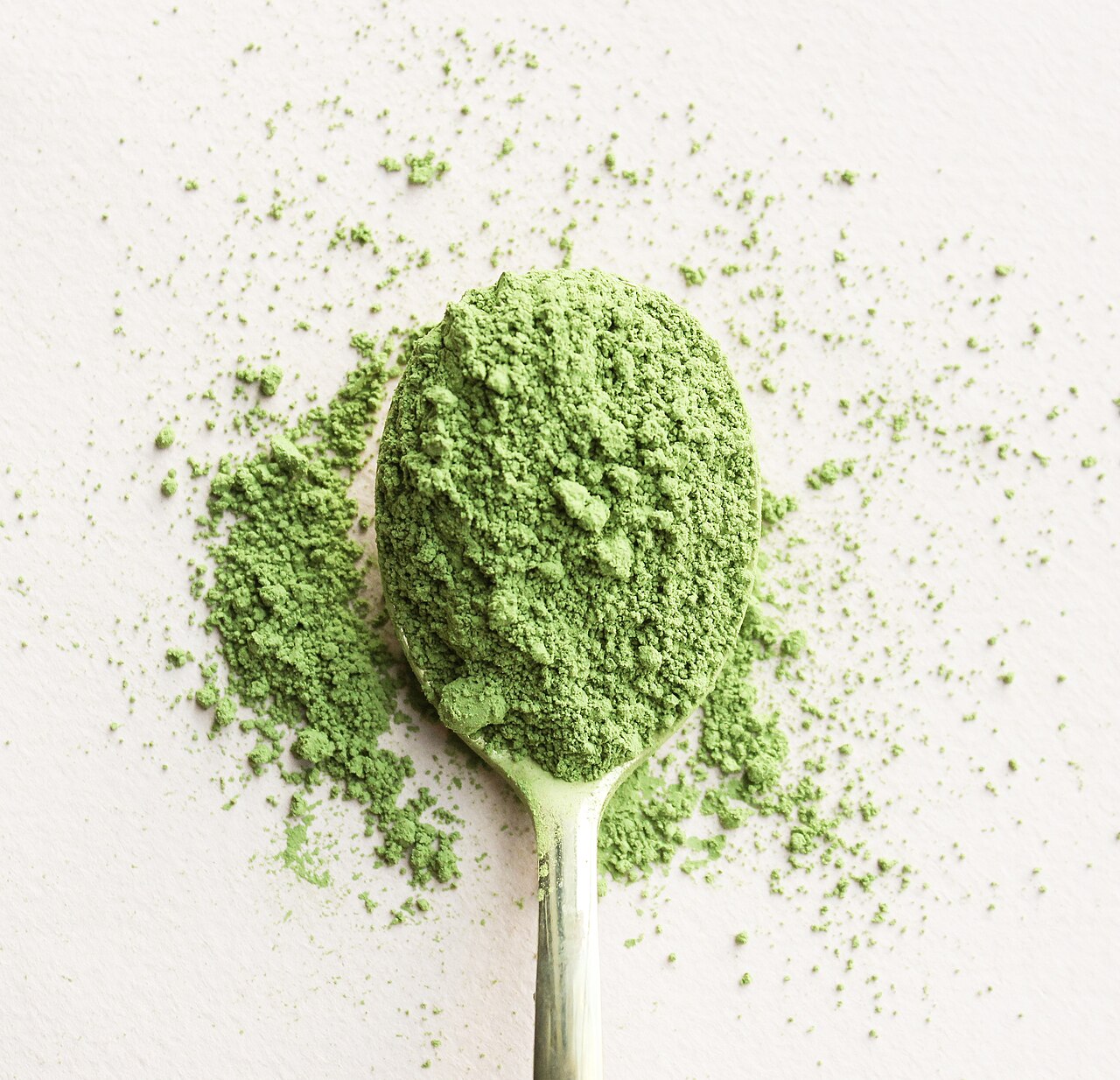
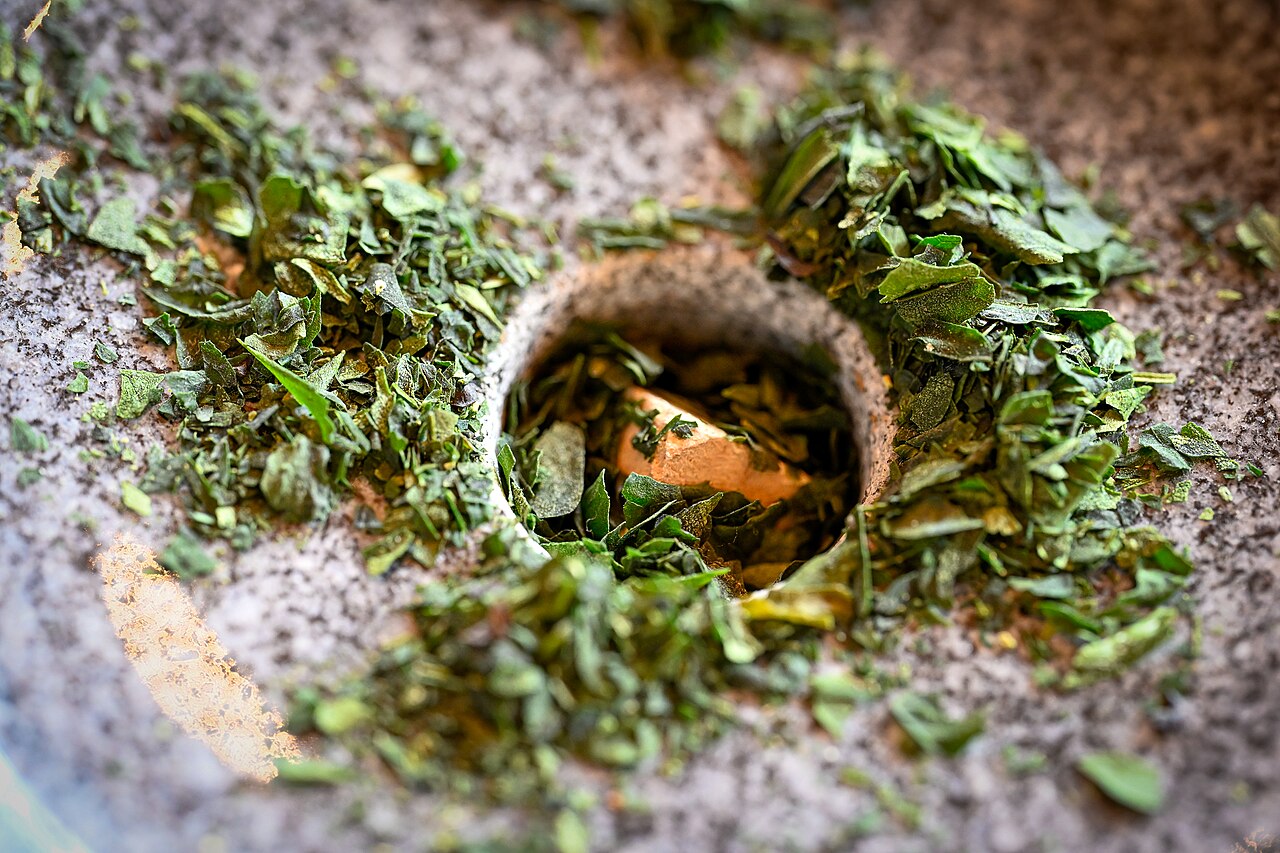
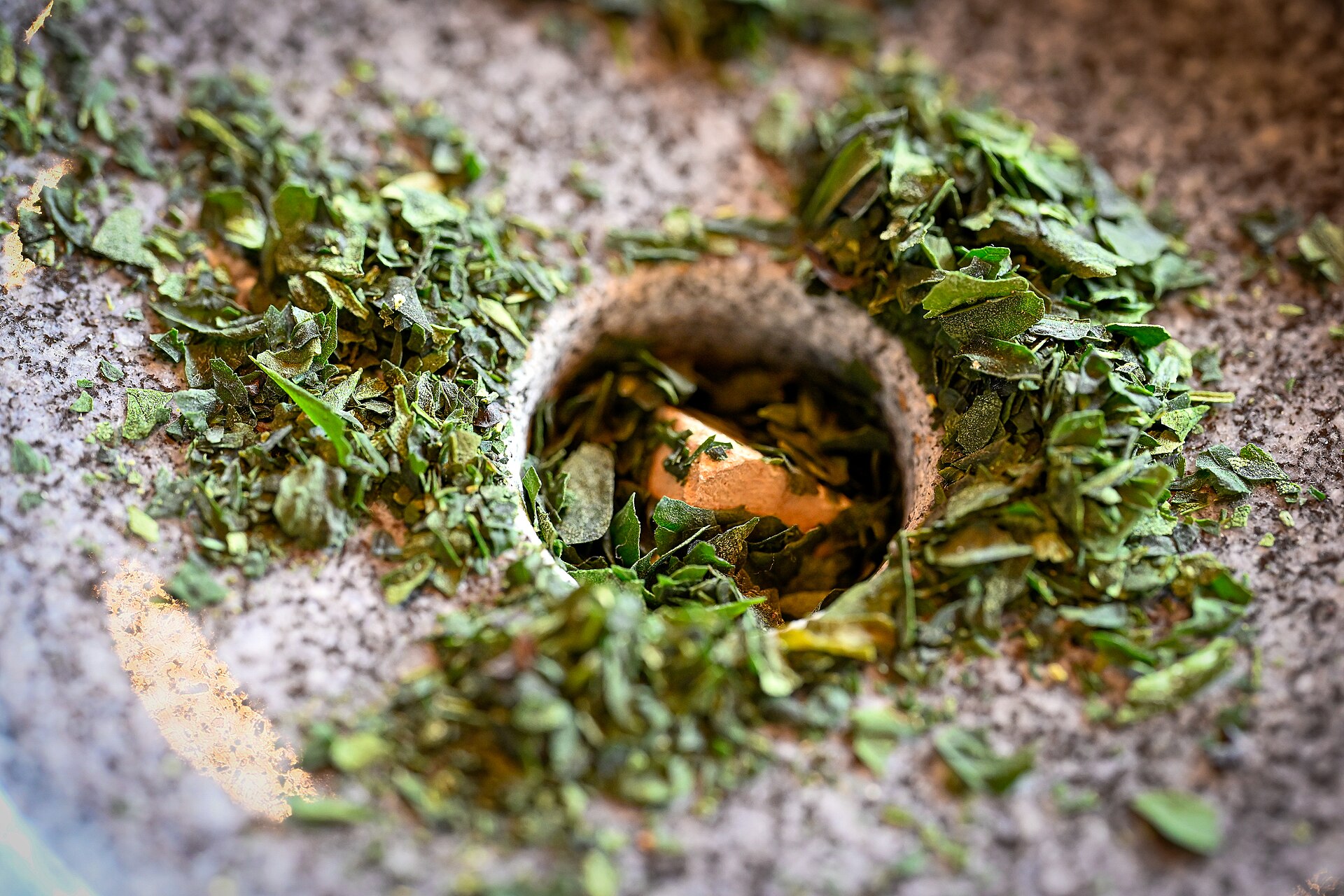
The raw material for Uji matcha is tencha. The leaf is steamed, left unrolled, dried flat, de-stemmed and de-veined, leaving only leaf flesh; it is then milled with a stone mill or a modern mill. Uji’s historical advantage lies not only in the garden but in blending and milling: different tencha lots are combined by year, cultivar and aroma to produce a stable powder.
Milling generates heat; too much heat turns the powder yellow, cooked and flat. Uji houses therefore emphasise low-temperature, slow milling, protection from light, sealing and cold storage. A packet that says “Uji matcha” but gives no production date, processor or storage advice still has an incomplete information chain.
A historical timeline
- 1191: Eisai returns from China with tea seeds; Uji and Toganoo become early tea gardens.
- Muromachi period: the seven famous Uji gardens are established, and Uji is recognised as a premium tea origin.
- 1738: Nagatani Soen of Ujitawara develops the Uji hand-rolling method for aosei sencha, changing Japanese green-tea production.
- 1835: Uji growers combine shade cultivation with the sencha process to create gyokuro; in the same period, shaded leaf is made into tencha and milled into matcha.
- Edo to Meiji: Uji tea becomes a major premium and export brand. After the Meiji period, Shizuoka and Kagoshima overtake Uji in volume, while Uji retains brand and craft status.
The timeline shows that Uji matcha is not an eight-hundred-year unchanging recipe. It is the result of repeated reorganisation of gardens, craft, branding and trade.
How to read a cup
Look at the dry powder first: it should be fresh green to deep green, not fluorescent green. The aroma should suggest seaweed, young leaves or a light floral note, not stale grass. Whisk with water at about 80°C, after sifting; move the chasen back and forth, not in a circle. Koicha uses little water and becomes thick; usucha uses more water and builds a finer foam. Excessive bitterness usually points to low-grade powder, water that is too hot or too much powder; a thin cup may mean too much water or stale powder.
“Uji” does not guarantee a good cup. It names an origin and a craft tradition. The tea in front of you is decided by garden, cultivar, shading, steaming, milling, storage and whisking.
Sources and status
This page relies on Uji City, the Uji tea World Heritage platform and the official Kyoto tourism PDF. Uji City supports hand-picking, shade cultivation and the tencha definition; the platform supports 1738, 1835 and the historical outline; the Kyoto PDF supports Eisai, the seven Uji gardens and the creation of gyokuro. Unsourced legacy claims — “Sen no Rikyu decreed that only Uji tea could be used”, “the Tokugawa shogunate’s tea-master system”, “Uji matcha is a geographical indication” — have been removed. All migrated pages are currently marked reviewed, but sources and wording will continue to be revised.