Extent
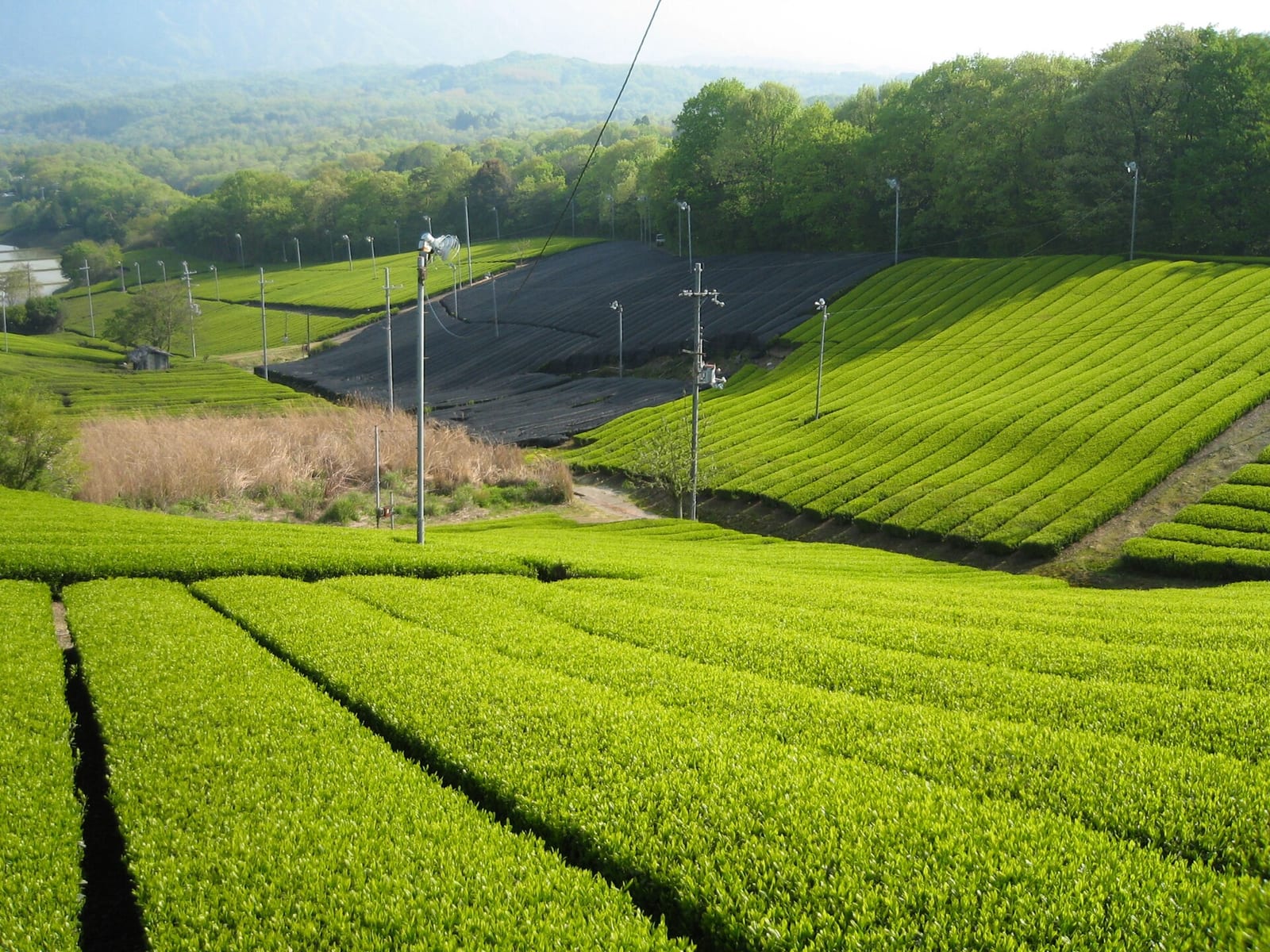
Uji lies in southern Kyoto Prefecture and is one of the most important tea areas in Japanese tea history. “Uji tea” does not refer only to tea within Uji city limits; nearby Yamashiro, Wazuka and Kyotanabe are also closely linked to the Uji tea industry. Today “Uji tea” is both an origin tradition and a brand/industry name; check origin, producer and label for a specific product.
Environment
Uji sits between the Uji River and hills, with hot, humid summers and relatively cold winters; river mist and slope drainage affect tea growth. Gyokuro and matcha material is often shaded to change amino acids and colour. Shading degree and duration are key to style; longer shading is not always better, as excessive shade can affect photosynthesis and yield.
Cultivars and products
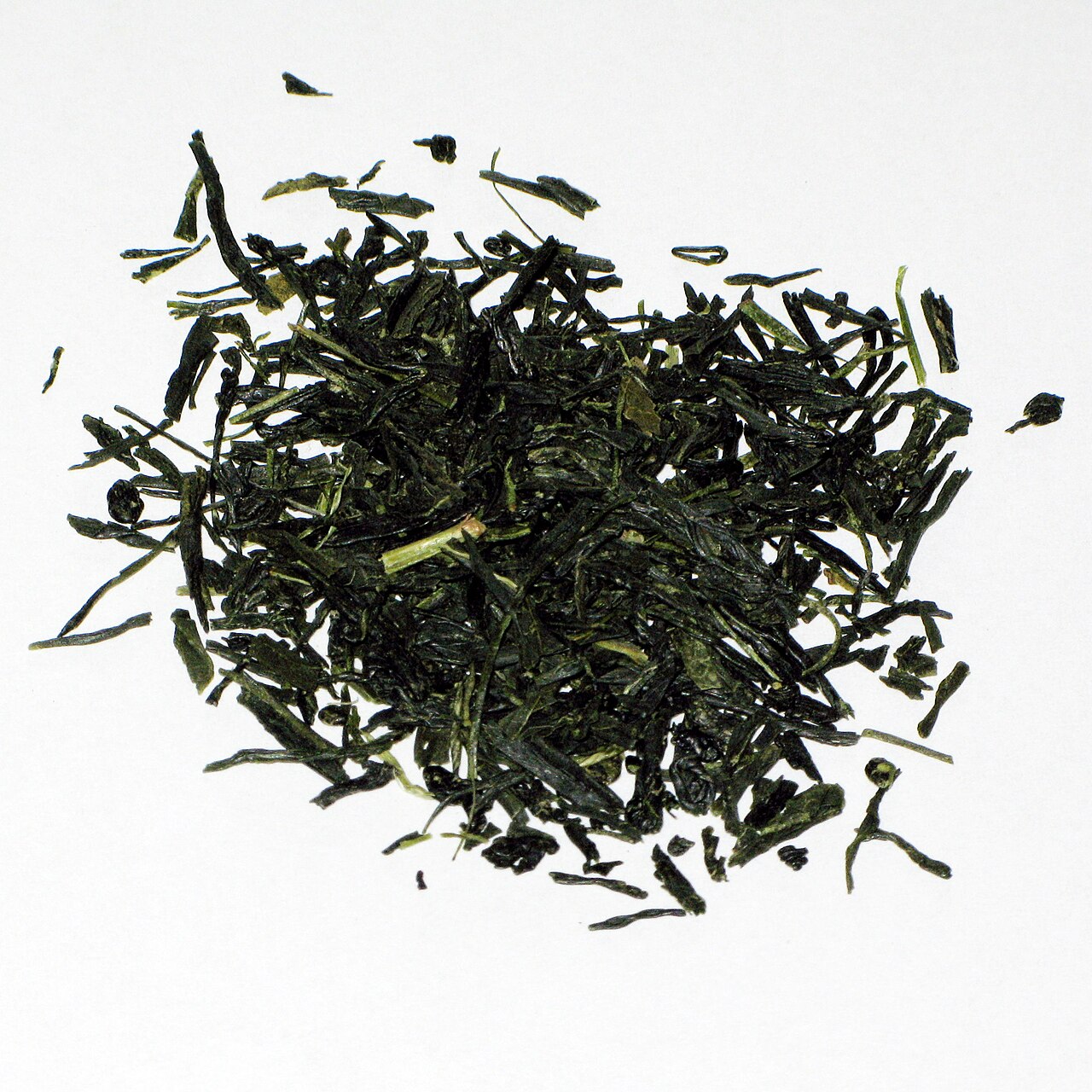
Uji tea includes matcha, gyokuro, sencha and tencha. Matcha and tencha often use shaded material; gyokuro also emphasises shading but is drunk as leaf tea; sencha is usually unshaded or lightly shaded. Cultivars such as Asahi, Yamashiro and Yabukita, and picking season, affect aroma, umami and colour. Not every “Uji matcha” comes from the same garden or cultivar.
Processing
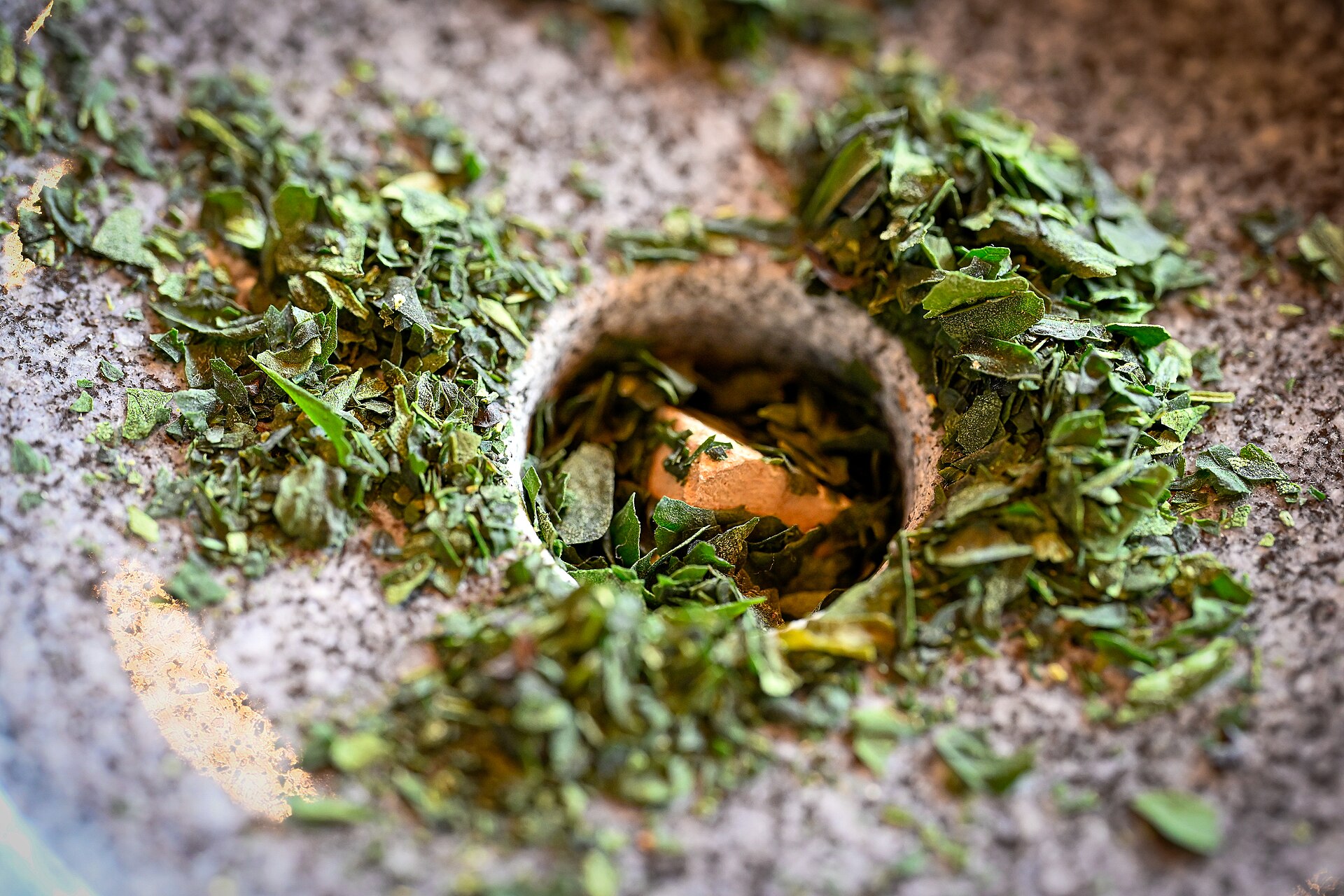
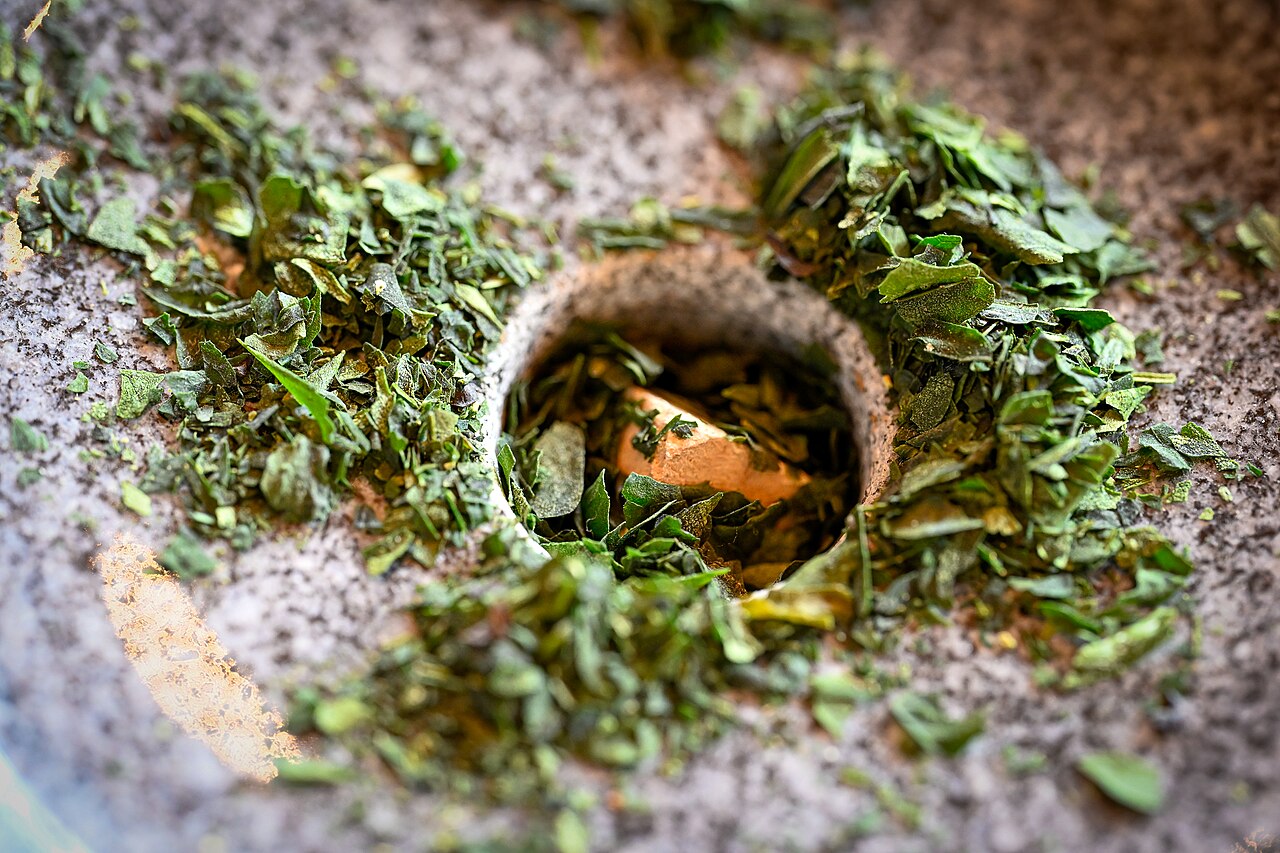
Matcha material is shaded before picking, steamed, dried into tencha, de-veined and de-stemmed, then ground with stone or mechanical mills. Gyokuro also emphasises shading but is prepared as leaf tea. Shading increases theanine and reduces bitterness; grinding fineness, freshness and storage directly affect matcha aroma. Matcha is not simply “green tea ground into powder”: shading and steaming are prerequisites.
Quality and flavour
Matcha is vivid green, with nori, fresh grass and creamy notes, strong umami and low bitterness. Gyokuro has a pale green liquor, a thick texture and nori-like umami; sencha is fresher and lighter, with moderate astringency. Greener colour is not always better: cultivar, shading, grinding and oxidation all affect colour.
History and boundaries
Uji tea developed with temples and tea ritual in the Kamakura and Muromachi periods, and became a major Japanese tea brand in the Edo period. Modern Uji tea includes matcha, gyokuro and sencha, and faces generic use of the place name. Specific origin dates, temple traditions and “Uji matcha” stories need checking against Kyoto, Uji and Japanese tea-industry records.
Common misconceptions
- Matcha is not ordinary green-tea powder. Matcha material is shaded, steamed and de-veined before grinding.
- Not all Uji matcha is grown in Uji city. Uji is a brand and industry tradition; check origin and producer.
- Greener is not always better. Cultivar, shading, grinding and freshness affect colour.
- Gyokuro and matcha are not the same product. Gyokuro is leaf tea; matcha is powder.
Representative teas
- Uji matcha: a fine green powder made from shaded, steamed, de-veined leaf.
- Gyokuro: shaded tea brewed to emphasise umami and a nori-like note.
- Tencha: the leaf before matcha, de-veined and not rolled.
Sources
- Kyoto Prefecture and Uji City tea-industry reference — Official or institutional source used to verify this page.