First, the product boundary
Doi Ang Khang Green Tea is an organic green-tea product from the Royal Project at Doi Ang Khang, in Fang District, Chiang Mai, Thailand. It is not a cultivar, not a protected origin and not a general synonym for Thai green tea.
The official product page is deliberately modest. It gives five usable facts:
- product name: ชาเขียว (อ่างขาง) / Green Tea (Ang Khang);
- category: tea and herbal tea;
- process: organic, unfermented green tea;
- flavour: a nutty or seaweed-like aroma, mild and fresh;
- pack: a 30 g bag.
The important word is unfermented. It places the product in the green-tea family rather than oolong or black tea. The page does not say whether the leaf is steamed, pan-fired or otherwise kill-greened, and it does not name a cultivar. Those gaps should stay gaps.
The place: the first Royal Project station, 1969
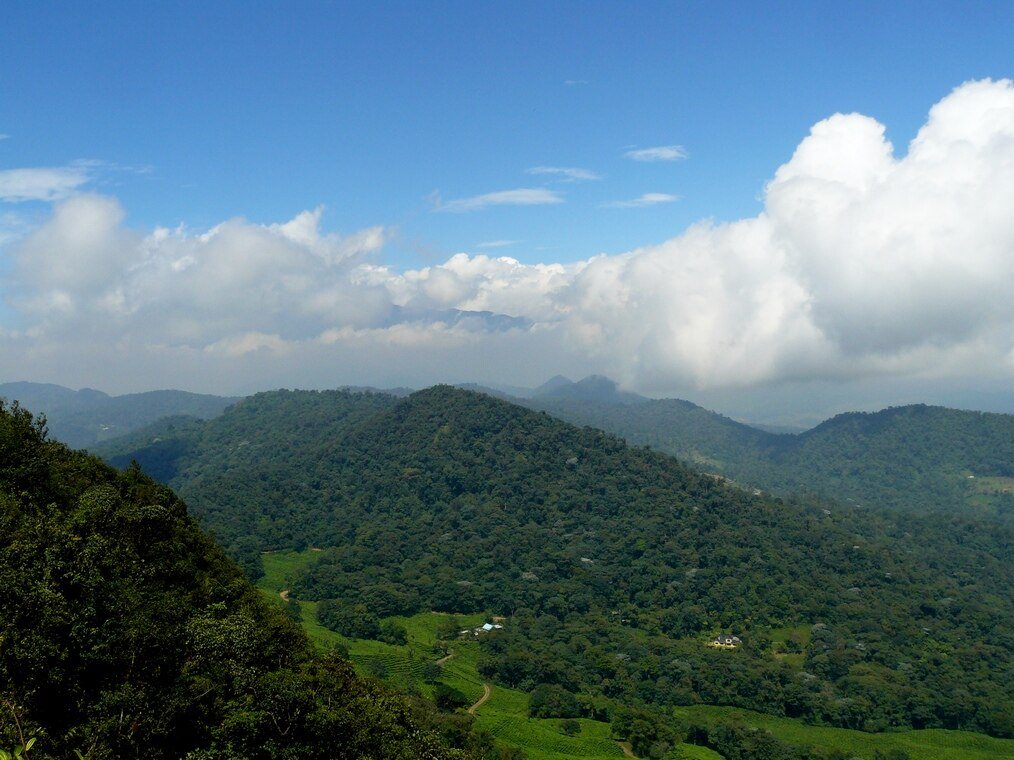
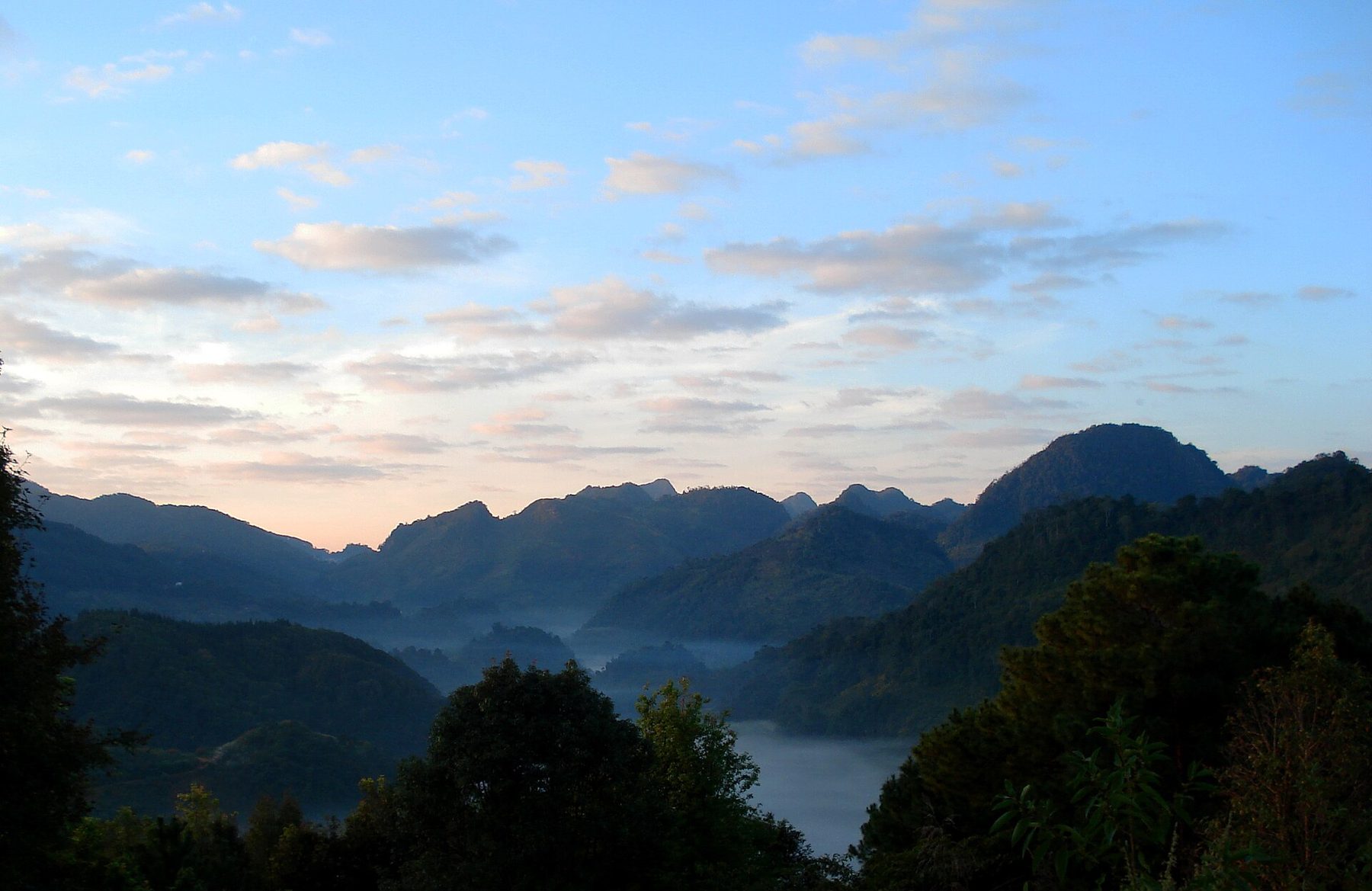
Doi Ang Khang sits in Fang District, Chiang Mai, on the Thai-Myanmar border. The mountain reaches about 1,928 metres; the station terrace is usually described as about 1,400 metres.
The Royal Project founded the Ang Khang station in 1969. Official material calls it the first Royal Project agricultural research station. Its mandate was alternative development: replace opium with other cash crops, give hill communities income and reduce pressure on forest and water. The station researched temperate vegetables, fruit and flowers; it was not designed as a tea-only estate.
Tea came later as one part of that agricultural programme. A Chiang Mai travel feature places Tea Plantation 2000 (Rai Cha 2000) about five kilometres north of the station office and links it to organic tea production. The same feature separates it from the Suan 80 garden. “Ang Khang tea garden” is therefore not a single pin on a map, and tea from different plots should not be blended into one vague origin story.
What the official page does not say
Most bad writing about this tea comes from treating a retailer's description as an official fact. The boundary is worth stating plainly.
| Question | Confirmed answer | What cannot be claimed |
|---|---|---|
| Is it a cultivar? | No; “Ang Khang” is a place and a Royal Project product | “Jin Xuan” as an official cultivar |
| Is it green tea? | Yes; the official page says organic and unfermented | A specific kill-green method |
| Where is it from? | Doi Ang Khang, Chiang Mai | A single named garden for all lots |
| How should it be brewed? | No official parameters | Fixed temperature and leaf ratio as a standard |
| How old are the trees? | Not published | “Ancient trees” or “single-tree” claims |
Curious Tea, an independent retailer, describes the leaf as Jin Xuan (TRES #12), grown at about 1,300 metres and picked in summer 2025. That is useful third-party information, not an official specification. It also recommends 2.5 g per 250 ml at 80°C for 2–3 minutes. A retailer can have a house brewing method; the Royal Project page does not turn it into a product standard.
The old draft's “1,400-metre ancient trees”, “volcanic-rock soil”, “fixed Jin Xuan plantation” and “steamed green tea” language had no traceable support. The confirmed version is narrower: an organic, unfermented green tea made within the Royal Project's Doi Ang Khang system, with cultivar and processing details not publicly fixed.
How to brew it
If you use Curious Tea's retail suggestion as a starting point:
| Item | Suggestion |
|---|---|
| Leaf | 2.5 g |
| Water | 250 ml |
| Temperature | 80°C |
| Time | 2–3 minutes |
| Re-infusion | about two |
This is a retailer's reference, not a Royal Project standard. In practice, keep the water at 75–85°C, shorten the first infusion and lengthen the second. Boiling water will push bitterness out of a young green leaf.
Do not confuse it with other Thai teas
- Doi Mae Salong oolong is a high-mountain oolong from Chiang Rai, associated with Taiwanese cultivars such as TRES #12 and #17 and a partially oxidised process.
- Doi Ang Khang green tea is a Royal Project green tea from Chiang Mai, defined by an unfermented process.
- “Thai green tea” is not a protected origin or a single product; different gardens, brands and cultivars can use the phrase.
When buying, look for three words on the pack: Ang Khang, Royal Project and organic / green tea. “Thai green tea” alone does not identify this product.
Certainty and sources
This page keeps four traceable layers: the Royal Project product page for product identity; Royal Project and Thai government pages for the station and its history; a Chiang Mai travel feature for Tea Plantation 2000; and Curious Tea as a third-party cultivar and brewing reference. The Commons photograph documents the Doi Ang Khang landscape, not a tea garden or a product. Claims about tree age, soil, cultivar and processing that lack a source are left out.