TEA ENCYCLOPEDIAA little closer to the world of tea.
TEA FAMILY

Black tea.

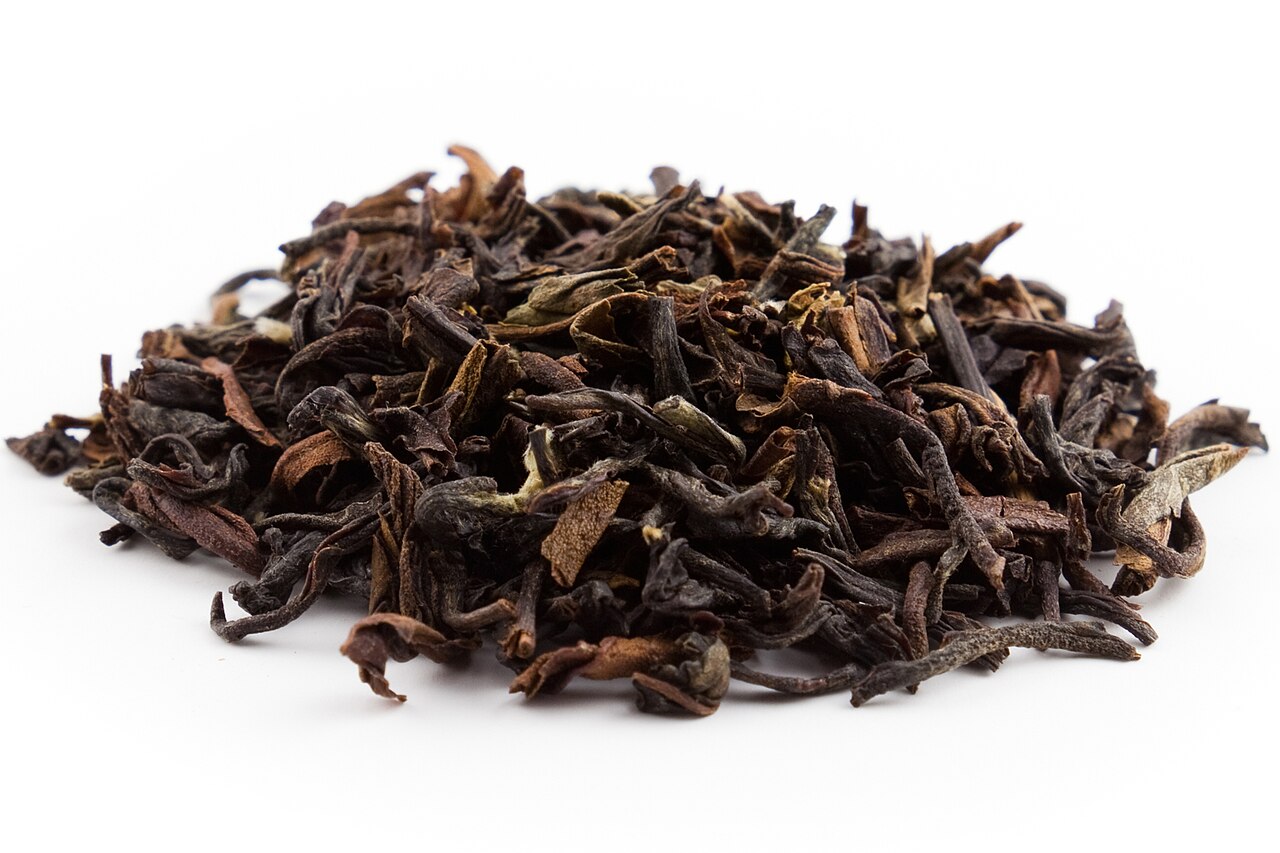
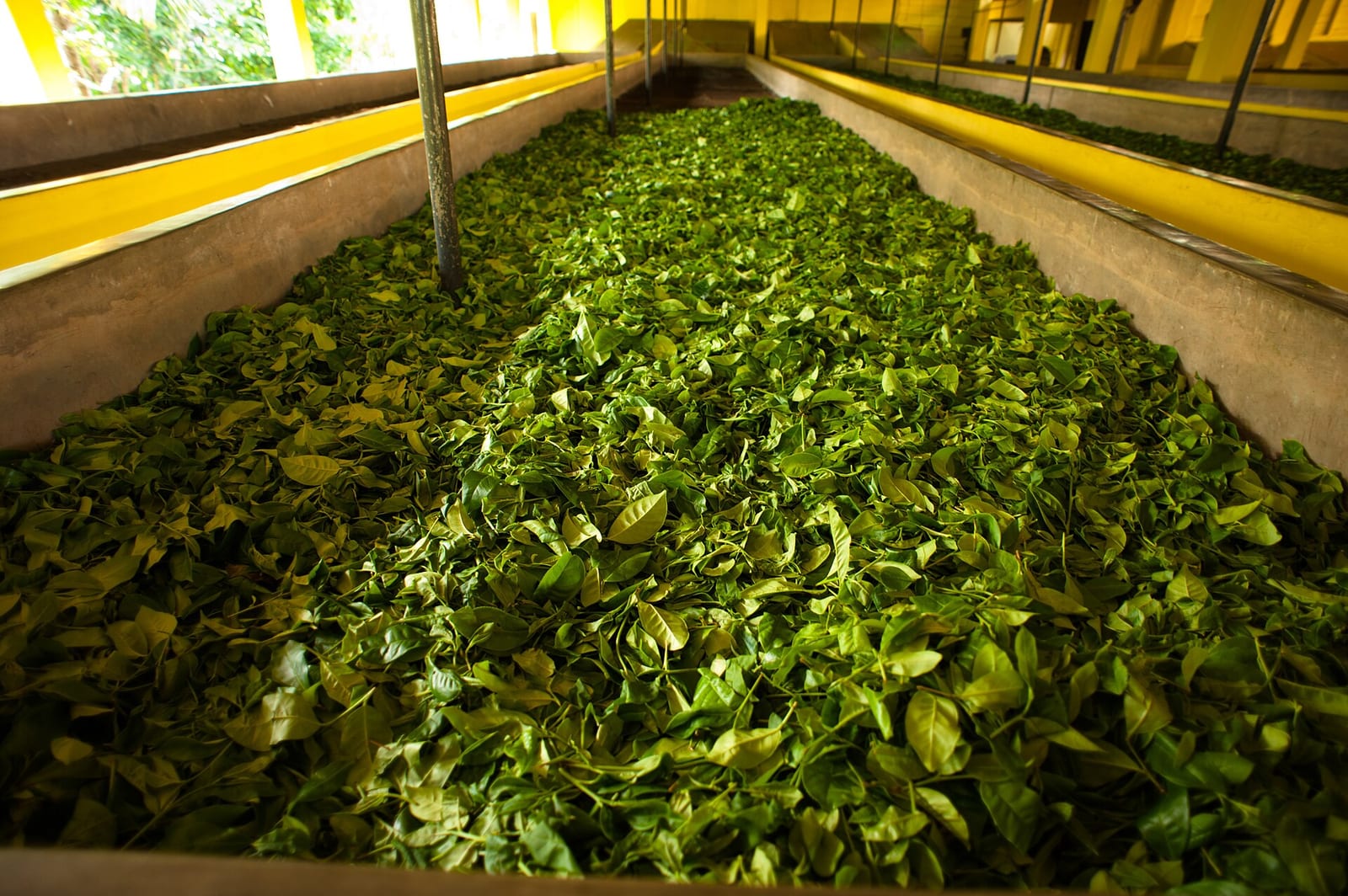
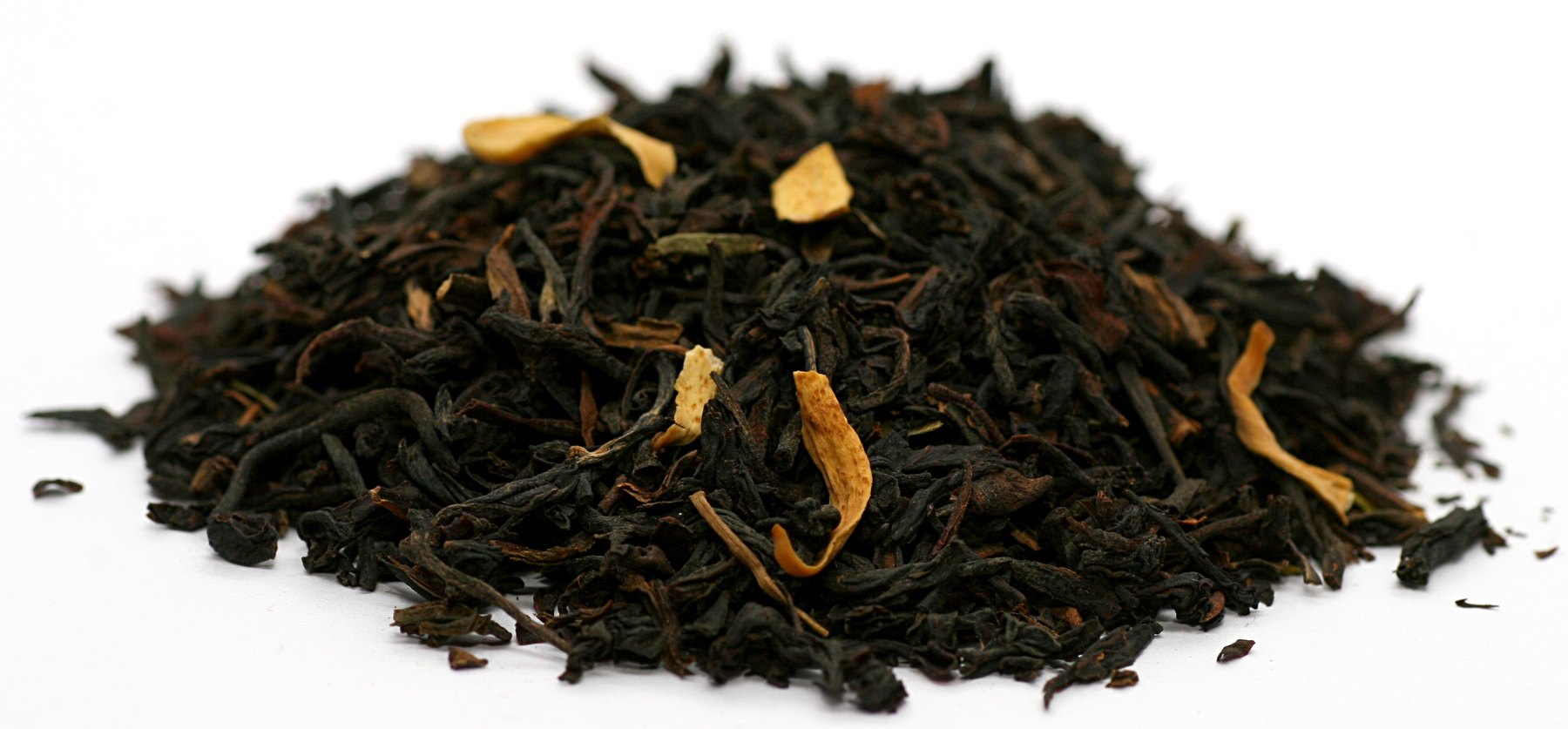
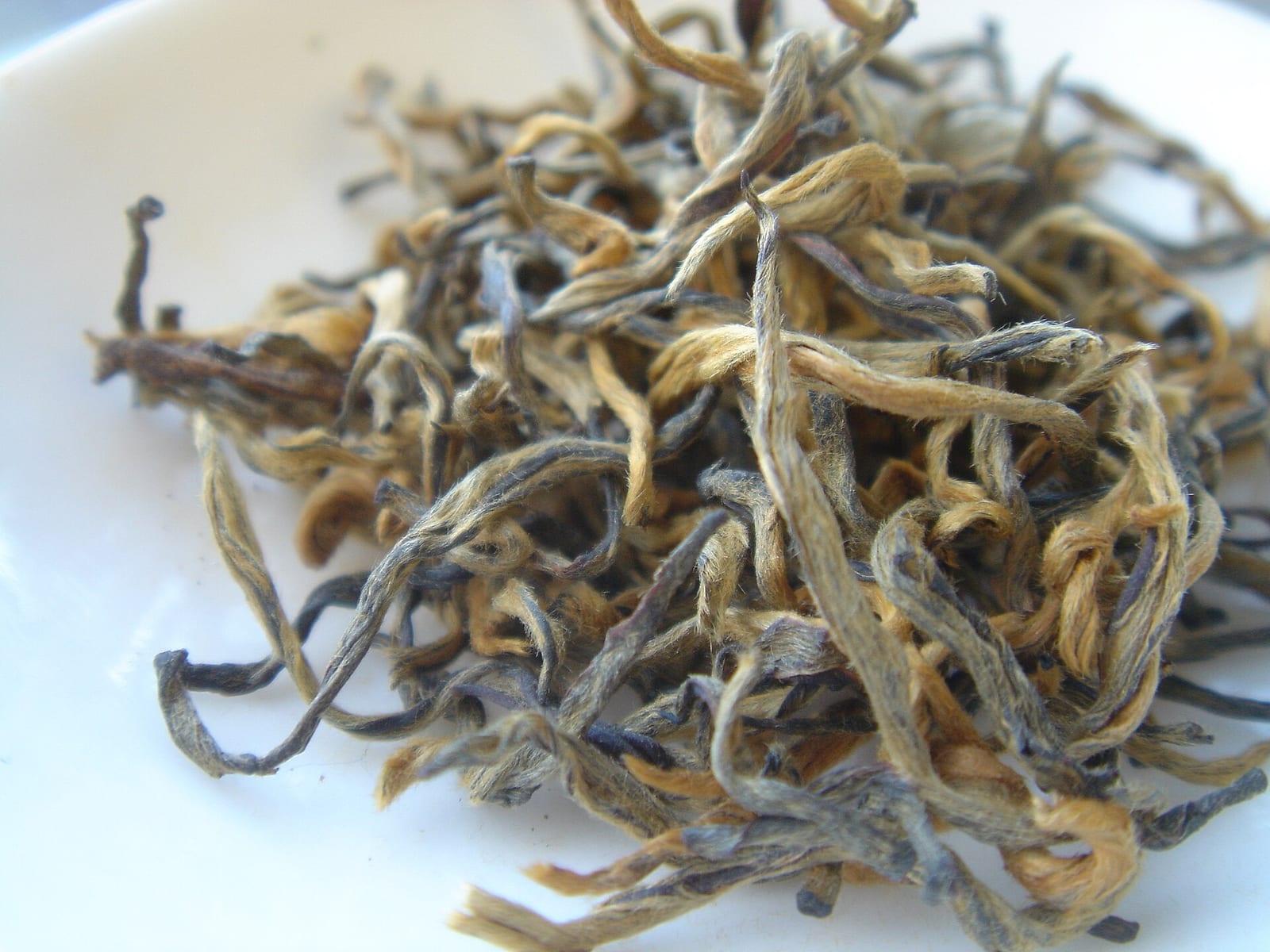
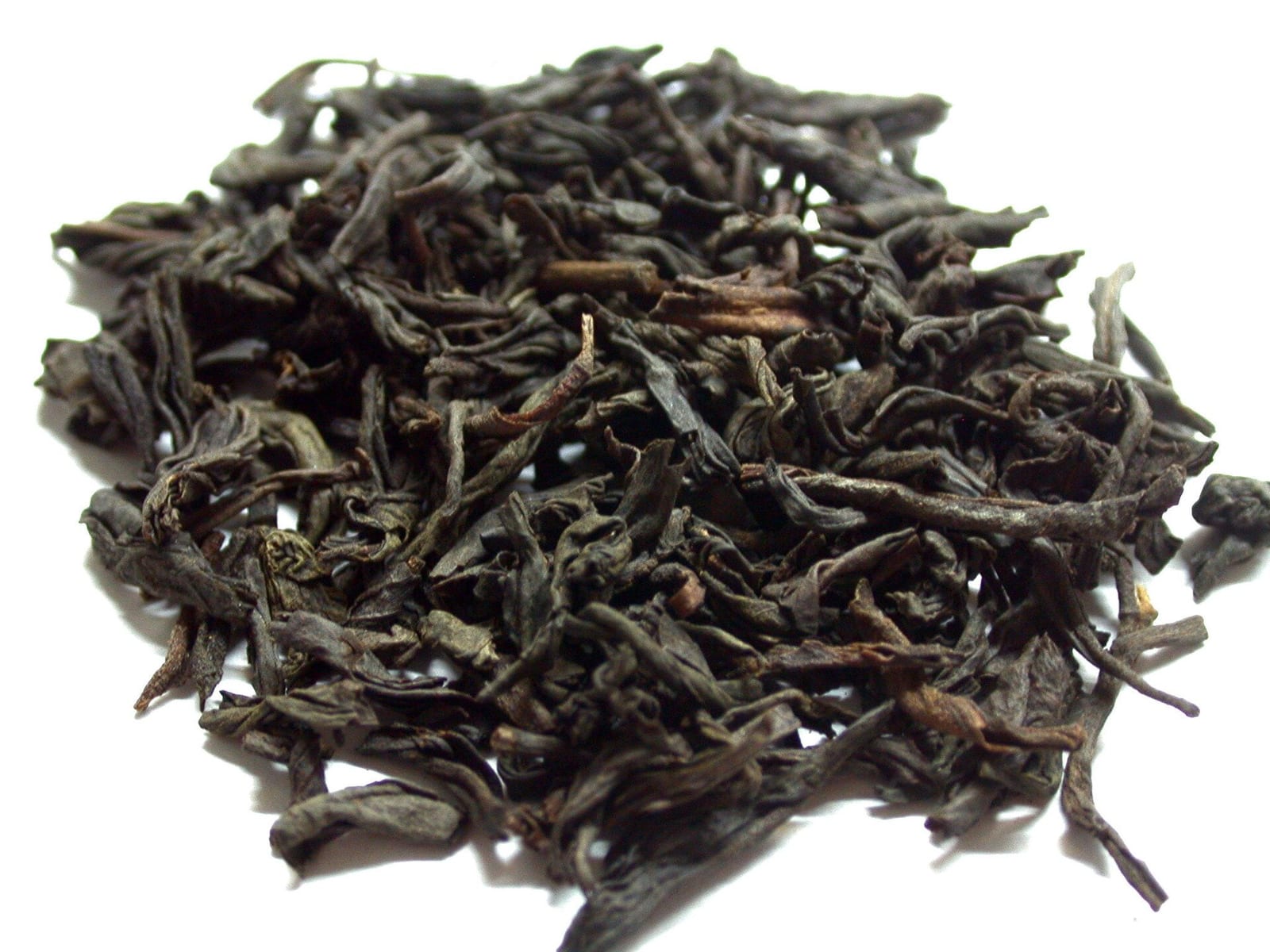
Known as black tea in English, fully oxidised to give red liquor and reddish leaves. Sweet, fruity and full-bodied notes are common.

34teas
Sorted by nameAll teas
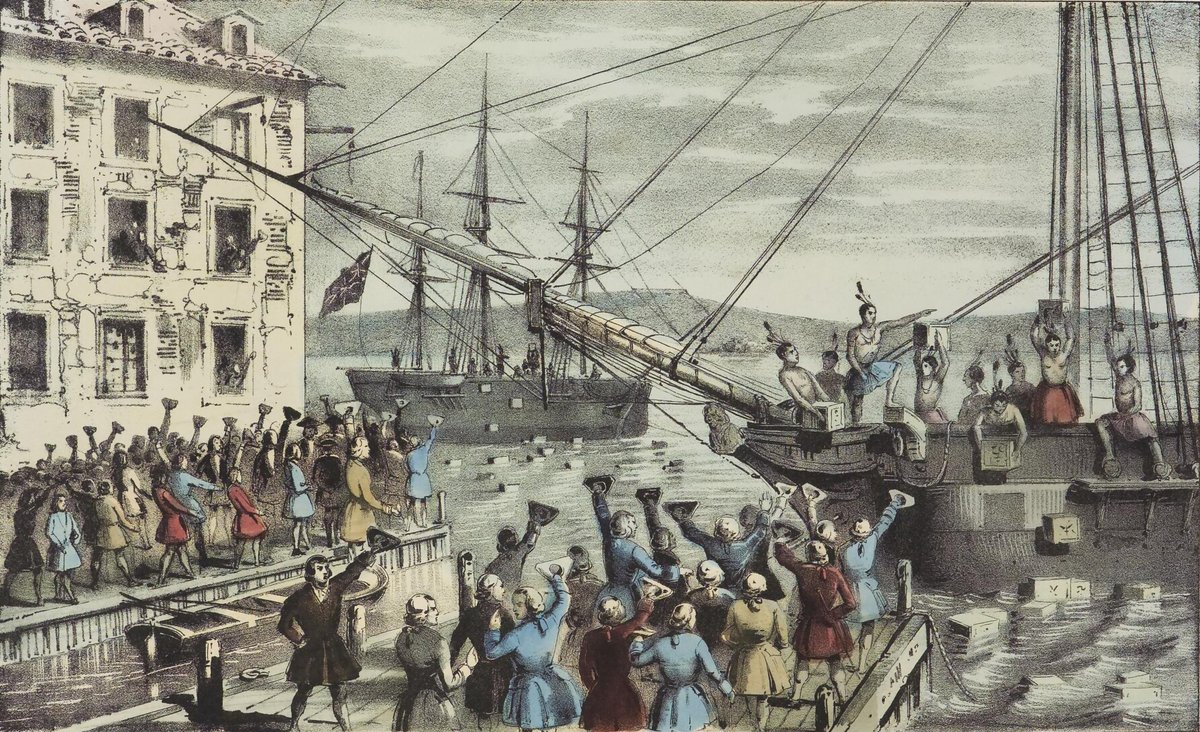
TeaNathaniel Currier's 1846 lithograph of the Boston Tea Party; a historical illustration, not the Abigail's Blend packNathaniel Currier / Wikimedia Commons · Public domain
United States

Abigail's Blend

Abigail's Blend is a commemorative black-tea blend created for the Boston Tea Party Ships & Museum and Abigail's Tea Room by tea master Bruce Richardson and crafted by Elmwood Inn Fine Teas. It is named for Abigail Adams. It is not the tea thrown into Boston Harbor in 1773, and it is not the “Boston Harbour Tea” commercial brand. The blend uses Chinese Yunnan black tea as its base and adds Assam, Nilgiri and Kenyan black teas. The museum's own description is that it recalls the Chinese black teas thrown overboard in 1773, “but better”. It can be served hot or iced, with or without milk. The product comes as 3.5 oz (99 g) loose tea or 14 pyramid tea bags at $17.99. On 16 December 1773, 340 chests of East India Company tea from the Beaver, Dartmouth and Eleanor were dumped into Boston Harbor, weighing over 92,000 lb (about 46 tonnes); about 80% was Chinese black tea.

Black tea
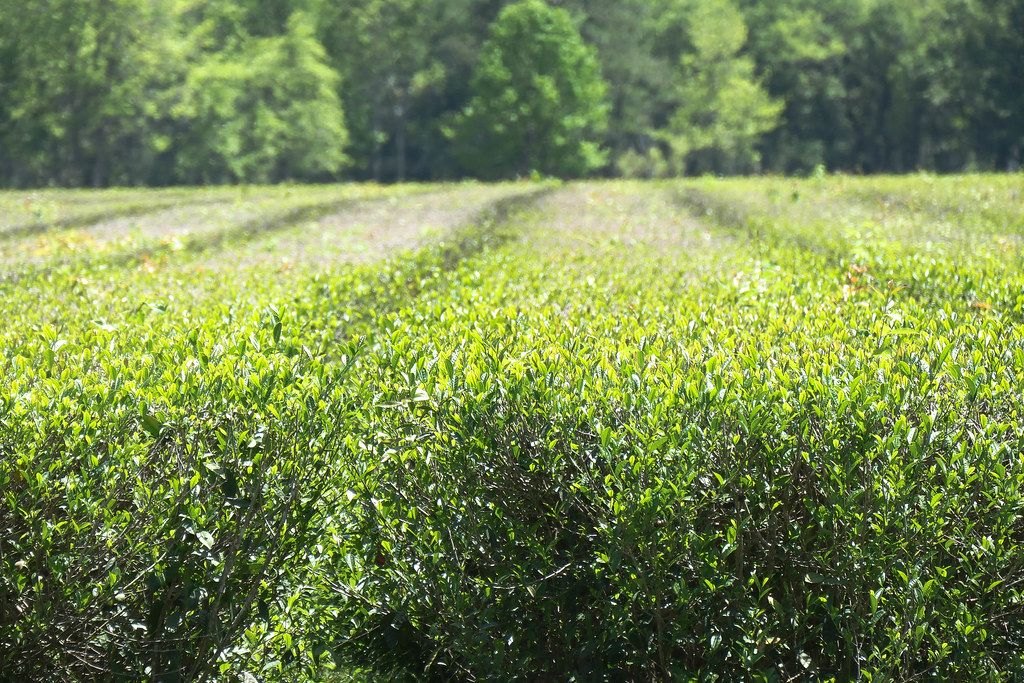
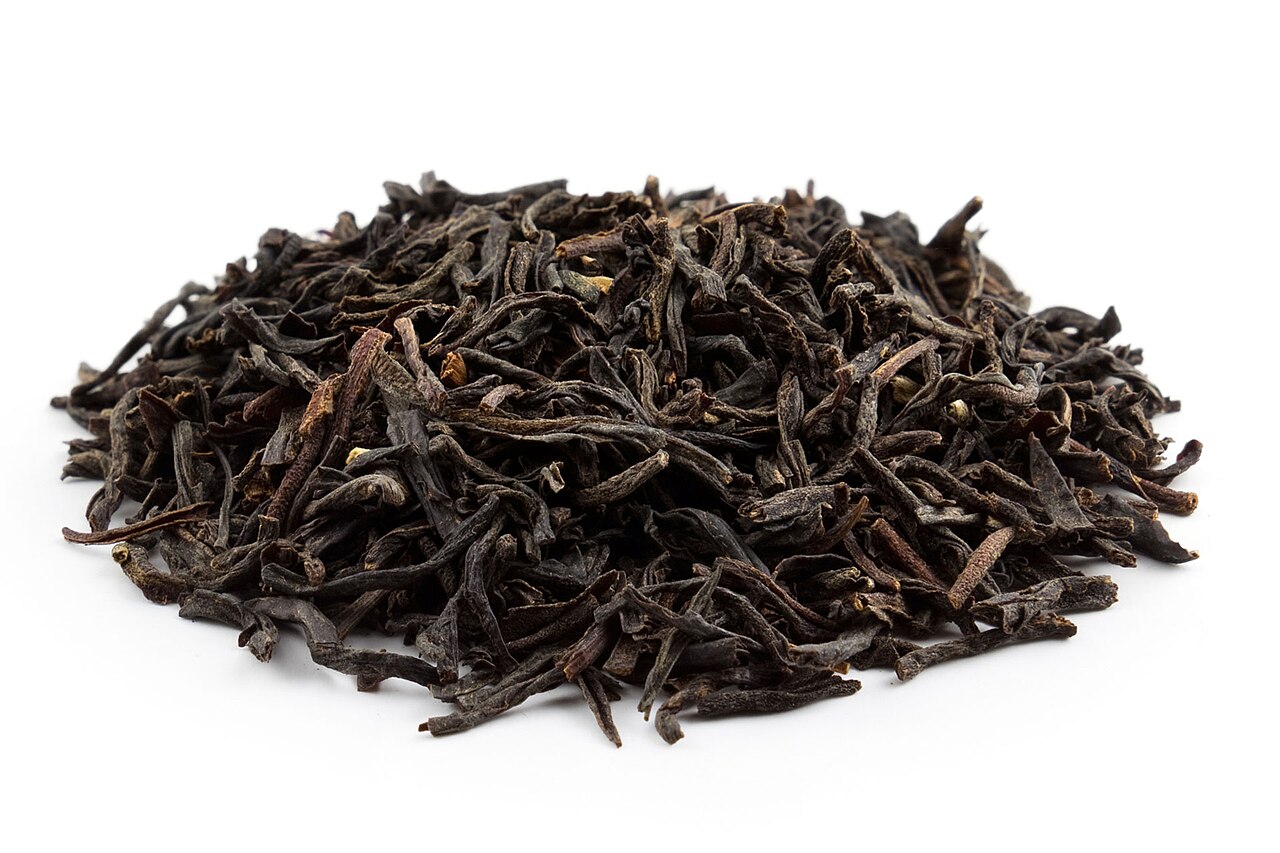
TeaTea rows at Charleston Tea Garden on Wadmalaw Island, South CarolinaJonathan Geiger (erniedog1982) / Flickr · CC BY 2.0
United States

American Classic Tea (Charleston Tea Garden)

American Classic Tea is the flagship black tea of Charleston Tea Garden on Wadmalaw Island, South Carolina. It is made exclusively from tea grown in the United States, but it is not a cultivar, a protected origin or a generic “Charleston-style” black tea. The garden's own material supplies the usable facts: 127 acres, more than 320 tea varieties, a history that runs from Charles Shepard's Pinehurst plantation in 1888 to the 1963 transplant at Wadmalaw Island, commercial operation in 1987 and Bigelow ownership from 2003. The tea itself is a larger-leaf black tea; the official brewing suggestion is 8 ounces of boiling water for 2–4 minutes, hot or iced. The page deliberately leaves cultivar and CTC/Orthodox claims out because the official pages do not publish them.

Black tea
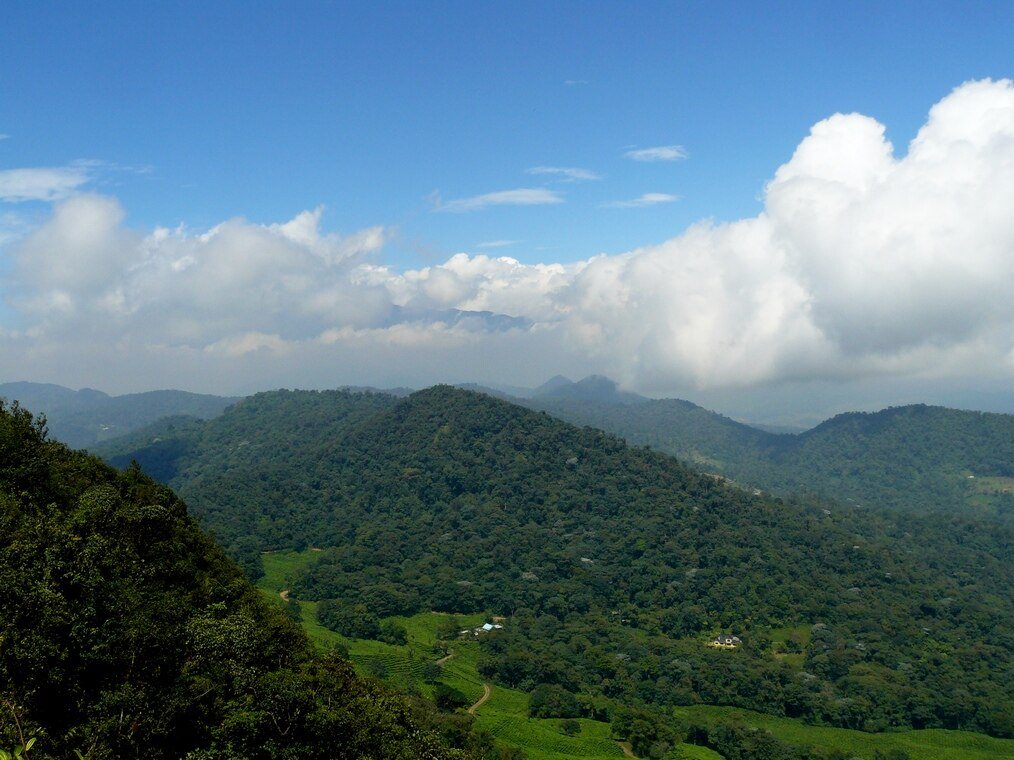
TeaView from Three Crosses over Chicoral, the Hindú tea garden and Bitaco Forest ReserveMateo.gable / Wikimedia Commons · CC BY-SA 3.0
Colombia

Bitaco Colombian Black Tea

“Colombian highland black tea” is neither a protected appellation nor a national grade. The public, traceable object is the Bitaco black-tea line made by Agrícola Himalaya in the Bitaco area of Valle del Cauca, Colombia. Bitaco describes its black teas as organic, single-origin specialty tea with an amber liquor, smooth and subtly sweet, mellow, with raisin and dried-plum notes. The garden sits at about 1,800 metres and coexists with the Bitaco Regional Forest Reserve. The company's earlier commodity brand was Té Hindú; Bitaco was launched in 2016 as a premium organic line. Cultivar, oxidation percentage and rolling method are not published, so this page does not invent them.

Black tea
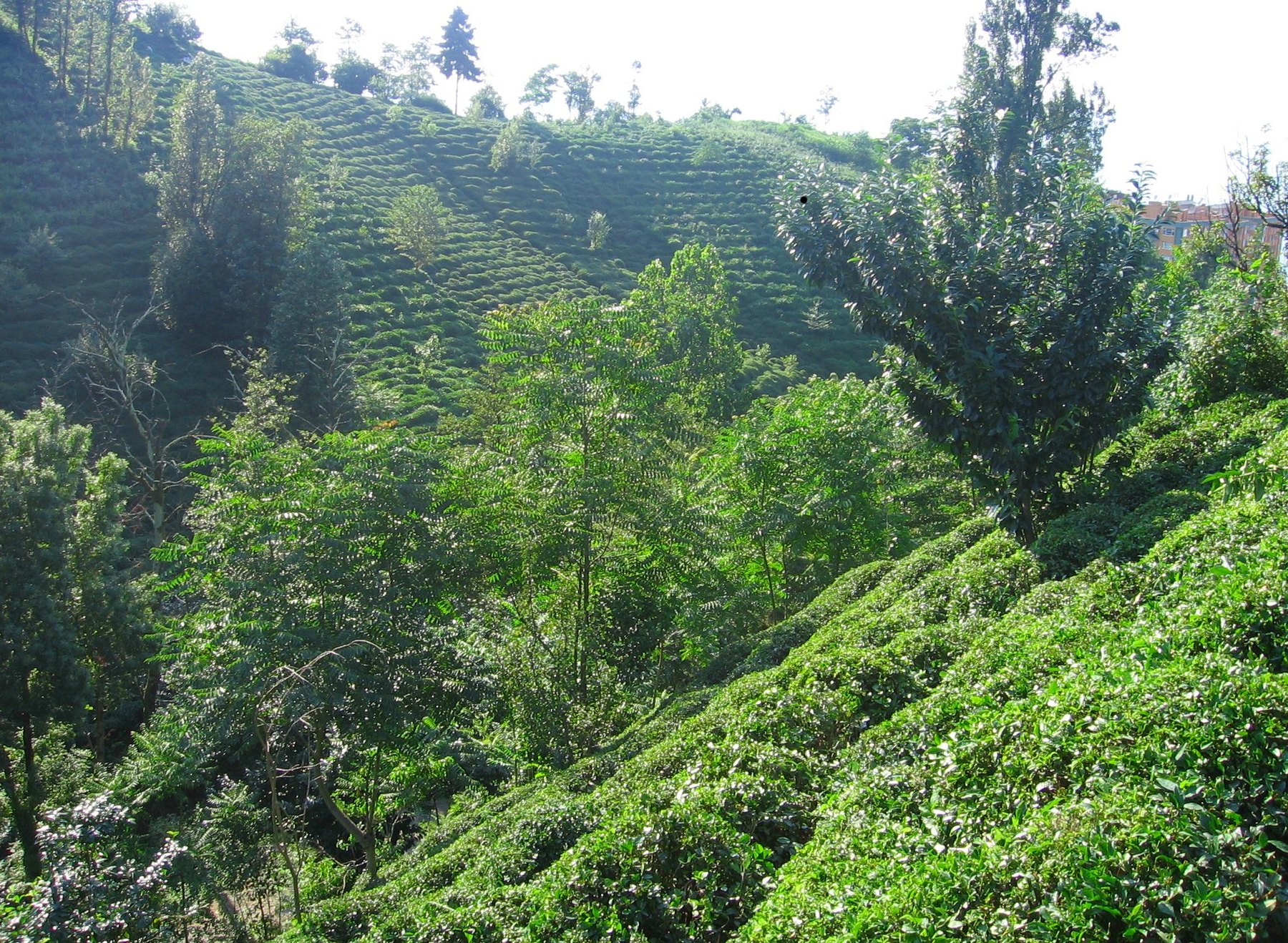
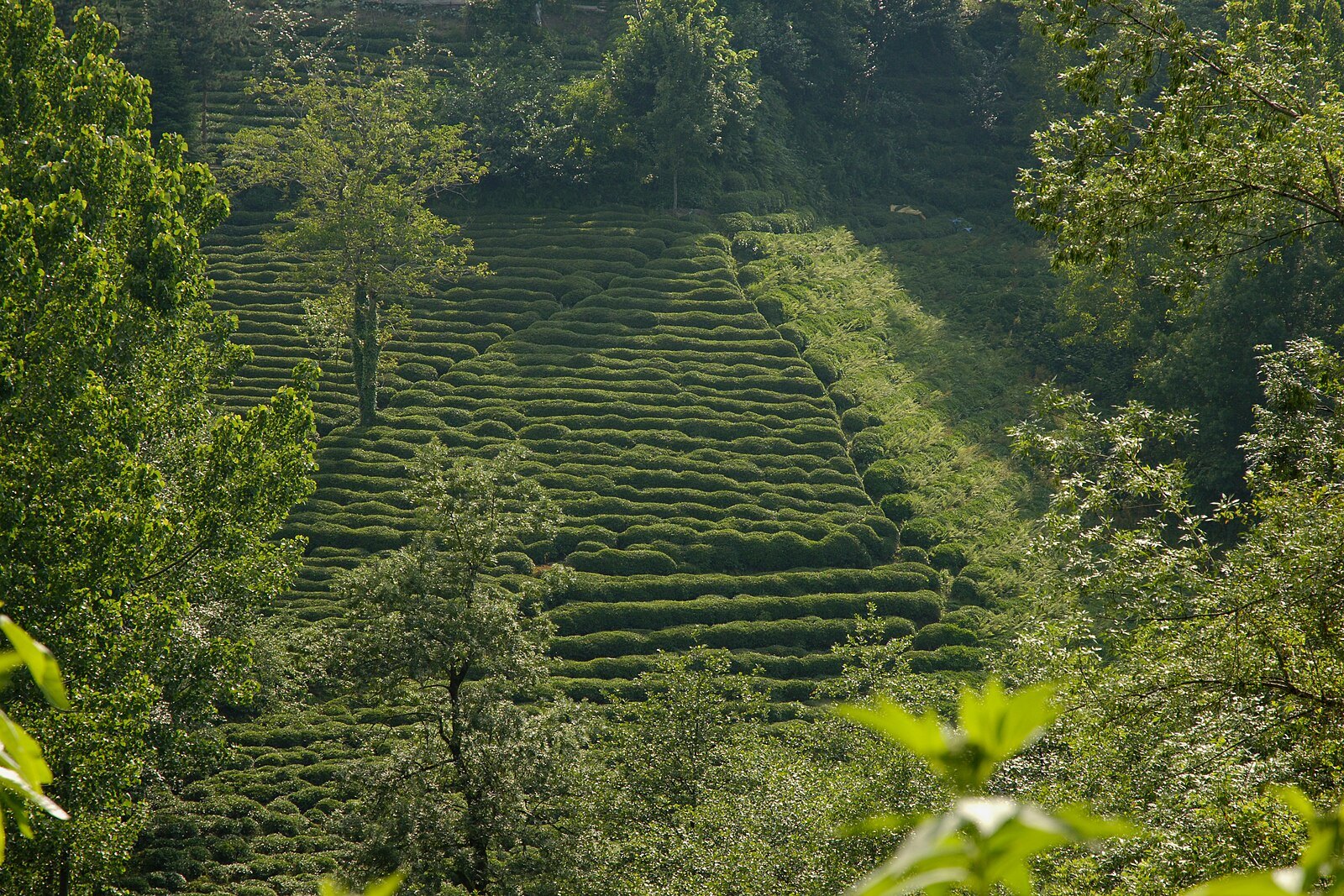
TeaTea rows on a hillside near Rize, Turkey, with trees around the fieldWikimol / Wikimedia Commons · CC BY-SA 2.5
Türkiye

Çaykur Altınbaş (Golden Head Black Tea)

Çaykur Altınbaş is a Turkish black-tea product and grade, not a cultivar and not the “golden head” plant part itself. Çaykur's official product copy says the bud at the top and the two small fresh leaves beneath it are the secret of Altınbaş; the blend carries the highest proportion of golden-tipped, curled leaf, a trademark astringency, a high aroma and enough strength that a small amount makes a large brew, with no additives or chemicals. It comes in a 400 g tin and in 200 g and 500 g bags. Çaykur's training notes explain the Altın Tip / Altınbaş look as an orange-gold “golden tip” formed when the buds are heavily hairy and processing is appropriate. It is not a Turkish Jin Junmei, not a single-estate tea and not an ancient-tree product.

Black tea
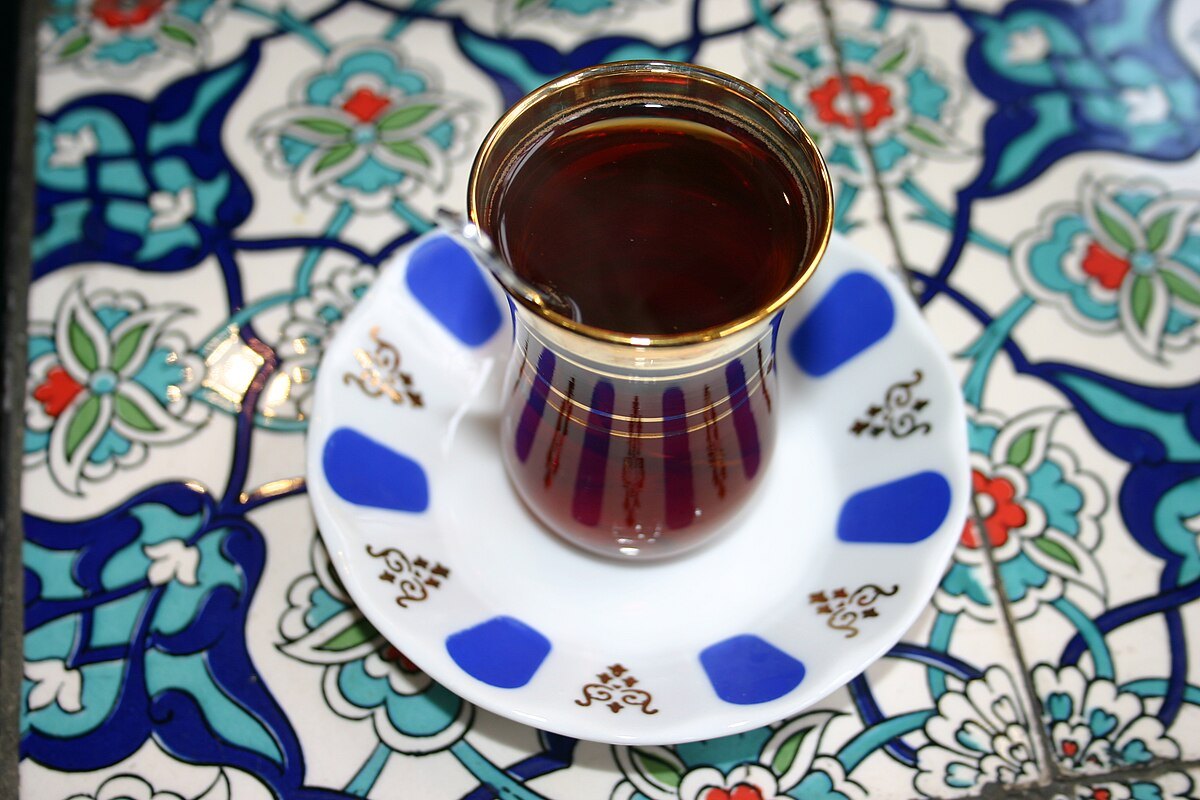
TeaBrewed Turkish tea in a traditional ince belli glassBertil Videt / Wikimedia Commons · CC BY 2.5
Türkiye

Çaykur Filiz (Bud-Leaf Black Tea)

Çaykur Filiz is a black-tea blend from Türkiye's state tea enterprise, named after the Turkish word for a shoot or bud. The official description is narrow and useful: it contains a high proportion of tea buds, has no additives, and is described as smooth with a lasting aroma. It is not a cultivar, a single estate, or the product of the old draft's ÇT-9 clone, 2008 project, 2011 launch or “feminine afternoon tea” story. The official pack sizes are 500 g, 1,000 g and 2,000 g. Filiz belongs to the everyday blended side of the Çaykur range, while Altınbaş is the golden-tip, more astringent line.

Black tea
TeaTurkish tea in a tulip-shaped glass; illustrative image, not the Çaykur Karadeniz packBertil Videt / Wikimedia Commons · CC BY 2.5
Türkiye

Çaykur Karadeniz Çayı (Bergamot Flavoured)

Çaykur Karadeniz Çayı is a bergamot-flavoured black tea from Çaykur, Turkey's state-owned tea enterprise. This page covers the official “Bergamot Aromalı Karadeniz Çayı 1000gr” SKU. The product page lists 100% Turkish tea, 100% natural, a soft character and a bulk-use positioning; one box holds 10 units, each with a gross weight of 1.25 kg, at a listed price of TRY 398.50, out of stock at the time of review. Karadeniz means “Black Sea” and is a brand/product name, not a declared blend of Rize, Trabzon, Artvin, Giresun and Ordu. Bergamot is an added flavour, not a tea cultivar. Old claims about a five-province blend, a 2010 “Black Sea corridor” project, a 2013 launch and “Karadeniz Koyu/Bahar” versions have no official basis and are removed.

Black tea
TeaTea rows on a hillside near Rize, Turkey, with trees around the fieldWikimol / Wikimedia Commons · CC BY-SA 2.5
Türkiye

Çaykur Organic Tea

Çaykur Organic Tea is a certified product line from Turkey’s state-owned tea enterprise, not a single estate and not “all of Rize is organic.” The official sales page lists 18 organic products, including Organic Rize, Organic Hemşin, Organic Çamlıhemşin, Organic İkizdere and Organic Zümrüt Green Tea, and names an Ekotar certificate. The old draft claimed the whole line was EU Organic and TR Organic and turned conventional Rize into a caricature of “every family pouring on fertiliser and pesticides.” The official page only confirms Ekotar; some retailers add EU/USDA claims of their own. This page follows the official scope.

Black tea
TeaTea rows and trees on a hillside near Rize, Turkey; a Rize tea-garden reference image, not Rize Turist packagingWikimol / Wikimedia Commons · CC BY-SA 2.5
Türkiye

Çaykur Rize Turist

Çaykur Rize Turist is a current black-tea product from Çaykur, Turkey's state-owned tea enterprise. It is not a tea-tourism experience or a fictional tourist souvenir. The official 200 g page calls it a family everyday tea, uses the slogan “The Real Yellow”, and lists 100, 200, 500, 1,000 and 2,000 g packs with 24 pieces per carton. The 200 g box is listed at 90 TL; the 1,000 g page is listed at 409 TL, with 12 pieces per carton and 1.25 kg per piece. Çaykur also sells a separate 200 g “Rize Turist Demlik Süzen Poşet Çay” tea-bag version at 121.50 TL. The official copy does not state a cultivar, a single estate, orthodox or CTC processing, a harvest season, or brewing parameters, so those cannot be presented as established facts about Rize Turist.

Black tea
TeaTurkish black tea in a tulip-shaped glass; a reference image of Turkish tea service, not Tiryaki packagingBertil Videt / Wikimedia Commons · CC BY 2.5
Türkiye

Çaykur Tiryaki

Çaykur Tiryaki is a current blended black tea from Çaykur, Turkey's state-owned tea enterprise. “Tiryaki” in Turkish means a habitual devotee — someone who cannot do without tea, coffee or another daily habit. The official copy calls Tiryaki a special blend that can be drunk at any hour, emphasises quality, ideal taste, aroma and a soft texture, and states that it contains no additives. The 500 g pack is listed at 200.50 TL, with 15 pieces per carton and 0.7 kg per piece; the 1,000 g pack is listed at 400 TL, with 12 pieces per carton and 1.25 kg per piece; 2,000 g and 5,000 g packs also exist. The official pages do not give a cultivar, grade code, caffeine figure or “Plus/Sade” sub-line. A third-party exporter describes Tiryaki as a strong blend of mature Rize leaf with deep mahogany liquor that withstands long boiling; that is a trade description, not an official specification.

Black tea
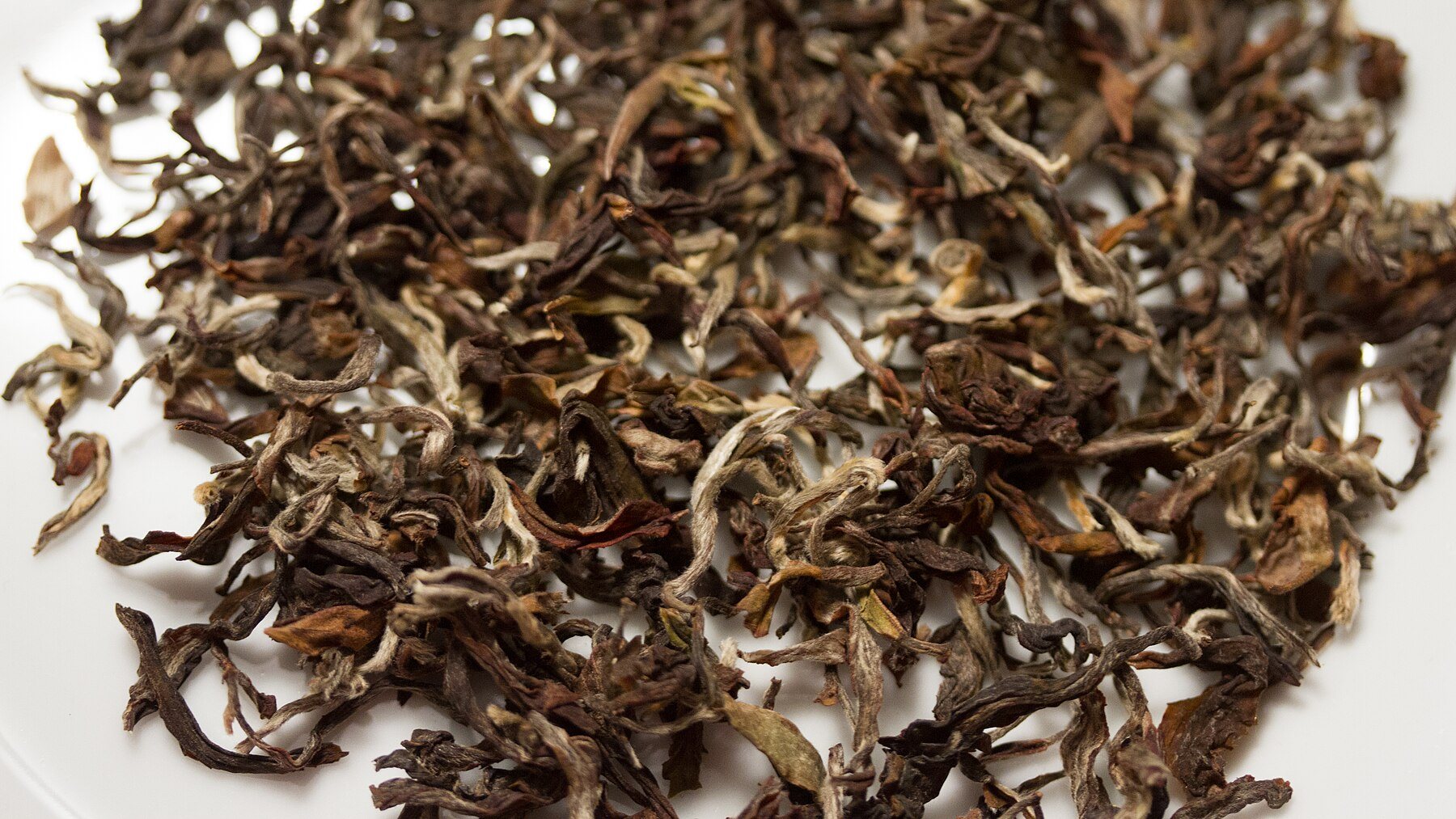
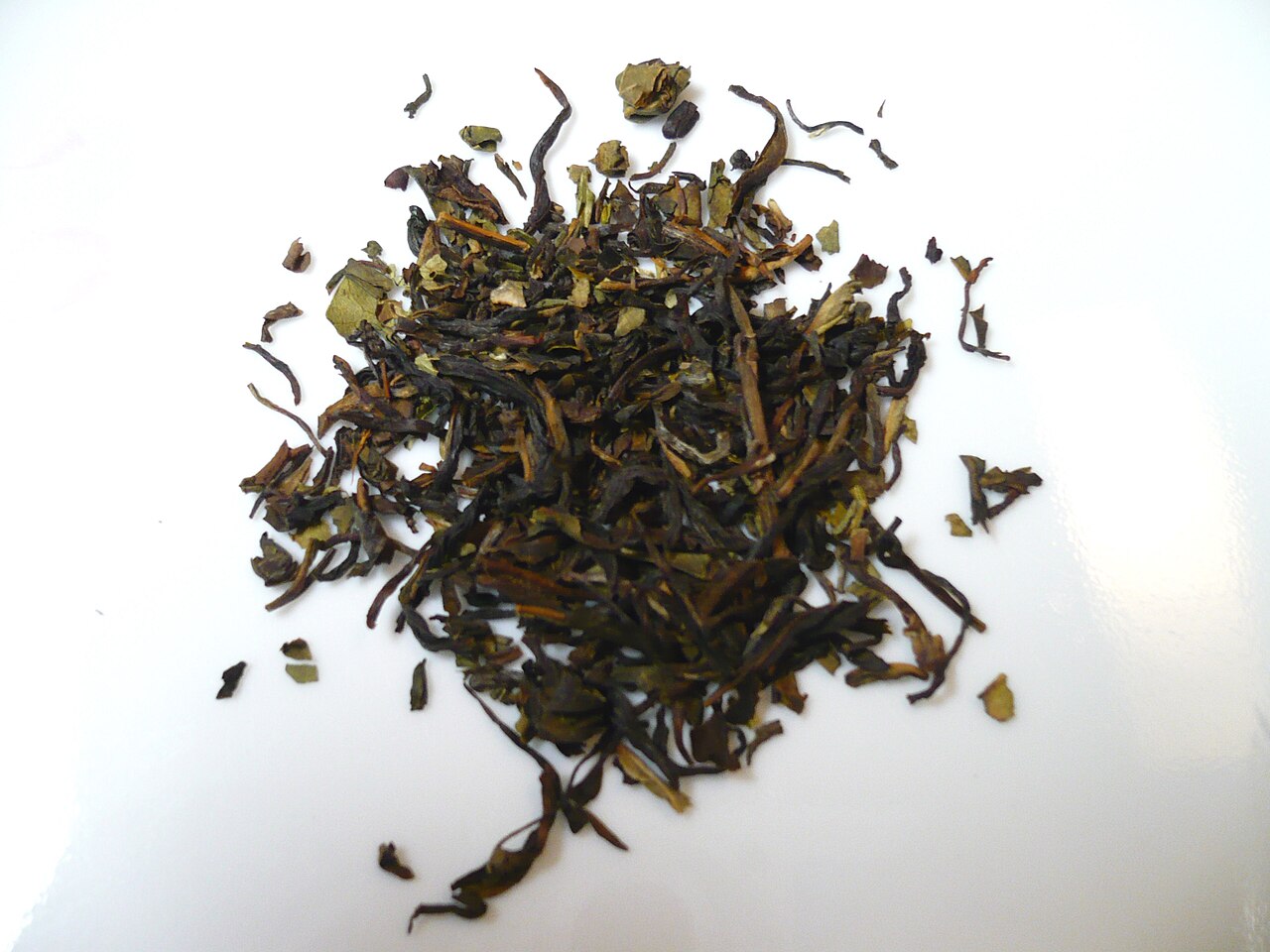
TeaDry Guranse G75 summer tea leaves in dark brown and silver-greyCaroline Léna Becker / Wikimedia Commons · CC BY 3.0
Nepal

Guranse Tea Estate (Hile, Dhankuta)

Guranse is the name of a tea estate and company in Hile, Dhankuta, eastern Nepal, not a tea type and not a protected appellation. The garden is about 290 ha, spans roughly 1,000–2,200 m, was built in the mid-to-late 1990s by the Vaidya family, and works with more than 600 local farming households. It makes orthodox black tea plus white, oolong and green specialty teas. Its signature black-tea flavour is muscatel, and it picks four main flushes a year. The old draft's "1934 Rana prince estate," "Dutch-Nepali joint venture" and "ancient-tree clone" stories have no reliable source and have been removed.

Black tea
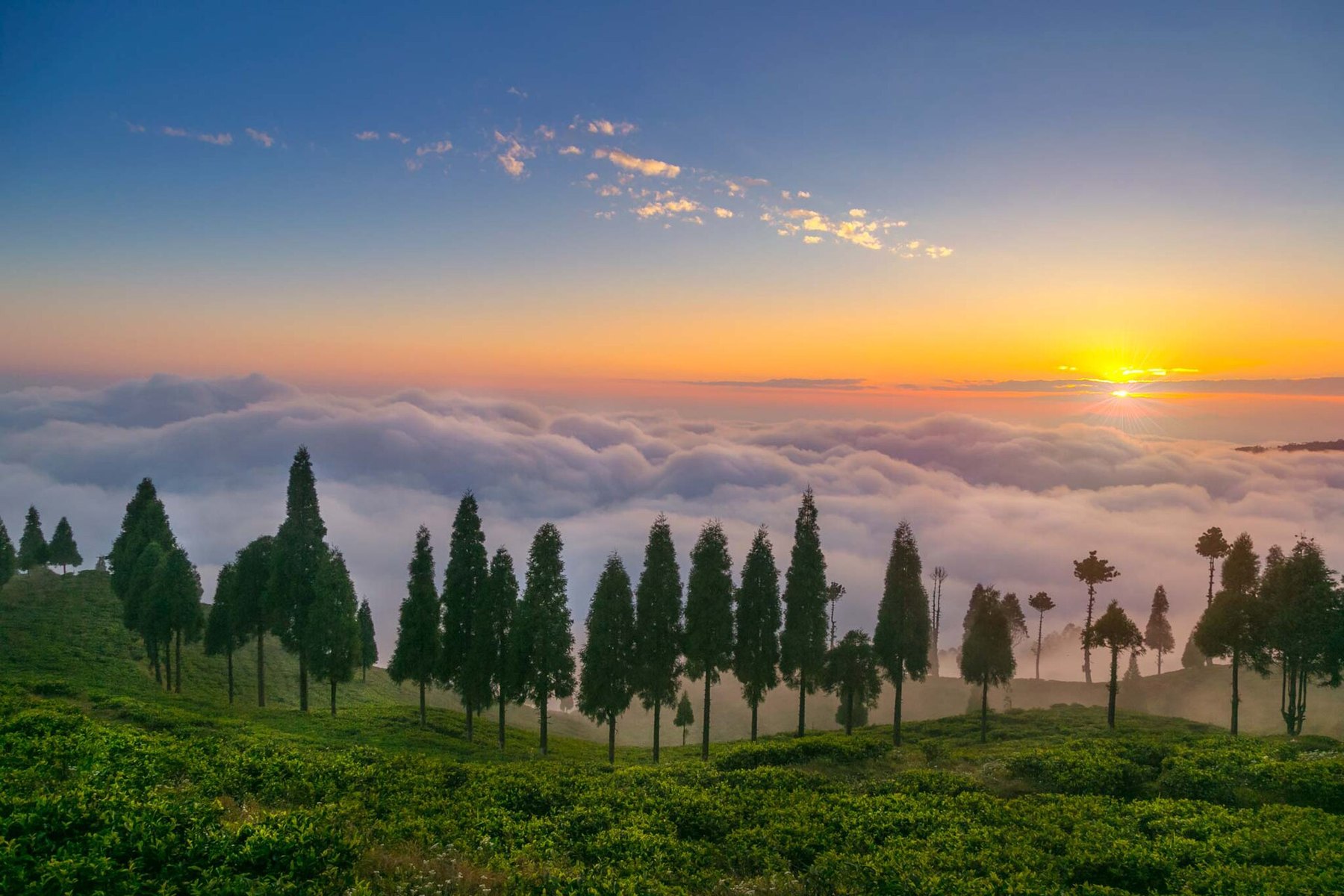
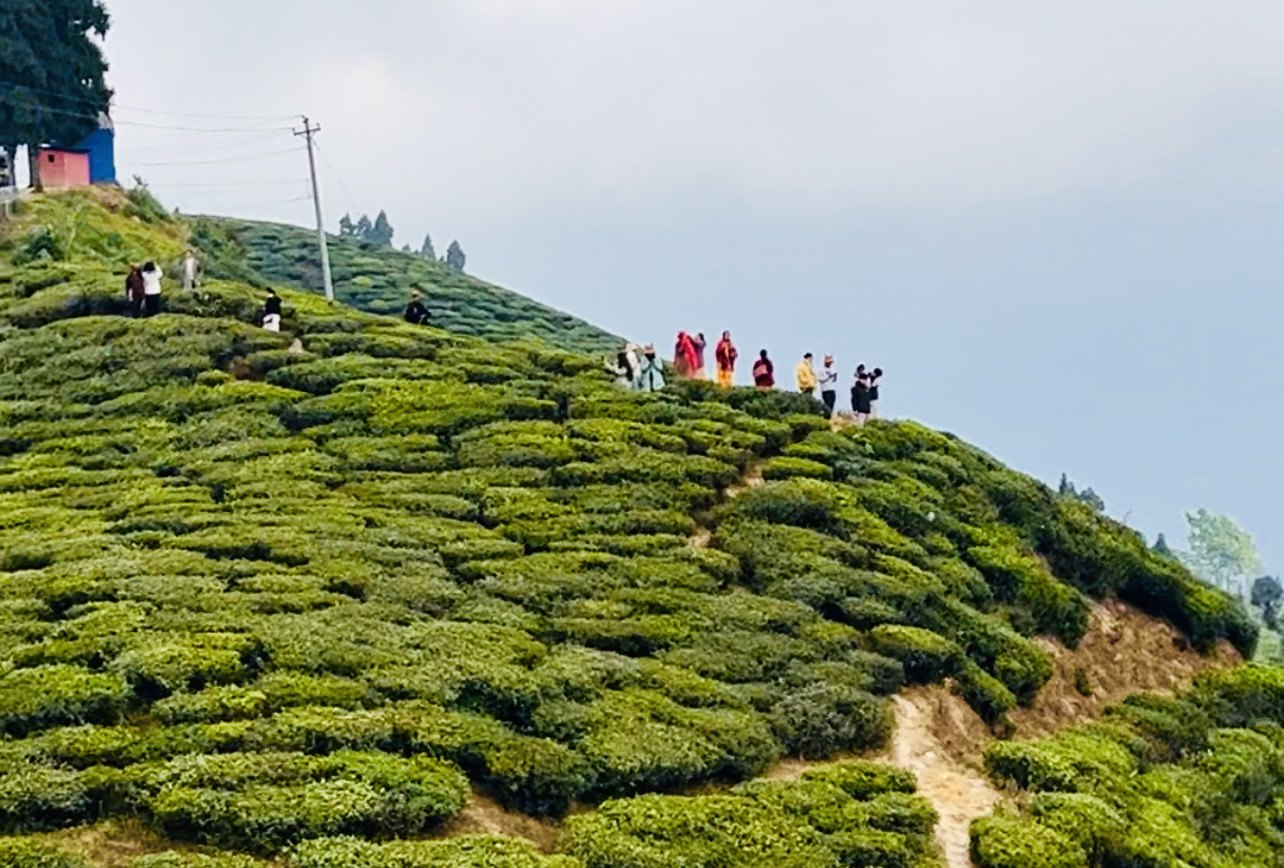
TeaSunset over tea gardens in Hile, Dhankuta, with cloud and cypress (regional image, not a verified Jun Chiyabari estate photo)Ameet Ranjit Photography / Wikimedia Commons · CC BY-SA 4.0
Nepal

Jun Chiyabari (Moon-lit Tea Garden)

Jun Chiyabari is a family-owned organic tea garden and brand in Hile, Dhankuta, eastern Nepal. It was established in 2000, bought its first land in 2001, and now farms about 90 ha at roughly 1,650–2,200 m. The name means “Moon-lit Tea Garden” in Nepali. The founders are Bachan and Lochan Gyawali, not the “Japanese designer Toshi Bhandari” of the old draft. The garden has been organic since first planting and received IMO Switzerland certification in August 2012. It makes black, white, oolong and green tea; Himalayan Bouquet is its East Asian oolong style. The old draft’s Japanese-designer, Paris-gold-medal and “June tea garden” claims are not supported by the garden’s own timeline or published interviews and have been removed.

Black tea
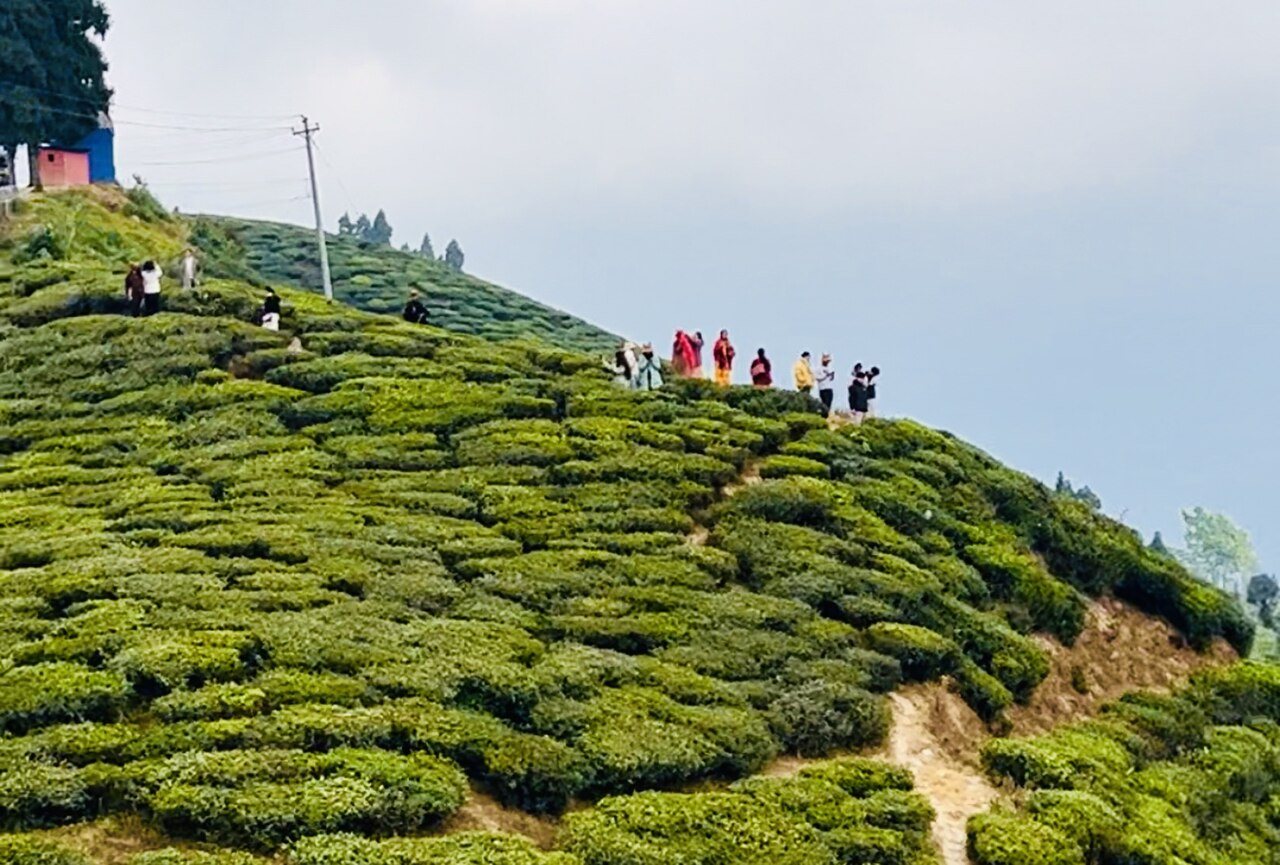
TeaTerraced tea rows and pluckers on a hillside at Kanyam Tea Estate in Ilam, NepalKankai Desk / Wikimedia Commons · CC BY 4.0
Nepal

Kanyam Tea Estate

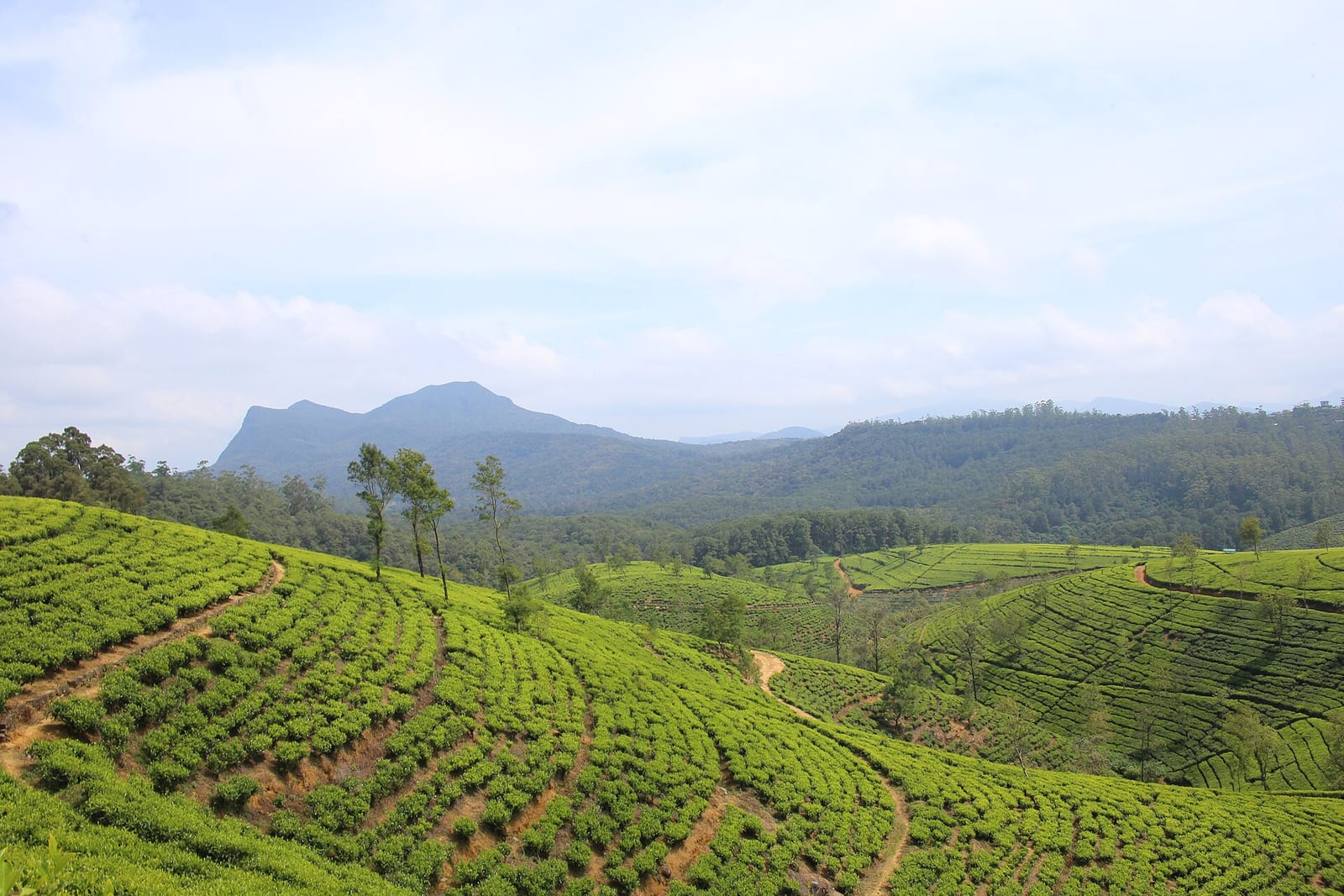
Kanyam Tea Estate is a tea garden in Ilam, Nepal, owned by the Nepal Tea Development Corporation (NTDC) and now operated by the Triveni Group. NTDC calls it the “Queen of all Tea Gardens”. Its factory sits at 5,500 ft (about 1,676 m), and NTDC describes the garden as the highest in Ilam district; the estate covers about 216 ha, of which 200 ha are planted to tea, and produces about 250,000 kg of orthodox tea a year. It lies in the foothills of Kanchenjunga, about 2 km from the Darjeeling tea gardens. NTDC says the garden was established with British technical collaboration at the initiative of the late King Birendra, but it gives no exact planting year. Kanyam is a garden and place name, not a single retail brand or a tea cultivar; the official material does not give a cultivar, grade, price, organic certification or specific sensory profile.

Black tea
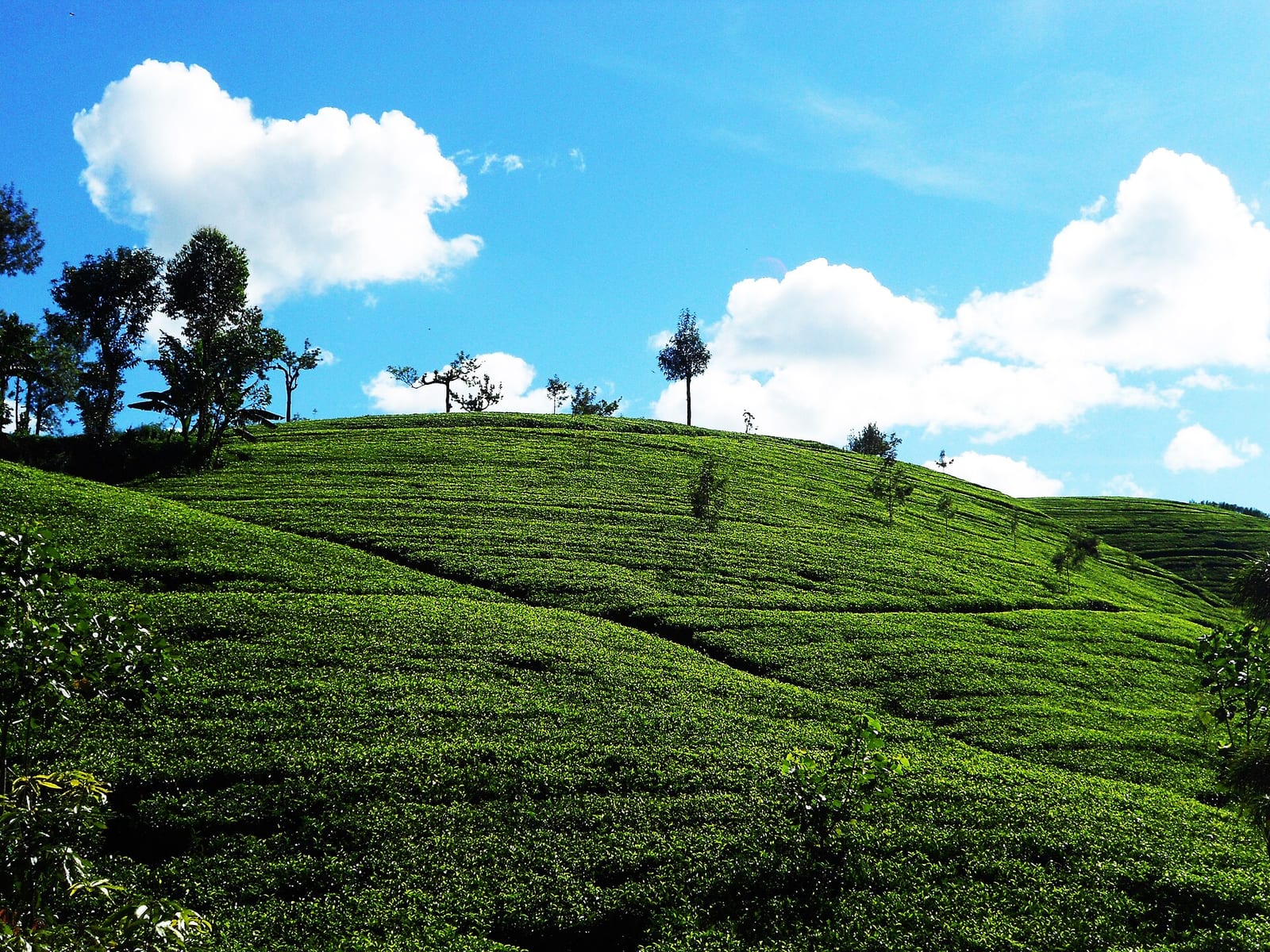
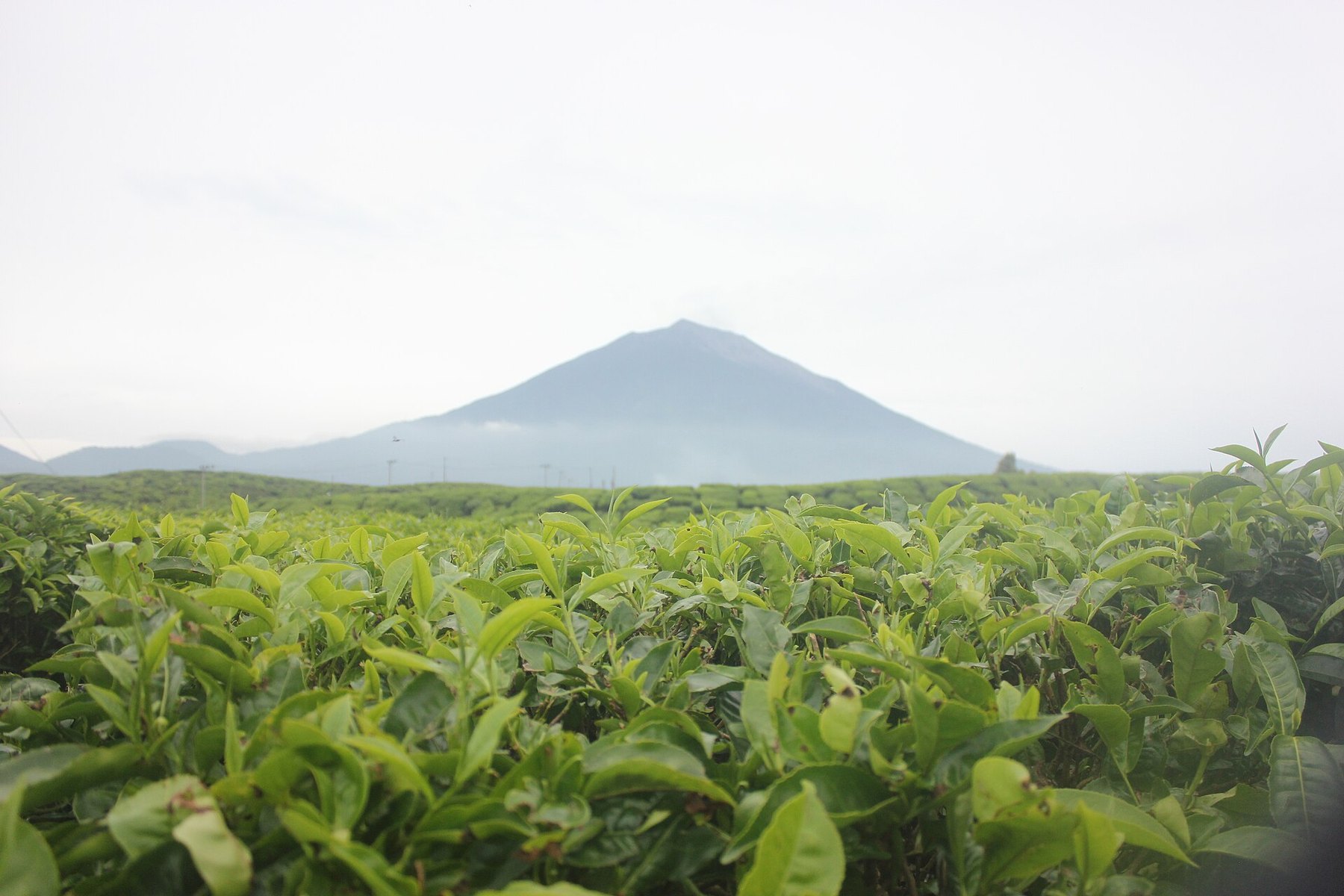
TeaTea rows at Kayu Aro with Mount Kerinci in the distanceZhilal Darma / Wikimedia Commons · CC BY-SA 4.0
Indonesia

Kerinci Tea (Kayu Aro Black Tea)

Kerinci tea usually means black tea from the Kerinci district of Jambi, Sumatra, and its core is the Kayu Aro garden and factory. The main garden sits at about 1,600 m on the western slope of Mount Kerinci; the factory was built in 1925 by the Dutch company NV HVA, began formal production in the early 1930s, and is now managed by PTPN IV PalmCo. It makes both orthodox and CTC black tea. The old draft called it Indonesia’s highest and largest tea region and described snow on a 3,805 m summit. Mount Kerinci is 3,805 m, but it is equatorial and has no permanent snow; the tea garden is nowhere near the summit.

Black tea
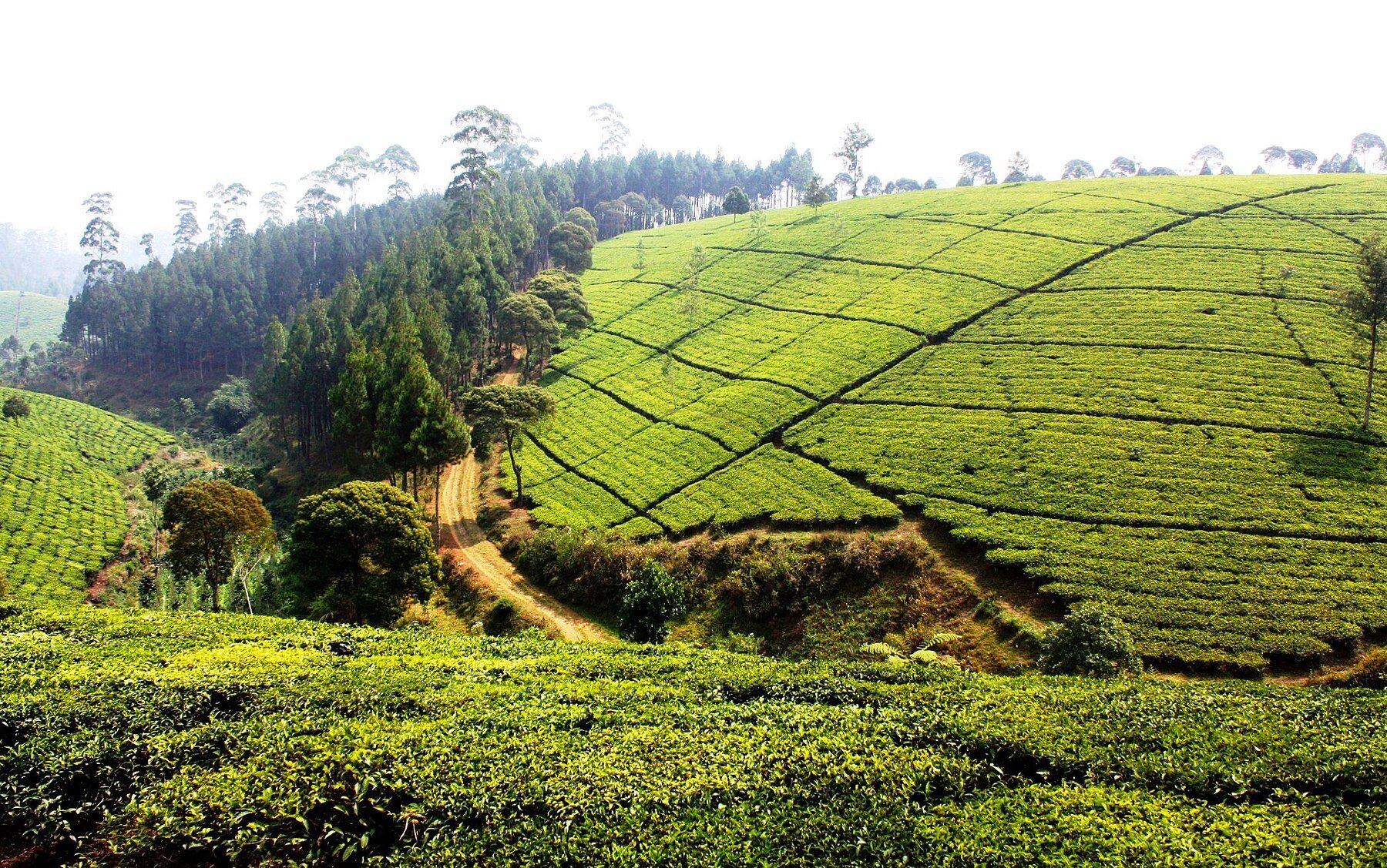
TeaMalabar tea plantation in Pangalengan, West Java, with green tea rows across the hillsDANIEL JULIE / Wikimedia Commons · CC BY 2.0
Indonesia

Malabar Tea Estate (Pangalengan, West Java)

"Malabar Mountain Tea" refers to the Malabar Tea Estate in Pangalengan, West Java, not a separate cultivar and not a generic "mountain garden." The estate was opened by Karel Albert Rudolf Bosscha in 1896 and is now managed by PTPN I Regional 2. A 2003 report gives an area of about 1,300 ha; a 2025 official source puts the tea at 1,400–1,600 m, hand-picked by fine plucking (two leaves and a bud), and identifies Leafy Grade Premium OP FO as the representative black tea. Its flavour is floral with a strong body, and its first export to Taiwan in 2025 came with a potential 42 t/year purchase interest. The old draft's century-old bushes, volcanic-stone cellar and geothermal-mineral story had no reliable source and have been removed.

Black tea
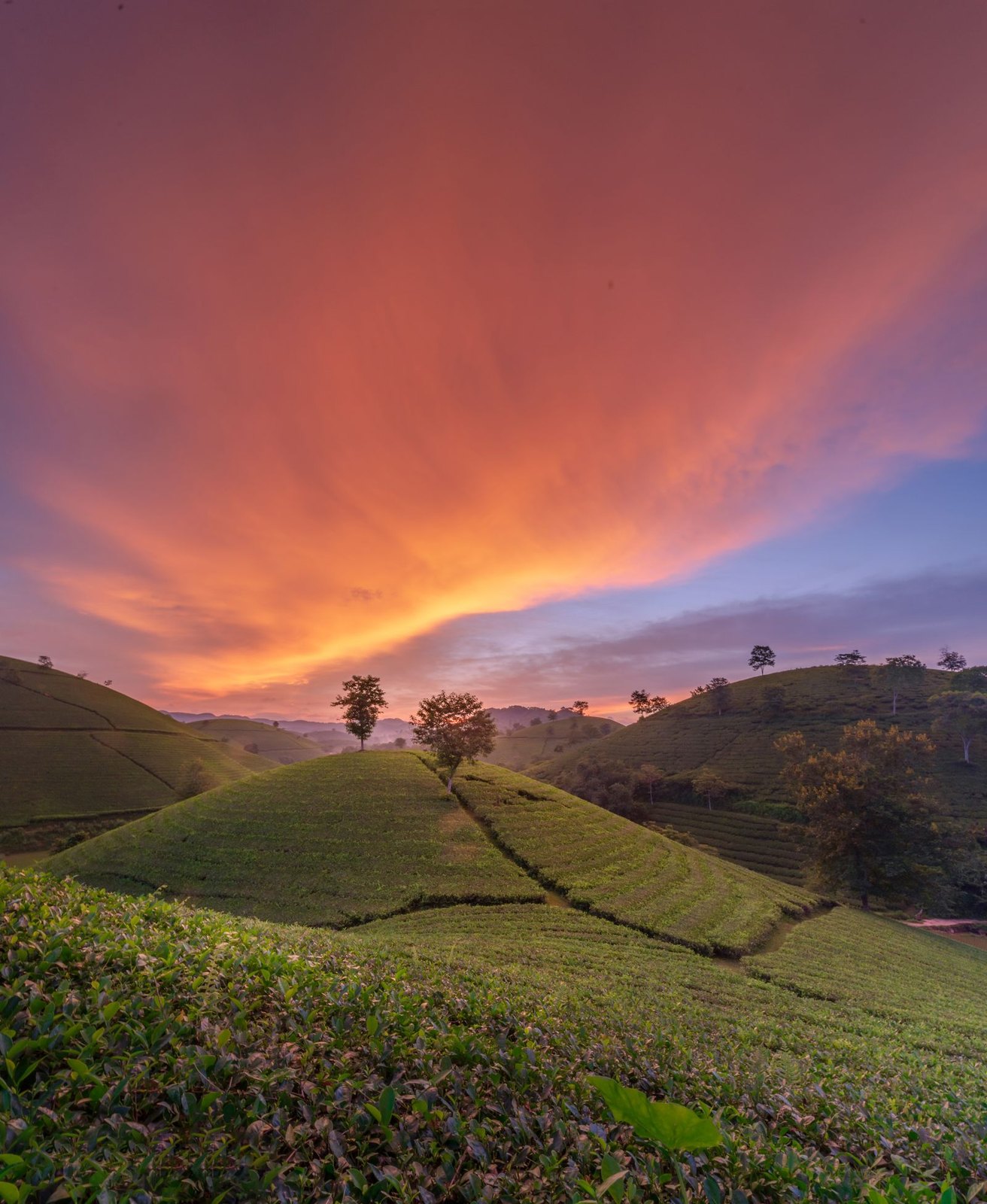
TeaTea hills in Phú Thọ, Vietnam, at sunsetTran Anh Tuan / Pexels · Pexels License
Vietnam

Phú Thọ Black Tea

Phú Thọ black tea is a regional fully oxidised tea from Phú Thọ Province in Vietnam, not a single brand and not a Chinese-style dark tea. The province's 2026 figures are about 14,500 ha of tea, 193,000 tonnes of fresh leaf and second place nationally by area, with 76 processors, 18 traditional tea villages, 12 cooperatives, 58 tea-growing communes and 3,800 ha under growing-area codes. Black tea is about 70% of processed volume; exports go to the Middle East, Russia, China, Pakistan, India, Indonesia and the UK, with about 30,000 tonnes exported in the first seven months of 2026. There is no single sensory standard, and Orthodox and CTC routes coexist. Old claims about Ly-dynasty tribute, a late-19th-century “first” black tea factory, 500-year wild tea trees and a Hùng King tea ancestor have no reliable source and are removed.

Black tea
TeaTea gardens on the hills of Rize, TürkiyeDosseman / Wikimedia Commons · CC BY-SA 4.0
Türkiye

Rize Çayı (Rize Tea)

Rize Çayı is a protected geographical indication for black tea from Rize province, Türkiye. It was registered on 26 March 2021 as a “menşe adı” (designation of origin), registration no. 707, by the Rize Commodity Exchange. It is not a brand and not a synonym for all Turkish black tea: only tea that meets the origin, material, processing and sensory standard may use the name. Rize is the centre of the Turkish tea belt on the eastern Black Sea, with a PGI dossier that gives roughly 2,300 mm annual rainfall, 14°C mean temperature and 78.8% relative humidity; Rize accounts for 67% of Türkiye's fresh tea output, and about 90% of its agricultural land is tea. The tea is fully oxidised, processed through Orthodox and CTC lines, brewed in a double pot and served in the thin-waisted ince belli glass.

Black tea
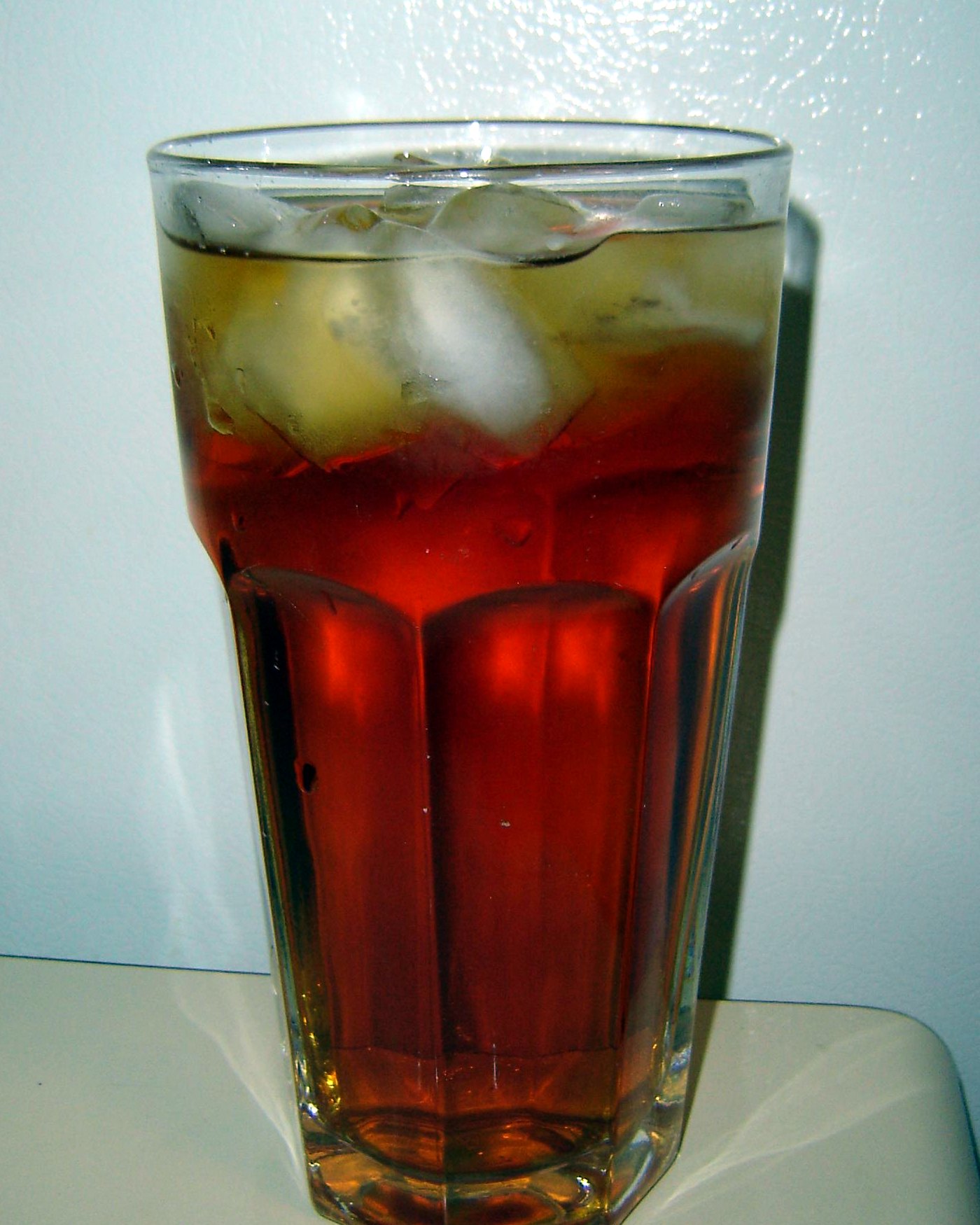
TeaA glass of sweet iced tea with ice cubes, deep amber-red in colourZantastik / Wikimedia Commons · CC BY-SA 2.0
United States

Southern Sweet Tea

Sweet tea is a southern United States way of drinking iced tea, especially associated with South Carolina and Georgia; it is not a tea category, cultivar or brand. The usual method is to brew black tea strong and hot, dissolve a large amount of sugar while the tea is still hot, cool it, and pour it over ice, often with lemon. An early published “Iced Tea” recipe appears in the 1878 edition of Housekeeping in Old Virginia (often cited as 1879): one quart of boiling water and two teaspoons of green tea, strained and poured over ice with two teaspoons of granulated sugar per glass, with lemon optional. That is “iced tea with sugar”, not the modern concentrate sweetened heavily before cooling. South Carolina designated sweet tea its official “state hospitality beverage” in 1995. Summerville calls itself the “Birthplace of Sweet Tea”, but the official tourism page hedges with “history seems to indicate such”; in 2016 the town used 2,524 gallons of sweet tea to set a Guinness record. The origin of sweet tea is not established, and local legend should not be presented as proven history.

Black tea
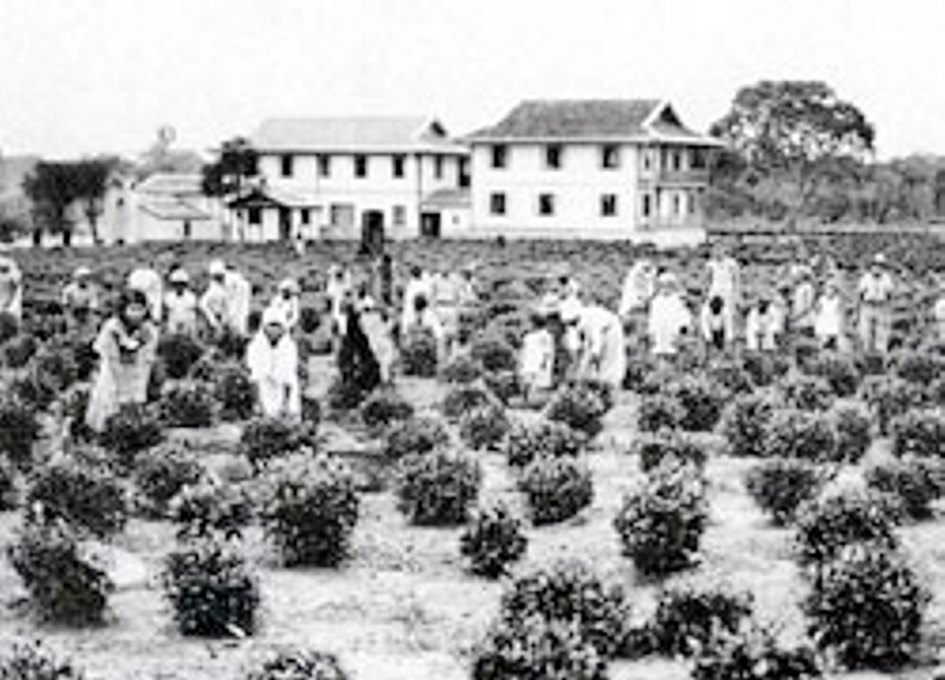
TeaHistorical photograph of Japanese immigrants picking tea near Registro, Vale do Ribeira, circa 1930Unknown author / Museu Histórico da Imigração Japonesa / Wikimedia Commons · Public domain
Brazil

Vale do Ribeira Black Tea

Vale do Ribeira black tea is a regional black-tea tradition in southern São Paulo state, centred on Registro, Pariquera-Açu and Sete Barras. It is not a single brand, cultivar or standardized process. In 1913 Torazo Okamoto brought Assam seedlings from Sri Lanka; in the 1930s Japanese immigrant growers expanded the valley to about 5,000 ha, 600 producers and 40 factories, with roughly 90% exported. The 1980s crisis closed many factories. A 1984 state law gave Registro the title “State Tea Capital”, and the city exported more than US$68 million of tea between 1997 and 2023. Three current cases are Amaya's non-orthodox, export-oriented production; Sítio Shimada's organic handmade black tea; and Sítio Yamamaru's agroforestry smallholding. Public sources do not give one regional cultivar, process or sensory standard, so “CTC strong liquor” is not a safe description of the whole valley.

Black tea

Explore the world of tea

ESC
Search in

Type a word. Let curiosity lead the way.

Open the full search page →
See all results