A family garden, not a country
Jun Chiyabari is a family-owned organic tea garden and brand in Hile, Dhankuta, in eastern Nepal. It is not a protected appellation and not a synonym for “Nepal tea.” It is one garden with its own fields, factory, standards and batch system.
The name means “Moon-lit Tea Garden” in Nepali, not “June tea garden.” That small correction matters because the old draft built a whole brand story around a mistranslated month.
| Item | Detail |
|---|---|
| Name | Jun Chiyabari / Moon-lit Tea Garden |
| Type | Family-owned organic garden and brand; multi-style |
| Place | Hile, Dhankuta, eastern Nepal |
| Altitude | About 1,650–2,200 m |
| Size | About 75 ha at the start; about 90 ha now |
| Founders | Bachan Gyawali and Lochan Gyawali |
| Established | April 2000; first land purchase in 2001 |
| Organic | Organic from first planting; IMO Switzerland certification, August 2012 |
| Products | Black, white, oolong and green tea |
Name and founders
The garden’s own timeline is clear. Bachan and Lochan Gyawali, brothers, started looking for land in 2000, bought the first plot in Hile in 2001, and planted the first sections around 2001. The name they chose, Jun Chiyabari, means “Moon-lit Tea Garden.”
The old draft replaced them with a “Japanese designer Toshi Bhandari” and added a Paris gold medal, a Japanese tea master’s residency and a list of 50 cultivars. None of that appears in the garden’s own timeline or in published interviews with the founders. The Japanese-designer story may have spread because Jun Chiyabari’s style is deliberately East Asian—oolong, green tea, white tea—but influence is not ownership. The founders are Nepali, and the garden is family-run.
The garden
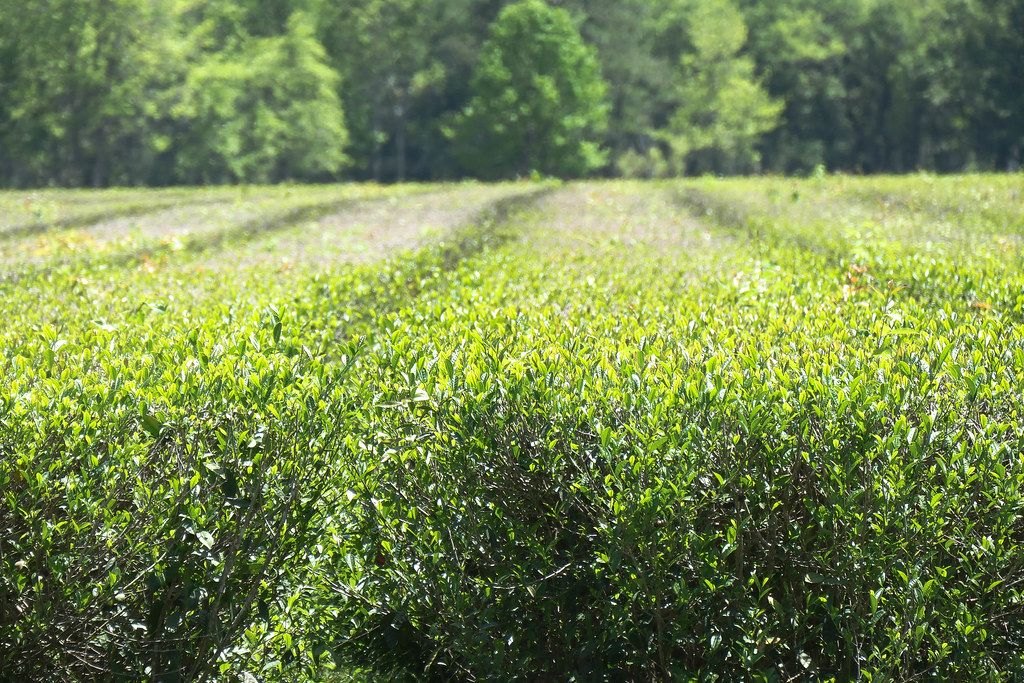
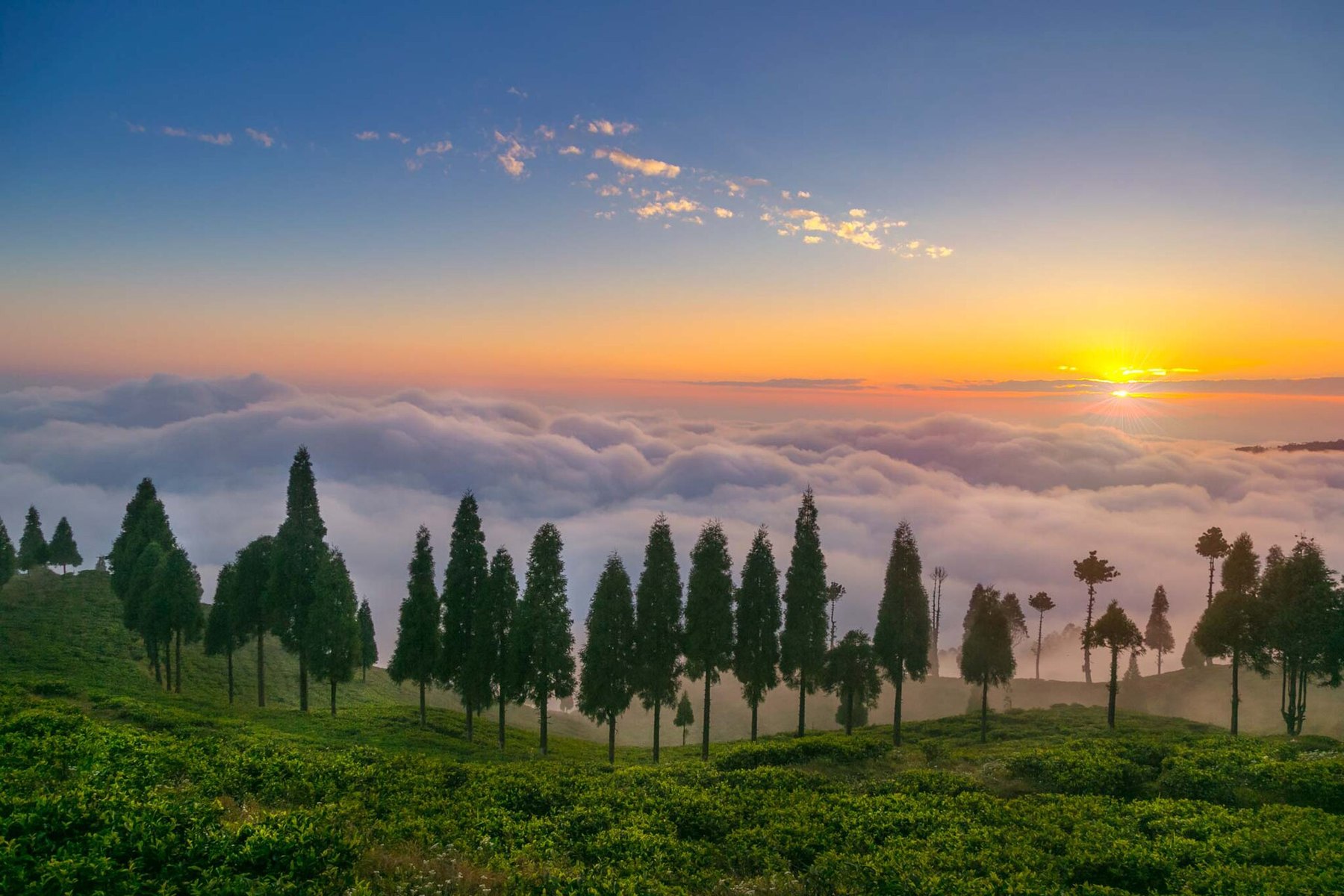
Jun Chiyabari sits on a high ridge in Dhankuta, at about 1,650–2,200 m, near 27°01'N 87°19'E. The garden began with about 75 ha in three divisions around Hile and has grown to about 90 ha. The plots are small, separated by altitude and cultivar, and picked by hand.
The location matters. Hile is cool, misty and slow to warm up; the growing season is long, and the leaf develops thick aromatics. The garden is not a single flat field. It is a set of small plots, which is why it can make several styles from the same estate.
Organic from the start
Jun Chiyabari has been managed organically since first planting. It received IMO Switzerland organic certification in August 2012. The certification covers the garden, the factory and the record trail, not just the finished packet.
This is different from “organic” as a marketing word. A certified garden must document its inputs, keep organic and conventional leaf separate, and submit to inspection. The certificate is the check; the tea still has to be fresh and well made.
What it makes
Jun Chiyabari is a multi-style garden:
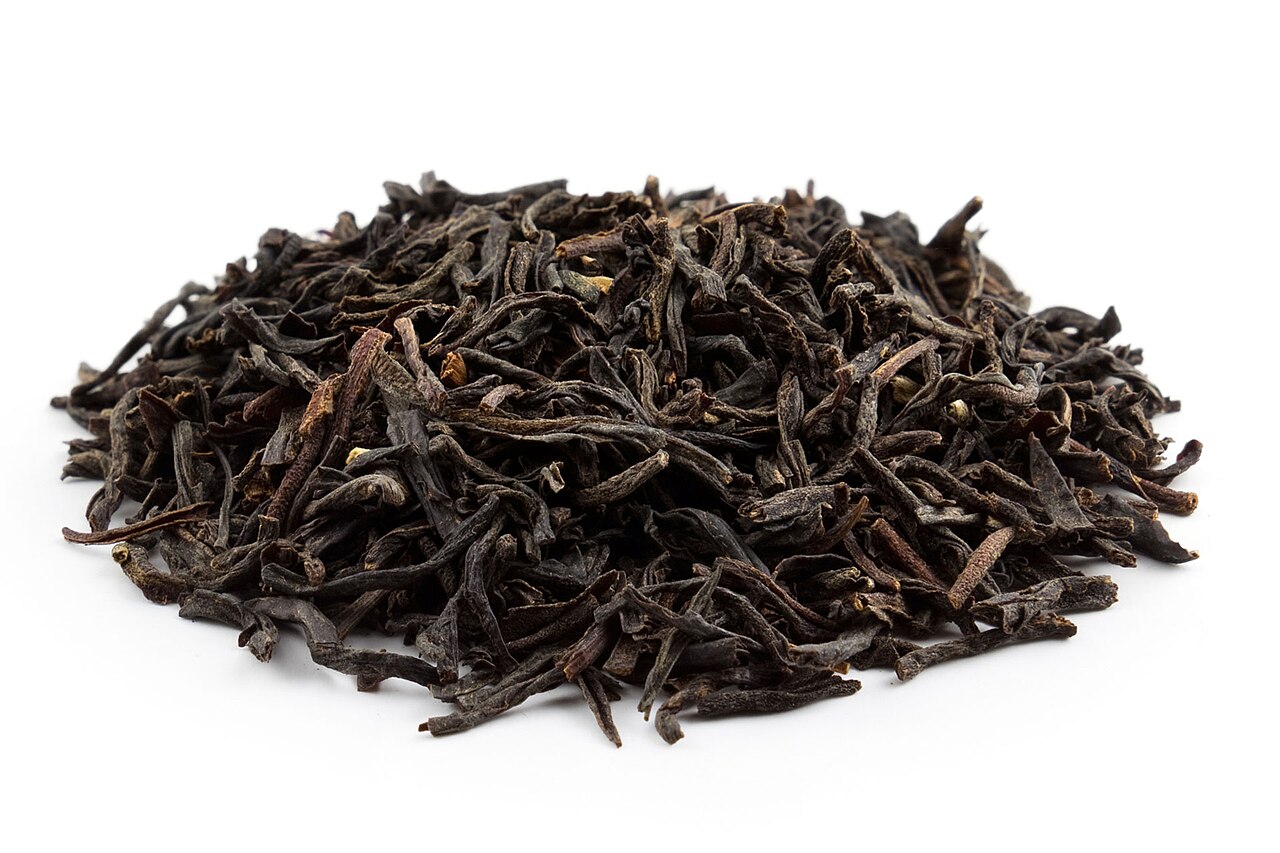
- Black tea: strip-shaped orthodox leaf, often floral and fruity rather than heavy.
- White tea: light withering and drying, sweet and delicate.
- Oolong: Himalayan Bouquet is the reference, made in an East Asian oolong style, from light floral to nutty and stone-fruit.
- Green tea: closer to Japanese or Chinese green-tea styles, depending on the batch.
The garden divides the year into six growing seasons, according to In Pursuit of Tea. That is unusual for a single estate and explains why two packets with the same name can taste different. The season, plot and style matter as much as the brand.
Flavour
Jun Chiyabari’s teas are typically light, floral, fruity and aromatic, with a fine texture rather than brute strength. The black tea can show cedar, chocolate and cranberry; the oolong is floral and fruity, with nutty and stone-fruit notes in darker lots; the white tea is soft and sweet; the green tea is fresh and chestnut-like.
These are trade descriptions, not laboratory analysis. The exact cup depends on the batch, altitude, cultivar, season and brew. Jun Chiyabari’s black tea is not a “strong breakfast blend”; it is a fine, aromatic black tea for plain drinking. If you want a tea that stands up to milk, this may feel too light.
How to brew it
Western pot:
- 3 g tea to 200 ml water.
- Black and oolong: 90–95°C.
- Green: 80–85°C.
- White: 85–90°C.
- 3–4 minutes.
- No milk, no sugar; drink it plain first.
Gongfu:
- 7–8 g tea to 110 ml water.
- 90–95°C.
- First steep 10–15 seconds, then add 5–10 seconds per infusion.
- Oolong: 6–8 infusions; black: 4–6; green: 3–4.
Jun Chiyabari’s aromatics are fine. Boiling water can flatten the florals. Start slightly cooler and work up.
How to buy it
- Read the garden and the batch. “Jun Chiyabari” is not enough; ask for season, plot, cultivar and style.
- Check the organic certificate. IMO Switzerland, with a number and validity period that can be checked.
- Check the product type. Black, white, oolong and green are different processes, not one “high-mountain tea.”
- Check the season. Six growing seasons means spring, summer and autumn lots can differ sharply.
- Buy a sample. The tea is not cheap; 50 g is a safer test than a full tin.
Myths to drop
“The founder was Japanese designer Toshi Bhandari.”
The garden’s timeline and interviews point to the Gyawali brothers. The Japanese-designer claim has no source.
“Jun Chiyabari means June tea garden.”
It means “Moon-lit Tea Garden.”
“Jun Chiyabari only makes black tea.”
It makes black, white, oolong and green; Himalayan Bouquet is an oolong line.
“All Nepal tea is Jun Chiyabari.”
Jun Chiyabari is one garden. Nepal has many other gardens in Ilam, Dhankuta and Panchthar.
“It won a Paris gold medal in 2010.”
That claim does not appear in the garden’s timeline or the sources reviewed; this page does not repeat it.
One-line definition
Jun Chiyabari is a family-owned organic garden in Hile-Dhankuta: the name means Moon-lit Tea Garden, the founders are the Gyawali brothers, the altitude is about 1,650–2,200 m, and the garden makes black, white, oolong and green tea. Its identity comes from small-lot range, not from an invented Japanese designer.