One-line identity
Nilgiri is India’s “aromatic” black tea. It does not chase Assam’s density; it wins on floral lift, golden colour, brightness and a soft, creamy texture. It works well plain, as a cold brew and as the aromatic component in blends.
The Blue Mountains and their weather
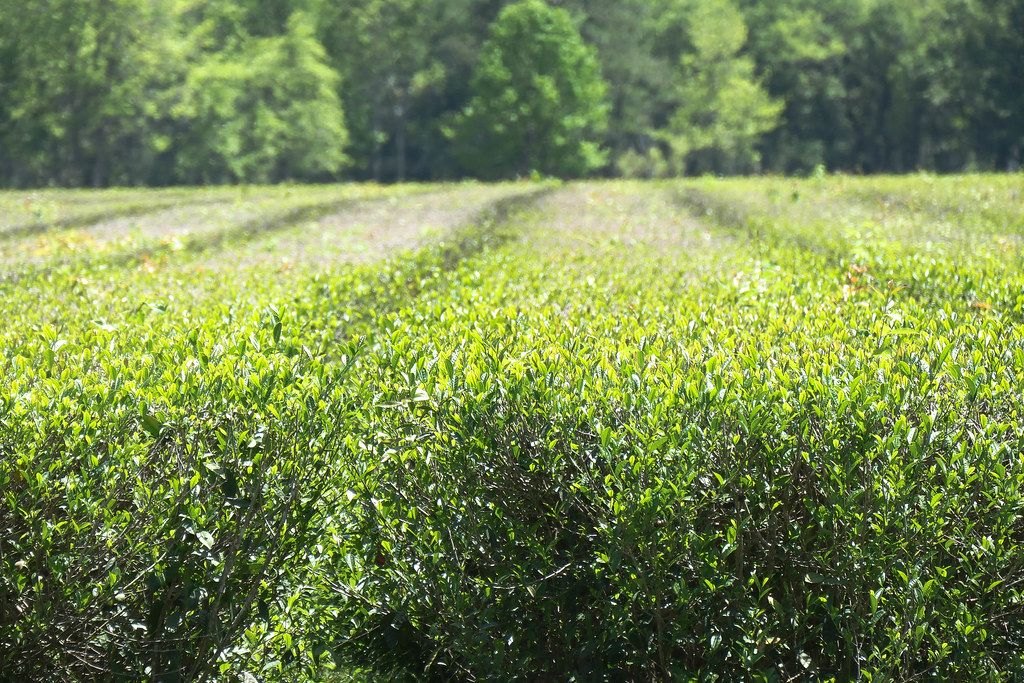
Nilgiri means “blue mountains” in Tamil. The range sits in southern India’s Western Ghats, in Tamil Nadu. The Tea Board gives garden elevations of 1,000–2,500 m and annual rainfall of 150–230 cm. The Indian Tea Association’s older statistics give about 66,175 ha and 135 million kg; treat those as an older estimate, not a current exact figure.
What makes Nilgiri unusual is its double monsoon. Both the southwest and northeast monsoons reach the hills, so the tea plant has no long dormant season and leaf can be plucked around the year. The Tea Board states this explicitly. Year-round plucking does not mean year-round identical quality: monsoon, dry-season and cool-weather batches differ in strength, aroma and staying power.
Elevation and slope matter too. The Nilgiri orthodox regulation notes that most gardens sit above 1,500 m on steep slopes with natural drainage. Cooler nights, mist and slower leaf growth help aroma accumulate, giving a finer cup. “Blue Mountains” is not just a romantic name; it is shorthand for high elevation, two monsoons, steep slopes, acid soil and cloud.
Plant and processing
Nilgiri’s planting history is more mixed than Assam’s. Early gardens used China-type leaf; later growers brought in Assam-type material and hybrids suited to the southern highlands. The Indian Tea Association records a tea experiment in the Ketti Valley in 1853 and full-scale planting at Thiashola and Dunsandle in 1859, which is when the modern industry took shape.
Nilgiri produces both orthodox and CTC, but orthodox is the image tea. The Tea Board has registered Nilgiri orthodox as a geographical indication, and the regulation requires certified tea to come from a single listed estate or a blend of listed estates only; non-Nilgiri tea cannot be mixed in. That rule gives the name more force than a marketing claim.
Orthodox processing aims at light rolling, controlled oxidation and prompt drying. The goal is not weight but floral clarity. Over-oxidise and the perfume turns dull; under-oxidise and a green, raw note remains. The hard part is being “light without being thin”: the liquor still needs structure, but not from bitterness.
Flavour and brewing
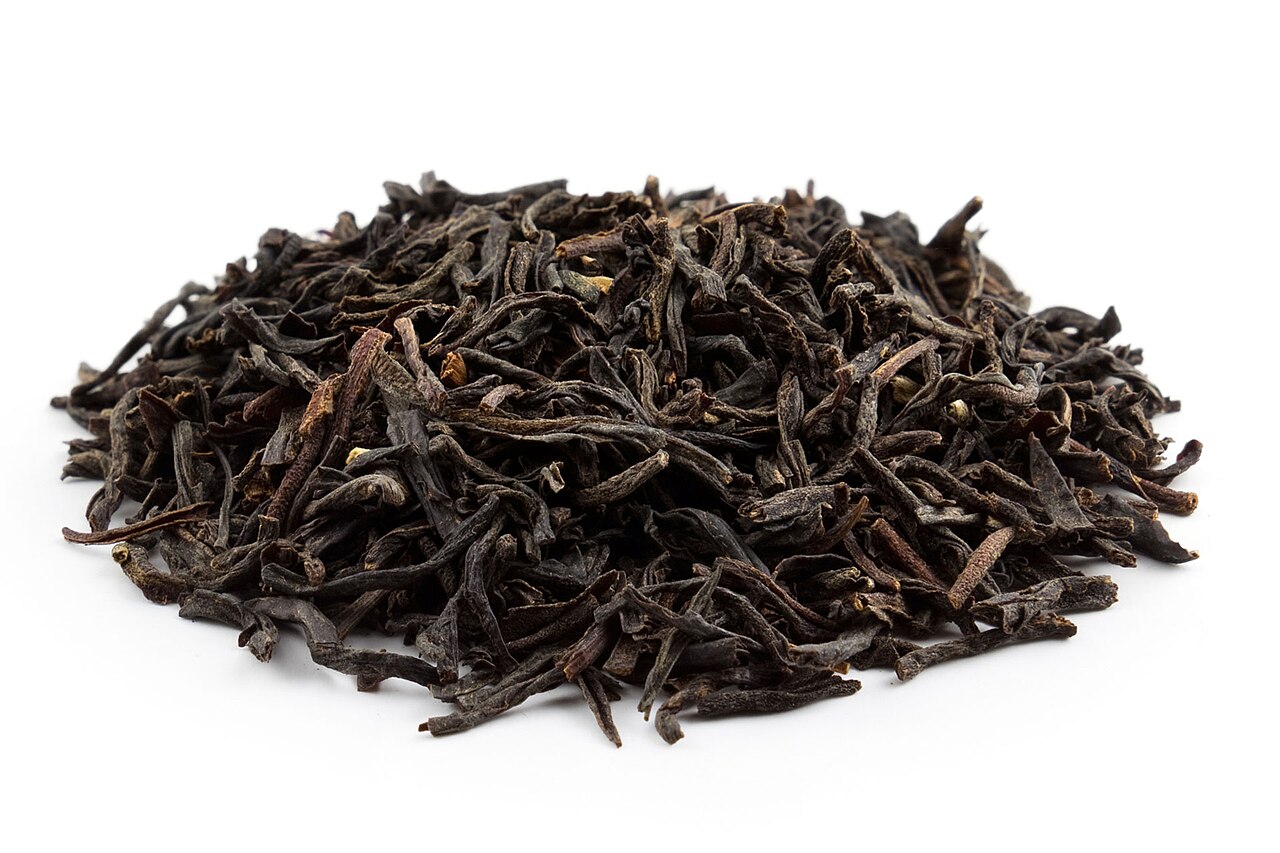
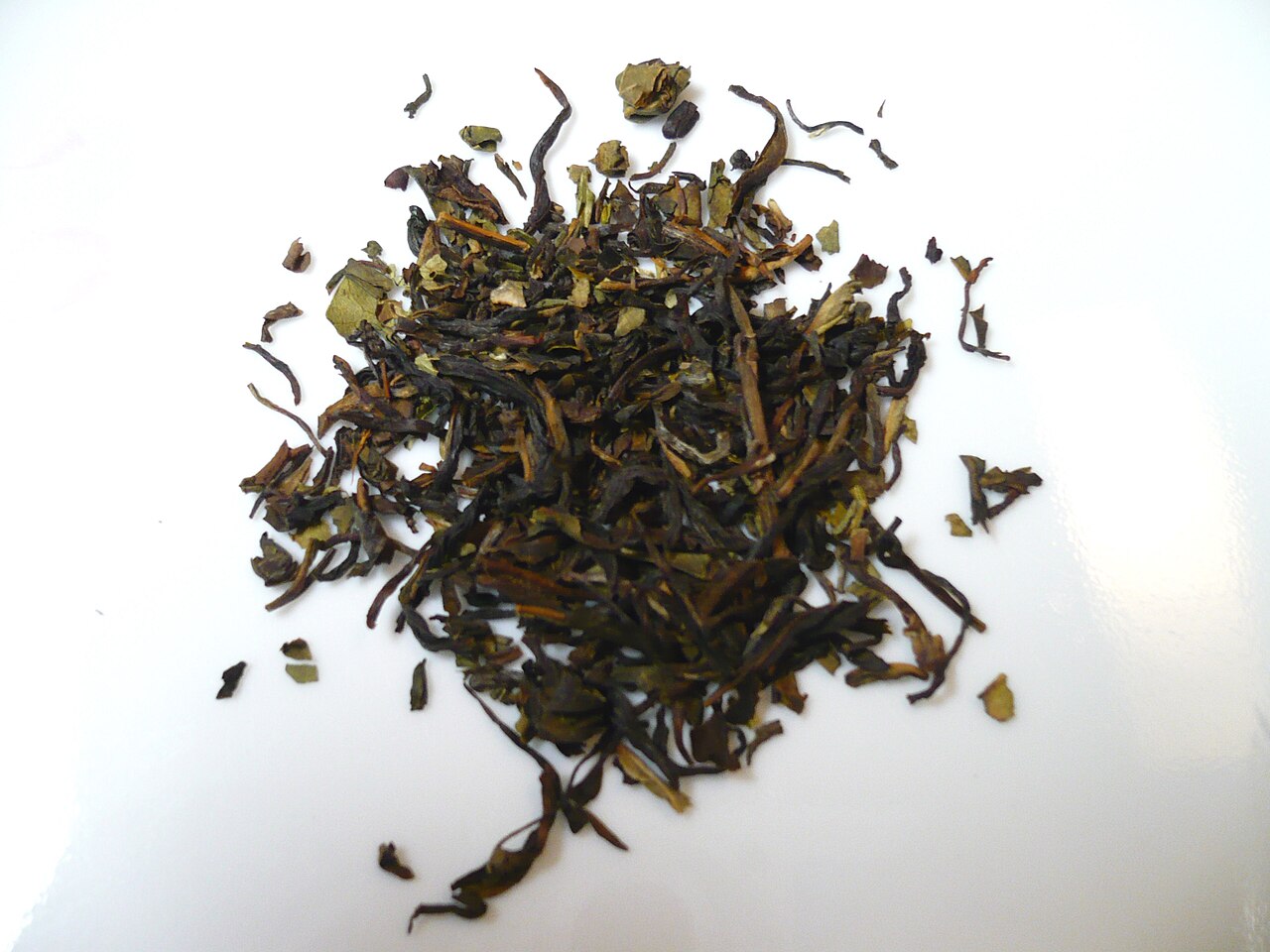
Dry leaf is usually a tight strip, dark brown with a purple-copper or grey-green cast, sometimes tipped. The liquor is golden to light amber and clear. Aroma is white flowers, citrus blossom, ripe fruit and a faint mint coolness. The entry is smooth, tannin fine, the finish clean and creamy. The Tea Board’s language — delicately fragrant, golden yellow, crisply brisk, creamy mouth feel — is more accurate than the old page’s “almost never astringent”. The better description is low astringency with brightness intact.
Brewing suggestions:
- Plain. 90–95°C, 3 g per 200 ml, 2.5–3.5 minutes. Too hot or too long flattens the flowers into roughness.
- With milk. Possible, but Nilgiri’s frame is lighter than Assam’s; use less milk or the tea disappears.
- Cold brew. 4 g per 500 ml cold water, 6–8 hours in the fridge. The floral, low-astringency style suits cold brewing, but do not overleaf or it turns bitter.
- Iced tea. Brew concentrated, chill fast, and do not leave it at room temperature for hours.
Judge Nilgiri on brightness, clean aroma and a smooth finish, not on “strength”. A dark, dull liquor, a muffled nose or a rough entry points to leaf or oxidation problems.
Grades and buying
Nilgiri uses the standard Indian grades: OP, FOP, GFOP, BOP, BOPF and so on. Whole-leaf grades suit plain brewing; broken grades extract faster and suit blends and tea bags. When buying:
- Single estate or not. The GI system stresses estate origin; a single-estate lot shows the terroir more clearly.
- Orthodox or CTC. The pack usually says. Choose orthodox for aroma, CTC for a strong milk tea.
- Season. Dry and cool-weather batches tend to concentrate aroma; monsoon tea is coarser and better for blending.
- Freshness. This is an aromatic tea, not a keeper. Finish within about a year.
History and industry
The Indian Tea Association records that John Sullivan built Stone House at Ooty in 1823, when the Blue Mountains were a European summer retreat; that tea was planted on an experimental farm in the Ketti Valley in 1853; and that full-scale planting began at Thiashola and Dunsandle in 1859. Nilgiri later became a major southern Indian region. In the twentieth century its stable volume and moderate price made it important to Russia and Eastern Europe; after the Soviet collapse the market shifted toward Western specialty buyers and iced-tea manufacturers. Those market statements are background, not figures to quote precisely.
Sources and status
This page relies on the Tea Board of India’s Nilgiri page, the Nilgiri orthodox regulation PDF, and the Indian Tea Association’s regional material. They support geography and flavour, GI structure, and early history respectively. Legacy claims — the “blue mountain goddess” legend, “the bushes never sleep and can be plucked every month”, the “frost tea” price myth, and unverified Soviet import tonnages — have been removed or downgraded to qualified background. All migrated pages are currently marked reviewed, but sources and wording will continue to be revised.