Overview
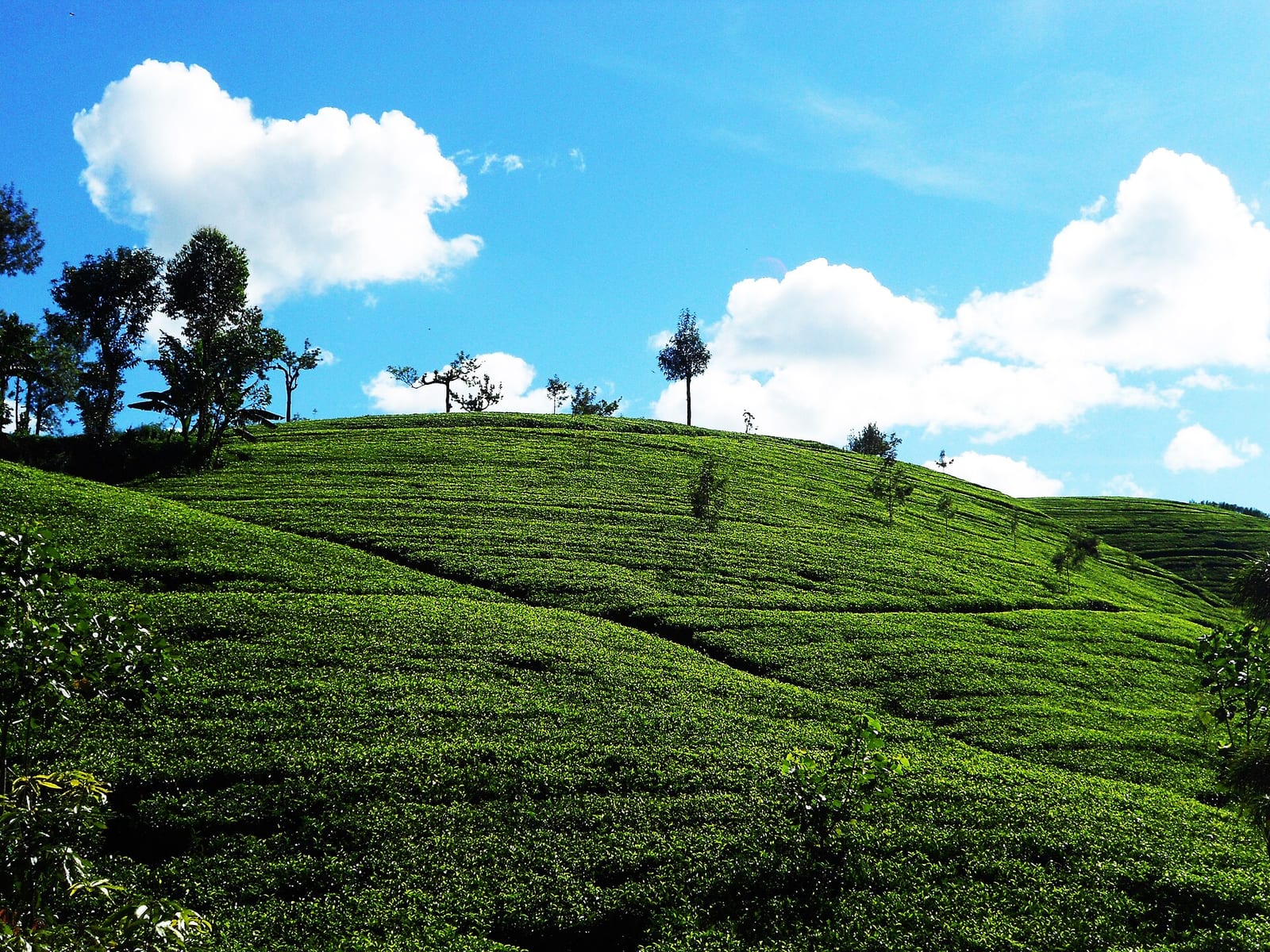
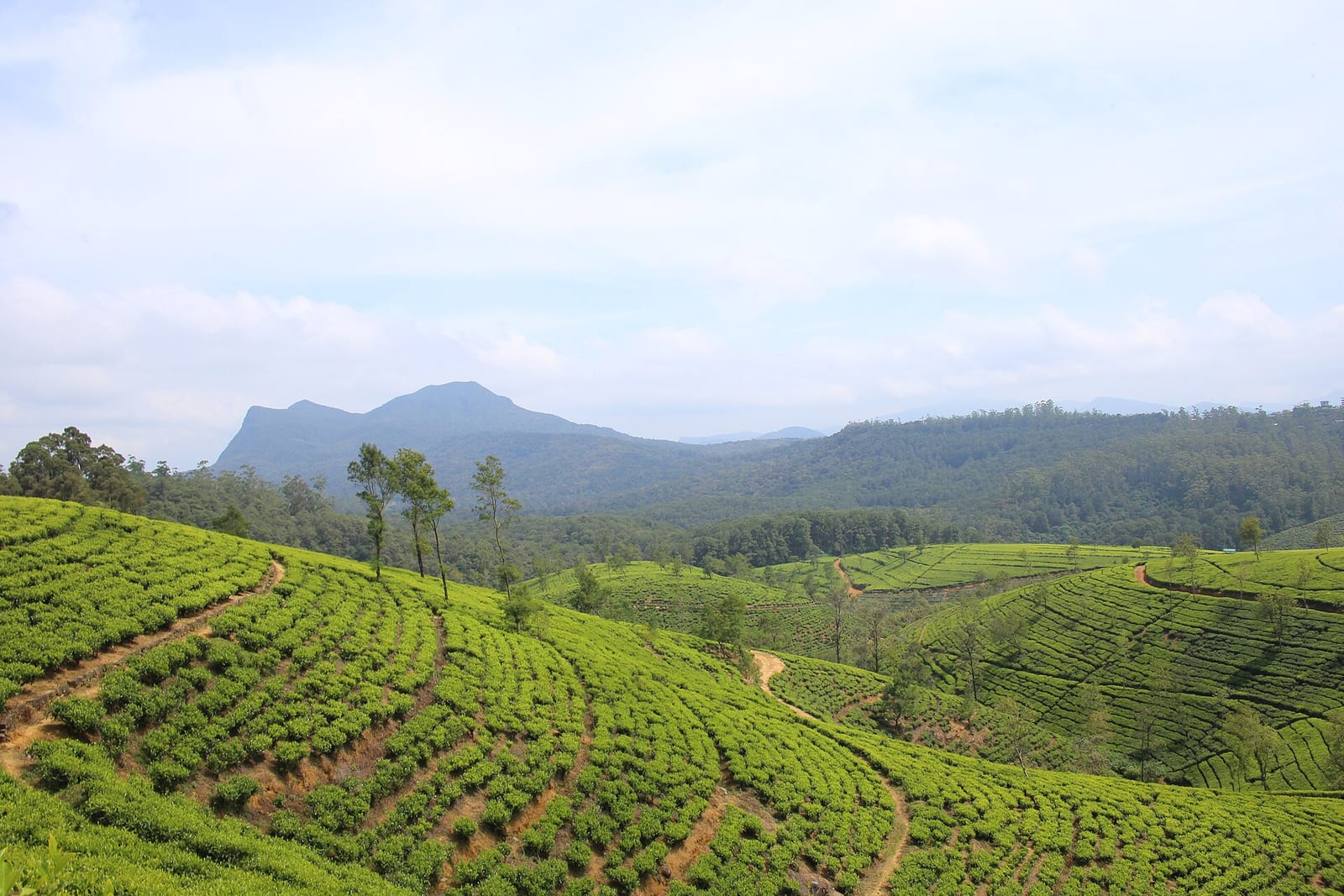
Nuwara Eliya is a high-grown tea district in Sri Lanka's central highlands, with gardens mostly above 6,000 feet (about 1,800 metres). The official Ceylon Tea description emphasises cool, bracing mornings and nights cold enough for frost. Tea grows slowly here, and the result is the lightest and most refined style in Sri Lankan tea. The same official page calls Nuwara Eliya the "champagne province" of Ceylon tea and says its Flowery Pekoes are best drunk light.
Those are district-level reference points, not a guarantee for every garden. Nuwara Eliya is an administrative name, not a single estate. Altitude, slope, cultivar and the factory's oxidation style all change the cup. A serious assessment of a specific tea still depends on plucking date, garden location and grade.
Origin and terroir
The district lies in the central highlands around Nuwara Eliya town, with tea gardens spread across surrounding valleys and slopes. The official description puts the tea land above 6,000 feet, where the morning air is cool and the nights are cold and touched with frost. Slow growth at that altitude tends to produce smaller, firmer shoots and lower yields than in the low country.
The highland terrain also creates strong microclimates. A sunny slope, a shaded valley, a ridge exposed to wind and a garden sheltered by forest can be only a few kilometres apart and still taste different. The official regional style is "lightest and most refined", with Flowery Pekoe recommended for drinking without milk. That profile is linked to altitude, slow growth and a delicate aromatic leaf, but it is not uniform across the whole district.
Soil and exact elevation vary from garden to garden, so one figure should not be used to describe the entire district. For drinkers, the useful information is the garden name, elevation and plucking date on the packet, followed by an actual taste of the liquor.
Cultivars
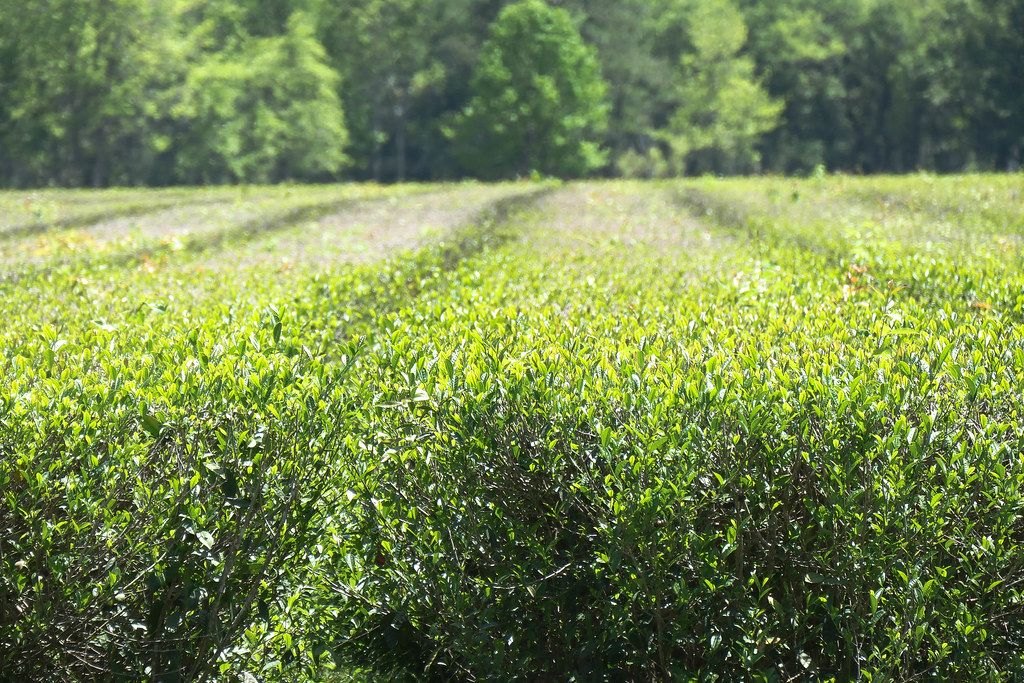
Nuwara Eliya is planted mainly with Sri Lankan large-leaf cultivars and clonal selections bred by the Tea Research Institute of Sri Lanka (TRI). Estates combine early, middle and late flushing cultivars according to elevation, slope and drought tolerance, so the factory receives leaf across the season.
At high altitude, the shoot grows more slowly and the leaf is often smaller and firmer, with a higher concentration of aromatic compounds. That helps explain the district's delicate, light style, but the cultivar only provides the raw material. Plucking standard and processing decide the final cup.
Some older gardens retain seedling tea and local landraces. Their proportion and origin vary by estate. Claims about "century-old Chinese small-leaf bushes" should be treated as estate-specific history unless the garden can document it; they are not a general rule for the district.
Processing
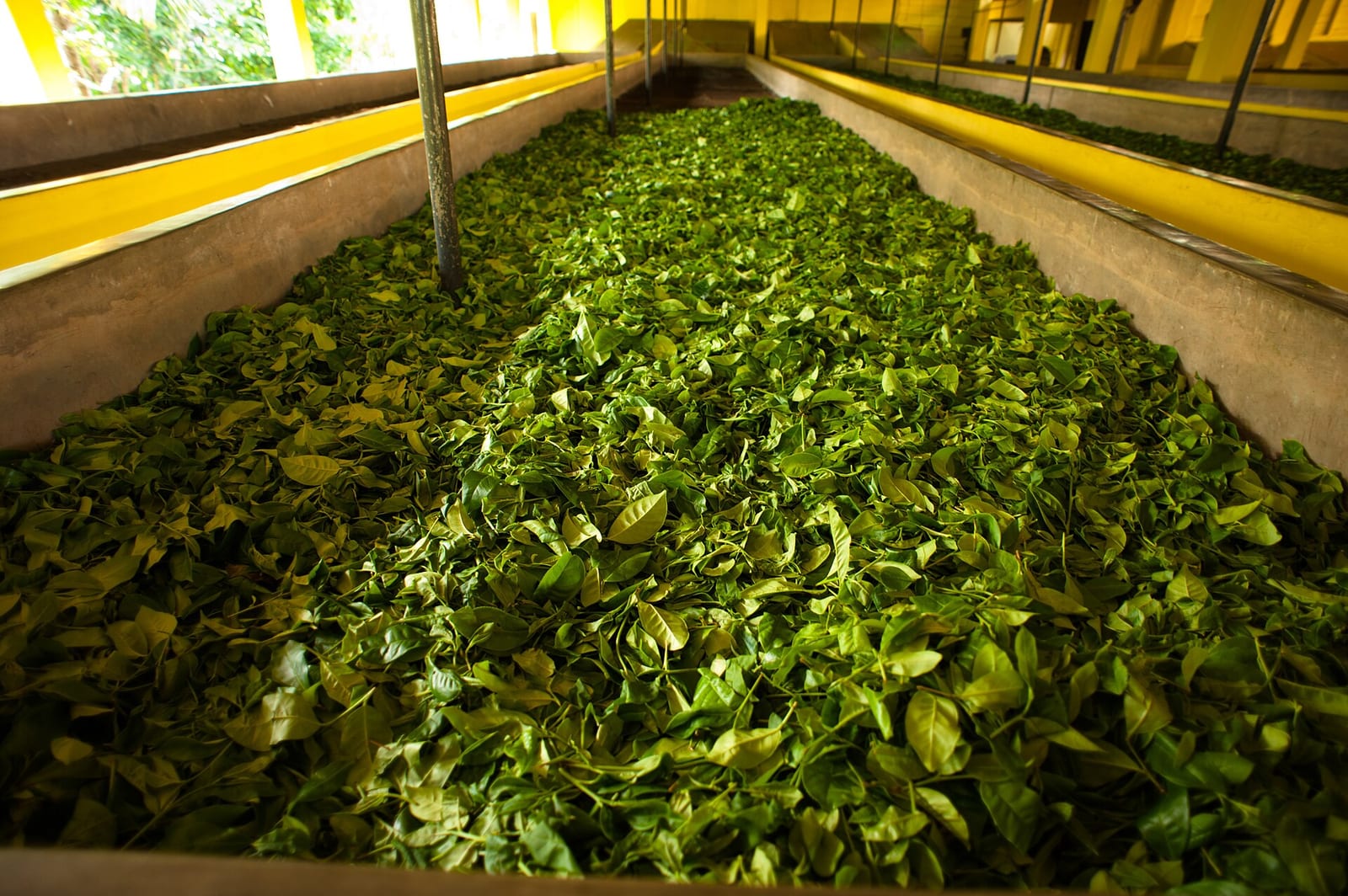
Nuwara Eliya is primarily an Orthodox whole-leaf district, although some factories also produce CTC for blends and tea bags. Orthodox processing usually begins with picking two or three leaves and a bud, followed by withering, rolling, oxidation, drying and sorting.
Withering spreads the leaf in troughs and uses air to remove part of its moisture, making it pliable for rolling. Rolling is done in stages, with light pressure first and heavier pressure later, bruising the cells and releasing juice while trying to keep the leaf style intact. Oxidation develops colour and aroma. To preserve the high-grown floral character, many factories aim for a relatively light oxidation, but the exact time, temperature and degree vary by factory and cannot be reduced to one fixed number for the district.
After oxidation, the leaf is dried, sorted and cleaned of stalk and fibre. Whole-leaf Nuwara Eliya teas are usually tight and wiry with some tip; broken grades infuse faster and are more often used in blends. In every grade, clean, dry and sealed storage is essential because tea readily absorbs moisture and odours.
Quality and flavour
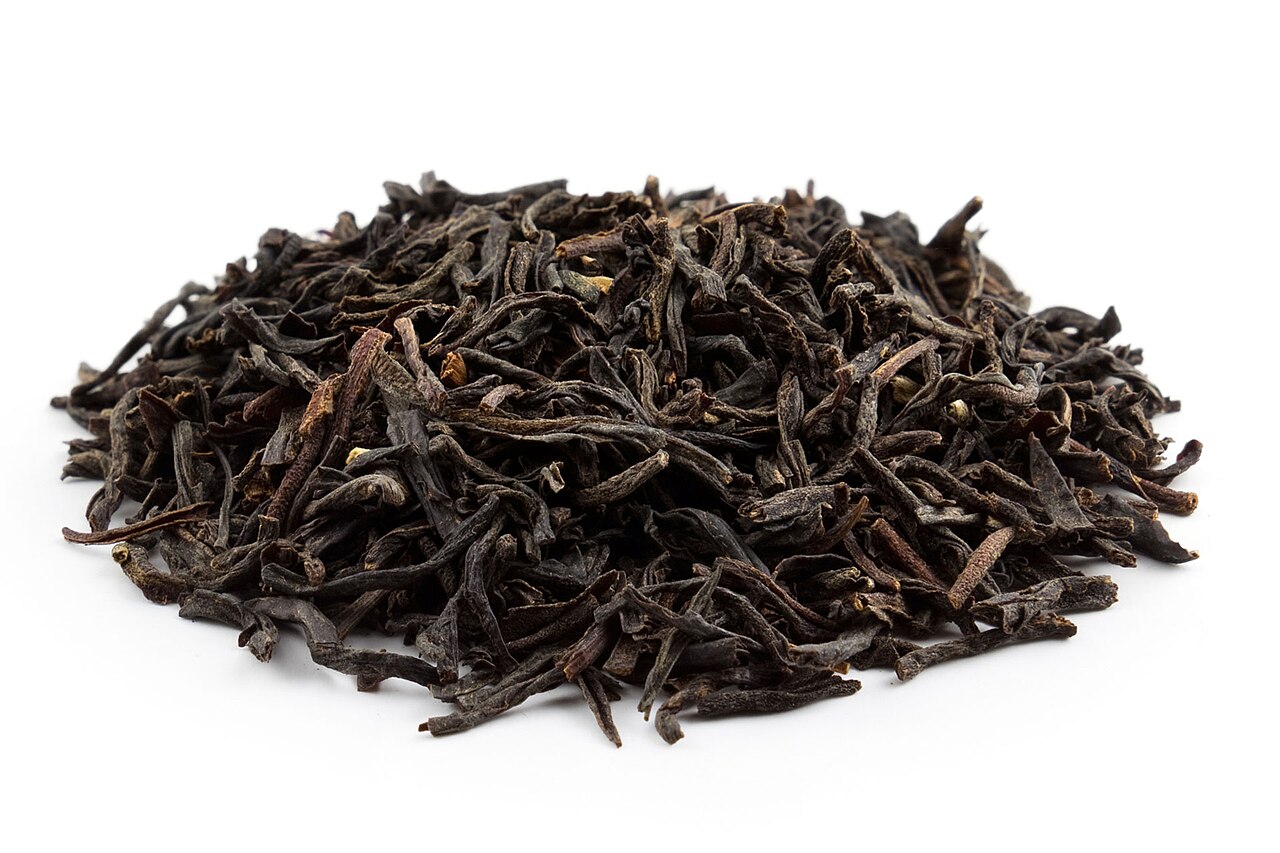
Dry leaf is usually fine, tight and dark, sometimes with a small amount of golden tip. The dry aroma should be clean and gently floral or sweet, without a stale, smoky or musty note.
Brewed, the liquor should be clear and bright, ranging from pale gold to amber. The official description places Nuwara Eliya among the lightest and most refined Ceylon teas; it is often called the "champagne of black tea". A typical cup has a lifted floral aroma, a light body and a clean finish. It is usually less strong than low-grown Ceylon, and its strength is transparency and detail rather than power.
Plain drinking shows the style best, and the official page recommends Flowery Pekoe drunk light. A heavier cup can be obtained with more leaf or a slightly longer infusion; milk will cover part of the floral top note and suits drinkers who prefer a fuller texture. Faults to watch for are a dull or dark liquor, a flat or dusty aroma, a drying mouthfeel, or a bitter finish; these point to problems in leaf or processing.
History
Nuwara Eliya's tea history belongs to the wider transition of the Ceylon coffee economy. Coffee rust arrived in 1869, and as coffee estates failed in the 1870s and 1880s, planters turned to tea. Ceylon tea production expanded rapidly in the 1880s, and by the late 1880s most of the old coffee land had been converted.
The official Ceylon Tea timeline records a key Nuwara Eliya date: in 1884, the Central Tea Factory was built on the Fairyland Estate (Pedro). That indicates a substantial factory presence in the district by the mid-1880s, not merely scattered experiments. In 1891, Ceylon tea sold at the London tea auctions for LKR 36.15 per pound, an exceptional price that helped high-grown Ceylon tea reach international buyers.
Nuwara Eliya subsequently became one of the best-known high-grown districts in Ceylon. Its reputation rests on altitude, a delicate style and reliable export supply, not on a single garden. Today the district still produces Orthodox tea and some CTC, serving both single-origin buyers and international blends.
Timeline
| Period | Event | Note |
|---|---|---|
| 1869 | Coffee rust | Coffee rust spreads through Ceylon and accelerates the shift from coffee to tea. |
| 1880s | Tea expansion | Ceylon tea production grows rapidly; by the late 1880s most coffee land has been converted. |
| 1884 | Pedro factory built | The Central Tea Factory is built on the Fairyland Estate (Pedro) in Nuwara Eliya. |
| 1891 | London auction price | Ceylon tea sells at the London auctions for LKR 36.15 per pound. |
| 20th century | High-grown reputation | Nuwara Eliya becomes a leading high-grown district and an export name. |
| Today | Orthodox and CTC | The district continues to produce whole-leaf Orthodox tea and some CTC. |
Grades and quality cues
Whole-leaf Nuwara Eliya grades include OP (Orange Pekoe), FOP (Flowery Orange Pekoe) and GFOP (Golden Flowery Orange Pekoe); TGFOP also appears. The letters describe leaf style and tip content, not absolute quality.
Broken grades include BOP (Broken Orange Pekoe) and BOPF (Broken Orange Pekoe Fannings). They infuse quickly and are common in blends and tea bags. They can be excellent everyday teas, but they are not the best reference for Nuwara Eliya's delicate floral character.
When choosing, look first for a clear, bright liquor, a lifted aroma, a smooth entry and a clean finish. Garden name and grade help, but plucking date, processing and storage usually matter more.
Local legend
Nuwara Eliya has a local story about a "cloud tea girl". A heavenly maiden came to Adam's Peak, fell in love with a young tea picker and watered his garden with dew, so the bushes produced golden tips. When the gods called her back, she left a tear in the garden, and the tea was said to carry the fragrance and sweetness of longing. The story is folklore, not a historical record.
References
The sources for this entry are listed in the page footer and in the Chinese version. They include the Sri Lanka Tea Board, the official Tea Diversity page for Nuwara Eliya, the Story of Ceylon Tea timeline and the Tea Research Institute of Sri Lanka.