Overview
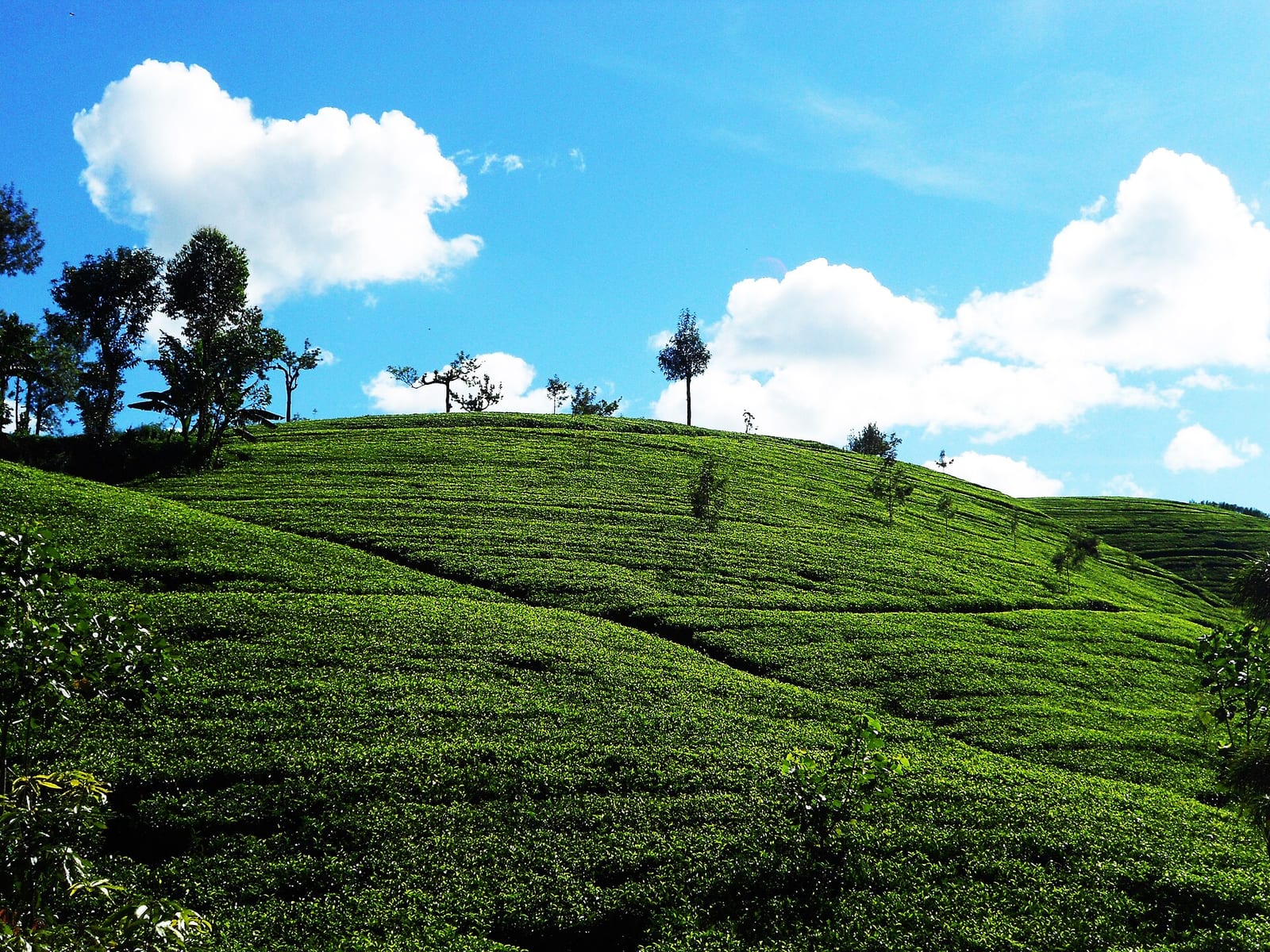
Dimbula is one of Sri Lanka's seven tea regions and one of the best-known names in high-grown Ceylon tea. The valley lies on the western side of the central highlands, with tea gardens roughly between 1,200 and 1,800 metres. It is a middle-to-high elevation district: lighter and more aromatic than the low country, but usually fuller and softer than the most delicate Nuwara Eliya teas.
The official Ceylon Tea description calls Dimbula "refreshingly smooth" and notes a reddish-golden-orange liquor, a jasmine-like fragrance with a cypress note and a mellow finish. Those are the reference points, not a guarantee for every estate. Dimbula is a large region with many factories, cultivars and microclimates, and the best way to judge a specific tea is to taste it.
Dimbula is often described as one of the most famous Ceylon teas. That reputation rests on consistency: the district produces a recognisable style across a large volume of tea, and it has been an important export name for more than a century.
Origin and terroir
The Dimbula valley sits on the western slopes of the central highlands. Its tea estates are clustered around Hatton and the surrounding valleys of Bogawantalawa, Dickoya, Maskeliya and Norwood. The altitude is generally given as about 1,200–1,800 metres, which places Dimbula in the high-grown band.
Dimbula's climate has two distinct phases. From December to March the weather is relatively cool and dry, with a large day–night temperature range. The bush grows slowly, the shoot becomes firmer and the aromatic precursors have time to accumulate. From May to September the southwest monsoon brings rain; the estate and factory then deal with a wetter, faster-growing leaf.
The official Ceylon Tea page describes this double rhythm as two different climates within one year. The dry-season leaf tends to give the cleaner, more fragrant cup; the wet-season leaf is often darker and stronger. A single estate can therefore taste quite different in February and July, even when both teas carry the same district name.
The valley's soils are weathered upland soils with good drainage, and the slopes are steep enough that many gardens are still plucked by hand. Mist is common, especially in the early morning, and the combination of altitude, cloud and cool nights is the basis of Dimbula's aromatic reputation.
Cultivars
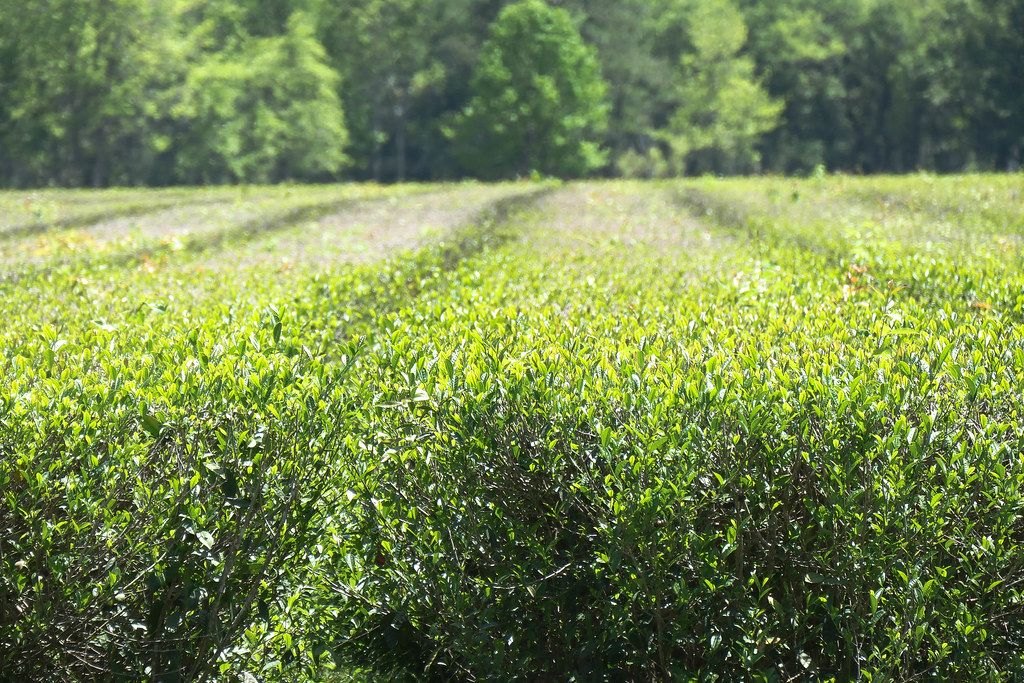
Dimbula is planted mainly with Sri Lankan large-leaf cultivars and clonal selections bred by the Tea Research Institute of Sri Lanka (TRI). TRI 2025 and TRI 2043 are among the names associated with the district; estates also use other TRI selections chosen for elevation, slope, drought tolerance and flavour.
The breeding programme combines Assam-type material with locally adapted stock. The aim is not a single "perfect" plant but a set of cultivars that flush at different times, resist disease and produce a consistent factory intake. On a large estate, early, middle and late flushing cultivars are interplanted so that the factory keeps receiving leaf through the season.
At Dimbula's altitude, the shoot grows more slowly than in the low country. The leaf is often smaller and firmer, with a higher concentration of aromatic compounds. That is one reason Dimbula tea can be both fragrant and full-bodied, rather than simply light.
Processing
Dimbula produces both orthodox and CTC tea. Orthodox tea is the reference style for whole-leaf grades; CTC is used for broken grades, tea bags and blending. The two lines begin with the same leaf but diverge after withering.
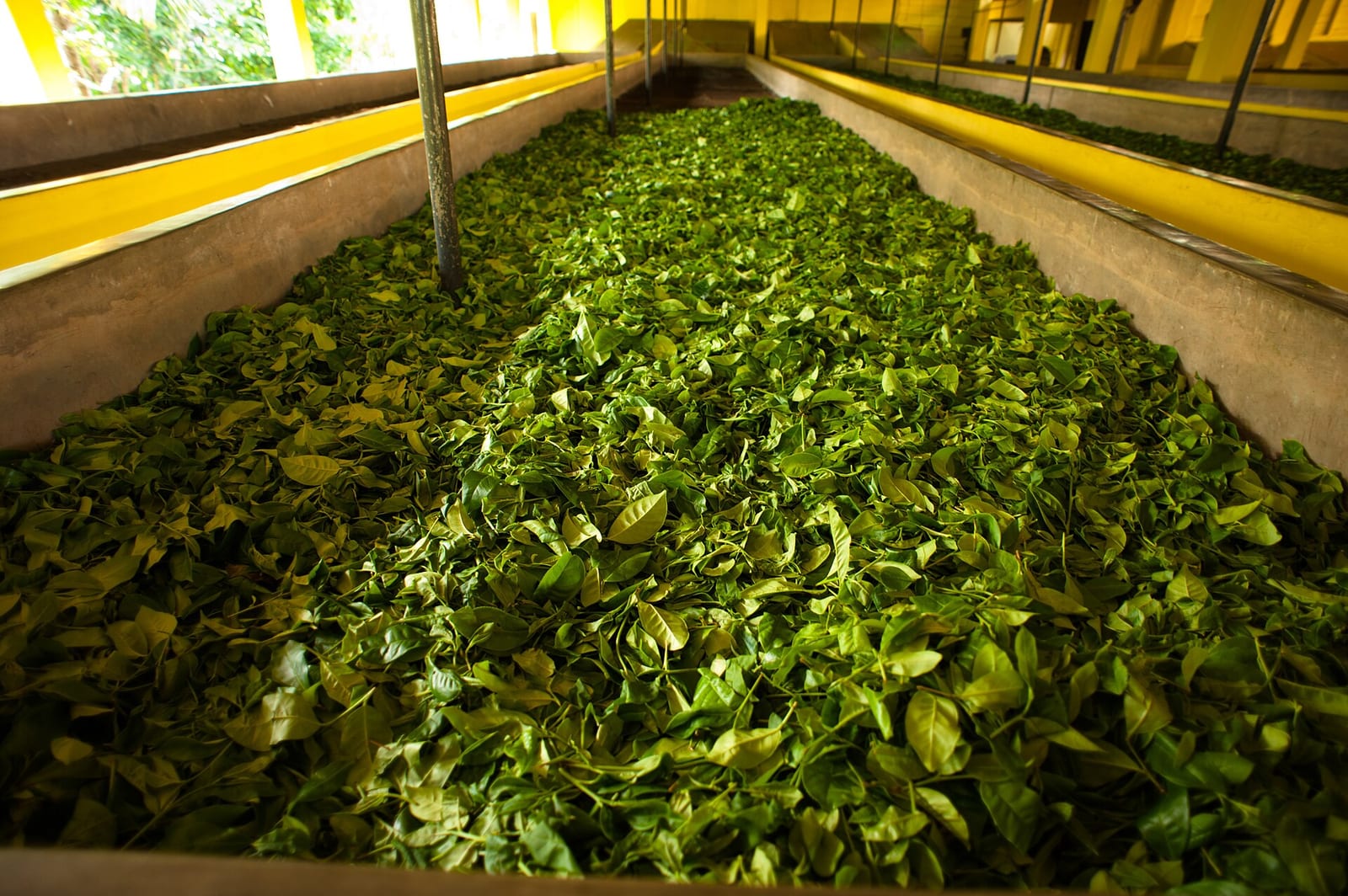
Orthodox processing starts with plucking, usually two or three leaves and a bud. The leaf is spread in withering troughs, where air removes moisture and makes it pliable. The withered leaf is rolled in stages, with light pressure first and heavier pressure later, so that the cells are bruised without turning the leaf into paste. Oxidation follows. Dimbula factories generally aim for a moderate oxidation: enough to develop the reddish liquor and body, but not so much that the jasmine-like top notes disappear. The leaf is then dried, sorted by size and cleaned of stalk and fibre.
CTC processing uses a machine that crushes, tears and curls the leaf into small, uniform particles. The result infuses quickly and gives a strong, dark cup. It is common in everyday blends and catering tea, but it is not the best way to judge Dimbula's aromatic potential. For that, look for a whole-leaf orthodox grade.
The finished tea is hygroscopic. It should be stored in a sealed container, away from light, heat and strong smells. Dimbula is often described as a reliable tea that keeps its shape and flavour for two to three years under good storage, though the aromatic top notes will fade before the body does.
Quality and flavour
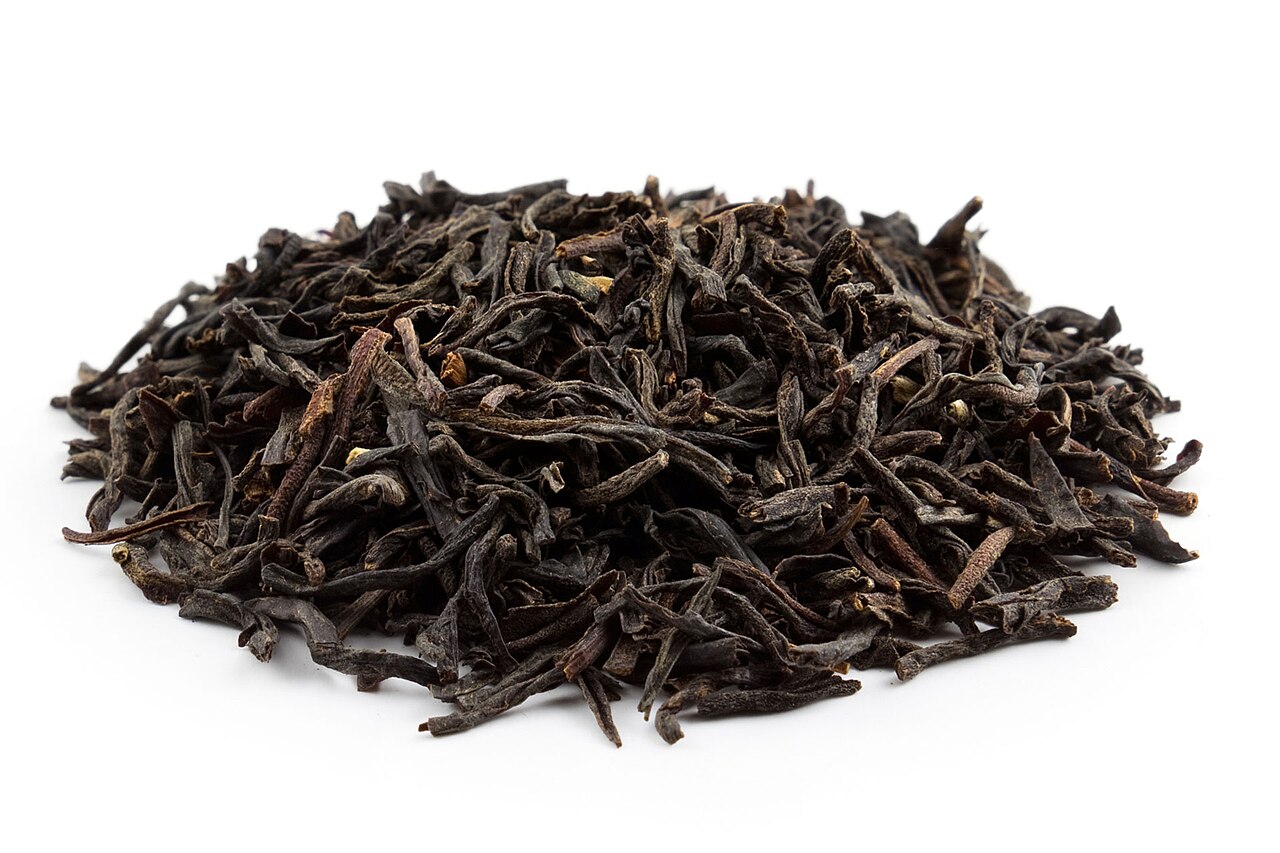
Dry Dimbula leaf is usually tight and dark, with a slight glossy sheen. The dry aroma is restrained: warm wood, a little caramel, sometimes a light floral note.
Brewed, the liquor should be clear and bright, ranging from copper to reddish gold. The official description highlights a reddish-golden-orange colour, a jasmine-like fragrance with a cypress note and a mellow, smooth body. In practice, Dimbula often shows three layers: a floral top, a caramel or woody middle, and a clean, slightly brisk finish.
Dimbula is not as light as Nuwara Eliya, and not as heavy as a low-grown Ruhuna. That middle position is its strength. It takes milk well without becoming muddy, but it also has enough aroma to drink plain. For a strong morning cup, use more leaf and a shorter infusion; for the floral side, use a slightly lower temperature and drink it without milk.
The main faults to watch for are dullness, a flat or dusty aroma, and a liquor that dries the mouth. A little astringency is normal in a strong brew, but it should not dominate. Estate name and grade are useful, but the plucking date and the factory's oxidation style matter more than the letters on the packet.
History
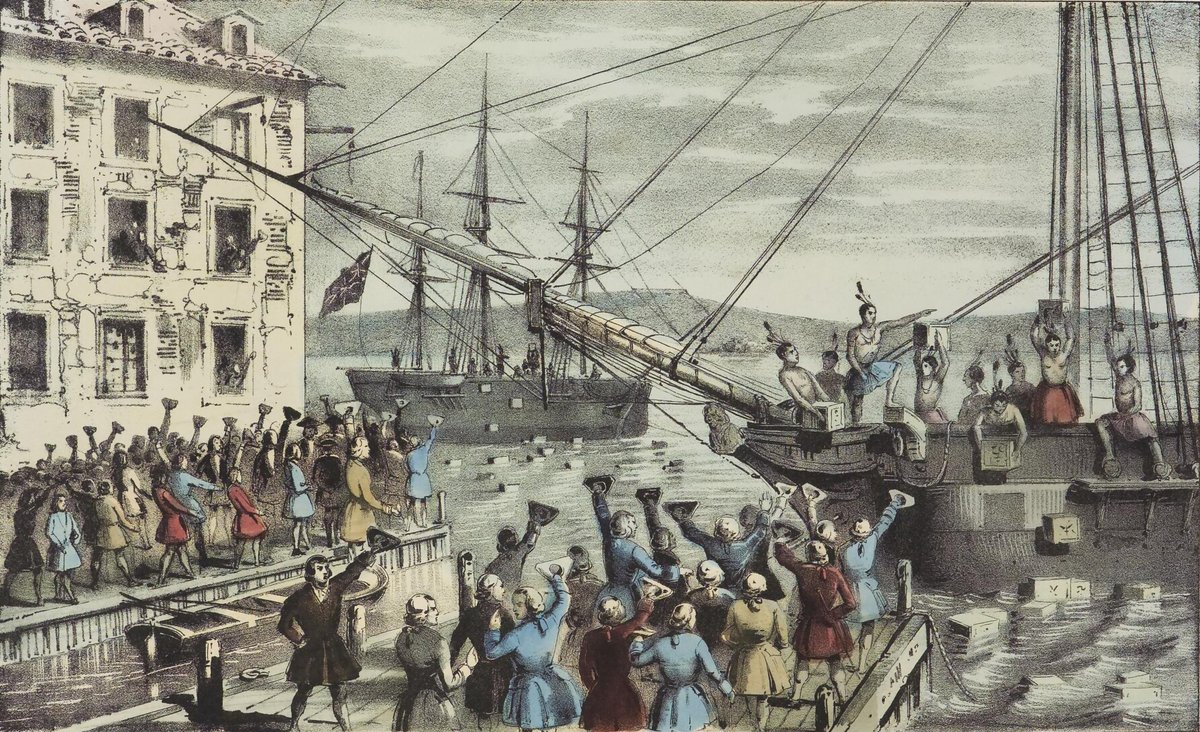
Dimbula's tea history begins with the collapse of Ceylon's coffee economy. Coffee rust arrived in 1869, and as coffee estates failed in the 1870s and 1880s, planters turned to tea. The central highlands, including the Dimbula valley, were among the first areas to be converted.
The early gardens at Bogawantalawa, Maskeliya and Dickoya were established in the 1880s. Scottish planters and estate managers laid out the first large gardens, and the valley's cool, wet climate quickly proved suitable for tea. The 1883 Colombo tea auction, held with the support of the Ceylon Chamber of Commerce, gave the island a commercial market; by the late 1880s most of the old coffee land had been replanted.
Transport was the next bottleneck. Roads and the railway were pushed into the hill country in the late nineteenth and early twentieth centuries, allowing leaf and made tea to reach Colombo more reliably. Dimbula tea became an export name, shipping to Europe and the Middle East. In the twentieth century it became a standard component of Russian samovars and Middle Eastern blends, a reputation built on consistency rather than on a single estate.
Today Dimbula remains a large producing district with many estates and factories. It is not a museum piece: the valley still supplies both orthodox and CTC tea to international markets, and its name remains one of the most widely recognised regional marks in Ceylon tea.
Timeline
| Period | Event | Note |
|---|---|---|
| 1869 | Coffee rust | Coffee rust spreads through Ceylon and accelerates the switch from coffee to tea. |
| 1880s | Dimbula gardens established | Bogawantalawa, Maskeliya and Dickoya emerge as early tea estates in the valley. |
| 1883 | Colombo tea auction | The first public Colombo auction is held with the support of the Ceylon Chamber of Commerce. |
| Late 19th–early 20th c. | Roads and rail reach the hills | Better transport links the valley to Colombo and export markets. |
| 20th century | Export reputation | Dimbula becomes a familiar name in Russian and Middle Eastern tea markets. |
| Today | Orthodox and CTC | The district supplies both whole-leaf orthodox and broken CTC teas to global buyers. |
Grades and quality cues
Dimbula whole-leaf grades include OP (Orange Pekoe), FOP (Flowery Orange Pekoe) and GFOP (Golden Flowery Orange Pekoe). The leaf is generally tight and wiry, with a moderate amount of tip. A well-made GFOP from the dry season can combine floral lift with a full, caramel middle.
Broken grades include BOP (Broken Orange Pekoe) and BOPF (Broken Orange Pekoe Fannings). These infuse quickly and are common in blends and tea bags. They can be excellent everyday teas, but they are not the best showcase for Dimbula's aroma.
Grade describes leaf style, not quality. A clean, bright BOP can be better than a dull TGFOP. For Dimbula, the useful cues are brightness, a clear jasmine-or-wood aroma, a smooth middle and a finish that sweetens rather than dries.
Local legend
Dimbula has a local story about a "tea spirit" that watches over the gardens. During the First World War, many estate owners and managers left to serve in Europe. In the story, the spirit watered the bushes by moonlight so that the gardens did not fall into neglect; when the owners returned, the tea was said to be better than before. The tale is folklore, not a historical record, but it reflects how strongly the valley's identity is tied to its gardens and to the families who worked them.
References
The sources for this entry are listed in the page footer and in the Chinese version. They include the Sri Lanka Tea Board, the official Tea Diversity page for Dimbula, the Story of Ceylon Tea timeline and the Tea Research Institute of Sri Lanka.