Extent
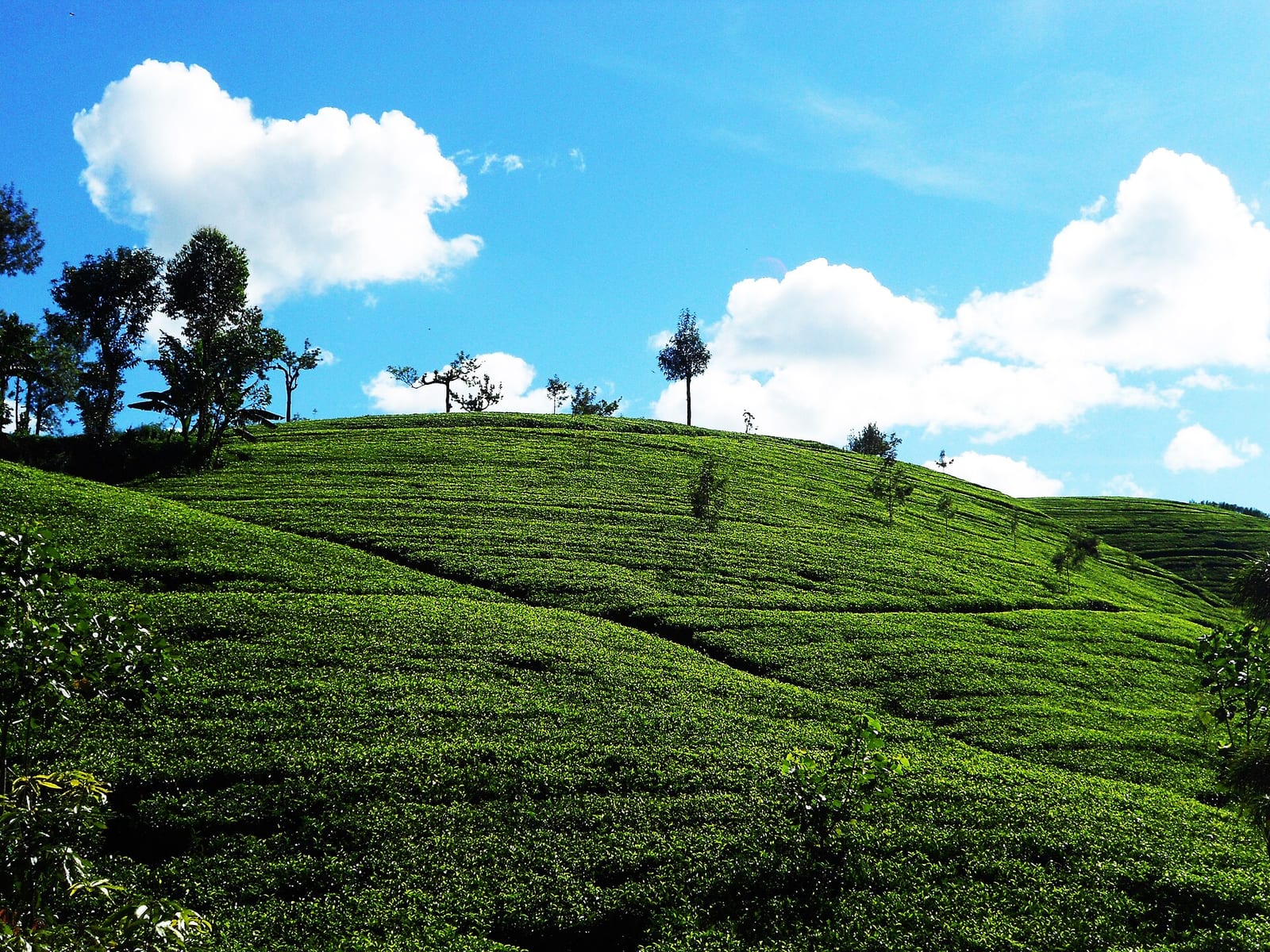
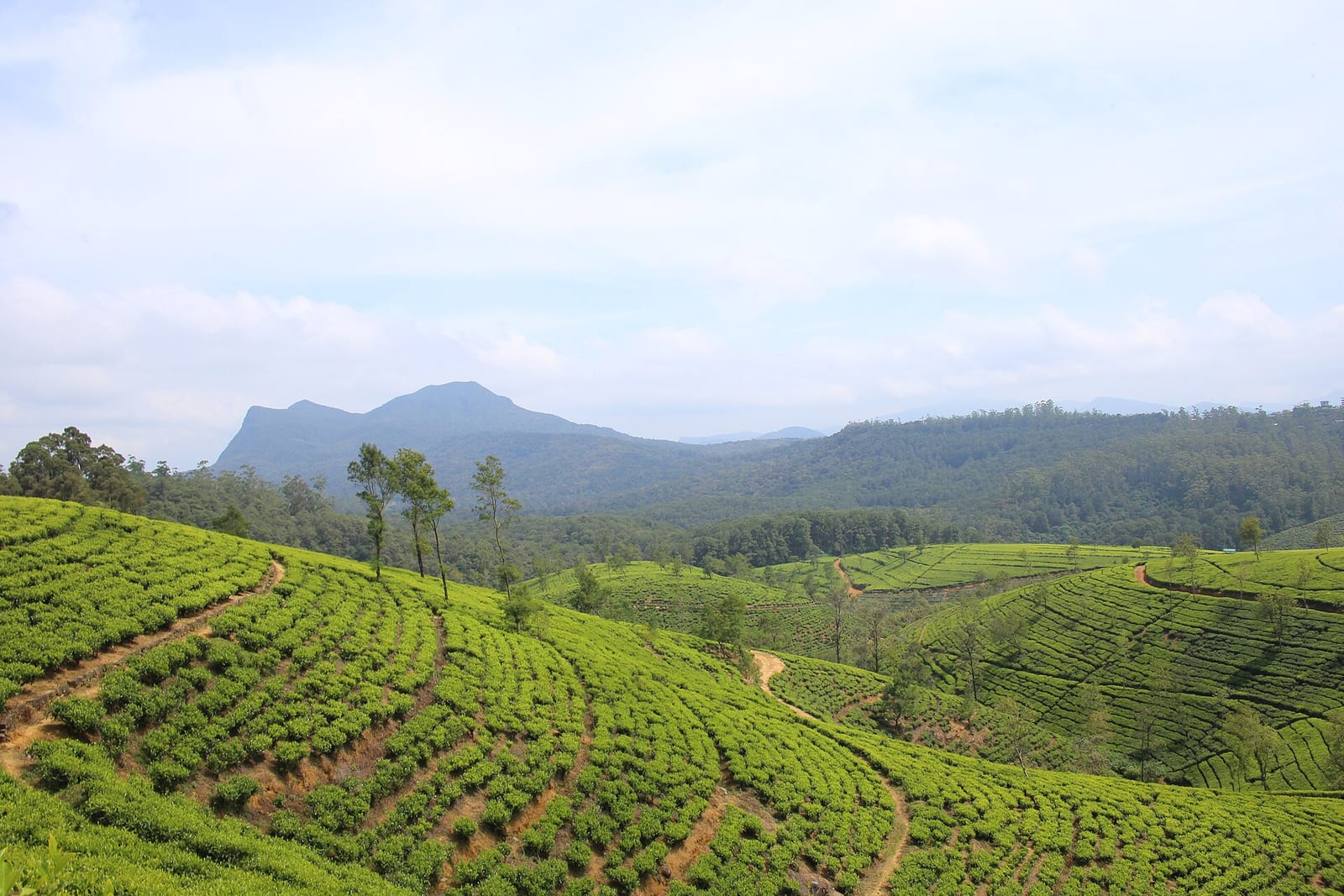
The Ceylon highlands are the central mountain tea region of Sri Lanka, often including Nuwara Eliya, Dimbula, Uva and Udapussellawa. Sri Lankan tea is classified by elevation into high, medium and low grown; high-grown tea is usually above about 1,200 metres. “Ceylon highlands” is not a single grade or brand; garden, elevation and season determine style.
Environment
The central highlands have large day–night temperature differences and frequent mist; some areas are affected by the south-west monsoon, others by the north-east monsoon. Nuwara Eliya is cooler, Uva drier and warmer, and Dimbula wetter. Altitude and monsoon shape aroma, colour and strength. High-grown tea usually grows slowly and has fine shoots, but high grown is not automatically better than medium or low grown; use and processing matter.
Cultivars and processing
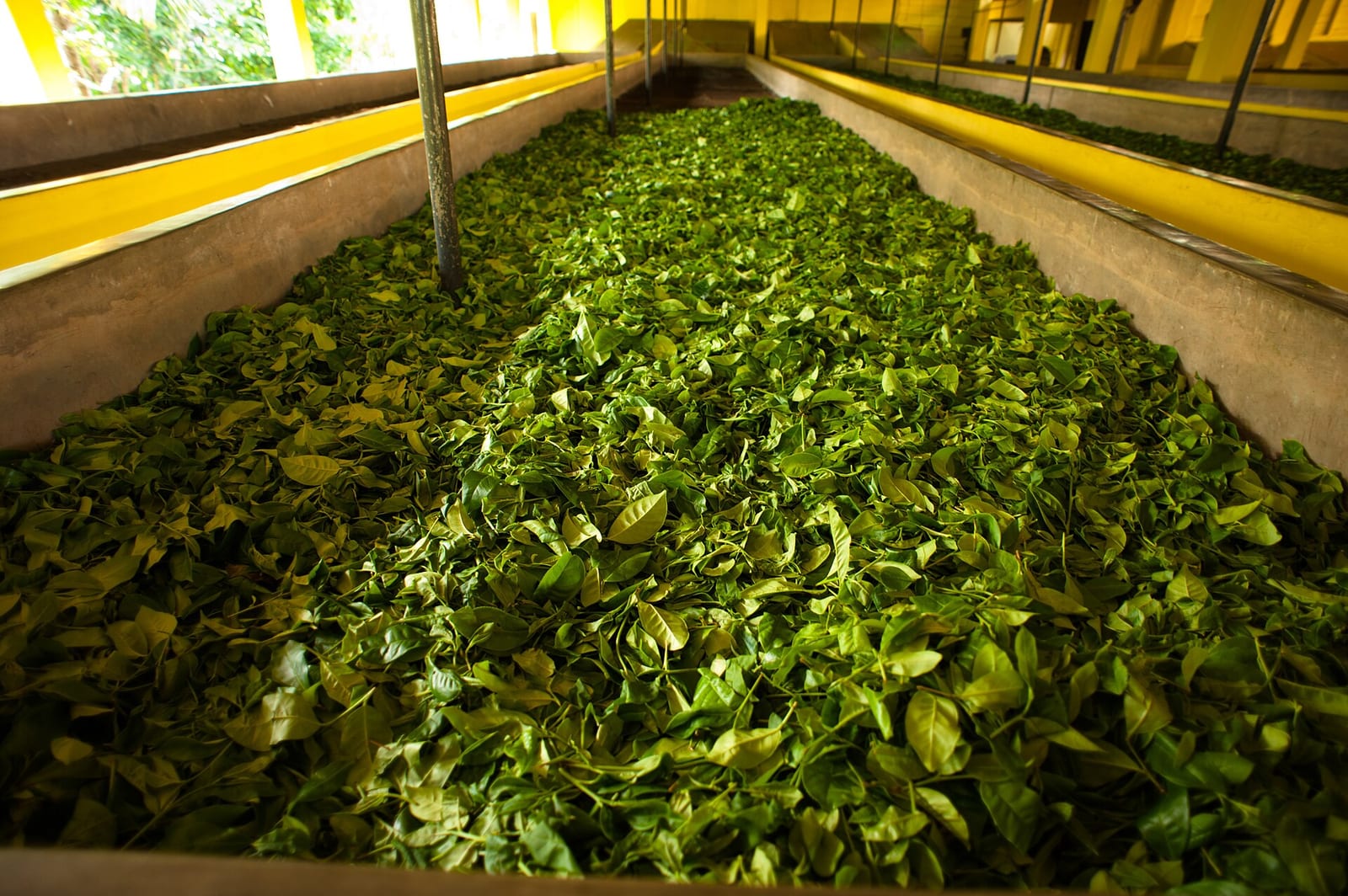
Ceylon highlands produce mainly orthodox and CTC black tea, with some green, white and oolong. Orthodox processing preserves leaf style and layers; CTC suits strong, fast infusions and milk. Withering, rolling, fermentation and drying vary by garden and change aroma and strength. Not all high-grown tea is best drunk plain.
Quality and flavour
High-grown tea is usually bright, with floral, citrus, green-apple or woody notes; Uva often has stronger astringency and seasonal character, Dimbula is fuller, and Nuwara Eliya is more delicate. Style depends on origin, season and processing. Milk changes aroma and body; not every high-grown tea suits milk.
History and boundaries
Sri Lanka shifted from coffee to tea in the nineteenth century under British colonial rule, developing large estates and an auction system. The country was renamed Sri Lanka in 1972, but “Ceylon tea” remains a brand and origin name. Specific development dates, volumes and “three high-aroma” narratives should be checked against the Sri Lanka Tea Board and tea-industry archives.
Common misconceptions
- Ceylon highlands is not a single grade. It is a regional and elevation description; quality depends on garden and processing.
- High grown is not always better than medium or low grown. Different elevations suit different products and uses.
- Is all Ceylon black tea good with milk? No. Bright high-grown tea is often better plain; CTC is more commonly used with milk.
- “Ceylon” is not a separate country name. It is the historical brand and origin name for Sri Lankan tea.
Representative teas
- Nuwara Eliya black tea: high elevation, bright and floral.
- Ceylon high-grown black tea: the general high-grown entry.
- Dimbula tea: monsoon-influenced and fuller in style.
Sources
- Ceylon Tea — tea regions and high-grown tea — Tea-region page on Ceylon Tea, the Sri Lanka Tea Board’s official promotional site. Used for the high-, medium- and low-grown classification and the main growing regions.