First, the definition
Earl Grey is not a tea plant, a single estate or a grade. It is a flavoured black tea: a black tea base scented with bergamot, the aromatic citrus grown mainly in southern Italy. The peel oil gives the cup its familiar lift — bright citrus, a little floral perfume, and a faint bitter-orange edge.
The name is used by many brands and is not a protected origin. Recipes differ in the base tea, the amount and type of bergamot, whether lemon is added, and whether flower petals are included. That is why the ingredient list matters more than the word “Earl Grey” on the box.
The name: more legend than record
Earl Grey is usually traced to Charles Grey, 2nd Earl Grey, British prime minister in the 1830s and the force behind the Reform Act of 1832. But the statement “he invented it” does not survive scrutiny.
The best-known story says that a distant envoy gave Grey a tin of bergamot-scented tea after one of Grey’s men rescued the envoy’s son. There is no contemporary evidence for it. Grey never travelled to China, and bergamot oil was not used to scent tea there at the time. A second version says the tea was blended to suit the water at the Grey family seat; that, too, lacks a contemporary record.
Twinings says the blend was created at its Strand shop in London in 1831 at the Prime Minister’s request. That is a company account, not independent history. Jacksons of Piccadilly has also claimed to be the original maker. Earlier tea-trade records show that bergamot was already being used to scent tea in the early 19th century, sometimes to disguise inferior leaf. So bergamot-scented tea existed before the name settled, but there is no single verified inventor.
The practical conclusion: enjoy the story, but do not treat it as a documented fact. Earl Grey is better understood as a 19th-century British market product that became an international flavour style.
What is actually in the blend
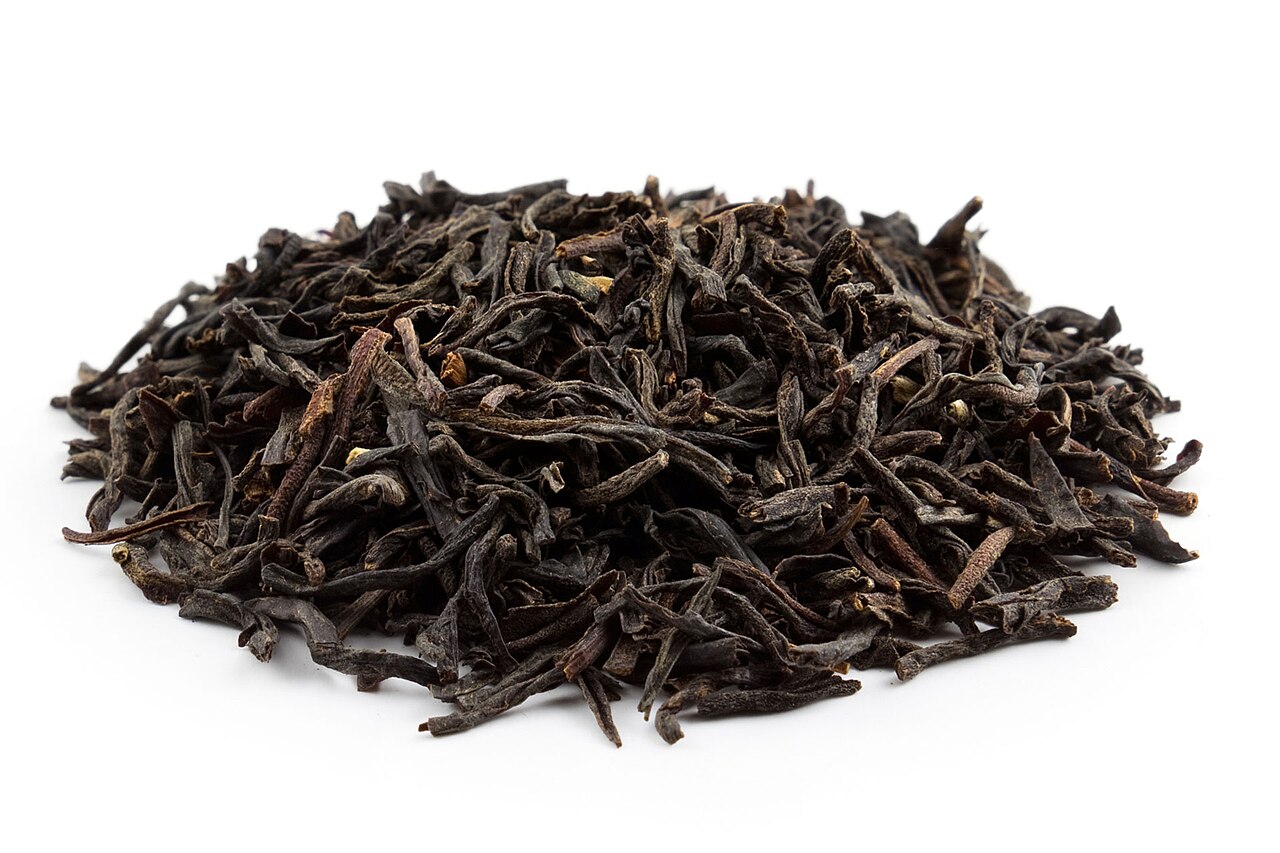
The basic formula is black tea plus bergamot aroma. The base can be Chinese Keemun or Dianhong, Indian or Sri Lankan tea, or a blend; the base decides body and sweetness, while bergamot decides the first impression.
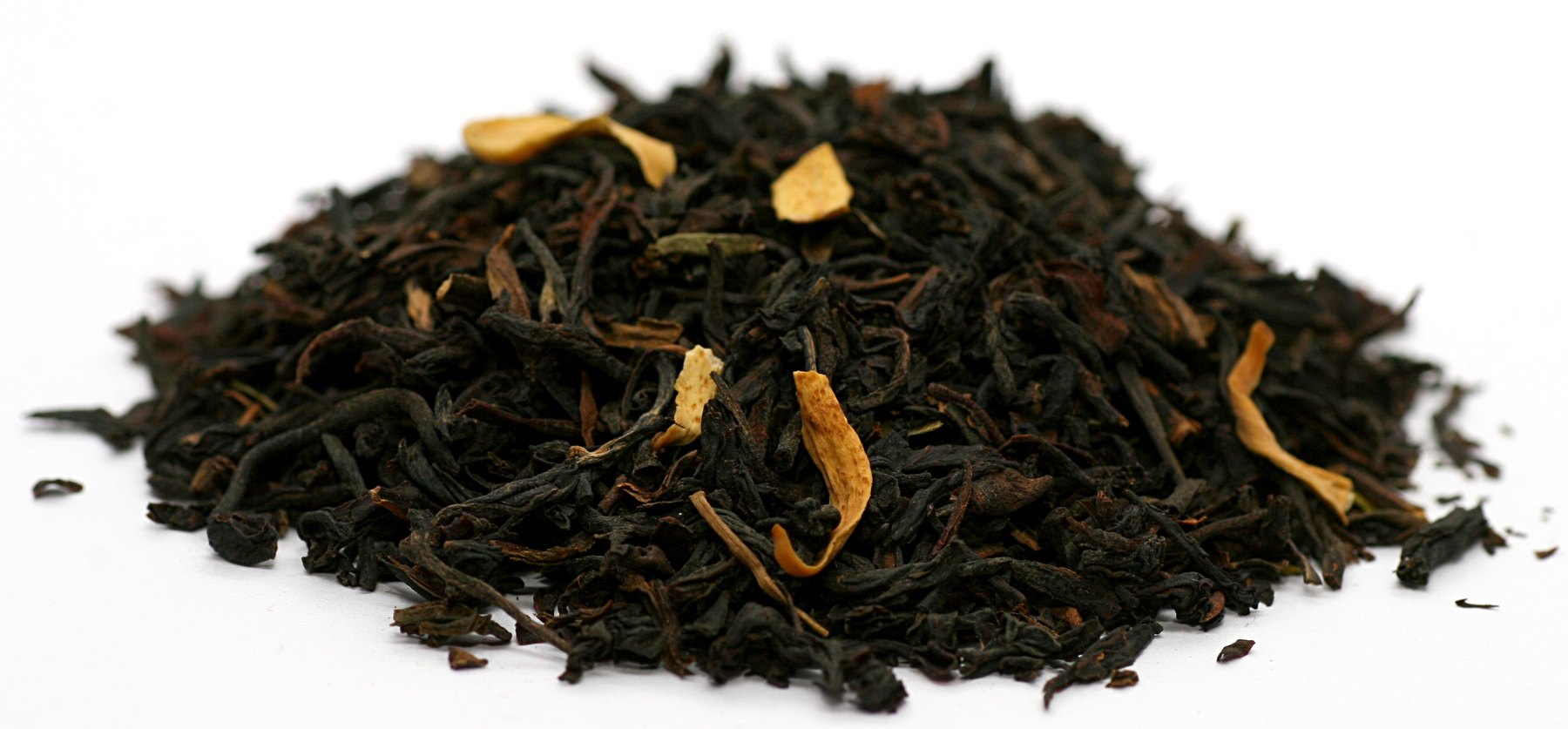
Twinings’ classic recipe is unusually specific: tea, bergamot flavouring (4%), natural lemon flavouring with other natural flavourings (1%). So the citrus note is not bergamot alone; lemon is part of the profile. Other brands may use bergamot essential oil, natural flavourings or synthetic flavourings. Some add cornflower petals or orange peel. Many Earl Greys do not use real bergamot oil at all, because flavourings are cheaper and keep longer.
“Earl Grey contains bergamot oil” is therefore too broad. The accurate statement is that it has a bergamot flavour; whether that comes from oil, flavouring or a blend of both depends on the product.
How it tastes
Earl Grey is aroma-forward rather than strength-forward. Bergamot gives a clear citrus lift with a floral edge and a faint bitter-orange coolness; the black tea base supplies body, sweetness and a light grip. Twinings describes its classic cup as “light, delicate and refreshing” — not a heavy, malty brew.
Compared with English Breakfast, Earl Grey is usually lighter and more perfumed. It works well without milk, or with a slice of lemon. Milk rounds out the body but can mute the bergamot, especially in a delicately scented version. Sugar amplifies the citrus sweetness but can bury the tea’s finish.
Brewing
- Water: 95–100°C.
- Ratio: 2–3 g leaf to 200 ml water; one tea bag to 200 ml.
- Time: 2–3 minutes. Twinings recommends 2 minutes; go to 3 for a stronger cup, but do not steep indefinitely or the bergamot turns bitter.
- Finish: try it plain first, then add lemon if you want more lift. Milk is optional but will soften the aroma.
Buying notes
- Read the ingredient list: tea, bergamot oil or flavouring, lemon flavouring, petals. Order and percentages tell you whether the blend is in the “real bergamot” style.
- Look at the base tea. Chinese black tea usually gives a softer, sweeter cup; Indian or Sri Lankan base gives more body and takes milk better. If the pack does not name the base, do not assume.
- Natural and synthetic flavourings are both legal and both used. “Natural” is not automatically better; freshness and balance matter more.
- Remember the names: Earl Grey is a general style name. Lady Grey is a Twinings trademark, not a synonym for any citrus Earl Grey.
Timeline
| Date | Event | Note |
|---|---|---|
| Early 19th c. | Bergamot-scented tea appears in the British market | Before the name “Earl Grey” was fixed. |
| 1830s | Charles Grey serves as prime minister | The most likely namesake, not a verifiable inventor. |
| 1831 | Twinings says it created Earl Grey | A brand account, not independent history. |
| Late 19th c. | The name “Earl Grey” becomes common | The name settled after the Earl’s death. |
| 1990s | Lady Grey appears | A Twinings citrus variation, a separate product line. |
Sources and status
This page draws on Twinings’ product page, Britannica’s entry and the UK Tea & Infusions Association’s guide. Twinings supports the brand account, a concrete recipe and brewing; Britannica supports the basic definition and namesake; the association supports the traditional definition and treats the “blended for the Earl” account as legend. None of them proves a single inventor or a single founding year, so the page keeps that claim at the level of brand story and legend.