First, the definition: an estate, not a tea type
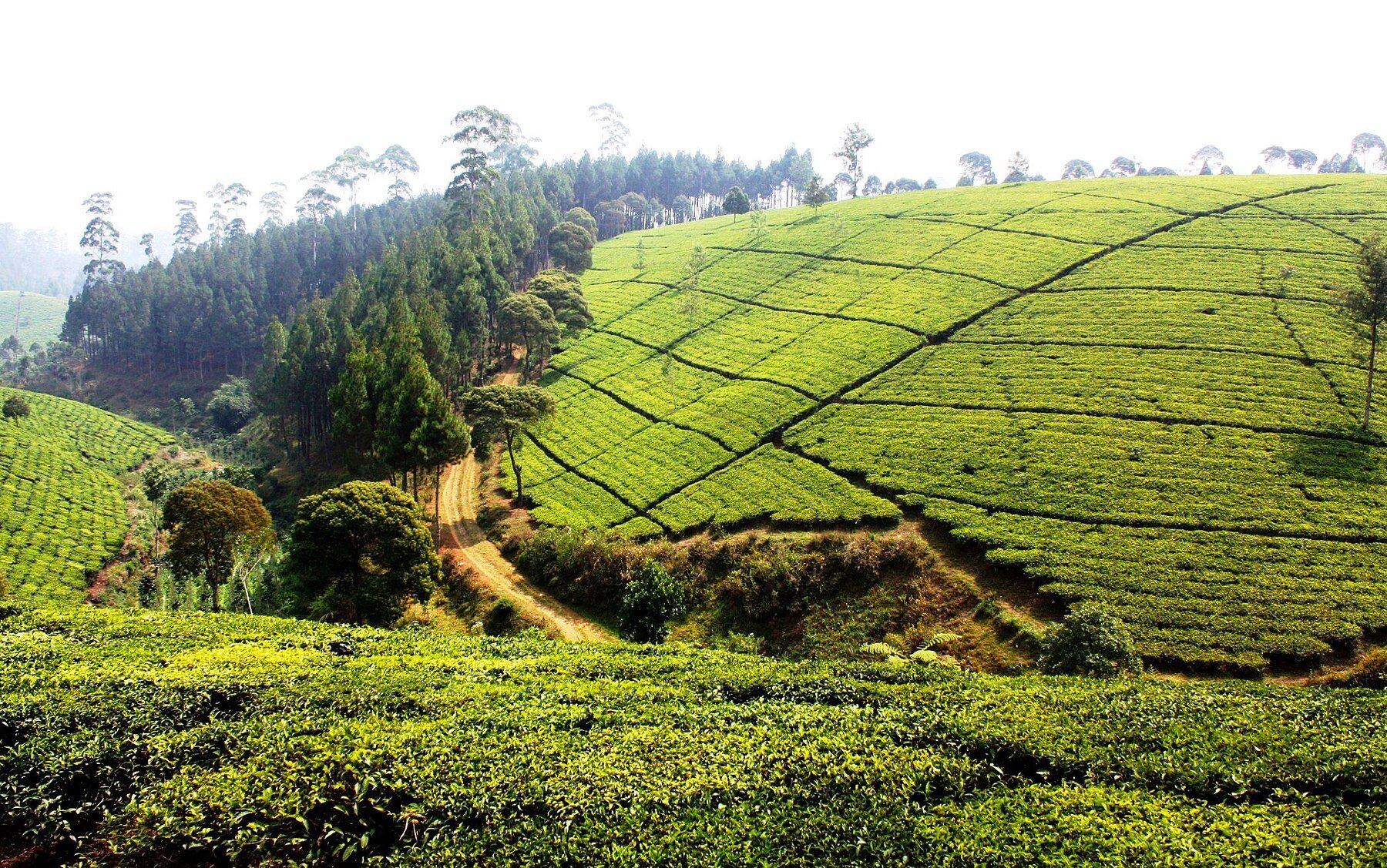
"Malabar Mountain Tea" sounds like a tea named after a mountain. In practice it refers to the Malabar Tea Estate in Pangalengan, in the southern part of Bandung Regency, West Java. It is managed today by PTPN I Regional 2.
It is not a cultivar name and not a catch-all for every tea grown on the mountain. When buying "Malabar tea," the useful questions are: which estate, which grade and which harvest?
| Item | Detail |
|---|---|
| Name | Malabar Tea Estate / 马拉巴茶园 |
| Type | Tea estate name, not a tea type |
| Location | Pangalengan, Bandung Regency, West Java, Indonesia |
| Founded | 1896, opened by Karel Albert Rudolf Bosscha |
| Current manager | PTPN I Regional 2 |
| Area | About 1,300 ha in a 2003 report; current official pages give no single figure |
| Tea elevation | 1,400–1,600 m in the 2025 official account |
| Representative grade | Leafy Grade Premium OP FO |
| Plucking | Fine Plucking, two leaves and a bud, by hand |
| Flavour | Floral notes with a strong body |
History: opened in 1896, not a "thousand-year garden"
The modern tea history of Malabar has a clear starting point: 1896.
The Dutch botanist and planter Karel Albert Rudolf Bosscha (1865–1928) obtained land in Pangalengan and opened the Malabar estate. PTPN I's own article says Bosscha first opened this landscape in 1896; Liputan6's 2003 report also says the estate was built in 1896 and gives an area of about 1,300 ha.
PTPN I's 2025 export release traces Malabar tea back to 1890. That reads more like a corporate "heritage" starting point than the estate's founding year. The two dates can coexist: 1890 is the industry origin the company narrates, while 1896 is the estate's opening.
The old draft called Malabar "a living tea museum of the Dutch colonial era." As a metaphor that is understandable, but it is not a fact. What can be documented is: Bosscha opened the estate, it expanded under Dutch colonial rule, later became a state-owned plantation, and is now under PTPN I Regional 2. Claims about "century-old bushes," "volcanic-stone cellaring" and a "geothermal mineral warmth" have no reliable source and have been removed.
Geography: tea at 1,400–1,600 m, not 2,000 m
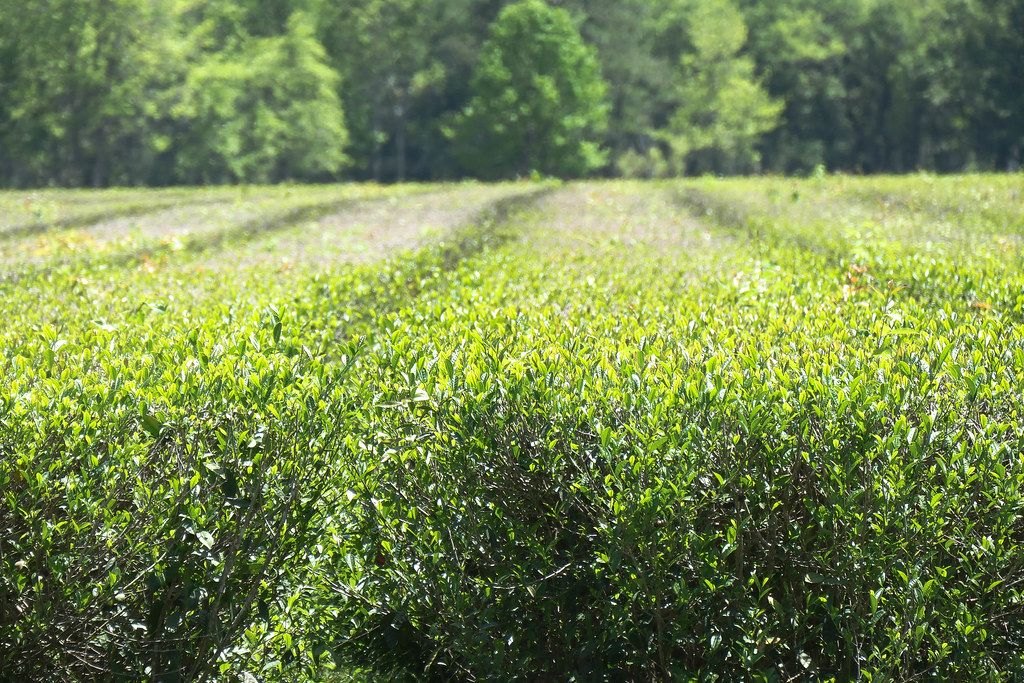
Malabar sits on the southern slopes of Mount Malabar in the Pangalengan highlands. The 2025 PTPN I account puts the tea at 1,400–1,600 m, picked by fine plucking: two leaves and a bud, by hand.
PTPN I's tourism article places Nimo Highland at 1,616 m in the heart of the estate; Liputan6's 2003 report gives a summit figure of about 2,000 m. These are not contradictory: 2,000 m is the high ground, 1,616 m is the visitor point, and 1,400–1,600 m is the main tea belt. The old draft treated 2,000 m as the tea elevation, which makes the whole garden sound like a mountaintop.
Pangalengan has a tropical highland climate: cool nights, warm days, cloud and good drainage. Those conditions help produce floral aroma and a fuller body, but they do not need invented details such as "five-metre volcanic ash" or "15–20% organic matter."
The tea: leafy OP FO, not CTC
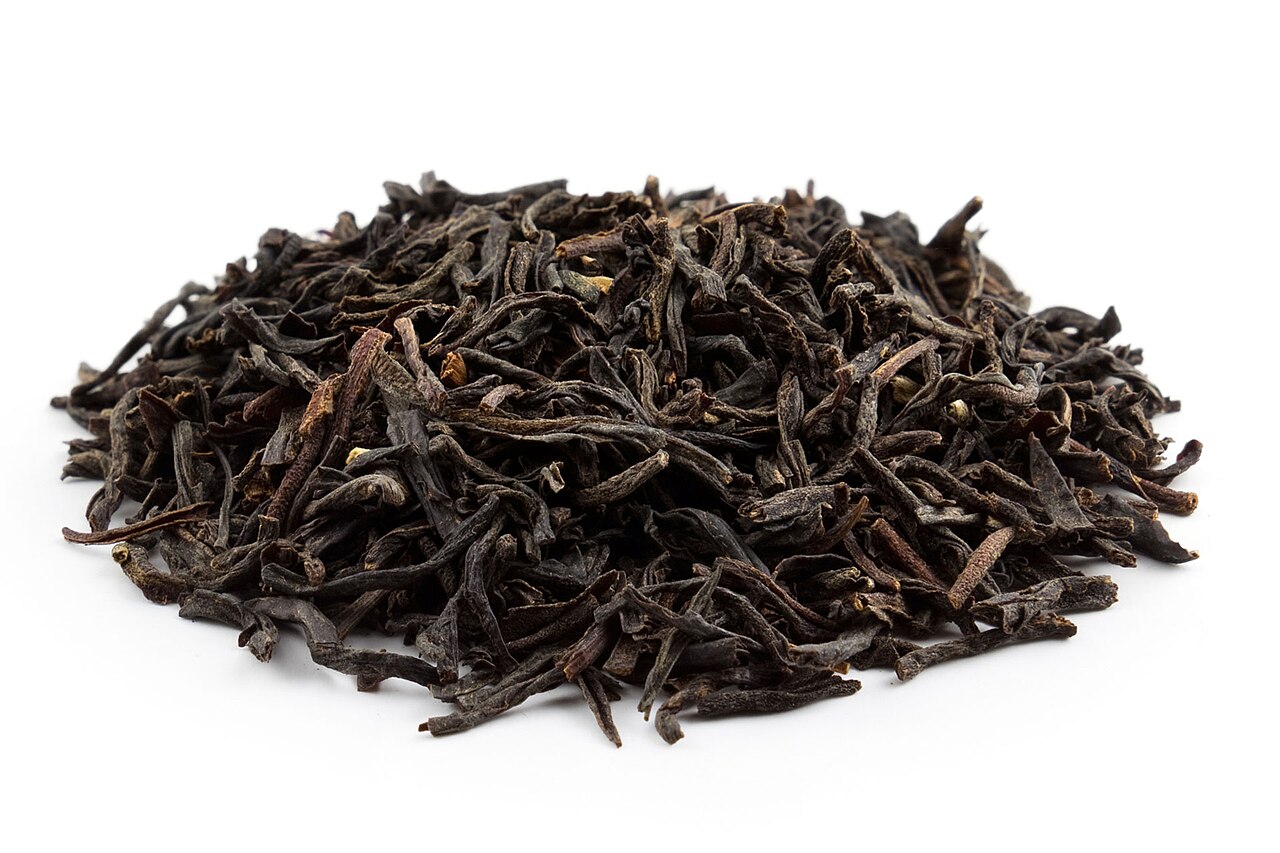
Malabar's representative product is Leafy Grade Premium OP FO. OP stands for Orange Pekoe, and FO for Flowery Orange; the grade points to whole-leaf style and tip, not CTC broken tea.
In July 2025, PTPN I made its first export of Leafy Grade Premium OP FO from Malabar to Taiwan, with a potential annual purchase interest of 42 tonnes. The report gives three usable facts:
- the grade is Leafy Grade Premium OP FO;
- picking follows Fine Plucking, two leaves and a bud, by hand;
- the flavour is floral with a strong body.
"Floral notes" is the official wording. It means a flower-like or light floral aroma, not one specific flower. A strong body means the tea is not a fragile, perfumed black tea; it has weight in the cup and can take a little milk.
The old draft described a "Malabar old-bush cultivar," "Gambung clones," a "century-old David Brown rolling machine," a "volcanic-stone fermentation room" and "six to twelve months of cellar ageing." None of these details appear in PTPN's articles, the 2025 export reports or Liputan6. They have been removed. The page keeps only the documented grade, plucking standard, elevation and flavour.
Brewing
Malabar is a leafy black tea; do not brew it like CTC.
- Ratio: 3 g per 150 ml.
- Water: 90–95°C.
- Time: start at 3 minutes; extend to 3.5–4 minutes if needed.
- Re-steeping: usually two more infusions, lengthening each one.
- Milk: possible, but taste it plain first so the floral note is not buried.
For tea bags, follow the pack. Leafy OP FO should not be left for more than five minutes, or the cup turns bitter.
Buying
- Buy the estate, not just the name. Look for Malabar Tea Estate, Pangalengan, PTPN I Regional 2, not only "Malabar Mountain Tea."
- Check the grade. OP FO is a leafy grade; not every Malabar tea is the same grade.
- Check the harvest and batch. The 2025 export is a specific batch, not a guarantee for every packet on sale.
- Check the area figure. 1,300 ha is a 2003 report; current official pages do not give one exact number. Ask where a precise figure comes from.
- Be wary of old stories. "Thousand-year tea tree," "volcanic-stone cellar," "geothermal mineral warmth" and "Dutch royal supply" are not supported. The documented anchors are 1896, Bosscha, PTPN I Regional 2, 1,400–1,600 m, OP FO and the 2025 export.
Common misunderstandings
Misunderstanding 1: Malabar Mountain Tea is a tea type.
It is an estate name. The clearest public product description is a leafy black tea, OP FO.
Misunderstanding 2: the tea grows at 2,000 m.
2,000 m is the high ground; the 2025 official tea belt is 1,400–1,600 m, and Nimo Highland is 1,616 m.
Misunderstanding 3: Malabar is CTC.
The representative grade is Leafy Grade Premium OP FO, a whole-leaf style, not CTC.
Misunderstanding 4: Malabar has a "century-old bush" product.
Official sources mention old tea plants, but give no "century-old bush" product line or tree-age data. The old draft's century claim has no source.
Misunderstanding 5: 1,300 ha is the current exact area.
It is a 2003 report. PTPN I's current article gives no single area figure, so the number should be dated when cited.
In one sentence
Malabar Mountain Tea is the Malabar Tea Estate in Pangalengan, West Java, opened by Bosscha in 1896 and now managed by PTPN I Regional 2. The tea grows at 1,400–1,600 m, is hand-picked by fine plucking, and its representative grade is Leafy Grade Premium OP FO, a leafy black tea with floral notes and a strong body. It is not a tea type and not a 2,000 m mountaintop garden.