What it is: a garden, not a tea brand or a cultivar
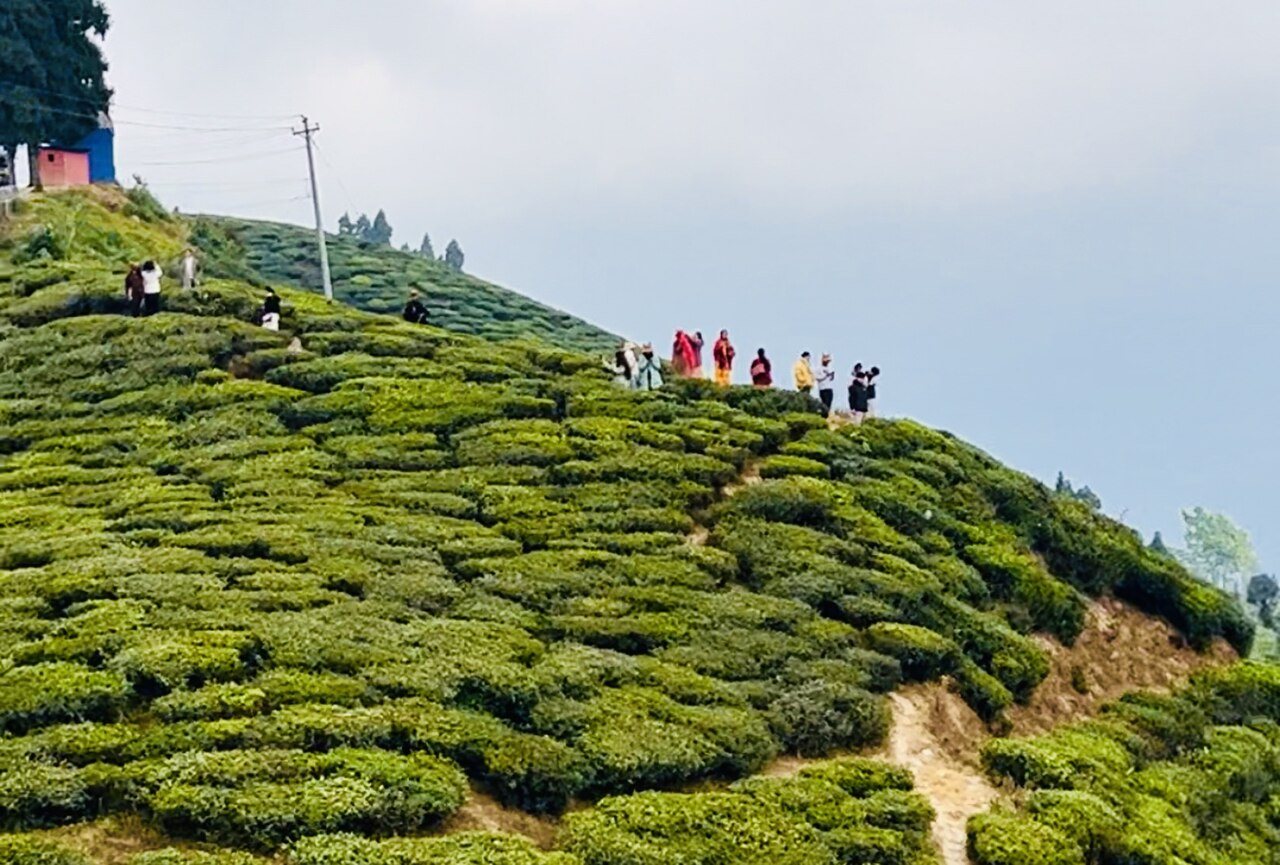
Kanyam Tea Estate is a tea garden in Ilam, Nepal, in the foothills of Kanchenjunga. It belongs to the Nepal Tea Development Corporation (NTDC) and is now operated by the Triveni Group. It is a place and estate name, not a single retail brand and not a tea cultivar.
NTDC calls Kanyam the “Queen of all Tea Gardens of Nepal”. That is the company's own branding, not an official competition award and not a certification of “the world's highest tea garden”. The more precise, verifiable statement is: NTDC describes Kanyam as the highest tea garden in Ilam district.
Official facts
| Item | NTDC statement |
|---|---|
| Location | Ilam district, Nepal, in the Kanchenjunga foothills |
| Factory altitude | 5,500 ft (about 1,676 m) |
| Altitude claim | Highest tea garden in Ilam district (NTDC wording) |
| Total area | About 216 ha |
| Tea area | 200 ha |
| Annual output | About 250,000 kg |
| Tea type | Orthodox tea |
| Distance to Darjeeling, India | About 2 km |
| Establishment | At the initiative of the late King Birendra Bir Bikram Shah, with British government technical collaboration |
| Operator | NTDC estate, privatised in 2000 and operated by the Triveni Group |
“5,500 ft” is the official factory altitude, not a uniform elevation for every plot in the garden. The 216 ha total, 200 ha of tea and 250,000 kg annual output are also official approximations, not audited year-by-year figures.
“Queen” is a company title, not an award
NTDC uses “Queen of all Tea Gardens” on its website and in the Tokla brochure. The phrase has a clear source, but it is company marketing language. Writing “Kanyam was judged the Queen of the World's Tea Gardens” or “won an international tea competition's queen award” turns a company title into an award that does not exist.
Likewise, “the highest tea garden in Ilam district” is a citable NTDC claim. It cannot be expanded into “the world's highest tea garden”, “the highest tea garden in the Himalayas” or “2,100 m”. The official factory altitude is 5,500 ft, about 1,676 m.
History and ownership: no exact planting year is given
NTDC's official account provides several firm historical markers:
- Nepal's first tea garden was planted in 1863 by Gajaraj Singh Thapa, then Governor General of eastern Nepal, using tea seeds gifted by the Chinese Emperor.
- NTDC was formed in 1966 with seven tea estates. Five were planted under British technical collaboration; two were planted by Gajraj Singh Thapa in 1863.
- Kanyam was established with British government technical collaboration at the initiative of the late King Birendra Bir Bikram Shah, with the aim of encouraging Nepal's tea sector.
- In 2000, the government privatised the estates and handed them to the Triveni Group.
The official material does not give an exact planting year for Kanyam. The Tokla brochure says the five British-collaboration estates were established “around 35 years ago” relative to the time of writing, but that relative phrase cannot be converted into a specific year. This page therefore does not use “established in 1982” or “won a London blind test in 1994”.
Orthodox tea versus “organic”
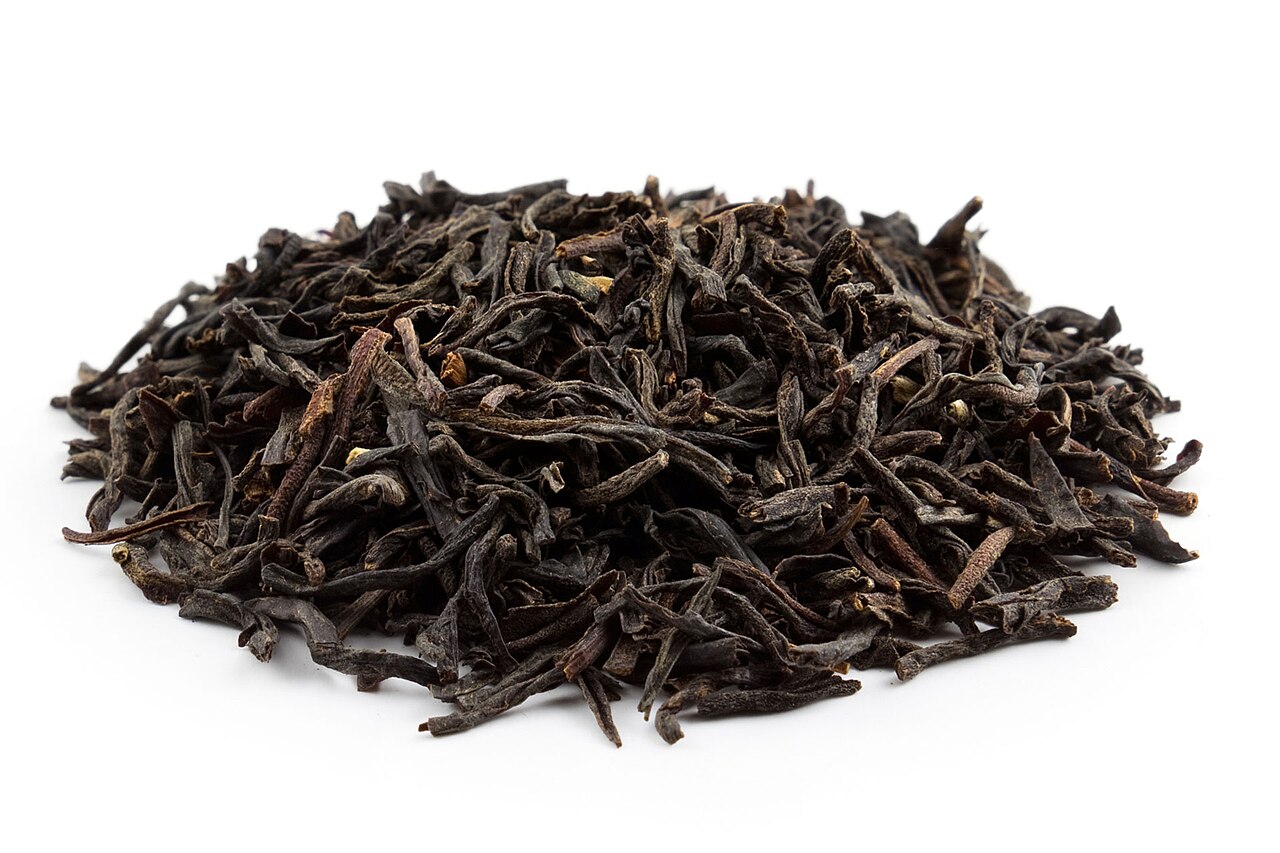
NTDC says Kanyam produces orthodox tea. Orthodox refers to a processing route that keeps the leaf in strips through rolling, breaking and drying, as distinct from CTC ( crush-tear-curl) production. It is not a grade name, and it is not an absolute claim that orthodox is “higher” than CTC.
“Organic” needs a separate check. NTDC's website says Kanyam has begun planning a shift to more fully eco-friendly cultivation for organic orthodox black tea. That is a planned direction, not an existing organic certification. Without a certificate number and certification body, the garden should not be described as certified organic.
Flavour: no official sensory table
NTDC says only that Kanyam produces “the most exquisite orthodox tea”; it does not publish an official cupping table or use specific descriptors such as muscatel, orchid or honey. Its proximity to Darjeeling and similar topography and climate are geographical facts, but they do not justify calling Kanyam “Darjeeling tea” or claiming a specific Darjeeling-style flavour.
A safer description is: Kanyam is a high-elevation orthodox tea garden in Ilam district, about 2 km from Darjeeling, and NTDC describes its tea as exquisite. Aroma, taste and liquor colour should be assessed batch by batch.
Common misreadings
| Misreading | Problem | Better wording |
|---|---|---|
| “Kanyam is a tea brand” | It is a garden and place name, owned by NTDC and operated by Triveni | Kanyam Tea Estate is a garden, not a single retail brand |
| “Kanyam is at 2,100 m” | The official factory altitude is 5,500 ft, about 1,676 m | About 1,676 m at the factory; NTDC calls it the highest garden in Ilam district |
| “Kanyam covers 500 ha” | The official figures are about 216 ha total and 200 ha of tea | About 216 ha total, 200 ha planted to tea |
| “Kanyam was established in 1982” | No exact planting year is given | Say it was established at King Birendra's initiative with British technical collaboration, without a year |
| “Kanyam won a London blind test in 1994” | No official or competition source was found | Do not claim blind tests, medals or “several times the price” |
| “Kanyam is certified organic” | The official text speaks of planning a shift to eco-friendly cultivation | Say it is a planned direction, not an existing certification |
| “Kanyam is the world's highest tea garden” | NTDC says only that it is the highest in Ilam district | Use the district-level claim, attributed to NTDC |
| “Kanyam is Darjeeling tea” | It is about 2 km from Darjeeling but lies in Nepal's Ilam district | Say it is near Darjeeling with similar topography and climate, not that it is Darjeeling tea |
Source boundary
This page confirms that Kanyam Tea Estate is a tea garden in Ilam, Nepal, owned by NTDC and operated by the Triveni Group; that NTDC calls it the “Queen of all Tea Gardens”; that the factory is at 5,500 ft (about 1,676 m) and NTDC describes the garden as the highest in Ilam district; that the estate covers about 216 ha, with 200 ha planted to tea and about 250,000 kg of orthodox tea a year; that it is about 2 km from the Darjeeling tea gardens; that it was established at the initiative of the late King Birendra with British technical collaboration; and that NTDC was formed in 1966 with seven estates and privatised them to the Triveni Group in 2000.
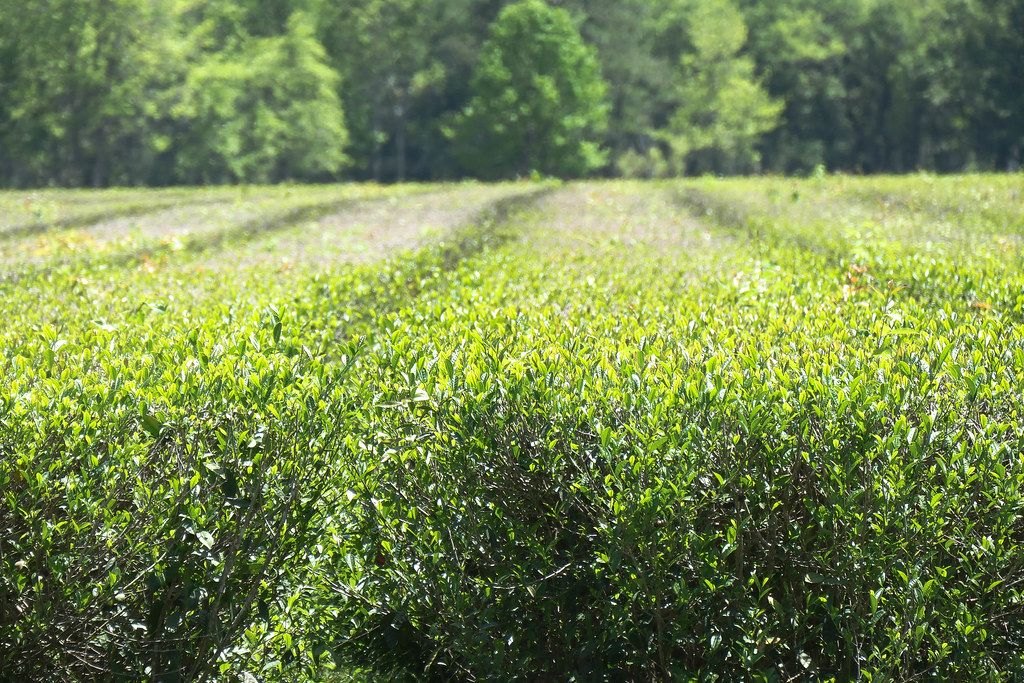
This page does not confirm an exact planting year, a tea cultivar, a leaf grade, a retail price, an organic certification, a cupping score, caffeine content, or any health claim. The page image is a photograph of the Kanyam garden, not packaging or a single retail product.