The short version
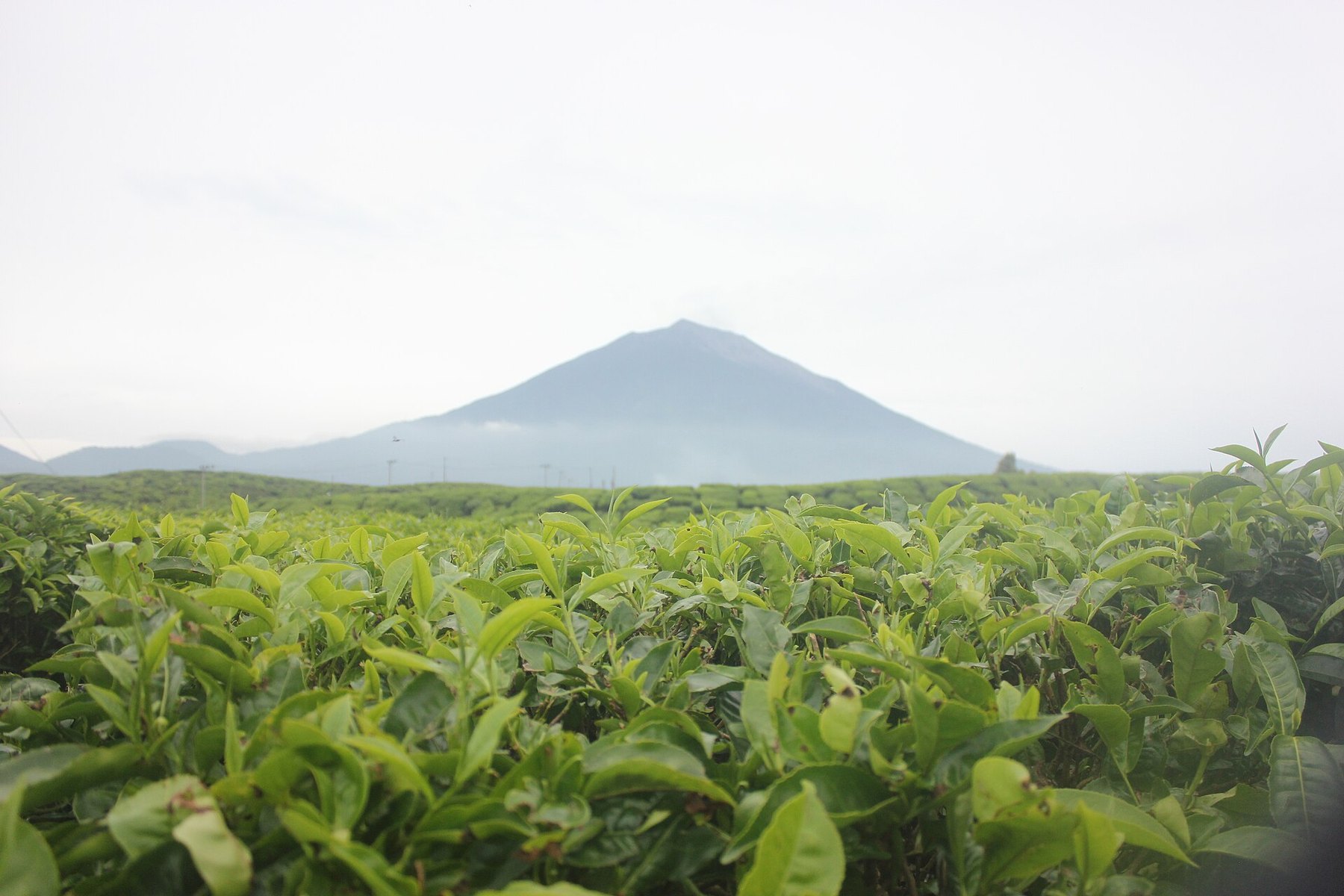
“Kerinci tea” is a regional name, not a single brand and not a protected appellation. It usually refers to black tea from the Kerinci district of Jambi province, Sumatra. The core is Kayu Aro, a tea estate and factory on the western slope of Mount Kerinci. The main garden sits at about 1,600 m, not at the 3,805 m summit.
The old machine draft turned the mountain’s height into the garden’s altitude, called Kerinci Indonesia’s highest and largest tea region, and added “permanent snow on the summit.” Mount Kerinci is indeed 3,805 m and is one of Indonesia’s highest volcanoes, but it stands almost on the equator. There is no permanent snow. The tea garden is on the lower slope. Those are different facts, and the page keeps them separate.
| Item | Detail |
|---|---|
| Name | Kerinci tea / Kayu Aro black tea |
| Type | Black tea; orthodox and CTC lines |
| Place | Kayu Aro, Kerinci district, Jambi, Sumatra |
| Altitude | About 1,600 m in the main garden; not 3,805 m |
| Factory | Built in 1925 by NV HVA; formal production in the early 1930s |
| Operator | PTPN IV PalmCo Region 4, formerly PTPN VI |
| Scale | About 3,000 ha, with tea and coffee |
| Output | About 5,500 tonnes a year in the early 2010s |
A century-old factory, not a marketing legend
Kerinci is the district; Kayu Aro is the estate and factory area. The two names are not interchangeable. Kerinci is the wider origin, Kayu Aro is the best-known production centre within it.
PTPN IV’s centenary account says the factory was built in 1925 by the Dutch company NV HVA and began formal production in the early 1930s. After nationalisation in 1959 it passed through several state operators, later PTPN VI, and is now under PTPN IV PalmCo’s Region 4. The company article also repeats the story that Kayu Aro tea was served at the Dutch royal table. That is an estate narrative, not a fact this page can independently verify.
A 2011 ANTARA report gives a useful snapshot: about 5,500 tonnes a year, with orthodox grades 1 and 2 for export and lower grades for the domestic market. The tea went to Europe, the United States and Asia, but was not especially famous inside Indonesia. That export-oriented structure explains Kayu Aro’s reputation better than any “world’s largest” ranking.
The garden and the two processing lines
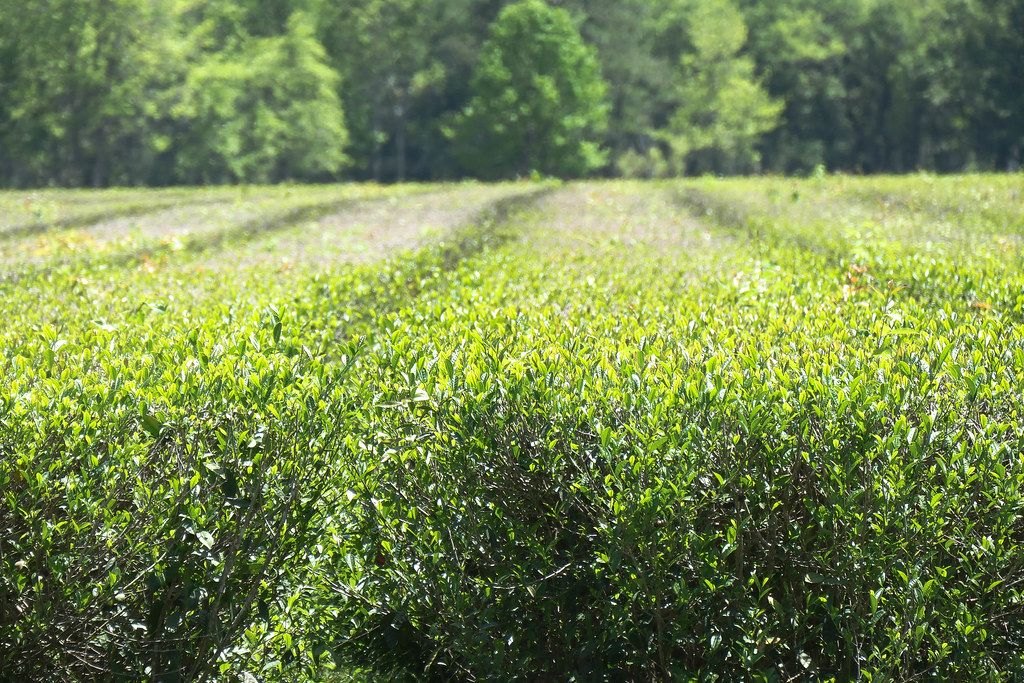
Kayu Aro is not a newly planted show garden. PTPN IV’s 2025 report mentions century-old bushes and hand selection at the final quality stage. The 2026 report says the estate manages about 3,000 ha of tea and coffee, with orthodox and CTC factories and a small coffee-processing unit.
The two processing lines are different products, not quality grades:
- Orthodox: withered, rolled, oxidised and dried while keeping the leaf in strips. More layered, more suitable for loose-leaf drinking.
- CTC: crush–tear–curl, cuts the leaf into small pellets, oxidises more evenly and brews strong and fast. Common in tea bags, milk tea and blends.
A garden that runs both lines serves both the loose-leaf and the bulk/tea-bag markets. When buying, ask which line the tea comes from. “Kayu Aro” alone does not tell you.
What it tastes like
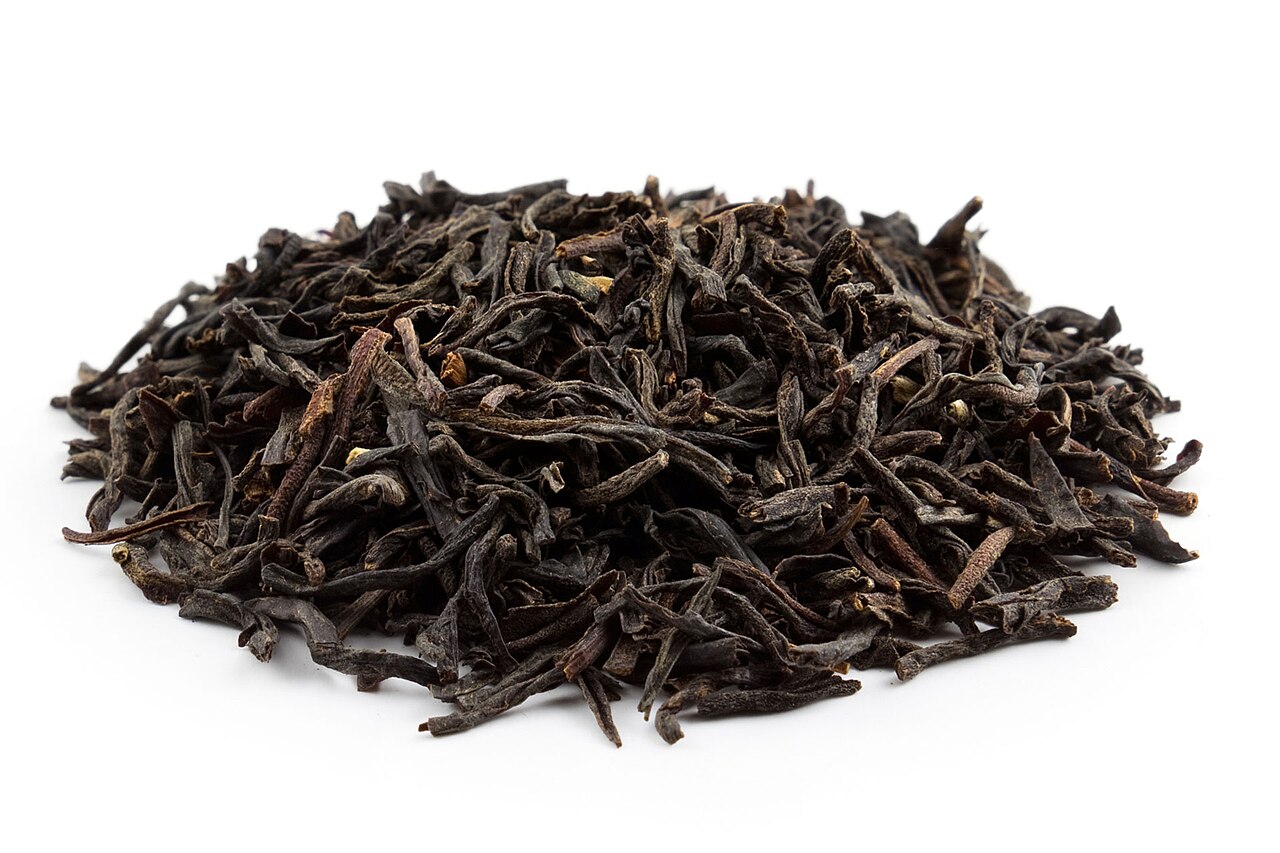
Kayu Aro black tea is typically strong, malty and clean-finished. Orthodox leaf is dark brown with some golden tips; the liquor ranges from orange-red to deep red-brown, with malt, caramel and a light fruit note. CTC is more uniform, brisker and more astringent, and takes milk well.
This is not a delicate first-flush tea. It is a steady, everyday black tea with enough strength to wake up a morning or carry a milk drink. Old bushes and hand sorting can add depth and a cleaner finish, but the batch still matters more than the “century-old tree” story.
How to brew it
- Ratio: 3 g tea to 150 ml water.
- Temperature: 95–100°C for orthodox; boiling water is fine for CTC.
- Time: 3–4 minutes for orthodox; 2–3 minutes for CTC.
- Milk: CTC takes milk; orthodox is better drunk plain first.
- Refills: orthodox usually gives 2–3 good infusions; CTC is mostly a one-steep tea.
If the liquor turns harsh, shorten the steep before adding sugar. Kayu Aro is naturally strong; a long steep turns its clean malt into a dry, woody brew.
How to buy it
- Check the origin level. “Kayu Aro” or “Kerinci, Jambi” is more specific than “Indonesian black tea.”
- Check the process. Orthodox and CTC are different products. Choose orthodox for plain drinking, CTC for milk or tea bags.
- Ask for the batch. Harvest year, grade and export status matter more than a decorative tin.
- Ignore the snow story. A 3,805 m summit does not make a 3,805 m tea garden, and an equatorial volcano has no permanent snow.
- Start small. Kayu Aro is strong; a 50–100 g sample is a safer first purchase than a kilo.
Mistakes to avoid
“Kerinci tea is one estate.”
Kerinci is the district; Kayu Aro is the core estate and factory. Other growers and batches exist around it.
“The garden is at 3,805 m.”
3,805 m is the summit. The main garden is about 1,600 m.
“The summit has permanent snow.”
Mount Kerinci is equatorial. The old draft imported a temperate-highland fantasy into Sumatra.
“Kayu Aro only makes orthodox tea.”
The factory runs both orthodox and CTC lines, for different markets.
“Old bushes guarantee a better cup.”
Old bushes are an asset, but picking, withering, oxidation and drying decide the cup. Buy the batch, not the story.
One-line definition
Kerinci tea is the black-tea district of Kayu Aro, Sumatra: a century-old factory, a garden at about 1,600 m, and two processing lines, orthodox and CTC. Its value is steady everyday black tea, not “highest, coldest, snow-capped” marketing.