First, the definition
Nepal Golden Tips is a style of golden-tippy black tea from the eastern Nepali highlands. It is not a protected geographical indication, not a single cultivar and not a fixed official grade.
In the trade, “Golden Tips” commonly covers two different plucking standards:
- All-bud: only the youngest, unopened buds. The dry leaf looks most golden; the yield is small.
- One leaf and a bud: a bud with one tender leaf. The strip is more complete and the yield is larger.
Both can be sold as Golden Tips. The name alone therefore tells you little about grade. Plucking standard, harvest, garden altitude and processing consistency decide the cup.
| Item | Detail |
|---|---|
| Name | Nepal Golden Tips |
| Type | Golden-tippy black tea style, not a protected origin or single grade |
| Main regions | Ilam, Panchthar, Dhankuta, Terhathum and other eastern districts |
| Altitude | Commonly about 1,200–2,100 m |
| Plucking | All-bud or one leaf and a bud; spring and autumn both possible |
| Processing | Withering, rolling, full oxidation, drying; orthodox whole-leaf |
| Flavor | Honey, malt, nuts and stone fruit, usually with low astringency |
Why the tips are golden
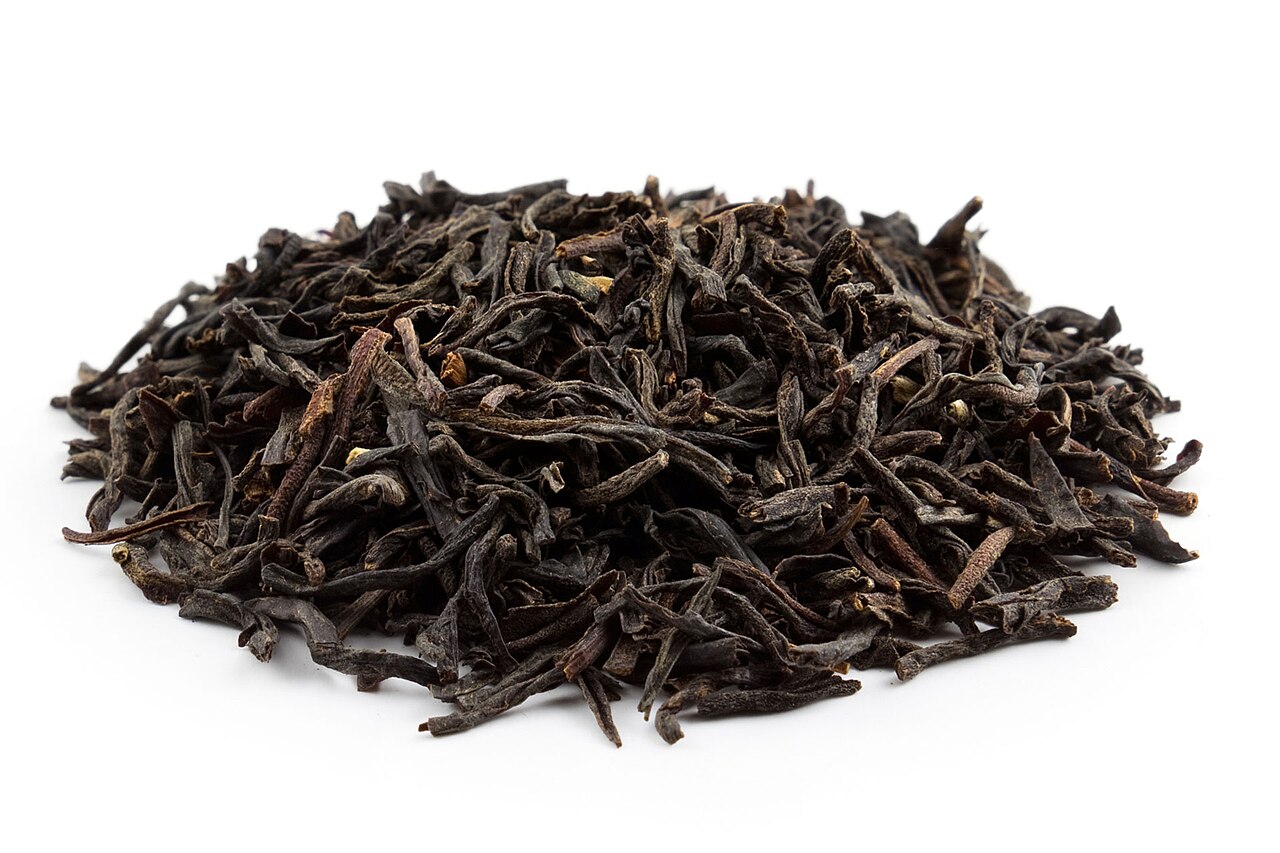
The color comes from the buds, not from added pigment. Young tea buds carry fine white hairs. After withering, rolling and oxidation, the sap and the hairs take on gold, amber or copper tones. More buds means a more golden dry leaf; more open leaf means a darker, browner appearance.
So golden is not a synonym for better. A very bud-heavy tea can look spectacular and still be thin in the mouth. A one-leaf-and-a-bud tea may look less golden and taste fuller. Appearance and flavor should be judged separately.
Where it grows
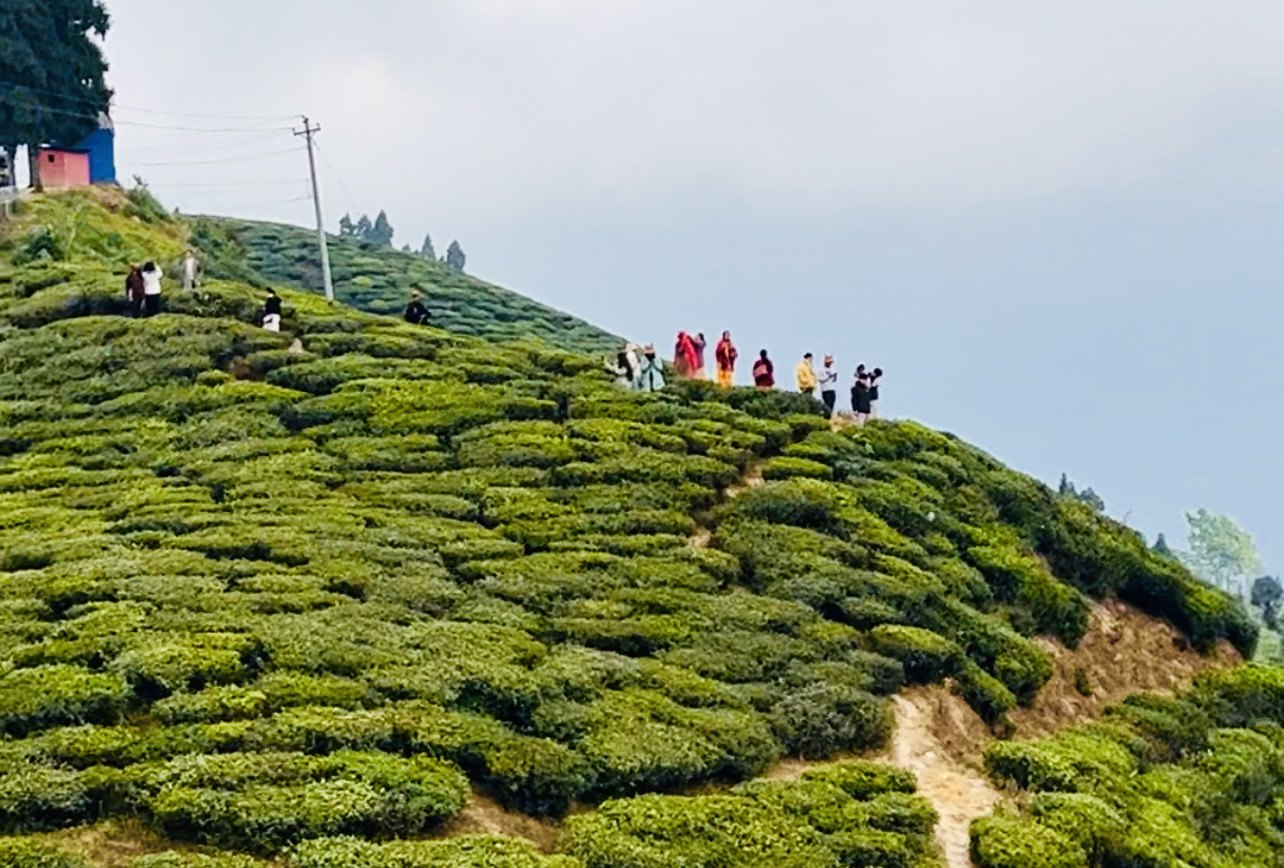
Nepal’s tea districts sit in the eastern Himalayan foothills. The best-known names are Ilam, Panchthar, Dhankuta and Terhathum. Gardens commonly sit between 1,200 and 2,100 metres, cooler and slower-growing than the Assam plains.
Nepali tea is predominantly orthodox, whole-leaf production, with a high share of hand-picking. Many gardens are smallholder-based and supply larger factories or cooperatives. That structure helps explain the range: the same district can produce very different lots depending on leaf supply, withering and oxidation control.
Picking and processing
The basic flow is:
- Plucking — young buds or one leaf and a bud, by hand where quality is the priority.
- Withering — spread the leaf to lose moisture and soften it.
- Rolling — break cell walls and distribute sap over the leaf surface.
- Oxidation — controlled fermentation builds the amber color, malt and honey notes.
- Drying — stop oxidation and fix the aroma.
“Fully oxidised” does not mean “black and dull.” A good golden tips tea keeps a bright amber liquor and a clean, sweet finish. Under-oxidation leaves a green edge; over-oxidation can turn the cup flat and woody.
Flavor
Typical notes include:
- Honey and malt: the core of the style, often described as amber sweetness.
- Nuts and stone fruit: almond, roasted hazelnut, dried apricot or peach, depending on the lot.
- Highland flowers: a cool floral top note, sometimes rose or wildflower.
- Low astringency: buds and altitude usually soften the tannins.
“Golden Tips is always sweet” is not true. Badly fermented or poorly dried leaf can be green, stewed or bitter. The style sets a direction, not a guarantee.
Brewing
- 3 g of leaf to 150–200 ml water.
- Water at about 95°C; use 90–92°C if the leaf is very fine.
- Steep 3–4 minutes, then adjust to taste.
- Re-steep two to three times, adding time each round.
Try it plain first. Milk and sugar will bury the honey-malt detail that defines the style.
Buying
- Ask the plucking standard. All-bud, one leaf and a bud, or one leaf and two leaves?
- Ask the harvest. Spring tends to be floral and fresh; autumn tends toward fruit and malt. Both can be good.
- Ask the garden or lot. Nepal has many small gardens; a named garden or lot is more traceable.
- Look at the leaf and liquor. Golden, lustrous leaf and a clear amber cup are positives. A suspiciously uniform color or a muddy cup is a warning.
- Do not treat “Golden Tips” as a legal grade. There is no single official standard behind the name.
Common misreadings
“Golden Tips means all buds.”
Many commercial Golden Tips are one leaf and a bud, or even one leaf and two leaves. All-bud is one version, not the definition.
“Nepal Golden Tips is the same as Darjeeling.”
The regions, cultivars and flavor profiles differ. Nepali golden tips usually tastes softer and sweeter, with less of Darjeeling’s sharp floral bite.
“More gold means better tea.”
Gold reflects bud content and processing. It does not prove body, aroma or cleanliness.
“Nepali tea is cheap tea.”
Eastern Nepal produces serious orthodox tea for the international specialty market, including golden tips and muscatel-style blacks. The name of the country is not the issue; the specific lot is.
One line
Nepal Golden Tips is a bud-forward, golden-leaf, amber-cup black tea style. It has no single legal grade. Ask for the plucking standard, harvest and garden — that is more useful than the label.