TEA ENCYCLOPEDIAA little closer to the world of tea.
TEA FAMILY

Oolong tea.

Partially oxidised tea with floral, fruity and roasted notes. Fujian, Guangdong and Taiwan each carry distinct making traditions.

12teas
Sorted by nameAll teas
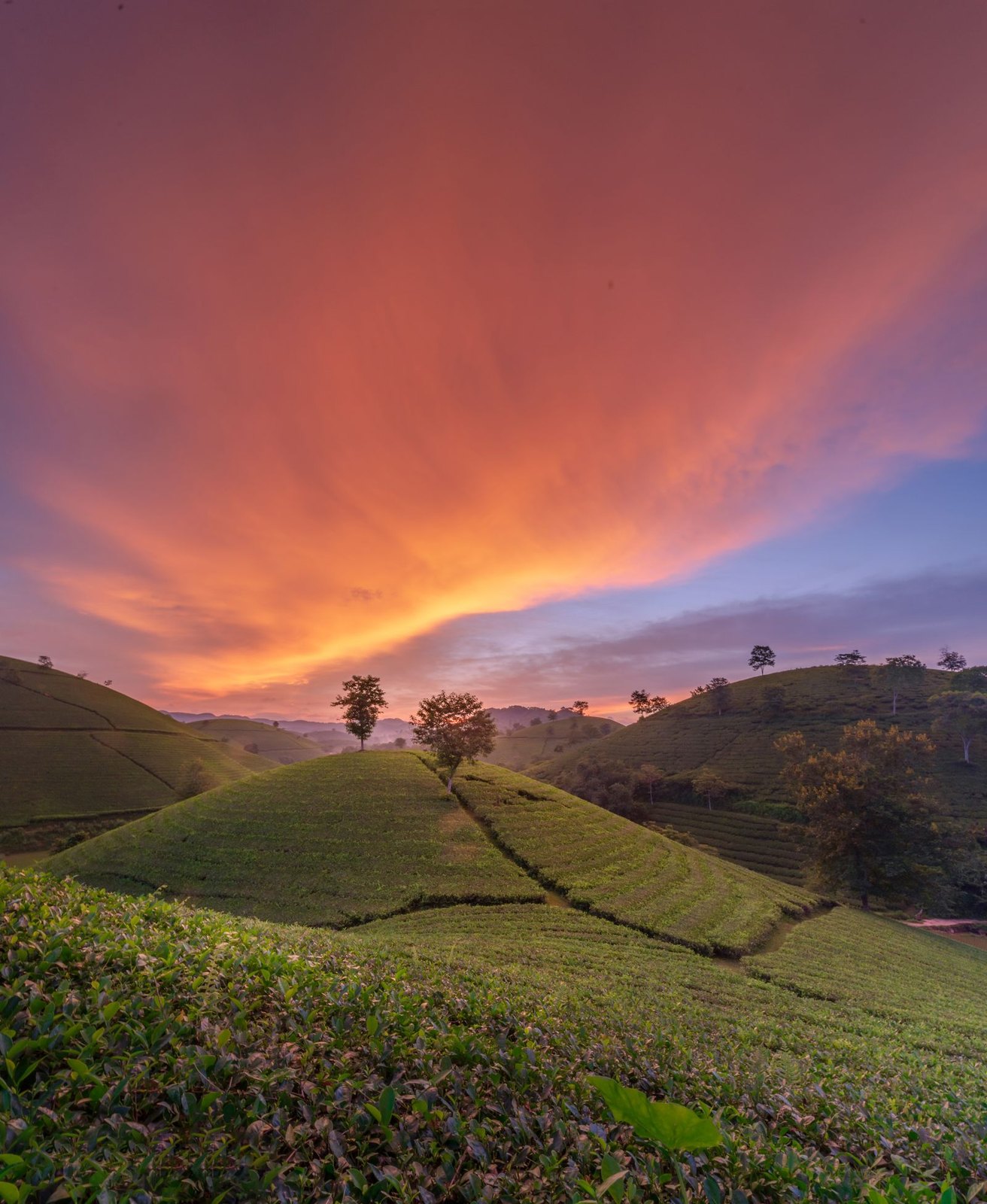
TeaTea hills in Vietnam; a Vietnam tea-garden reference image, not a Bao Loc tea garden in Lam DongTran Anh Tuan / Pexels · Pexels License
Vietnam

Bao Loc Oolong Tea

Bao Loc oolong (Trà Ô Long Bảo Lộc) is a tea region and a family of oolong-style teas from Bao Loc in Lam Dong, Vietnam. It is not a single brand and not a synonym for “Vietnamese Tieguanyin”. Bao Loc sits at about 800 m on the Lam Dong plateau, with cool nights, thick morning fog and a large day-night temperature swing; its soil is deeply weathered basalt, rich in minerals and both well drained and moisture-retentive. Local gardens grow local seed tea, Shan tea and introduced oolong cultivars. Bao Loc oolong is exported to Russia, France, the United States, India, Japan, Thailand, Indonesia, Singapore, Taiwan, Hong Kong and the Middle East. Bao Loc VN and Kim Điền operate at different scales.

Oolong tea
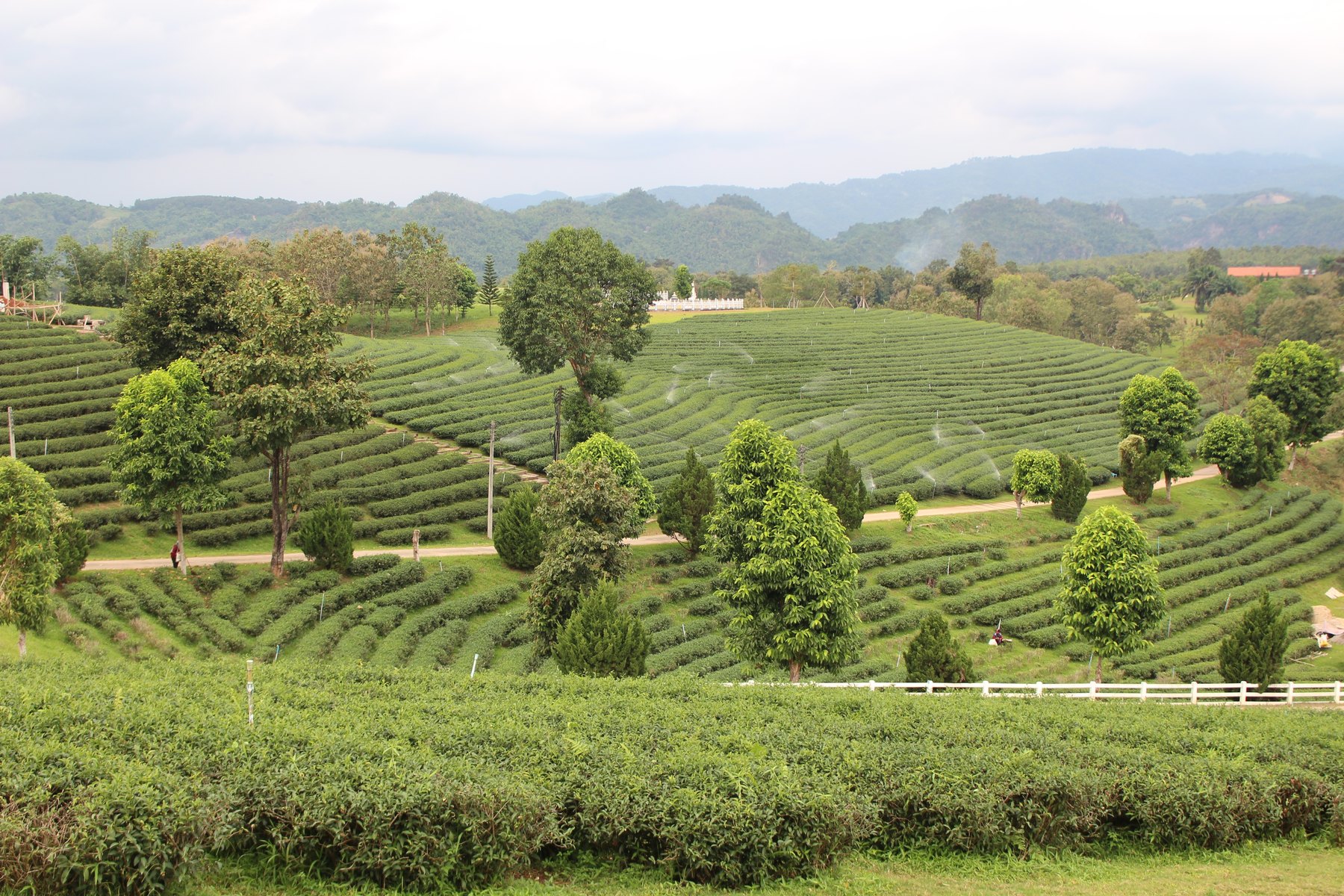
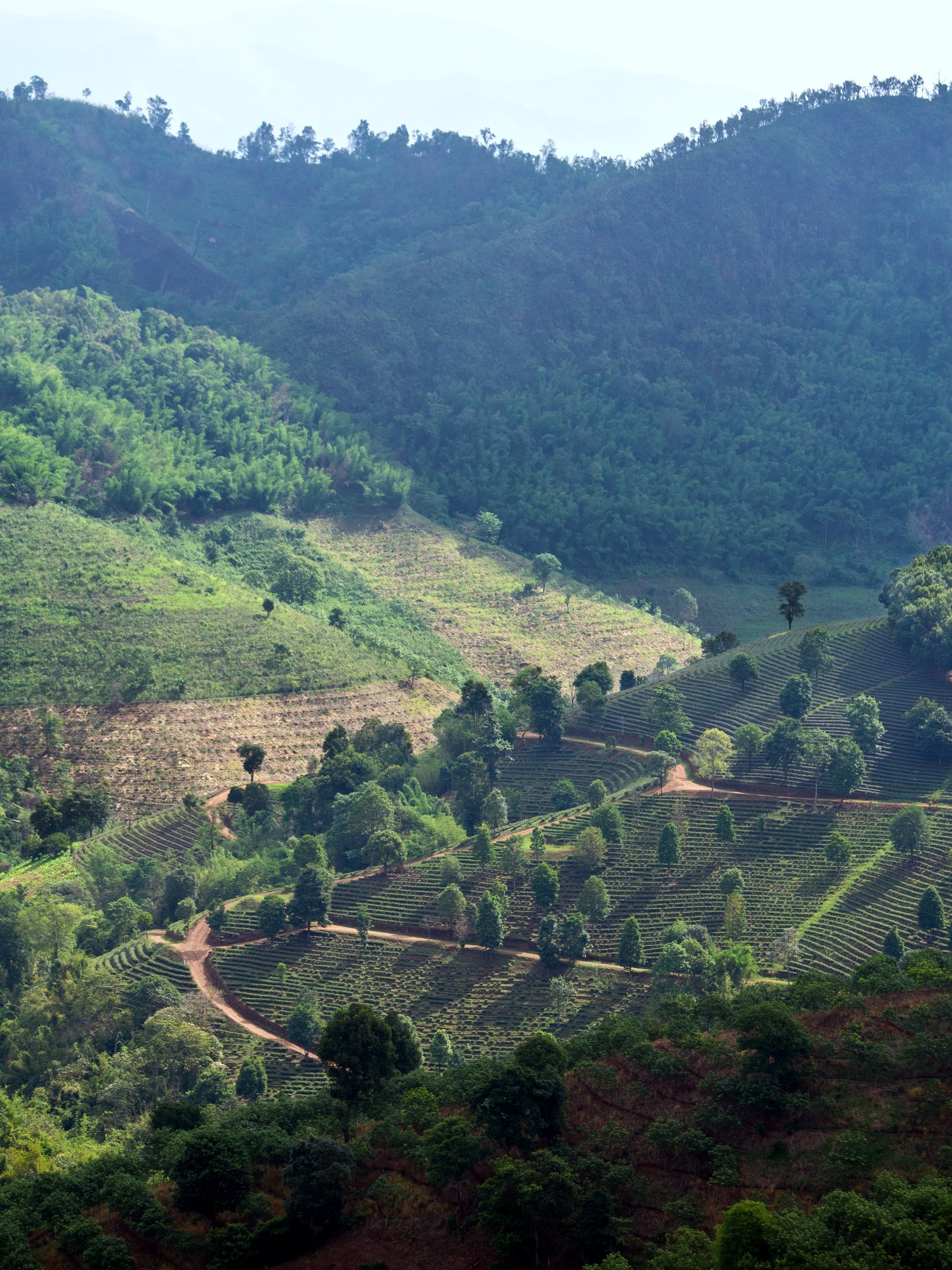
TeaHighland tea gardens at Mae Salong, Chiang Rai, used as a reference image for northern Thai tea terrain; the photo is not Doi Tung itselfTakeaway / Wikimedia Commons · CC BY-SA 3.0
Thailand

Doi Tung Oolong

Doi Tung Oolong is a regional and trade name for oolong tea from the Doi Tung highlands in Chiang Rai, northern Thailand. It is not a current official tea SKU of the DoiTung social enterprise. On 15 January 1987, the Princess Mother arrived at Doi Tung at the age of 87 and launched the Doi Tung Development Project (DTDP), replacing opium income with alternative crops such as coffee and macadamia; the project says it became self-sufficient in 2000. DoiTung's current corporate site lists Coffee and Macadamia, Handicrafts, Café DoiTung, Tourism and Horticulture, with no separate tea business. Third-party tea traders describe gardens at about 1,200–1,400 m or 1,600 m, mainly planted with Taiwanese cultivars such as Ruan Zhi and Jin Xuan, harvested in May–June. The official project pages do not give a single garden elevation, cultivar ratio or sensory standard, so Doi Tung Oolong should be treated as a regional/trade tea, not an official branded product.

Oolong tea
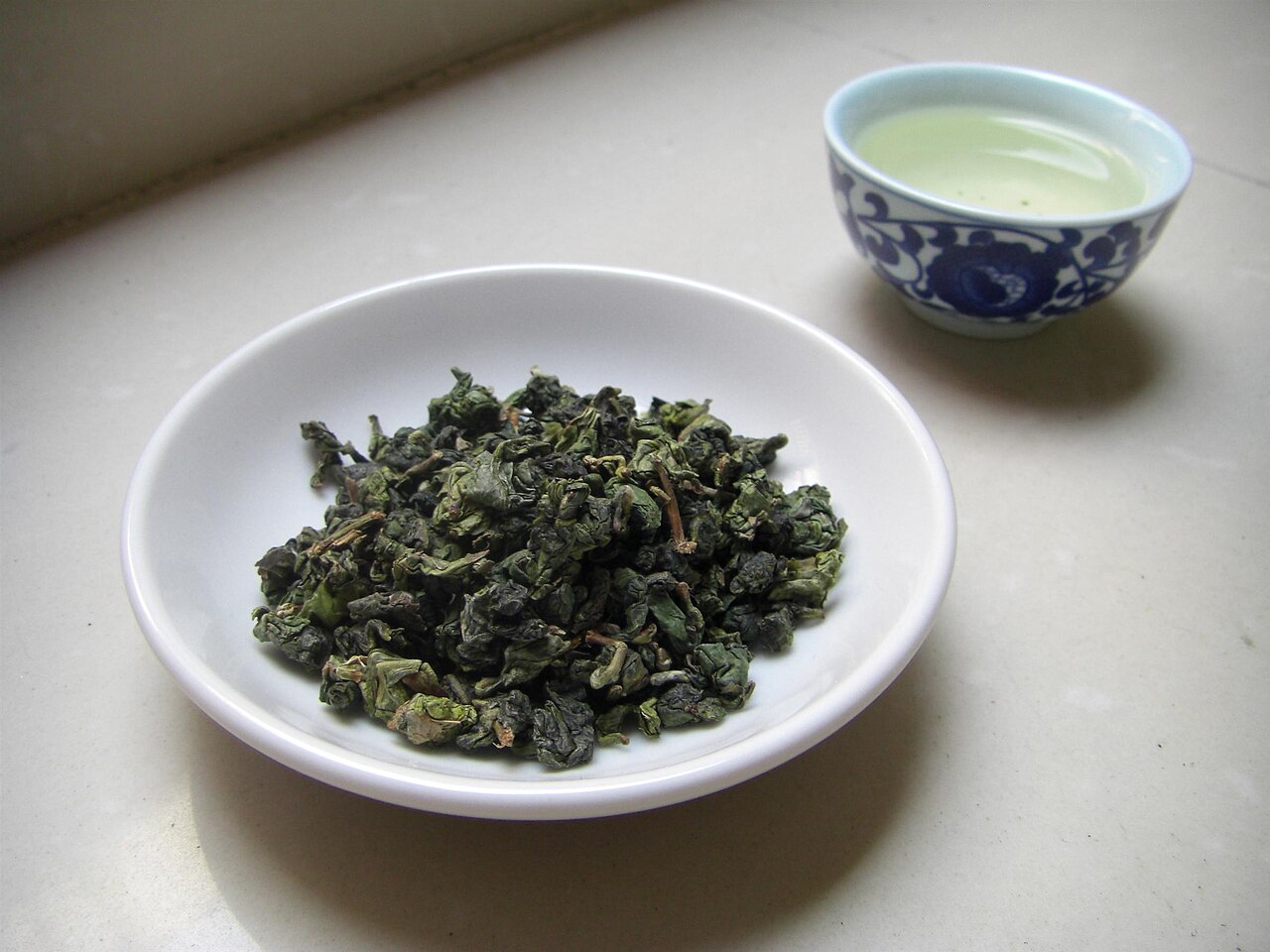
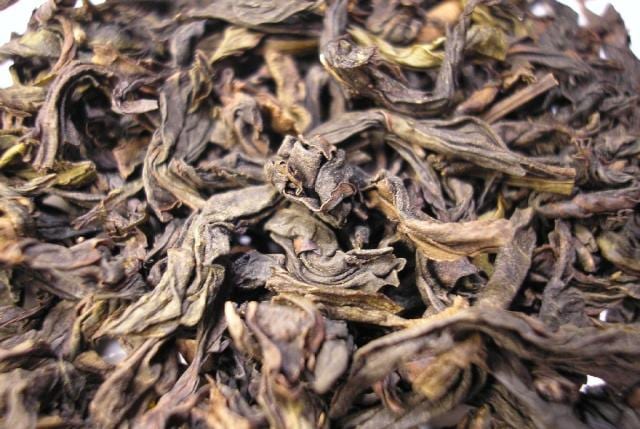
TeaQingxiang Tieguanyin tea leavesQuelcrime · Public domain
China · Fujian

Light-Aroma Tieguanyin

Light-aroma Tieguanyin is one of the three product types of Anxi Tieguanyin, alongside roasted and aged styles. It is made from the Tieguanyin cultivar through withering, shaking, fixing, rolling, wrap-rolling and drying, then sorted, blended and given a low-temperature “literary fire” dry. The leaf is tight and sandy-green, the liquor golden, the aroma clear and orchid-like, and the taste fresh, sweet and distinctly “yin-rhymed”.

Oolong tea
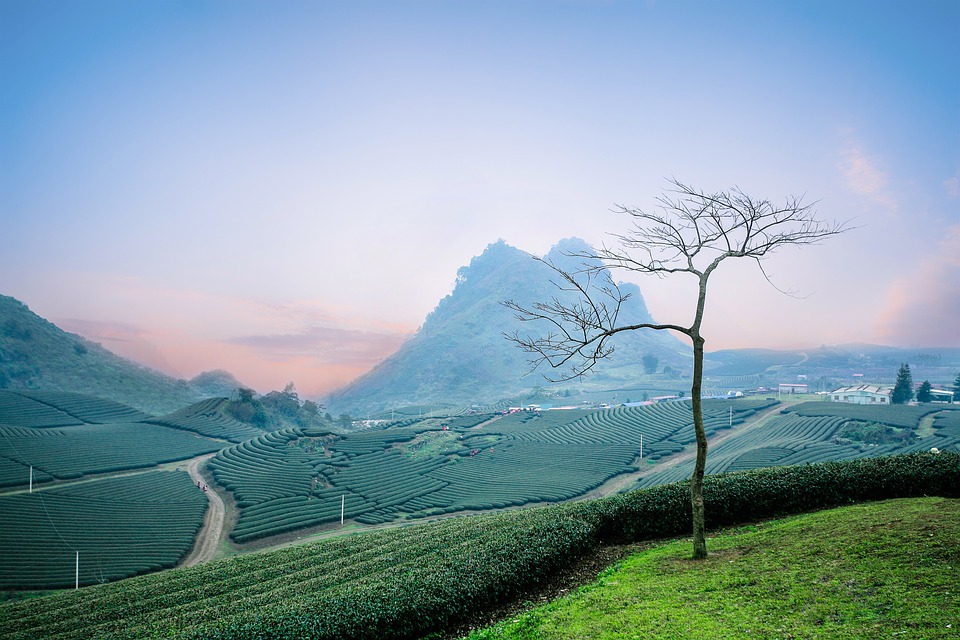
TeaTerraced tea hills and a lone tree on the Mộc Châu plateau in Sơn La, VietnamToanNguyen / Wikimedia Commons (Pixabay) · CC0 1.0
Vietnam

Mộc Châu Oolong

Mộc Châu Oolong is an oolong product family from the Mộc Châu plateau in Sơn La, Vietnam. It is not a single brand and not a single cultivar. Vietnam's national tourism board describes Mộc Châu as a plateau at 1,054 m with some of the country's largest tea-garden scenery. Two producers can be documented: Mộc Sương and Tân Lập. Mộc Sương's own page says it began in 2005 by bringing oolong stock from Taiwan and planting 20 ha; its tea garden is at 1,250 m; it launched Thanh Tâm and Thúy Ngọc oolong in 2010; it now has a 30 ha farm with tea and fruit trees and started an eco-tourism area in 2012. In 2025, the Sơn La provincial newspaper reported that four Mộc Sương oolong products held OCOP 4-star status and that Tân Lập's Kim Tuyên and Tứ Quý oolong held OCOP 3-star status. OCOP is Vietnam's “One Commune One Product” rural-product rating, not a tea grade. The official material does not give a single regional cultivar, sensory standard or price for all Mộc Châu oolong.

Oolong tea
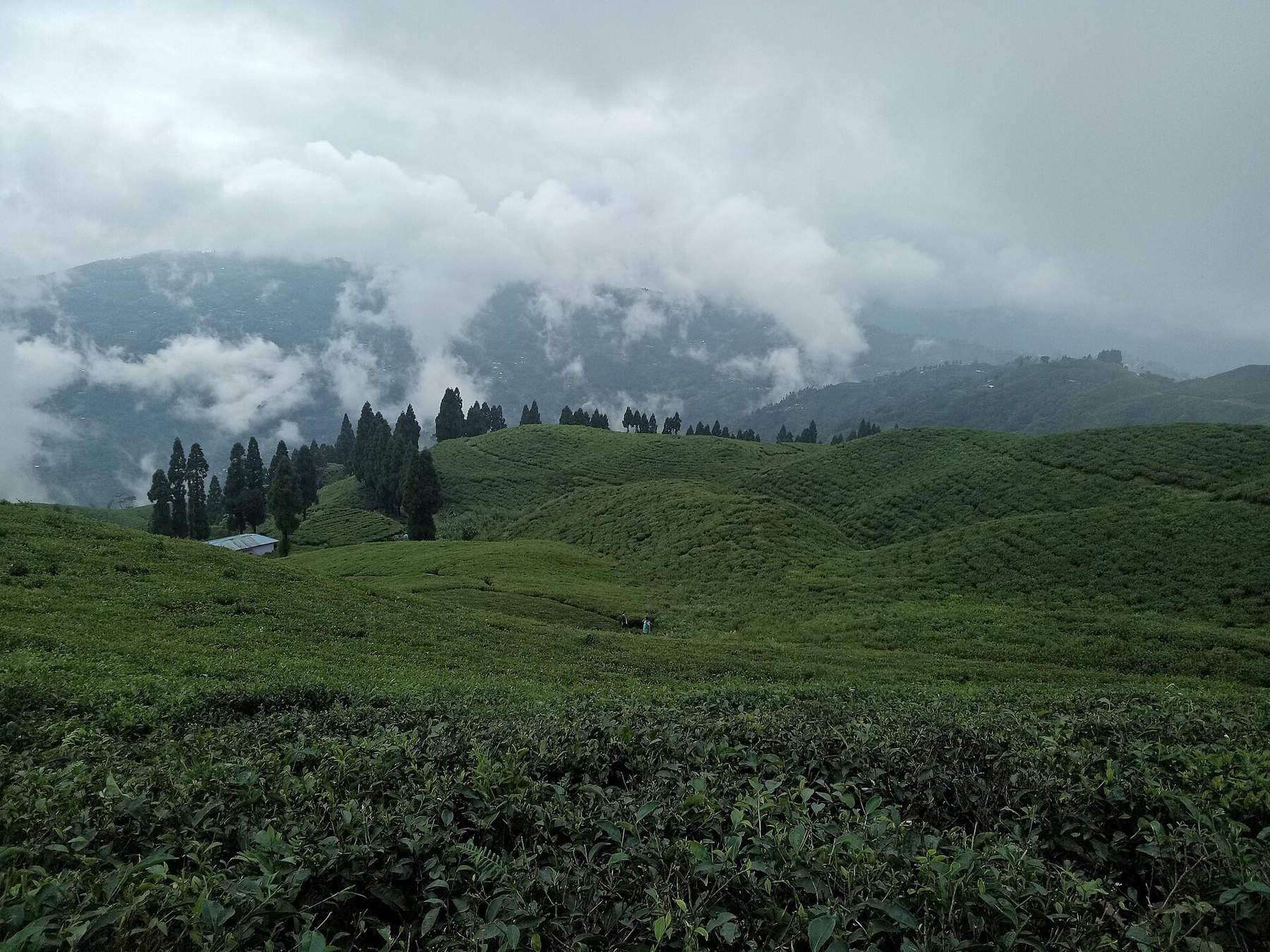
TeaTerraced tea rows in Ilam, eastern Nepal, under low morning cloudPravinchapagain / Wikimedia Commons · CC BY-SA 4.0
Nepal

Nepal Oolong Tea

Nepal oolong is a partially oxidised tea made in the eastern hills of Nepal, mainly around Ilam, Dhankuta and Panchthar, at roughly 1,200–2,100 m. It is a style category, not a protected appellation and not a single cultivar: oxidation can range from about 20% to 80%, and flavour from light floral to nutty, stone-fruit and darker profiles. The old draft turned “Sundarpani”, Jinxuan/Qingxin, “snow-mountain oolong” and “world’s highest” into national facts. Those claims apply, at most, to individual gardens and do not define Nepal oolong.

Oolong tea

Explore the world of tea

ESC
Search in

Type a word. Let curiosity lead the way.

Open the full search page →
See all results