What it is: a regional tea name, not an official SKU
“Doi Tung Oolong” usually refers to oolong tea from the Doi Tung highlands in northern Chiang Rai, Thailand. It is a regional and trade name, not a registered brand and not a current official tea product of the DoiTung social enterprise.
That distinction matters. The Doi Tung Development Project (DTDP) did support alternative development and tea trials, but the project's official page and DoiTung's current corporate site do not tell the same story about the brand's present business. The project page describes handicrafts, processed food, cafés, agriculture and tourism. The current corporate site lists Coffee and Macadamia, Handicrafts, Café DoiTung, Tourism and Horticulture. Neither lists tea as a separate current business unit. A tea sold by a third-party retailer as “Doi Tung Oolong” should therefore be described as a regional/trade tea from Doi Tung, not as “the official DoiTung oolong”.
From opium economy to alternative development
Mae Fah Luang Foundation's official timeline says the Princess Mother arrived at Doi Tung on 15 January 1987, at the age of 87, and launched DTDP. The first phase used coffee and macadamia as economic crops. The goal was to move local communities away from opium income and towards legal, sustainable livelihoods. The project says it became self-sufficient in 2000.
This history explains why Doi Tung tea is often called a “royal project tea”. Tea was part of a regional alternative-development effort. But “royal project” does not mean that every garden is directly managed by the project, and it does not mean that tea is the project's current main business. The project provided a support framework: land, technical advice, processing, branding and distribution. The gardens themselves can belong to farmers, cooperatives or companies.
Tea gardens, cultivars and elevation: two trade figures
Public tea-trade sources give two common elevation figures:
- 1,200–1,400 m: Fine Thai Teas, a producer/exporter page, says Doi Tung mountain is 1,800 m, the tea gardens are at 1,200–1,400 m, and the company produces certified organic high-mountain oolong.
- 1,600 m: Sinas, a retailer, says Doi Tung is at 1,600 m, harvest runs May–June, and the cultivar is Ruan Zhi Population #1.
Both figures come from the tea trade, not from an official DTDP garden census. They can coexist because “mountain height”, “tea belt” and “a specific plot” are different scales. Without plot coordinates, 1,600 m cannot be turned into the single elevation of the whole Doi Tung tea area.
On cultivars, the SiamTeas tea-travel article says the royal project asked Taiwanese experts to evaluate the site; the initial recommendations were Jin Xuan #12 and Ruan Zhi #17. The project supplied plants, loans, processing, distribution and a minimum purchase price, and required organic cultivation. Sinas names Ruan Zhi Population #1. Taken together, the evidence supports “Ruan Zhi and Jin Xuan are major directions in Doi Tung oolong”, not “the whole mountain grows one cultivar” or “the cultivar ratio is fixed”.
Processing and flavour: trade descriptions are not official cupping notes
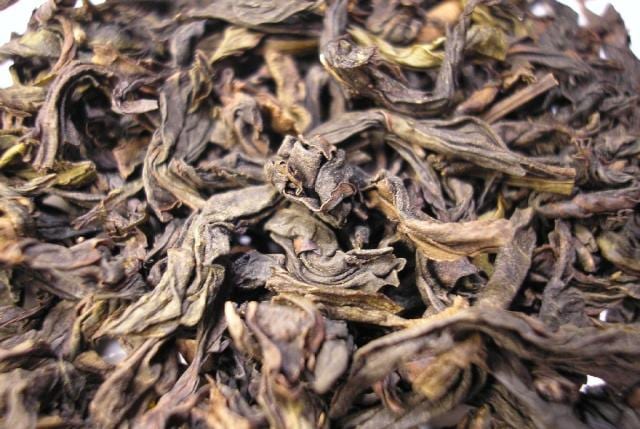
Third-party descriptions of Doi Tung oolong include tightly rolled red-brown leaf, an amber-orange liquor, and floral and sweet notes. Sinas calls its product “Gu Shu Oolong”; that is a retail name, not a botanical category or an official grade. SiamTeas focuses on the project background, cultivars and organic requirement, and does not publish a full processing specification.
A safe description is therefore:
- Doi Tung oolong follows the Taiwanese-style oolong route, with cultivars such as Ruan Zhi and Jin Xuan in use;
- the finished leaf may be tightly rolled or strip-shaped, depending on the producer;
- the liquor may range from pale gold to amber-orange, and the aroma from orchid-like floral to sweet, depending on cultivar, oxidation and roasting;
- Jin Xuan is often described as having a milky or floral note, but that is a combination of cultivar and process, not a guaranteed “natural milk flavour” of the whole mountain.
No official project page publishes a cupping table, oxidation range or roasting standard for Doi Tung oolong. Any claim of an “official process” needs a project document, not a retailer's product page.
Common misreadings
| Misreading | Problem | Better wording |
|---|---|---|
| “Doi Tung Oolong is an official DoiTung product” | DoiTung's current business units do not list tea; third parties sell a regional tea | “A regional/trade oolong from Doi Tung”, not an “official SKU” |
| “Doi Tung is Thailand's highest mountain” | This is a trade-page marketing phrase; no official topographic source was used here | “A highland area in northern Chiang Rai”, not “Thailand's highest” |
| “Every Doi Tung garden is at 1,600 m” | Trade sources give 1,200–1,400 m and 1,600 m | Keep mountain, tea belt and plot elevation separate |
| “The tea bushes all stand on former opium fields” | The official page confirms the regional opium economy, but does not give each plot's previous crop | “Regional alternative-development context”, not “every garden is former opium land” |
| “Jin Xuan's milk note is a natural Doi Tung flavour” | The note depends on cultivar, oxidation, roasting and brewing | “Jin Xuan is often described as milky”, not a whole-mountain guarantee |
| “The royal project directly runs every garden” | The project provides a support framework; gardens can be farmer, cooperative or company plots | “A regional tea sector supported by the project”, not “one estate” |
Source boundary
This page confirms that Doi Tung Oolong is a regional oolong name from the Doi Tung highlands in Chiang Rai; that DTDP was launched by the Princess Mother on 15 January 1987, with coffee and macadamia as first-phase economic crops, and that the project says it became self-sufficient in 2000; that DoiTung's current business units are Coffee and Macadamia, Handicrafts, Café DoiTung, Tourism and Horticulture, with no separate tea unit; and that tea-trade sources place the gardens at 1,200–1,400 m or 1,600 m, mainly with Ruan Zhi and Jin Xuan, harvested in May–June.
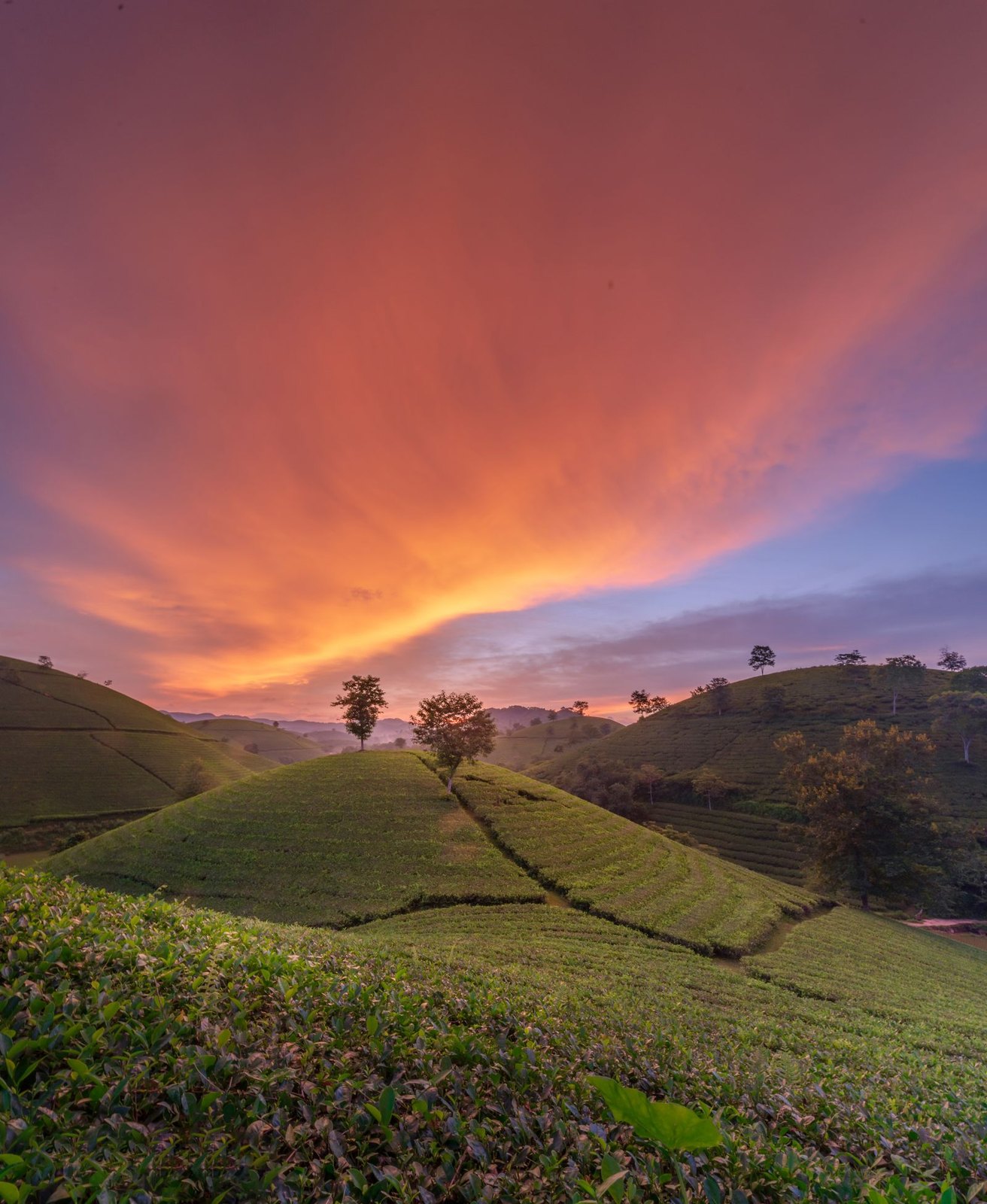
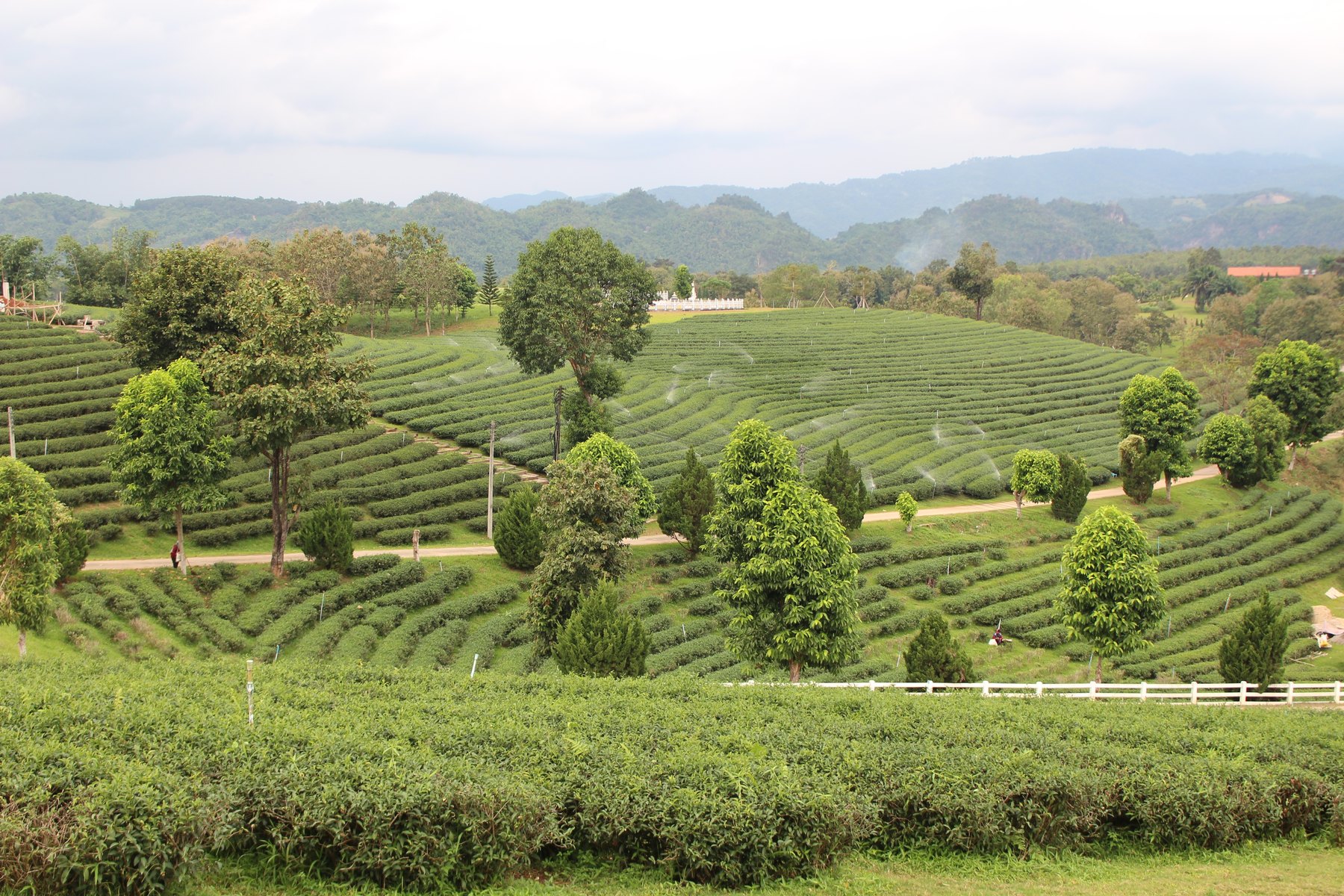
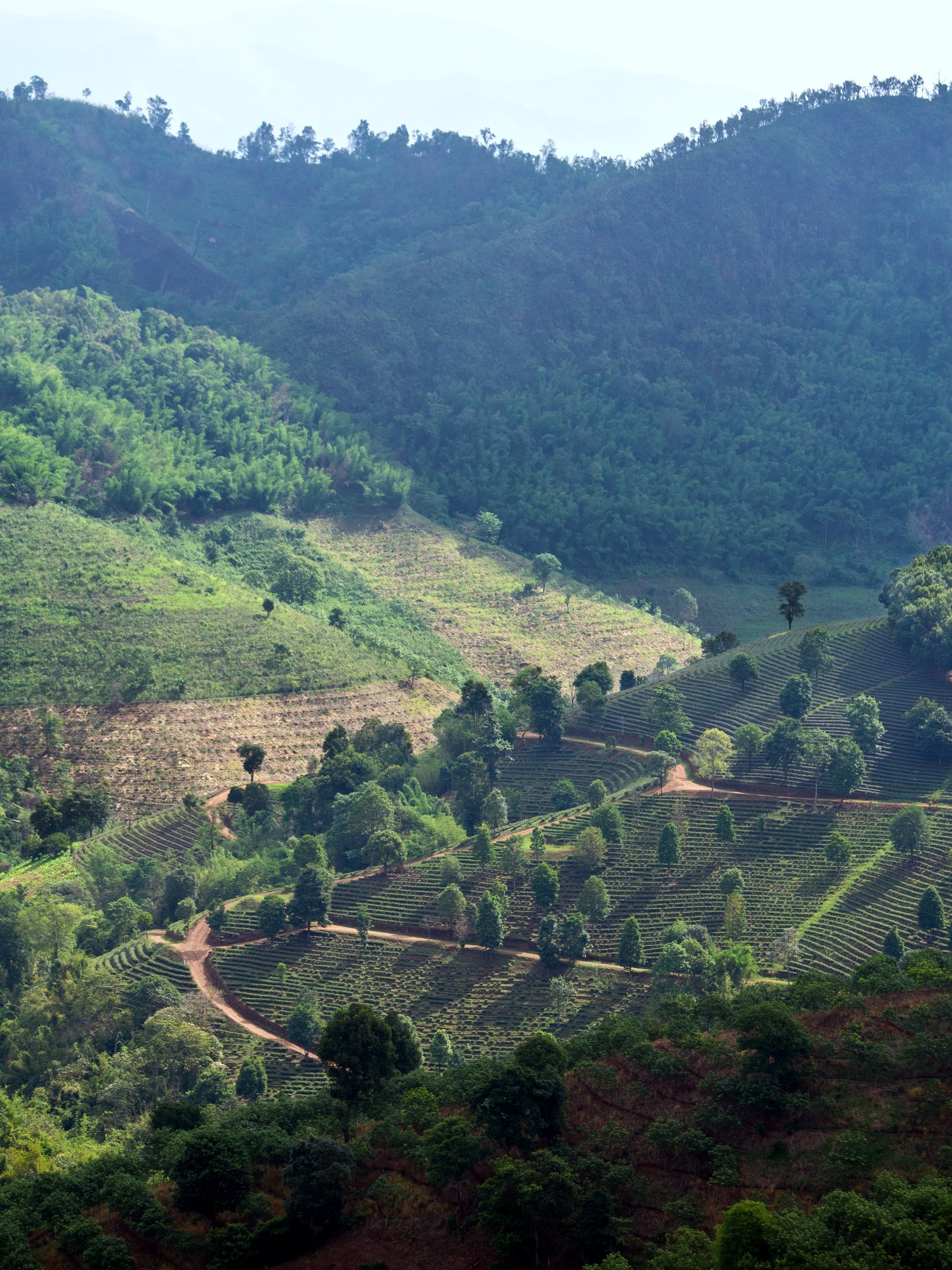
This page does not confirm the official total tea area at Doi Tung, a whole-mountain cultivar ratio, a single elevation, a single processing specification, an official sensory standard, retail prices, caffeine content, or claims such as “Thailand's highest mountain”, “every garden is on former opium land” and “official DoiTung oolong”. The page image is a Mae Salong tea garden in Chiang Rai, not Doi Tung itself; it is used only to illustrate northern Thai highland tea terrain and must not be read as a photograph of a Doi Tung plot.