What it is: a southern way of drinking tea, not a tea category
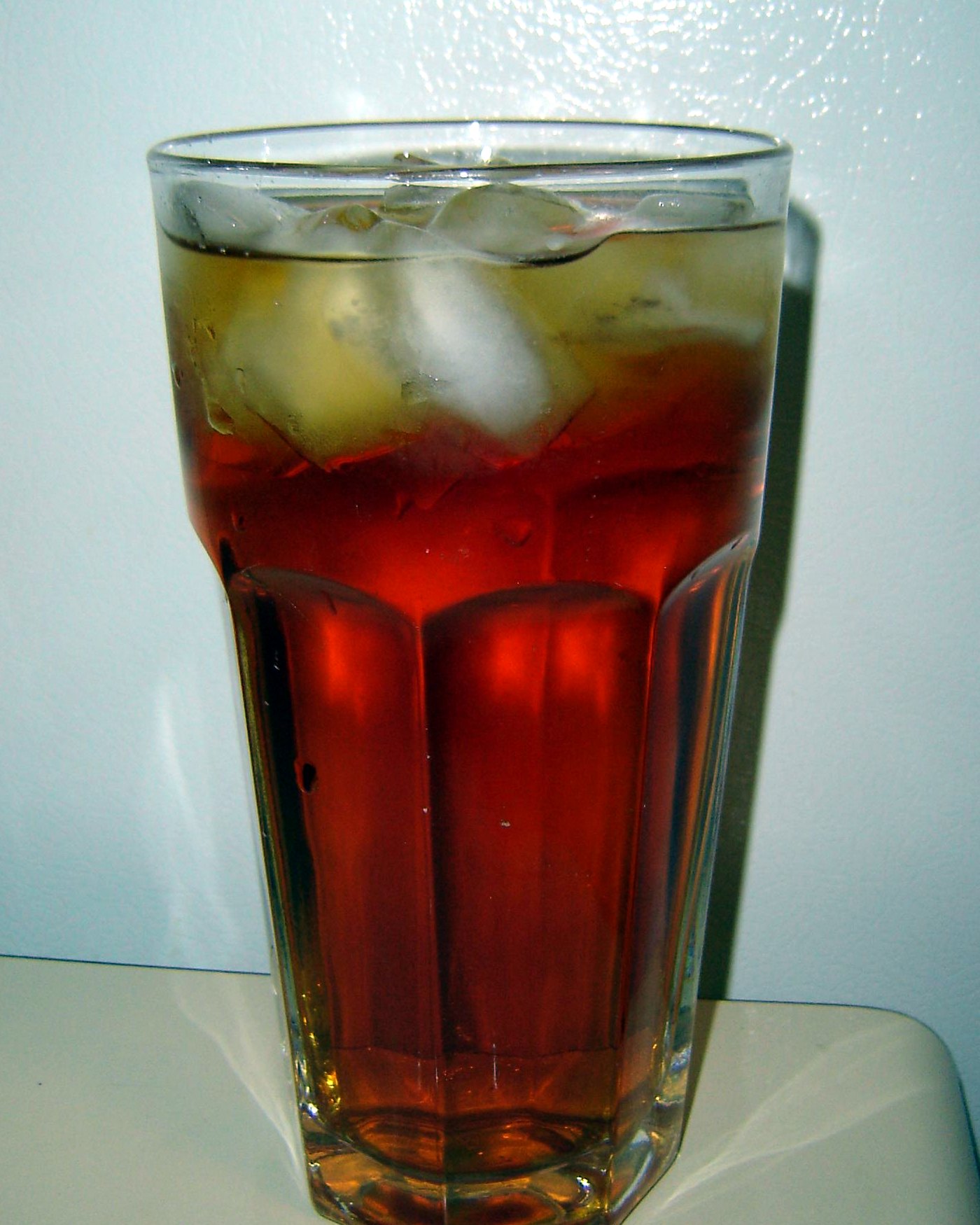
In the southern United States, “sweet tea” usually means a sweet iced-tea convention: tea is brewed strong, sugar is dissolved in it while it is still hot, the tea is cooled, and it is poured over ice. It is not a cultivar, a tea grade or a national brand. Translating it as “sweet black tea” or “sugared black tea” misses the point: the definition is the combination of strong tea, a large amount of sugar, and ice.
Sweet tea has a strong family tradition in the South, especially in South Carolina, Georgia, Alabama and Mississippi. But there is no national recipe and no official sensory standard. Sweetness, tea base, lemon and mint vary from household to household and restaurant to restaurant.
Method: brew strong, sweeten hot, cool, pour over ice
The documented home method has four steps:
- Brew strong. Use black tea bags or loose tea and steep a stronger concentrate than you would for a hot cup, because ice and sugar will dilute it.
- Sweeten hot. Add a large amount of sugar while the tea is still hot and stir until it dissolves. Sugar dissolves more readily in hot tea than in cold tea; this is how sweet tea gets its sweetness without a gritty residue.
- Cool. Let it cool to room temperature, then refrigerate, or simply let it cool down.
- Pour over ice. Fill a glass with ice and pour the tea over it. Lemon slices and mint are optional, not part of the definition.
South Carolina's official tourism page connects sweet tea to the state's hospitality tradition. The Southern Foodways Alliance oral history is more domestic: “brew it hot, you put lots and lots of sugar in it”, “like I get at my grandmother’s house”, “It’s a dessert in and of itself”. These quotations show sweet tea as a family memory and a dessert-like drink, not a standardized beverage.
The earliest published recipe: “Iced Tea” in 1878/1879
Project Gutenberg's edition of Housekeeping in Old Virginia gives an early published “Iced Tea” recipe:
- one quart of boiling water;
- two teaspoons of green tea;
- steep, then strain;
- put ice and two teaspoons of granulated sugar in each glass;
- pour the tea over the ice and sugar;
- add lemon if desired.
The book was published in 1878; later articles often cite a 1879 edition. The Library of Congress catalogue record gives 1878 and confirms that the book is in the public domain.
One caution matters: this is iced tea with sugar, not the modern southern concentrate that is heavily sweetened while hot. It uses green tea, two teaspoons of sugar per glass, and puts sugar and ice in the glass. Calling it “the origin of modern sweet tea” overstates the evidence. A more accurate description is: it is one of the earliest published recipes for a sweet iced tea.
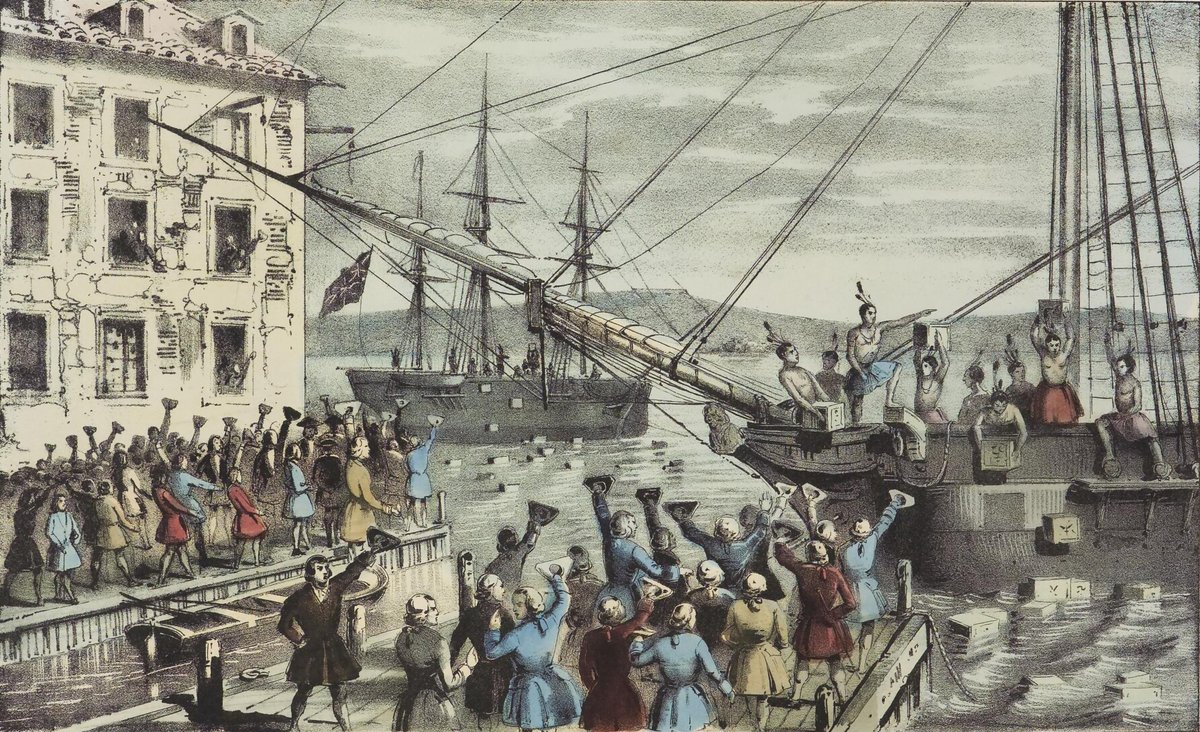
6AM City also notes that the exact origin of sweet tea is unclear and that the claim “iced tea was invented at the 1904 St. Louis World's Fair” does not hold. That is a more honest position than inventing a single origin story.
South Carolina's official title and Summerville's self-description
South Carolina's official tourism page says sweet tea is the state's “state hospitality beverage”, designated in 1995. That is a state-level title, not a national standard.
Summerville calls itself the “Birthplace of Sweet Tea”. The same official tourism page is careful: “history seems to indicate such”. The phrase itself limits the claim to a local narrative, not a proven historical conclusion.
In 2016, Summerville used 2,524 gallons of sweet tea to set a Guinness World Record for the largest cup of sweet tea. South Carolina's official page says “more than 2,400 gallons”; the Summerville visitor page gives 2,524 gallons. The two figures refer to the same event, with the local page more specific. The record shows that the town treats sweet tea as an identity symbol; it does not prove that sweet tea was invented there.
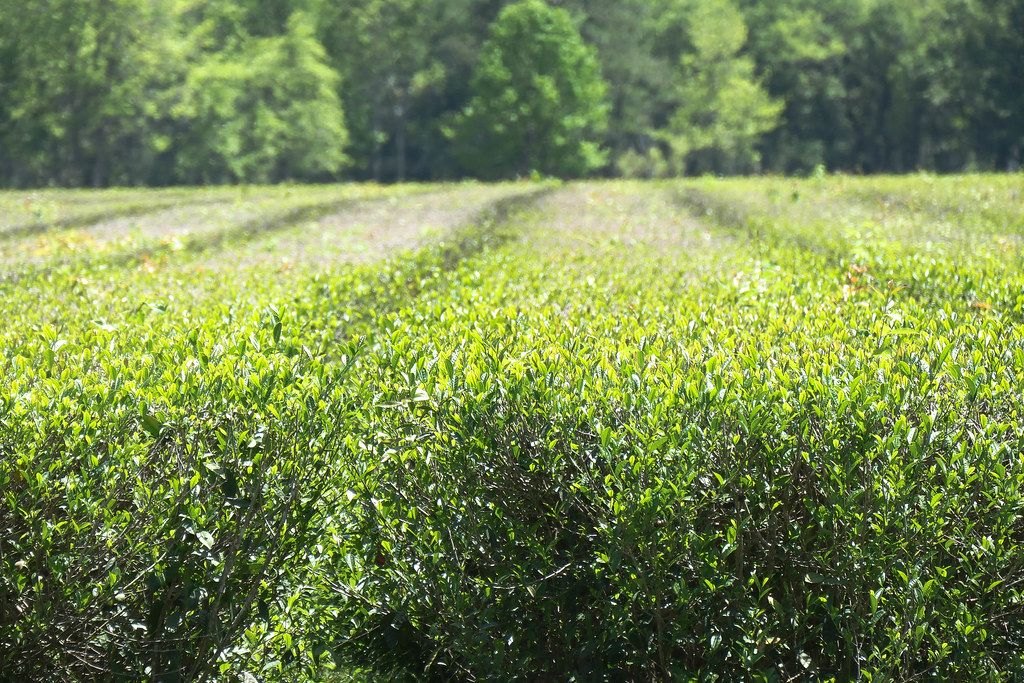
Summerville's tea history has another strand: in 1888 Charles Shepard planted about 100 of 600 acres at Newington Plantation with tea, built a factory and sold tea commercially; the garden was abandoned after 1915; Lipton bought it in 1960; William B. Hall established Charleston Tea Garden in 1987; Bigelow bought it in 2003. That is South Carolina's tea-growing history, not evidence for the origin of sweet-tea drinking. The two histories should not be merged.
Oral tradition: there is no single sweetness standard
Sweet tea has no legal sweetness standard. The 1878/1879 recipe uses two teaspoons of sugar per glass; modern family recipes often use a cup of sugar per gallon or more, and restaurants adjust. The SFA oral history says “lots and lots of sugar” rather than giving grams, which is exactly the point: it is a household habit, not a standardized formula.
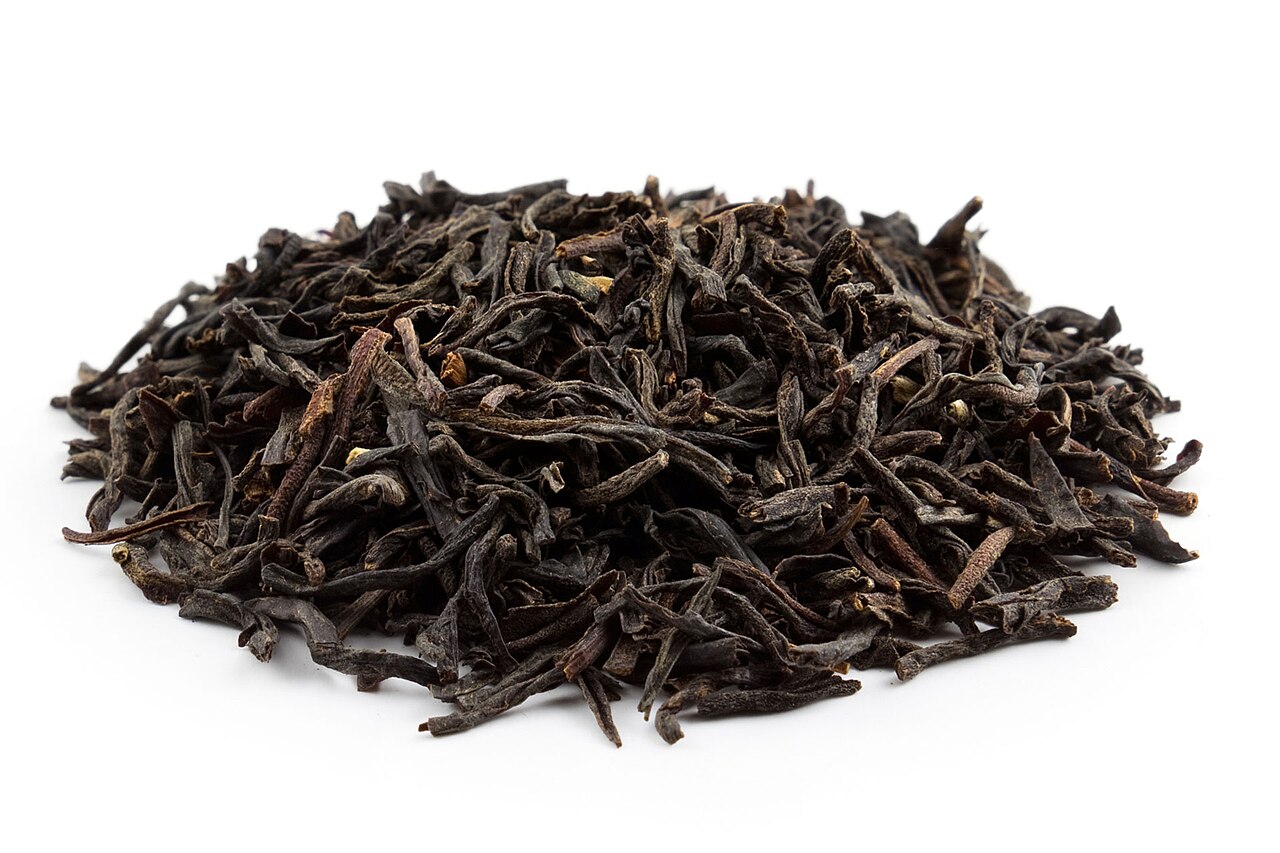
The tea base is also not fixed. Southern sweet tea usually uses black tea, but the specific tea — Ceylon, Assam, a blend, tea bags or a local garden tea — varies by household and restaurant. Lemon and mint are common additions, not requirements. “Sweet tea must contain lemon” or “sweet tea must use one specific black tea” are invented rules.
Common misreadings
| Misreading | Problem | Better wording |
|---|---|---|
| “Sweet tea is a tea cultivar or a tea category” | It is a way of drinking tea, built around sugar and ice | “A southern sweet iced-tea convention” |
| “Summerville proved it invented sweet tea” | The town calls itself the birthplace; the official page says “history seems to indicate such” | “A local/tourism claim”, not “proven origin” |
| “The 1879 recipe is modern sweet tea” | It is per-glass sweetened iced green tea, not a hot-sweetened concentrate | “An early published sweet iced-tea recipe” |
| “Iced tea was invented at the 1904 St. Louis World's Fair” | 6AM City shows the claim does not hold | “Origin unclear”; do not repeat the fair story |
| “All southerners drink sweet tea every day” | This is a cultural stereotype, not consumption data | “A strong family tradition in the South” |
| “Sweeter is more authentic” | Sweetness varies by household, restaurant and region | “Sweetness varies widely”; no single standard |
Source boundary
This page confirms that sweet tea is a southern US sweet iced-tea convention, not a tea category or brand; that the common method is strong brewing, hot sweetening, cooling and serving over ice; that the 1878 edition of Housekeeping in Old Virginia gives an “Iced Tea” recipe with one quart of boiling water, two teaspoons of green tea and two teaspoons of sugar per glass, often cited as 1879; that South Carolina designated sweet tea its “state hospitality beverage” in 1995; that Summerville calls itself the “Birthplace of Sweet Tea” while the official tourism page hedges with “history seems to indicate such”; that the town set a 2,524-gallon Guinness record in 2016; and that the SFA oral history records the “brew it hot, lots of sugar”, “like my grandmother's house” and “a dessert in itself” language.
This page does not confirm a single origin for sweet tea, a uniform southern recipe, an average sugar quantity, national consumption figures, a required tea base or a required lemon slice, or claims such as “Summerville proved the origin” and “the 1904 World's Fair invented iced tea”. The page image is a glass of sweet iced tea, not an official South Carolina recipe or a historical event photograph.