What second flush is
Second flush is the May–June picking in Darjeeling. The WIPO GI material describes it as leaf with a purplish bloom, a bright liquor, a full, round taste and a fruity note — the famous muscatel. It is usually treated as Darjeeling’s classic style, but not every garden or year produces it strongly.
Second flush follows first flush and precedes the monsoon. Temperatures rise, sunlight increases, leaf grows faster and matures, and the colour shifts from tender green to purple-copper. Plucking is usually one bud and two leaves; some gardens wait for the purple cast and golden tips before picking. That wait matters: pick too early and the aroma is thin; pick too late and the leaf is coarse and astringent.
Why it is fuller
First flush is light, fresh and bright; second flush is fuller, rounder and deeper in colour. The difference comes from leaf maturity and oxidation. Second-flush leaf is more mature, with more polyphenols and soluble solids, and can take a slightly deeper oxidation. The cup therefore has more weight, and the aroma shifts from fresh flowers to ripe fruit, honey and muscatel.
Muscatel is not grape flavouring or added fruit. It is a composite note resembling ripe white grapes, honey, flowers and a little warm wood. Research discusses leaf maturity, microclimate and terpene changes during oxidation; this page does not present any single mechanism as proven, and does not repeat the old claim that thrips bites are the only cause.
Processing
Second flush is still orthodox whole-leaf tea, but the target differs from first flush:
- Withering. Moderate moisture loss makes the leaf pliable and starts aroma precursors.
- Rolling. Slightly firmer than first flush, so cell walls break enough for extraction while the strip stays intact.
- Oxidation. Deeper than first flush, to build muscatel and ripe fruit while keeping brightness. Over-oxidise and the fruit disappears into ordinary strong black tea.
- Drying. Prompt, to stop oxidation and hold the aroma. Too hot gives a scorched note; too cool risks moisture.
The hard part is “full but not coarse”. A good second flush has weight, fruit and a long finish; a poor one has only strength and astringency, with little muscatel.
Flavour
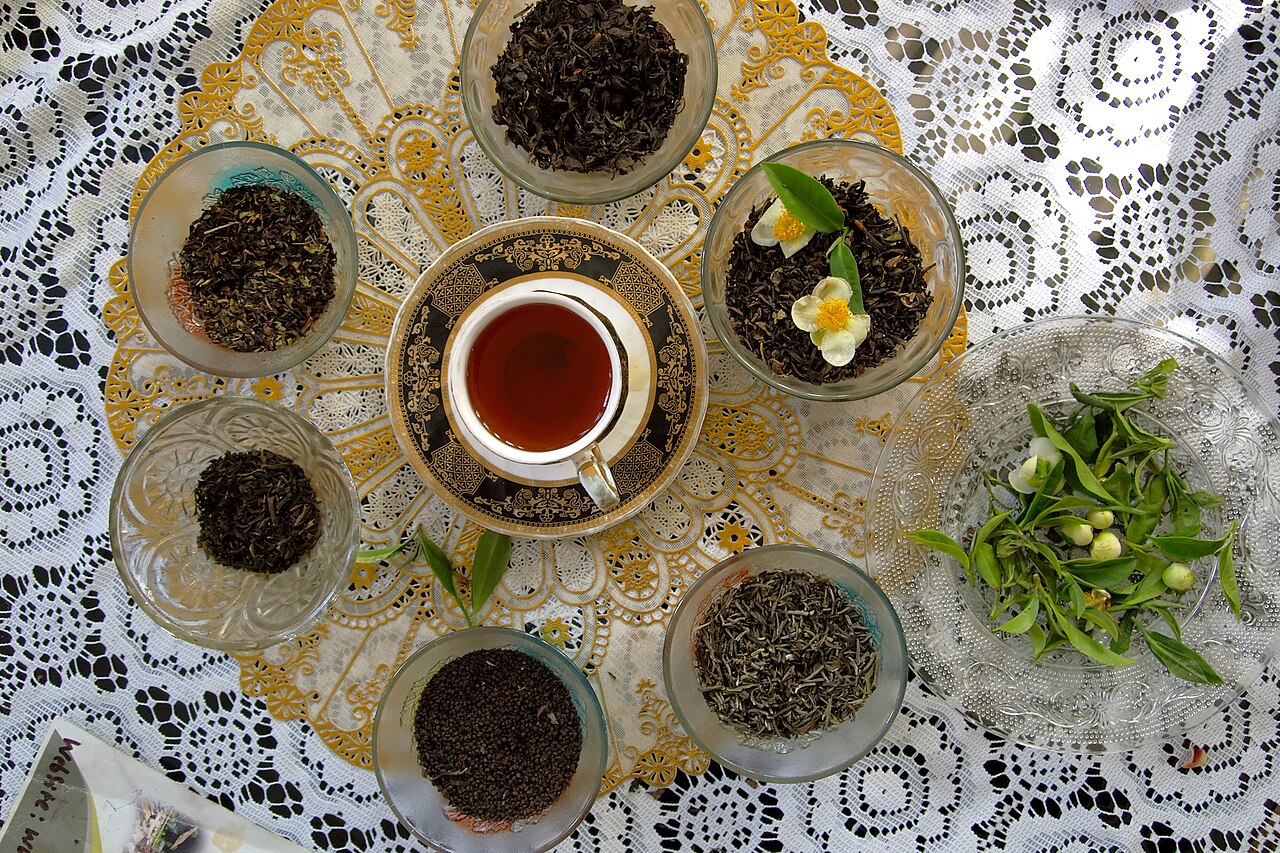
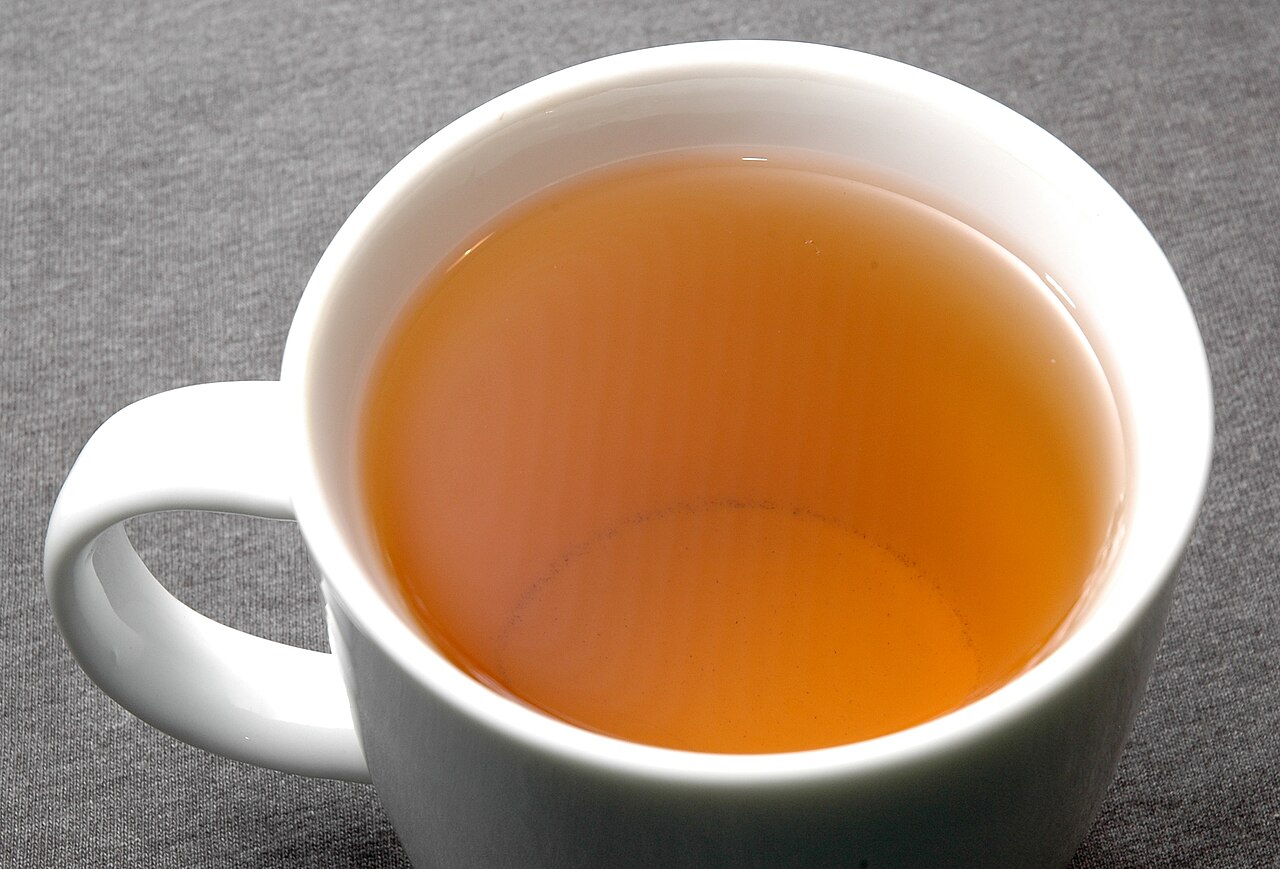
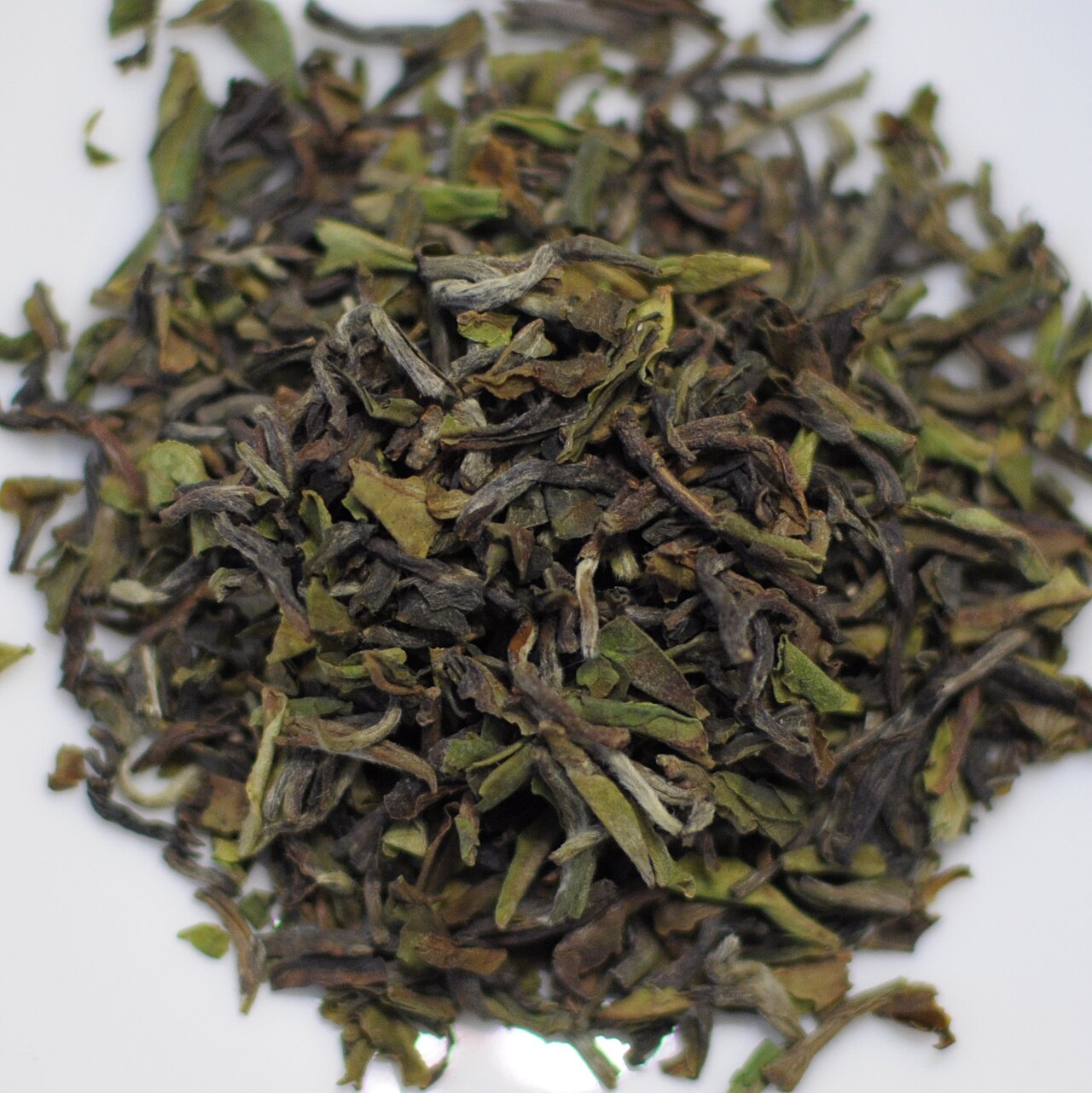
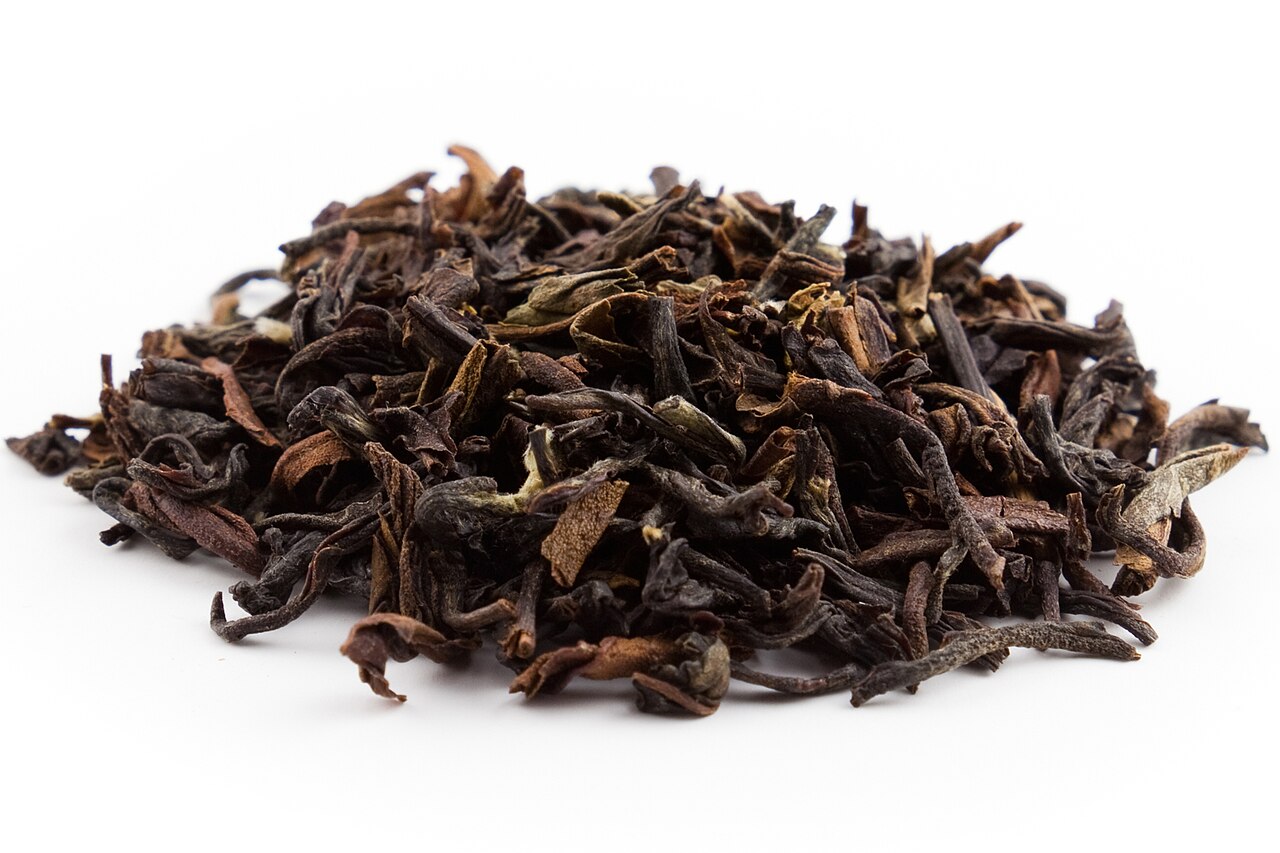
Dry leaf is a tight strip, purple-copper to dark brown, often with golden tips. The liquor is amber-gold to deep amber, bright and glossy. Aroma is ripe white grape, honey, ripe peach, flowers and a little warm wood. The entry is full and round; tannin is more present than first flush but fine; the finish is long and fruit-sweet.
Second flush works plain and can take a little milk. If you add milk, choose a stronger lot and keep the milk small, or the muscatel disappears.
Brewing
- Water: 90–95°C. Second flush tolerates more heat than first flush, but do not use a hard, rolling boil.
- Leaf: 3–3.5 g per 200 ml.
- Time: about 3 minutes for the first infusion, 3–4 for the second, longer for the third.
- Vessel: white porcelain gaiwan or teapot, for heat retention and colour.
- Water quality: soft water shows flowers and fruit better; hard water makes the cup look dull and taste rough.
If the nose is good but the cup is thin, you may have used too little leaf or steeped too briefly. If it is strong but dull, oxidation may have gone too far or the water was too hot.
Garden and year
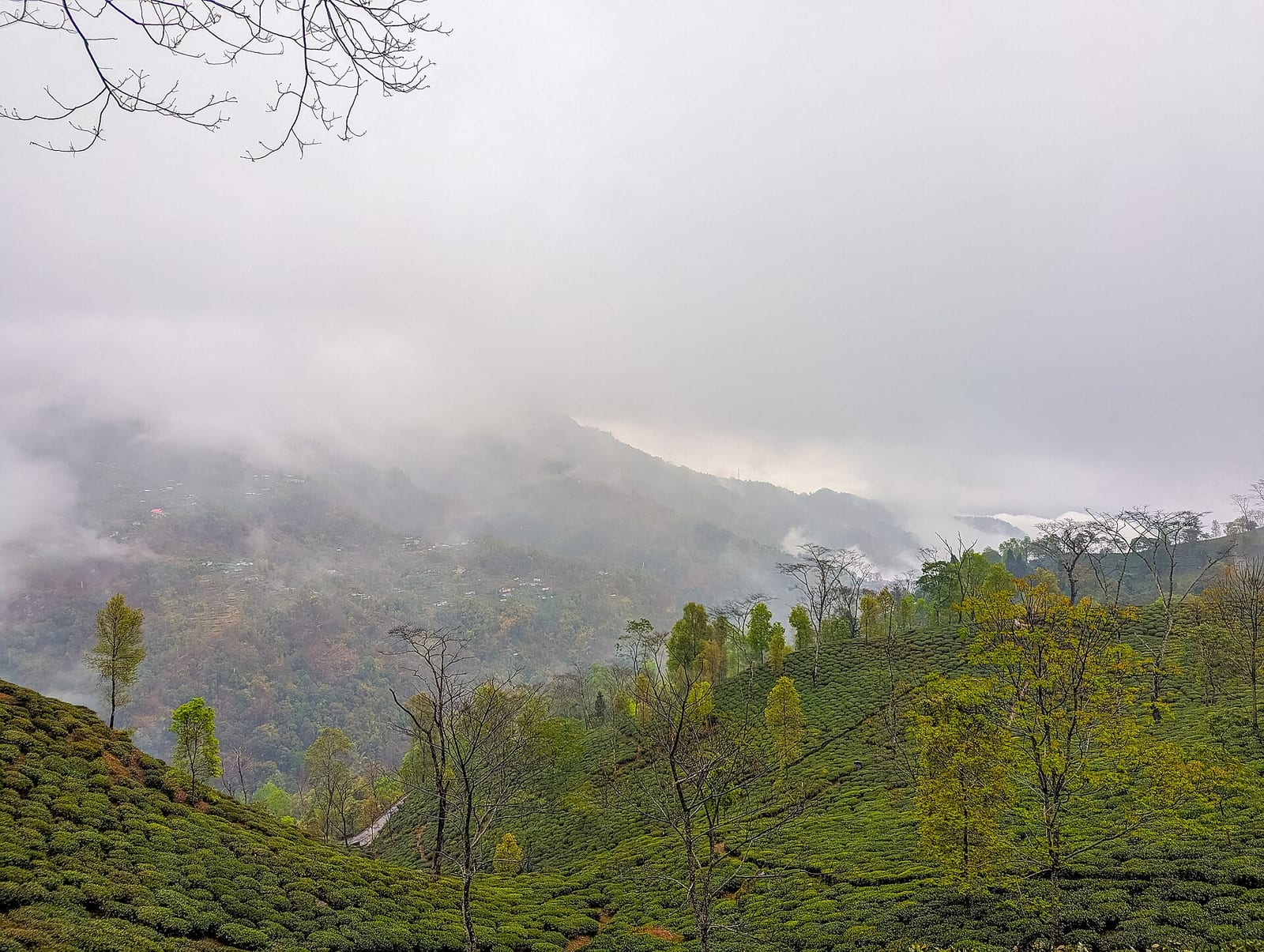
Second-flush quality depends heavily on garden and year. Altitude, aspect, cloud and picking date all change the muscatel intensity. The same garden can vary from year to year. “Second Flush” is a seasonal label, not a quality guarantee.
The old page made Castleton the only source and added “an accidental discovery in the 1890s”, “the highest London auction price”, “only a few hundred kilos a year” and “ten times the price of other Darjeeling”. None of these are supported by the sources used here, so they are not repeated. Castleton is a well-known garden, but muscatel is not exclusive to it; several Darjeeling gardens can produce it in a suitable year.
Historical background
Darjeeling tea planting began in the mid-nineteenth century. The Indian Tea Association records Chinese seed arriving in 1841 and commercial planting around 1853. Early gardens often sold the seasons blended; as buyers recognised the distinct fruit of the summer picking, second flush became a separate seasonal category. The exact year it was first auctioned separately, and who first used the word “muscatel”, are not documented in the sources used here, so this page does not build a timeline around them.
Sources and status
This page relies on the Tea Board’s Darjeeling page, the WIPO-hosted GI material and the Indian Tea Association’s regional material. They support regional background, second-flush timing and flavour, and early planting history. Legacy claims — the “1890s Castleton accident”, “auction champion”, “thrips bites are the only cause”, “only a few hundred kilos a year” — have been removed or qualified. All migrated pages are currently marked reviewed, but sources and wording will continue to be revised.