What first flush is
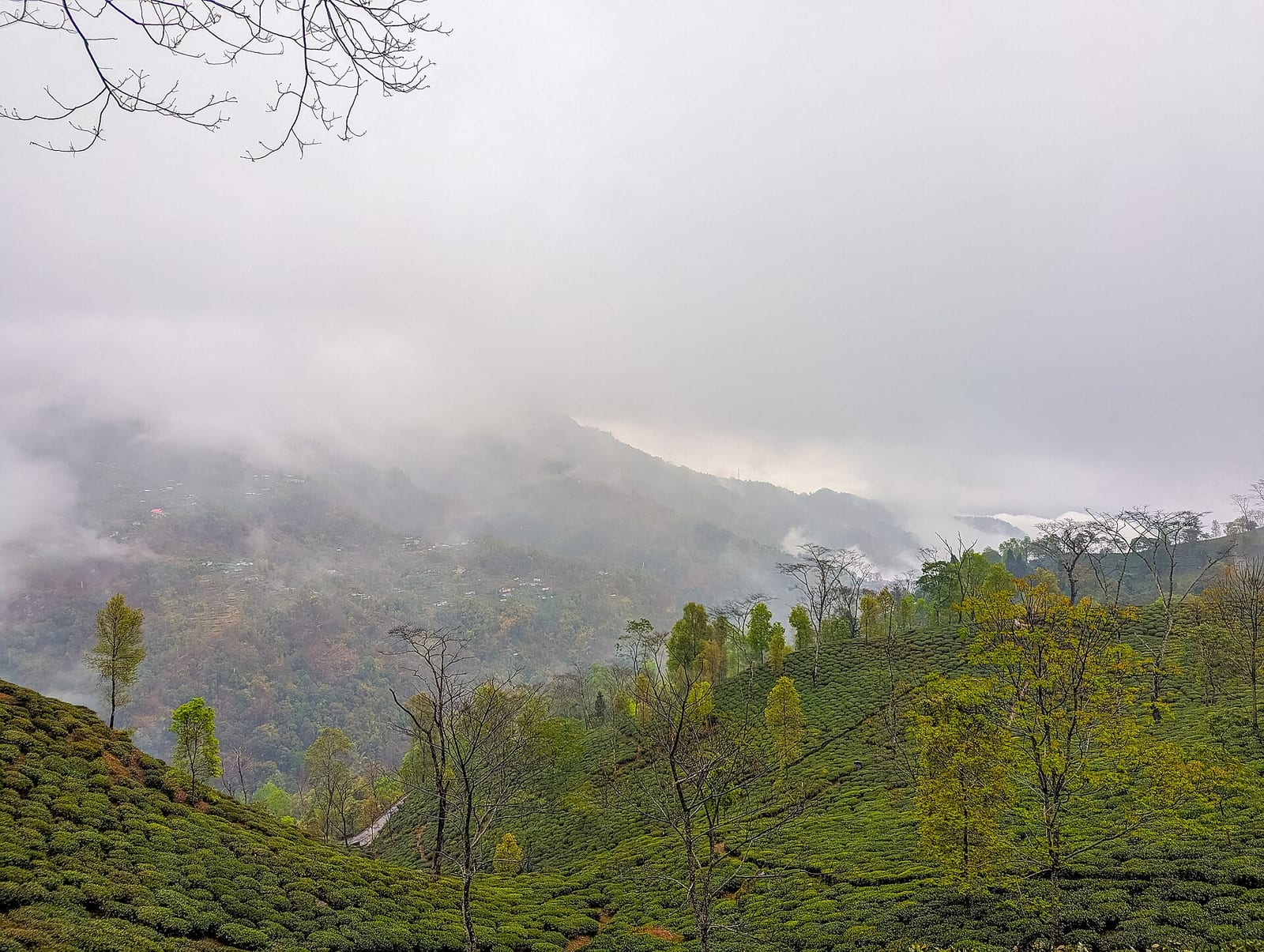
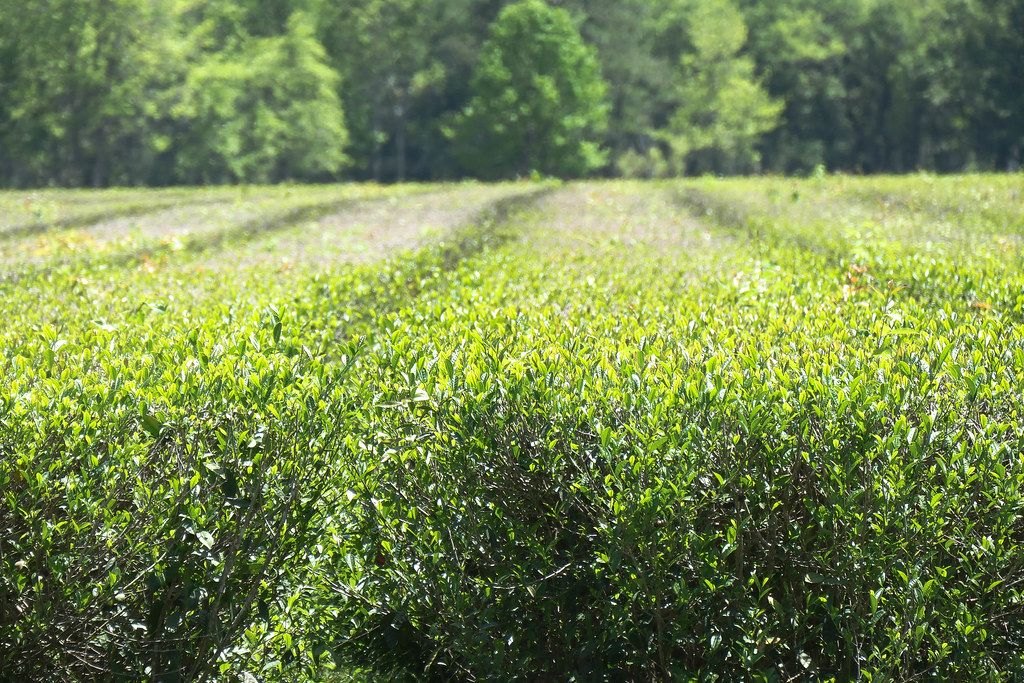
First flush is the earliest spring picking in Darjeeling, normally late February to mid-April. The WIPO GI material describes it as spring tea: light, clear, bright liquor with a pleasant brisk flavour. It is not simply “the same Darjeeling tea picked earlier”; the leaf, the weather and the processing target are all different.
First flush comes from the first growth after winter dormancy. Temperatures are low, leaf grows slowly, amino acids and aroma precursors accumulate, and polyphenols are relatively low. The result is a light, fresh, sweet cup with little astringency. Plucking is usually one bud and one leaf, or one bud and two leaves just opening, by hand and with care.
Why it does not taste like “classic black tea”
First flush is still a black tea: it is withered, rolled, oxidised and dried. But oxidation is very light. The aim is not to build a red, strong cup but to keep the spring freshness. That creates the apparent contradiction of a black tea with near-green or near-white colour and a light body.
“Lightly oxidised black tea” does not mean no oxidation. It means oxidation is stopped early. Withering is longer, rolling gentler, oxidation shorter, drying cooler. Every step does a little less so that the delicate spring aroma is not cooked into a coarse red cup. Poor control gives a raw, green note or a stewed, under-oxidised flavour; good control gives clean flowers and citrus.
Flavour
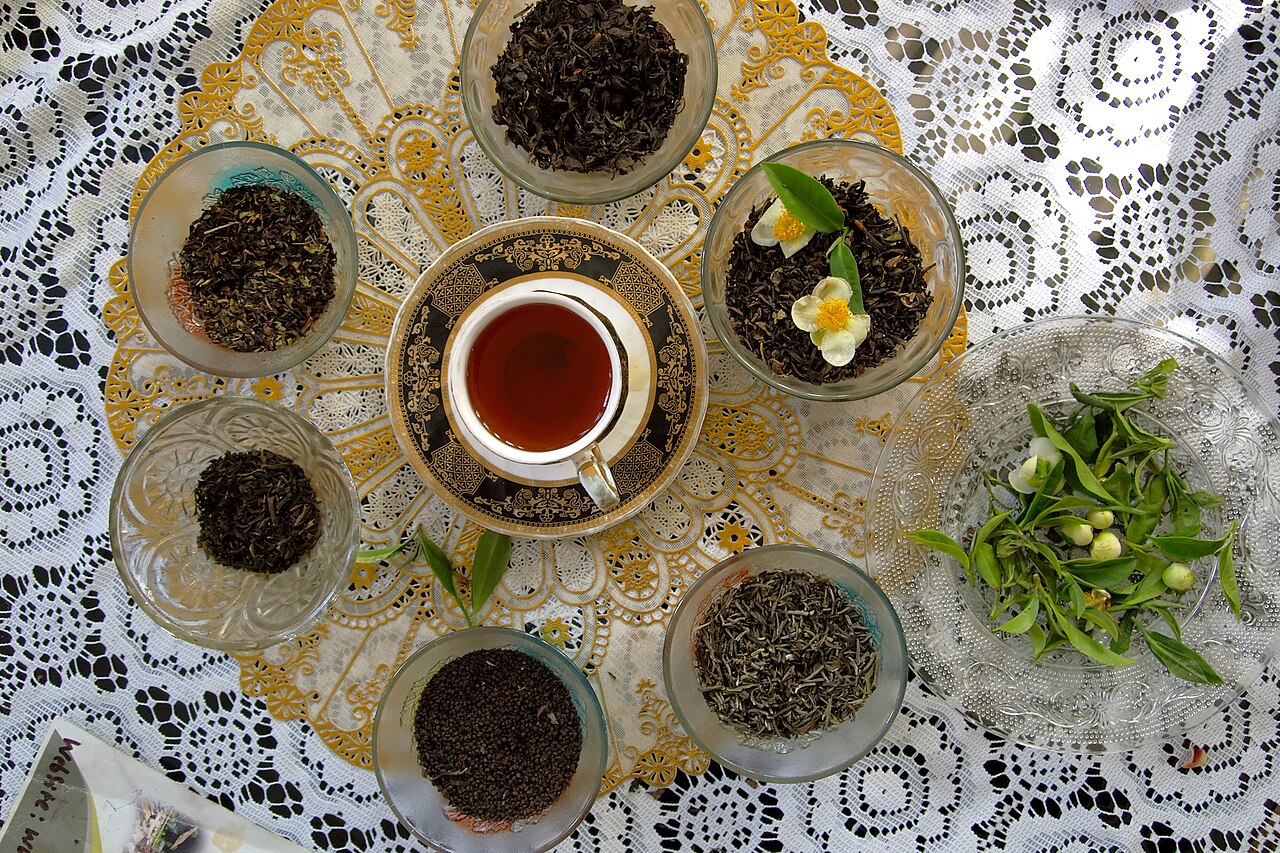
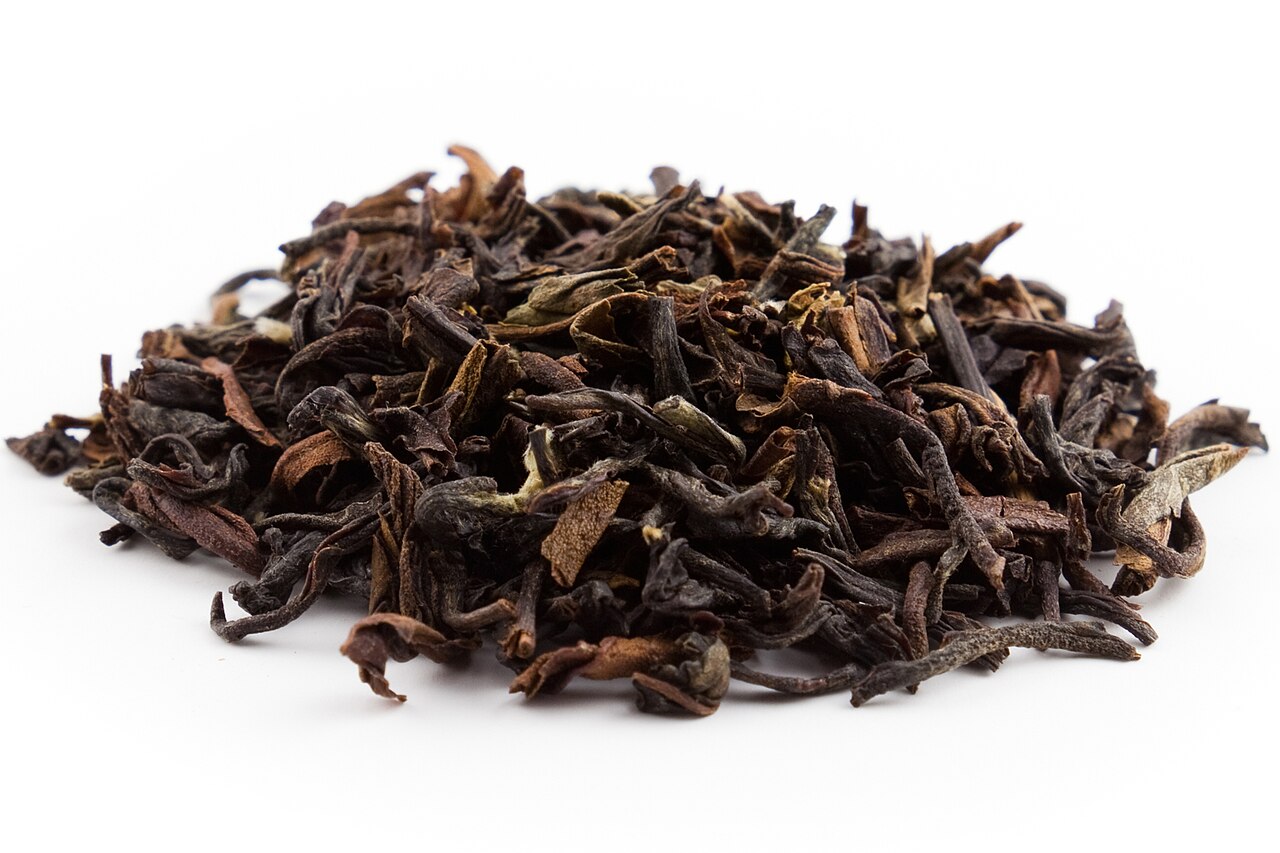
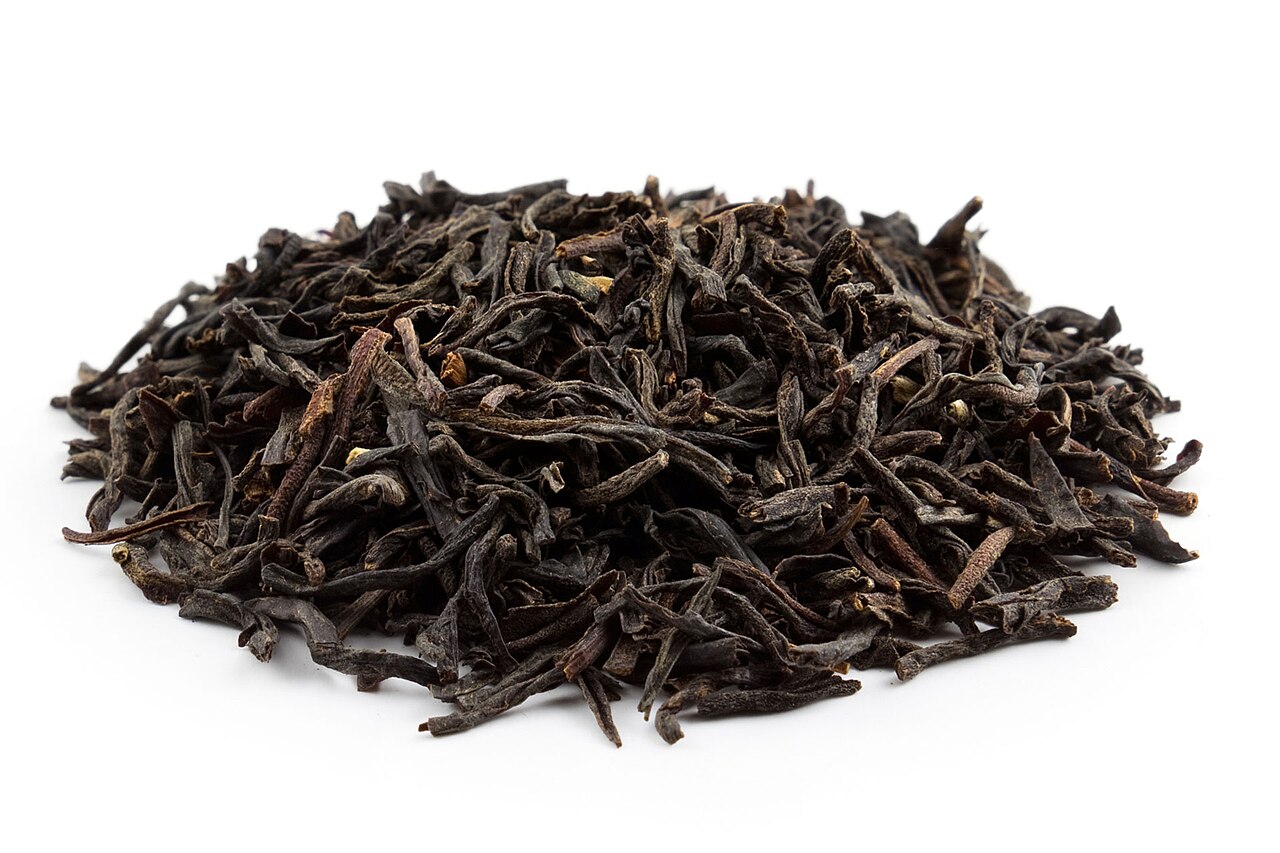
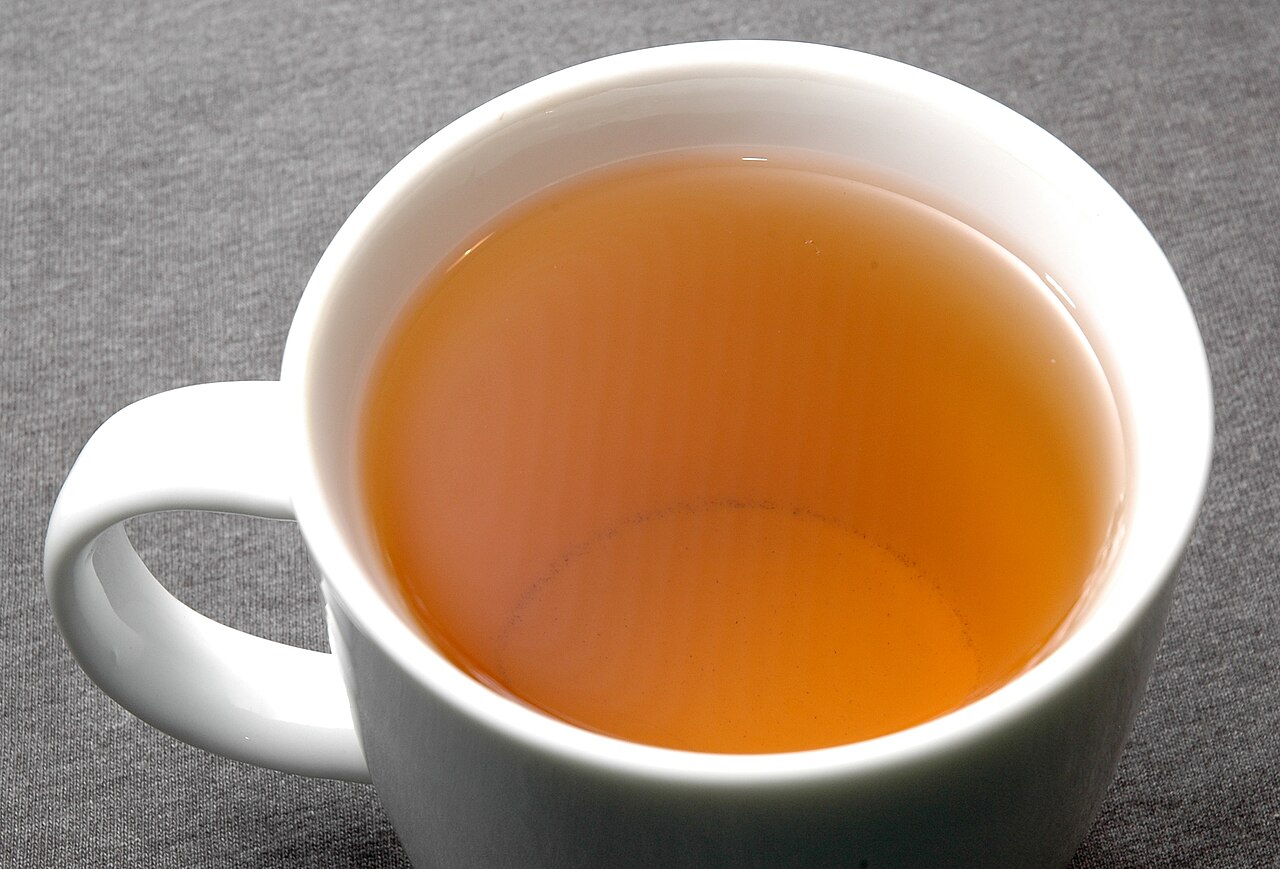
Dry leaf is usually dark green to grey-green, tightly rolled, with silvery tips — much lighter in colour than second flush. The liquor is pale gold to light yellow-green and clear. Aroma is white flowers, green grass, citrus, green apple and a little mineral note. The entry is light, soft and fresh, tannin fine, the aftertaste clean and cooling.
“Light” does not mean “tasteless”. A good first flush has clear flowers, bright acidity and a long sweet finish; a poor one is watery, raw or flat. Judge by cleanliness of aroma, presence of structure and length of finish, not by how dark the liquor looks.
Brewing
First flush fears heat and long steeping.
- Water: 85–90°C. Boiling water flattens the fresh flowers and amplifies the light astringency.
- Leaf: 3 g per 200 ml. The leaf is bulky; do not use CTC quantities.
- Time: 2–3 minutes for the first infusion, about 2 minutes for the second. Long steeps go bitter.
- Vessel: a white porcelain gaiwan or glass, so you can see the colour and control the pour.
- No milk or sugar. The value is in the fine aroma; milk buries it.
If the liquor is yellow-brown and the nose is muffled, the tea may have picked up moisture in transit or storage. If it is sharply Green and raw, it may be under-oxidised, or the water may be too cool and the steep too short.
Season and market
First flush is seasonal. Each year’s first batches vary with the weather, and different gardens and elevations give different styles. The market often treats “First Flush” as a price tag, but first flush is not automatically high quality. Garden, plucking standard, processing and freshness decide.
Legacy claims — “it became a separate auction category in the 1920s”, “Hamburg held first-flush auctions”, “it cost ten times ordinary Darjeeling”, “Japanese tea circles reserved the best lots” — are not supported by the sources used here and have been removed. What is solid: first flush has a clear time boundary and a distinct flavour profile; buy by plucking date, garden and lot, not by the words alone.
Historical background
The Indian Tea Association records Chinese tea seed arriving in Darjeeling in 1841 and commercial planting around 1853. Early gardens often sold the year’s pickings blended; as buyers recognised the difference of spring tea, first flush gradually became a separate market category. The precise year and auction mechanics are not documented in the sources used here, so this page gives only the outline.
Sources and status
This page relies on the Tea Board’s Darjeeling page, the WIPO-hosted GI material and the Indian Tea Association’s regional material. They support regional background, the first-flush timing and flavour, and the early introduction of tea. Legacy claims such as the “spring tea fairy” legend, “Panama gold medal”, “a leaf worth a fortune”, “price equal to silver” and the German and Japanese market stories have been removed. All migrated pages are currently marked reviewed, but sources and wording will continue to be revised.