One-line identity
Darjeeling is the black tea that speaks through aroma rather than density. The liquor is usually not deep, but it is bright, fine and layered, with flowers, ripe fruit and sometimes a muscatel note. To understand it, start with the GI system, then with flush — not with the string of letters on the grade.
The GI is not a marketing word
The Tea Board of India defines Darjeeling tea precisely: grown in one of the 87 registered gardens inside the defined area, processed in a factory inside that area, and judged by expert tasters to have the region’s typical taste, aroma and mouth feel. Only 100% Darjeeling tea may carry the DARJEELING mark; a blend containing tea from elsewhere cannot pass as pure Darjeeling.
Darjeeling was India’s first registered geographical indication. It is also protected as a certification mark in the UK, the US, Australia and Taiwan, and registered as a PGI in the EU. Look for the Tea Board certification and licence number on the pack. A “Darjeeling-style” tea without them is likely a blend or a flavoured product.
The point of the system is that Darjeeling is not a free-floating adjective. It is a bounded origin with tasting review and traceability. It cannot guarantee that every packet is delicious, but it can guarantee that the origin is not invented.
Terroir and plant
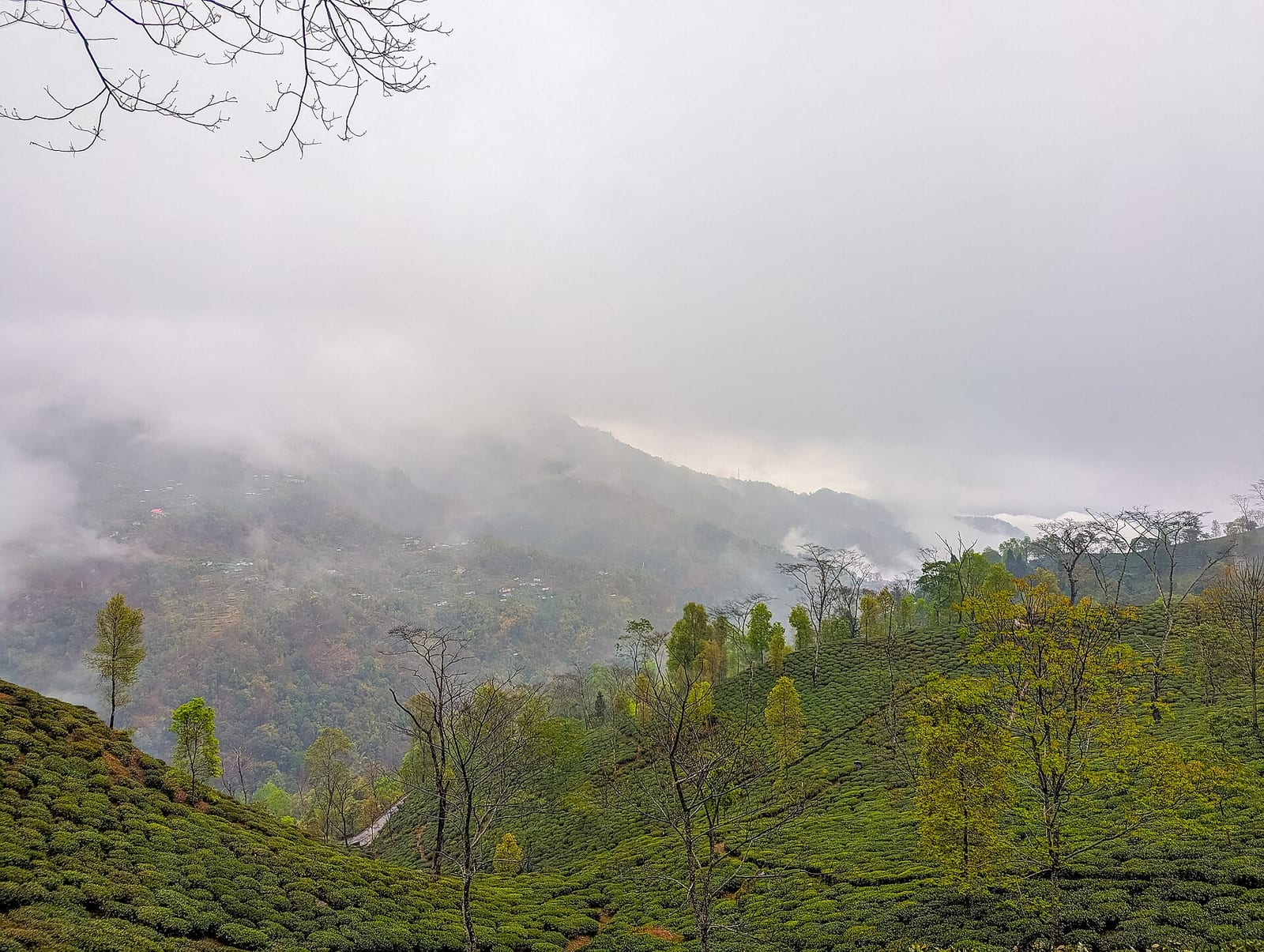
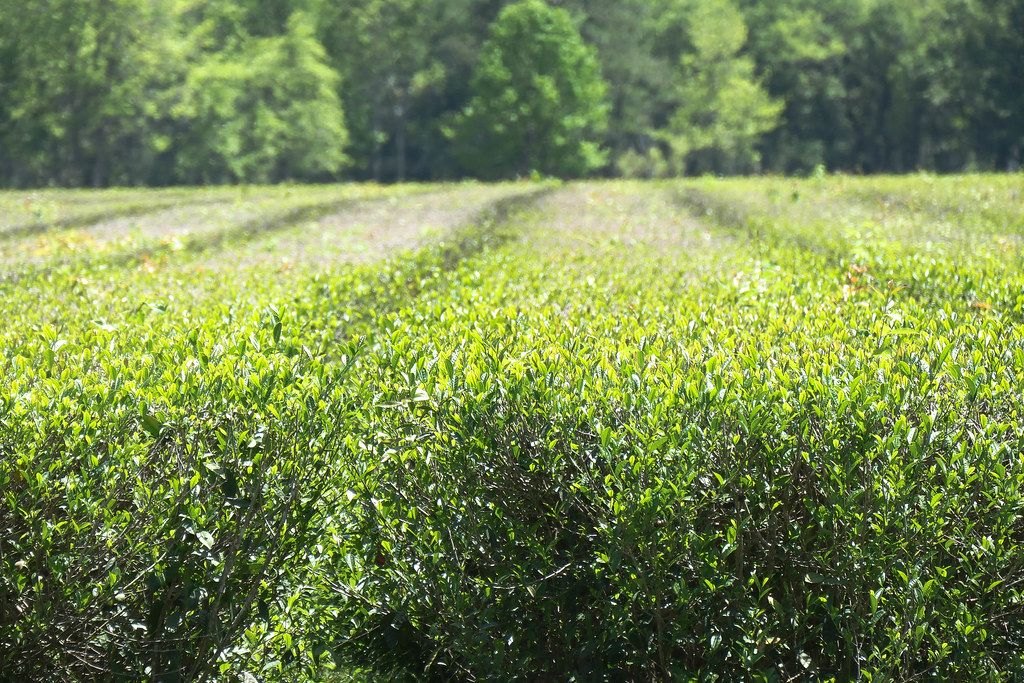
Darjeeling sits in the Himalayan foothills of West Bengal. The Tea Board gives garden elevations of 600–2,000 m and annual rainfall around 309 cm. High elevation, cool air, mist and wide day–night temperature swings slow leaf growth and help aroma accumulate, so the cup is fine rather than massive. The Board gives about 17,500 ha spread across valleys and slopes; within the same region, aspect, altitude, cloud and soil produce noticeably different teas.
Darjeeling is planted mainly with China-type leaf, Camellia sinensis var. sinensis, and its hybrids with Assam-type material. Small leaves, cold tolerance and fine aromatics are the basis of the Darjeeling perfume. The Indian Tea Association records that A. Campbell brought Chinese tea seed to Darjeeling in 1841 and that commercial planting began around 1853; China-type material is still planted today. The old page’s “seeds stolen from Yunnan” is a dramatic detail without a reliable source, so it is not used here.
Four flushes
Darjeeling is not a one-pick region. The WIPO GI material divides the year into four main periods:
- First flush, late February to mid-April. The first growth after winter dormancy. The liquor is light, clear and bright, with flowers, green grass and fresh fruit; the texture is light and lively.
- Second flush, May–June. Leaf shows a purplish bloom; the liquor is fuller and rounder, with the muscatel note that made Darjeeling famous. Often treated as the quality peak.
- Monsoon, July–September. Rain and fast growth give more strength but coarser aroma; usually blended.
- Autumn, October–November. Larger leaf, rounder body, coppery liquor and a deeper, calmer aroma than second flush.
“Second flush is best” is an industry norm, not a law. A fine first flush has freshness and precision; a good autumn has roundness. When buying, read flush first, then garden, then grade — not the letters alone.
Processing and flavour
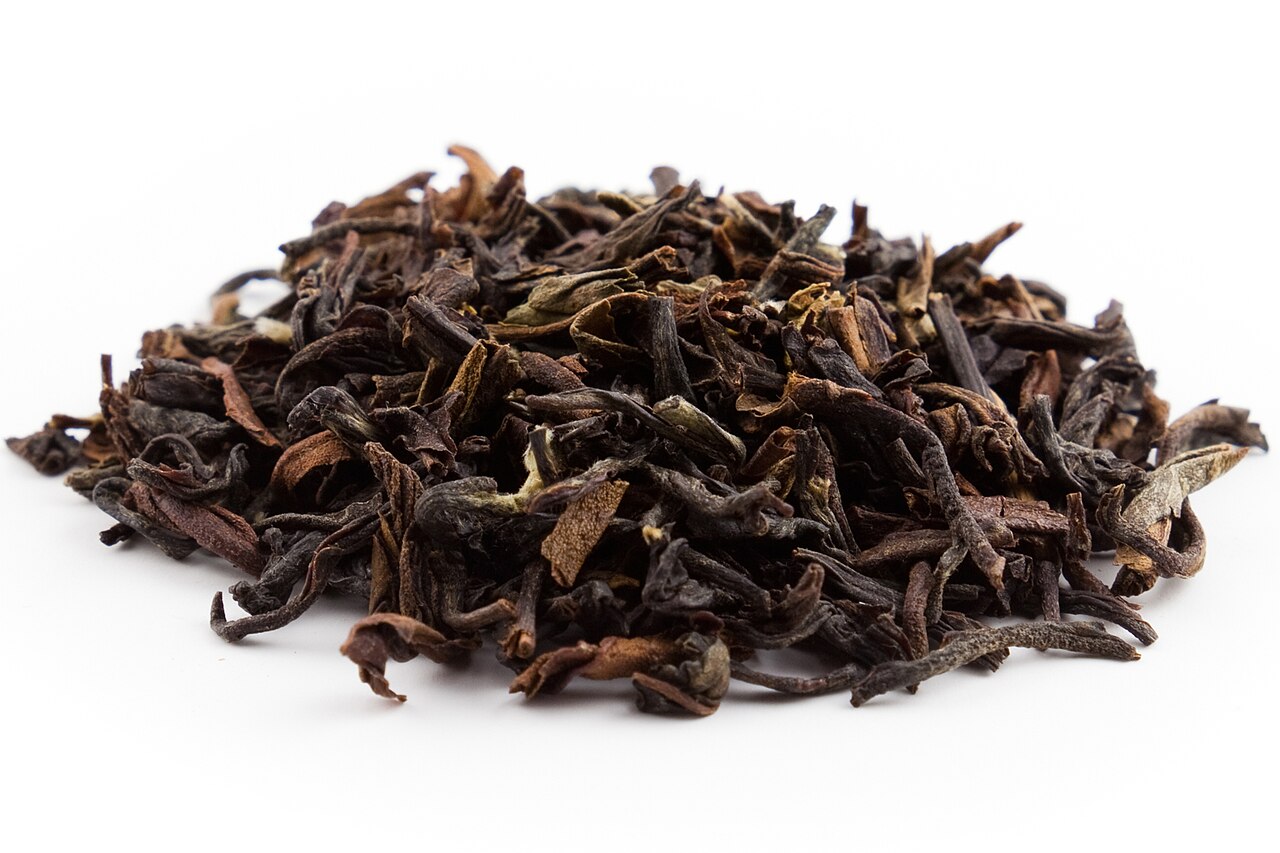
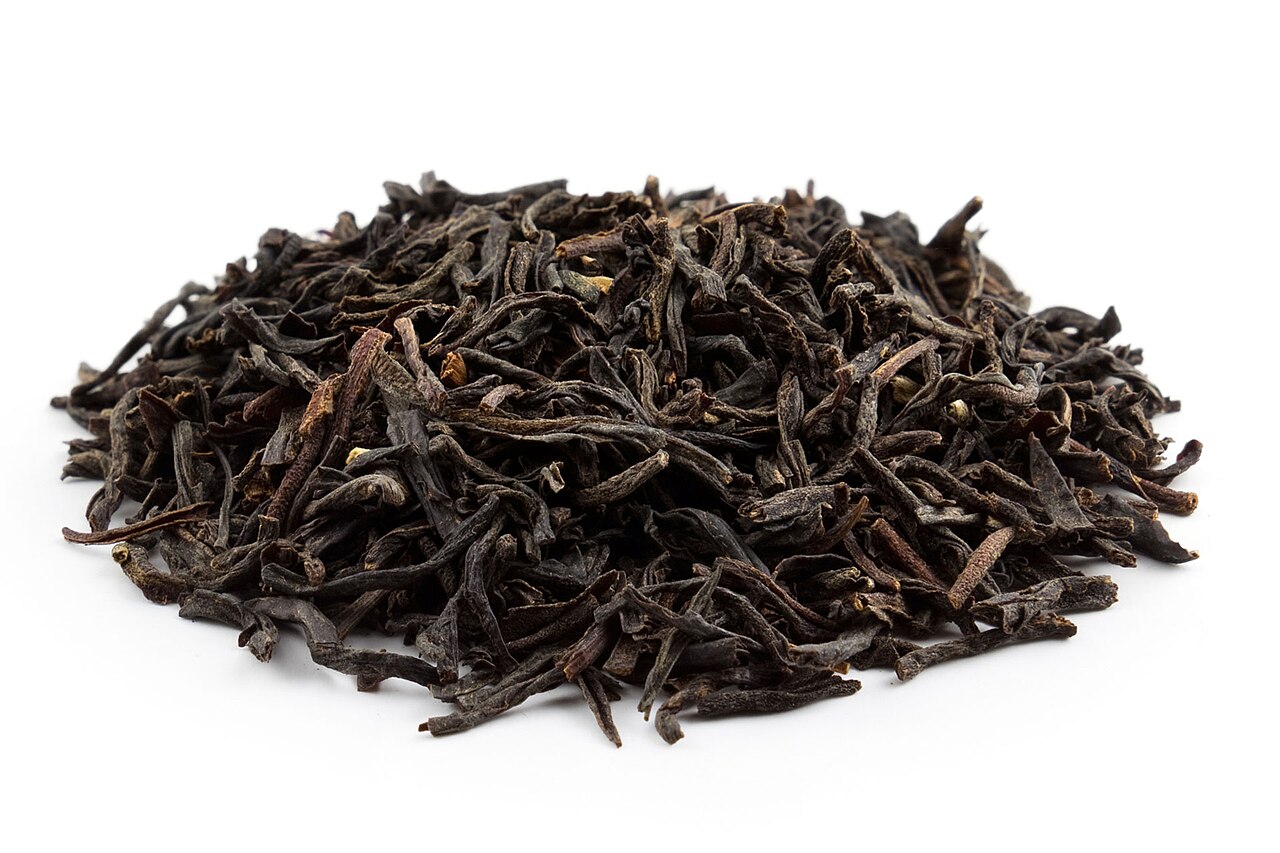
Darjeeling uses orthodox whole-leaf processing: wither, roll, oxidise, dry, sort. Oxidation is usually lighter than in Assam, because the aim is to keep the floral lift and brightness rather than build density. Rolling should be gentle to avoid broken leaf; oxidation should be steady so flowers do not turn into a stewed note; drying must be prompt to lock in the volatile aroma.
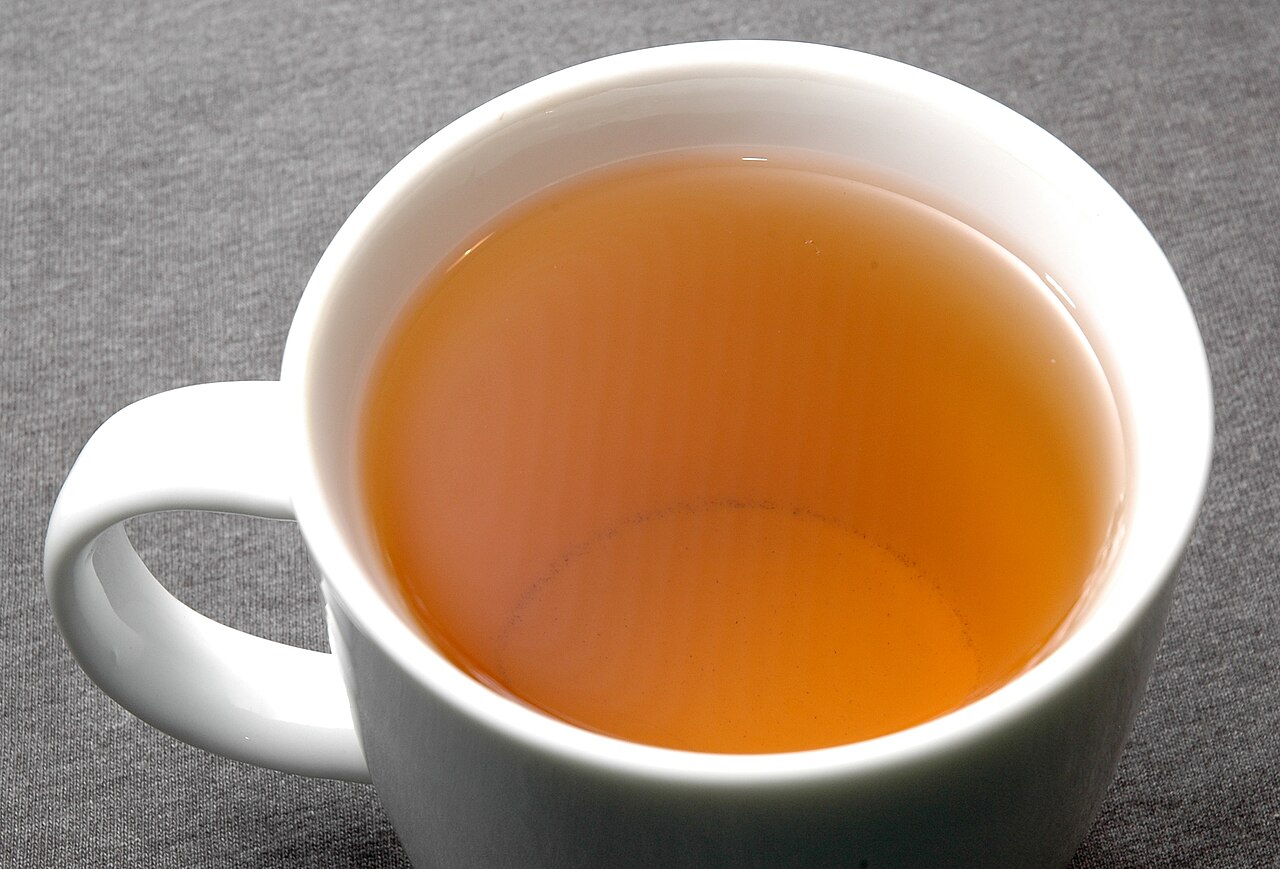
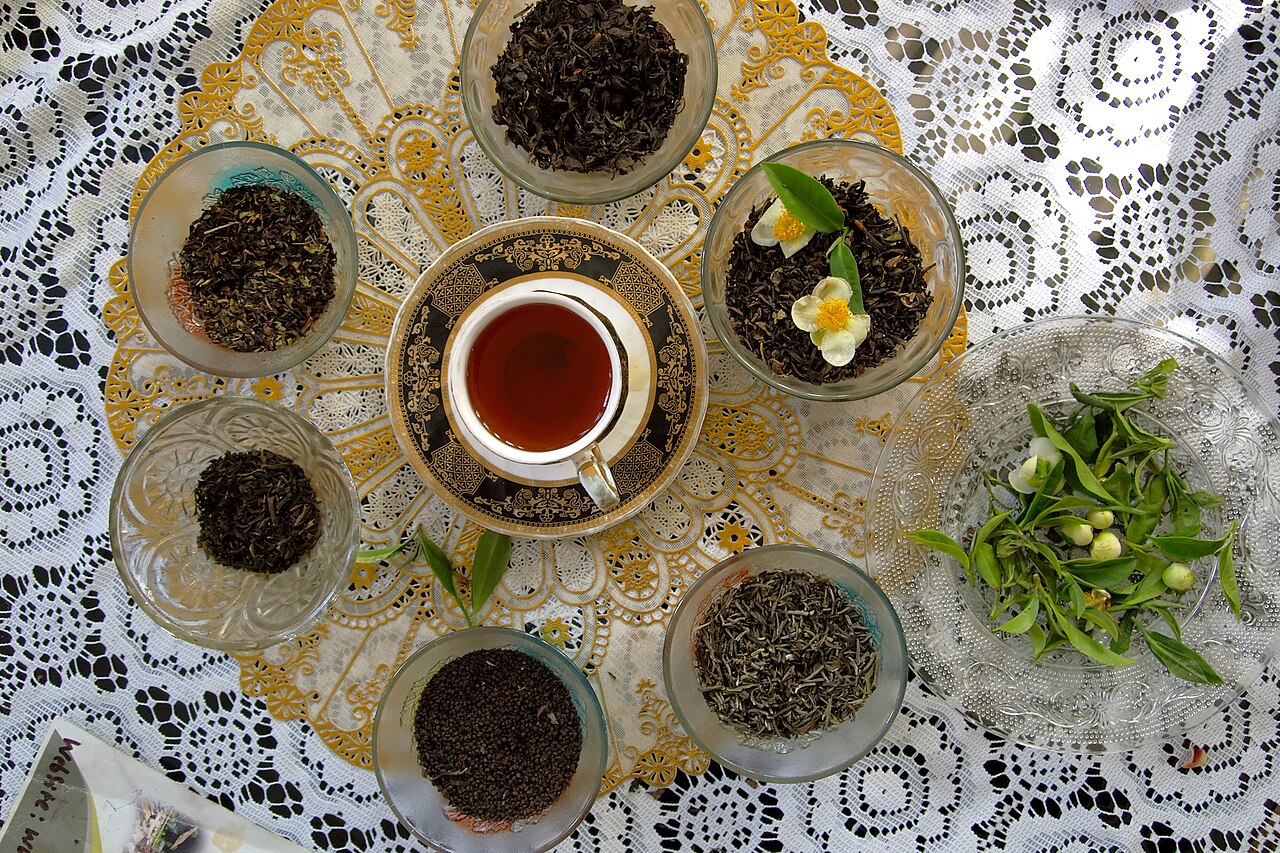
The Tea Board describes the liquor as pale lemon to rich amber, with mellow, smooth, round, delicate, mature, sweet, lively, dry and brisk qualities. In plain language: the colour need not be dark, but it must be bright; the aroma must be clean and layered; the entry must be soft but not empty; the finish must have a lively dryness, not bitterness.
“Muscatel” is not added grape flavour. It is a composite note resembling ripe white grapes, honey and flowers, mostly found in second flush. It has its own page.
Brewing and buying
Brewing:
- Plain, mostly. 90–95°C, 3 g per 200 ml, 2.5–3.5 minutes. First flush can take 85–90°C and 2–3 minutes to protect the fresh aroma.
- Do not over-steep. Darjeeling’s tannin is not heavy, but a long steep turns fine flowers into a coarse, stewed cup.
- No milk. Traditional Darjeeling is drunk plain; milk covers the flowers and muscatel. If you want milk tea, choose a stronger second-flush or autumn lot.
- Vessel. White porcelain or glass shows the colour; avoid a pot with a strong residual smell.
Buying:
- Official mark and licence number. Confirm 100% Darjeeling, not a “Darjeeling-style” blend.
- Flush. First, second and autumn are different drinks.
- Garden. A single-garden lot is more informative than a generic origin.
- Year and freshness. Darjeeling is best within about a year, while the bright aroma lasts.
History and industry
Commercial planting began in the mid-nineteenth century. The Indian Tea Association records Chinese seed arriving in 1841, commercial cultivation around 1853, and 113 gardens by 1874. In the twentieth century Darjeeling became a byword for fine black tea in Britain and Europe; after independence in 1947, ownership gradually localised. India granted GI protection in 1999, and the EU registered Darjeeling as a PGI in 2011. The Board now lists 87 registered gardens. Production and auction prices vary by year; this page does not quote unverified specific figures.
Sources and status
This page relies on the Tea Board’s Darjeeling page, the Tea Board certification page and the WIPO-hosted GI material. They support geography and flavour, the GI definition, and the flush calendar respectively. Legacy claims — “tea of champagne” as a trade nickname may remain, but “imperial tribute”, “collector grade”, “royal exclusive”, the “snow lotus fairy” legend and unverified auction prices — have been removed. All migrated pages are currently marked reviewed, but sources and wording will continue to be revised.