First, what it is not
“Darjeeling Muscatel” is not a sub-region, a cultivar, a farm or a fixed product. It is a tasting term: a composite aroma resembling ripe white grapes, honey, flowers and a little warm wood. The WIPO GI material lists muscatel among Darjeeling’s flavour characteristics and ties it to second flush, with purplish leaf and a bright, full, round, fruity liquor.
So when a pack says “Muscatel”, do not read it as a garden, grade or vintage. It is closer to “floral” or “fruity” — a sensory word used heavily in the Darjeeling trade.
When it appears
Muscatel is most often found in second flush, the May–June picking. The leaf is more mature than first flush, oxidation can go a little deeper, and the aroma shifts from fresh flowers to ripe fruit, honey and muscatel. Some autumn flush (October–November) can carry a similar but deeper fruit note, though usually less bright than a good second flush.
It is not guaranteed. In the same garden, different years, plots, picking dates and oxidation decisions change the muscatel intensity. Cool weather, heavy rain, early picking or over-oxidation can all erase it. Because it depends on conditions, the market easily ends up with “Muscatel” labels that do not deliver the note.
How to recognise it
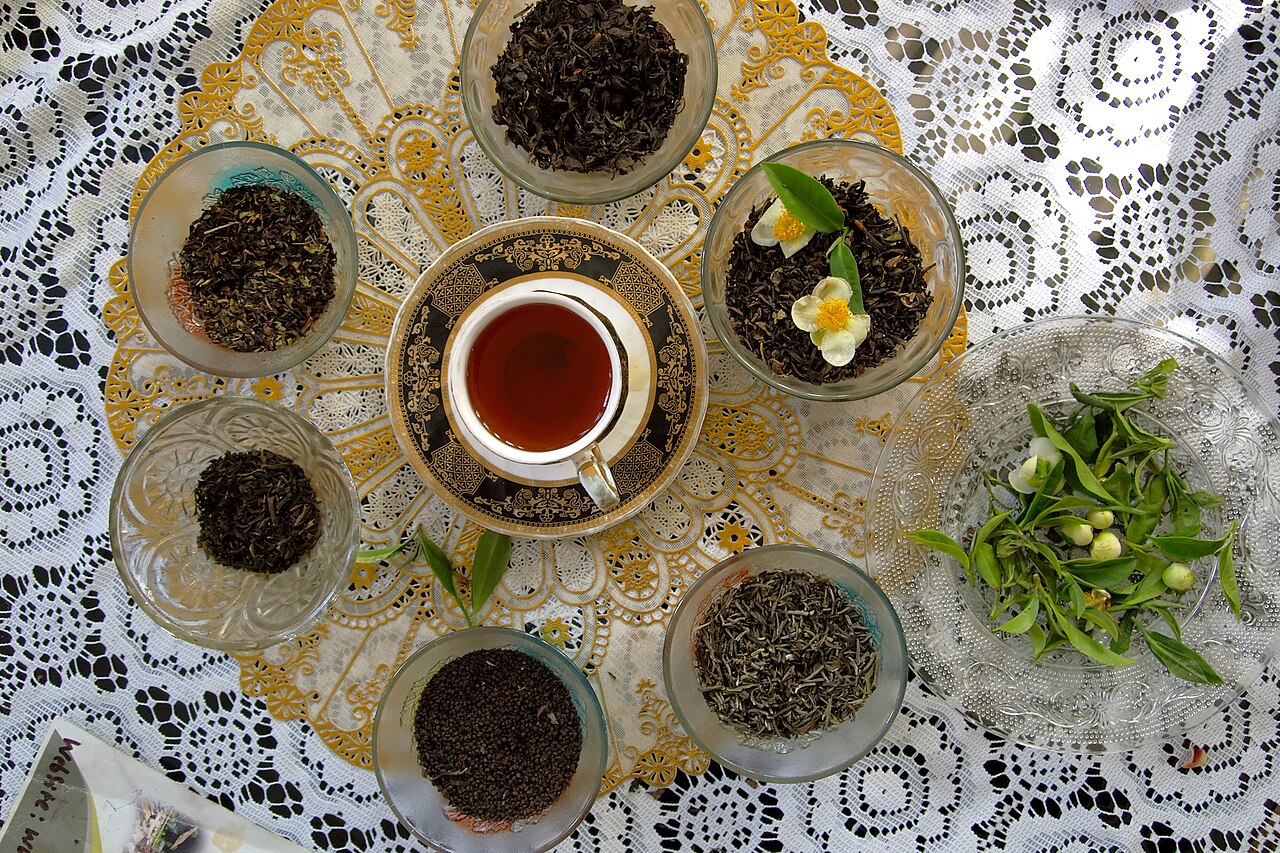
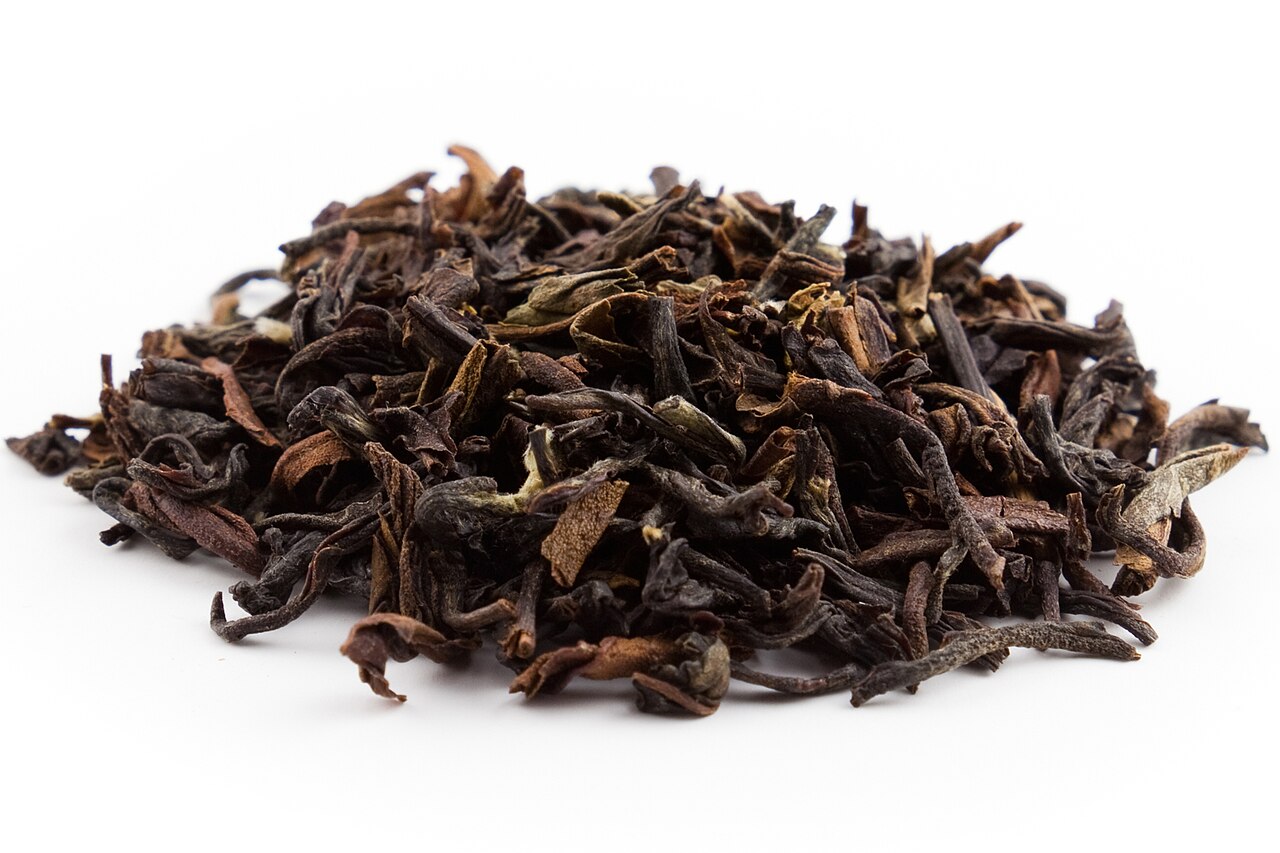
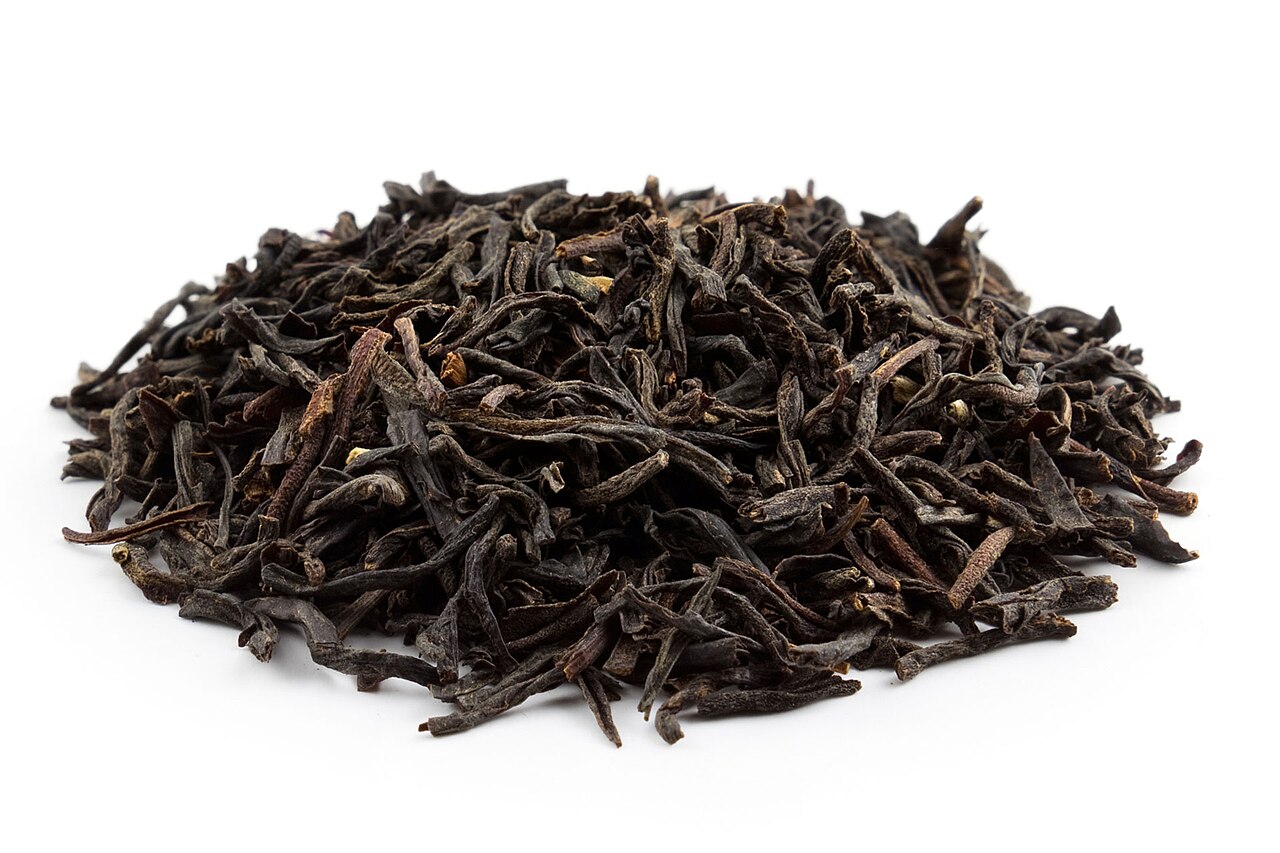
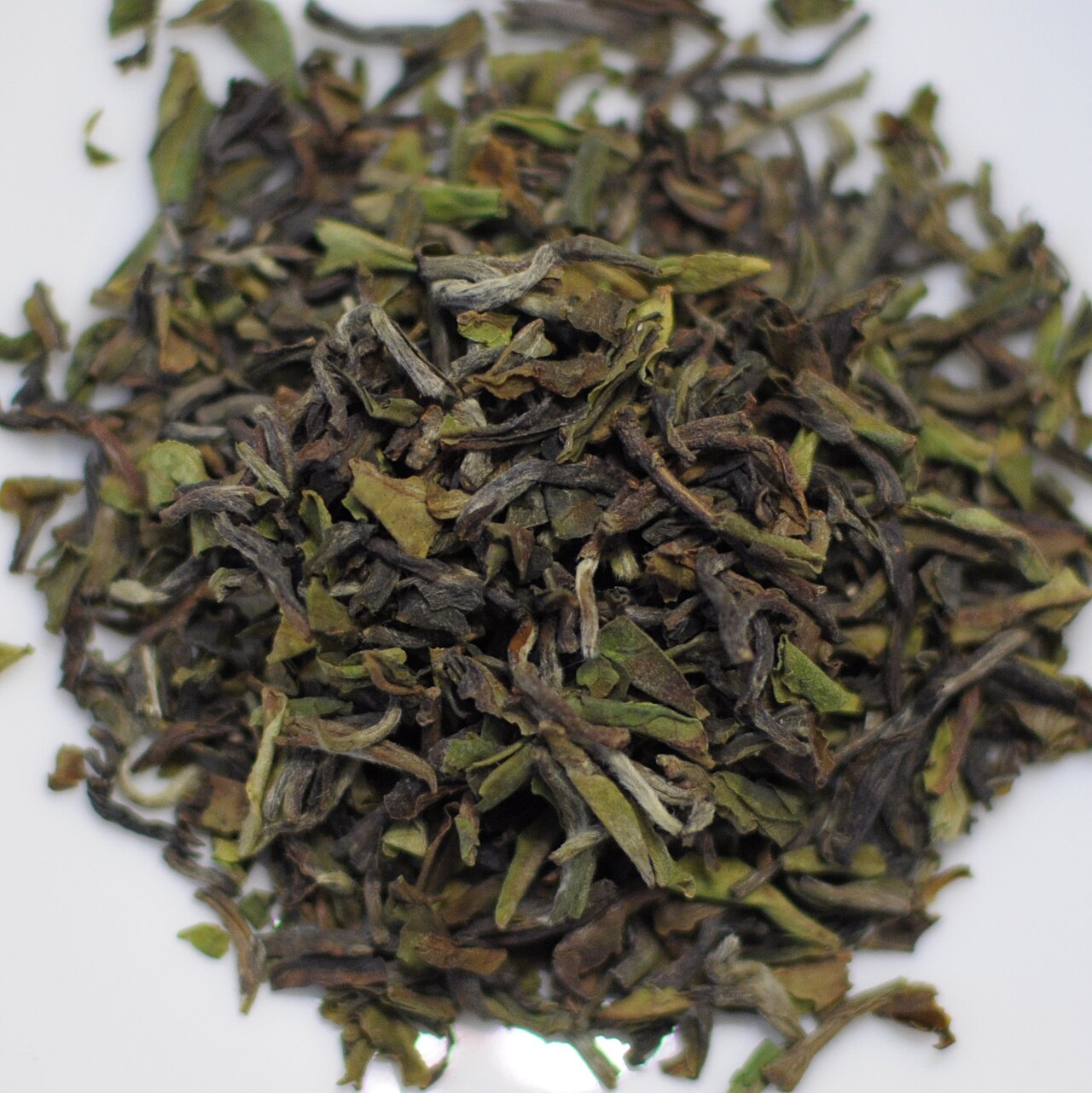
Start with dry leaf: second-flush muscatel lots often show a purple-copper sheen, a tight strip and some golden tips. Then the liquor: bright amber-gold, not dark red or cloudy. Then the nose:
- Natural: ripe white grape, honey, flowers and ripe peach, changing with temperature.
- Artificial: grape candy, flavouring or a flat single sweetness, with no matching body in the mouth.
- Fake muscatel: the dry leaf smells strongly, but the aroma collapses in the cup and the liquor is thin, empty or astringent.
Real muscatel connects nose, liquor and finish. Aroma without body suggests flavouring or blending; body without fruit suggests ordinary strong black tea.
Processing and origin
Muscatel is not made by adding anything. It comes from suitable leaf, moderate withering and rolling, controlled oxidation and prompt drying. Oxidation is the hinge: too little and the fruit does not develop; too much and it turns into a stewed, ordinary black tea. Drying must be fast or the volatile aroma escapes.
Several Darjeeling gardens can produce muscatel in a good year; it is not exclusive to Castleton. Castleton is often cited because of its history and market fame, but “the only true source” has no support. Buy by garden, picking date and lot rather than by a single name.
Brewing
- Water: 90–95°C. A hard boil coarsens the fine fruit.
- Leaf: 3–3.5 g per 200 ml.
- Time: about 3 minutes for the first infusion, 3–4 for the second.
- Vessel: white porcelain gaiwan or teapot; make sure it has no lingering coffee or spice smell.
- No milk. Muscatel is a fine aroma and milk covers it. If you want milk tea, choose a stronger ordinary second flush rather than chasing muscatel.
If the first infusion smells lovely and the second suddenly goes empty, the leaf may simply carry little aroma, or you used too little tea. Try more leaf and slightly cooler water.
Market myths
Muscatel often carries a price premium. Treat these claims with care:
- “Only Castleton has real muscatel.” False. Several gardens can make it, with different strength and style.
- “Muscatel is an official grade.” False. It is a sensory descriptor, not a grade like SFTGFOP1.
- “Older is better.” False. Darjeeling’s fine aroma does not improve with long ageing; drink within about a year.
- “Stronger aroma means better tea.” False. The aroma should be natural and layered, and matched by body.
Legacy claims — “a 1903 Calcutta auction broke ten pounds per pound”, “only 120–180 kg a year”, “served in a Tokyo hotel’s signature suite”, “protected EU geographical coordinates” — are not supported by the sources used here and are not repeated. What is solid: muscatel is a typical second-flush note, and Darjeeling tea is subject to GI sensory review.
Sources and status
This page relies on the Tea Board’s Darjeeling page, the WIPO-hosted GI material and the Tea Board certification page. They support regional background, the muscatel definition and flush association, and sensory review under the GI. Legacy claims such as “liquid diamond”, “olfactory Baroque”, “Castleton is the only source”, and specific auction prices and output figures have been removed. All migrated pages are currently marked reviewed, but sources and wording will continue to be revised.