What it is
Keemun, often shortened to “Qihong”, is a congou black tea from the Qimen area of Anhui. “Keemun aroma” is its best-known feature, usually described as a combination of floral, fruity and honey notes rather than an added flavour. Under GB/T 13738.2-2017, Keemun is a congou black tea; the specific product still depends on origin, grade, material and the declared standard.
Origin and cultivar
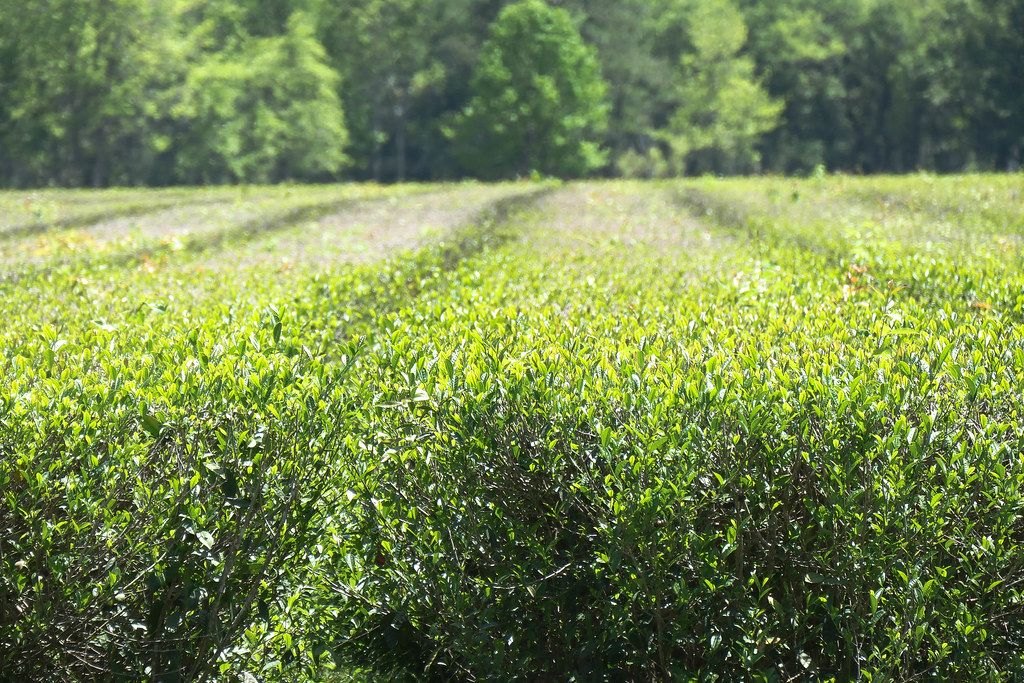
Qimen County lies in southern Anhui; Likao, Shanli and Pingli are often named as traditional core production areas. The local small- and medium-leaf population, often called Qimen Zhuye cultivar, has relatively tender leaves and is one of the material foundations for Keemun’s aroma and taste. Black tea is also produced outside Qimen, but “Keemun black tea” as a geographical indication or local brand has origin requirements. Check origin, standard and producer on the label, not only the name “Qihong”.
Processing
Keemun uses congou black-tea processing: withering, rolling, fermentation and drying, followed by sieving, winnowing, picking, blending and other refining steps. “Congou” refers to both the initial processing and the labour-intensive refining and grading. Fermentation level, drying heat and blending affect aroma and body. Traditional charcoal baking may give a sweeter aroma, but not every product is charcoal-baked.
Quality and flavour
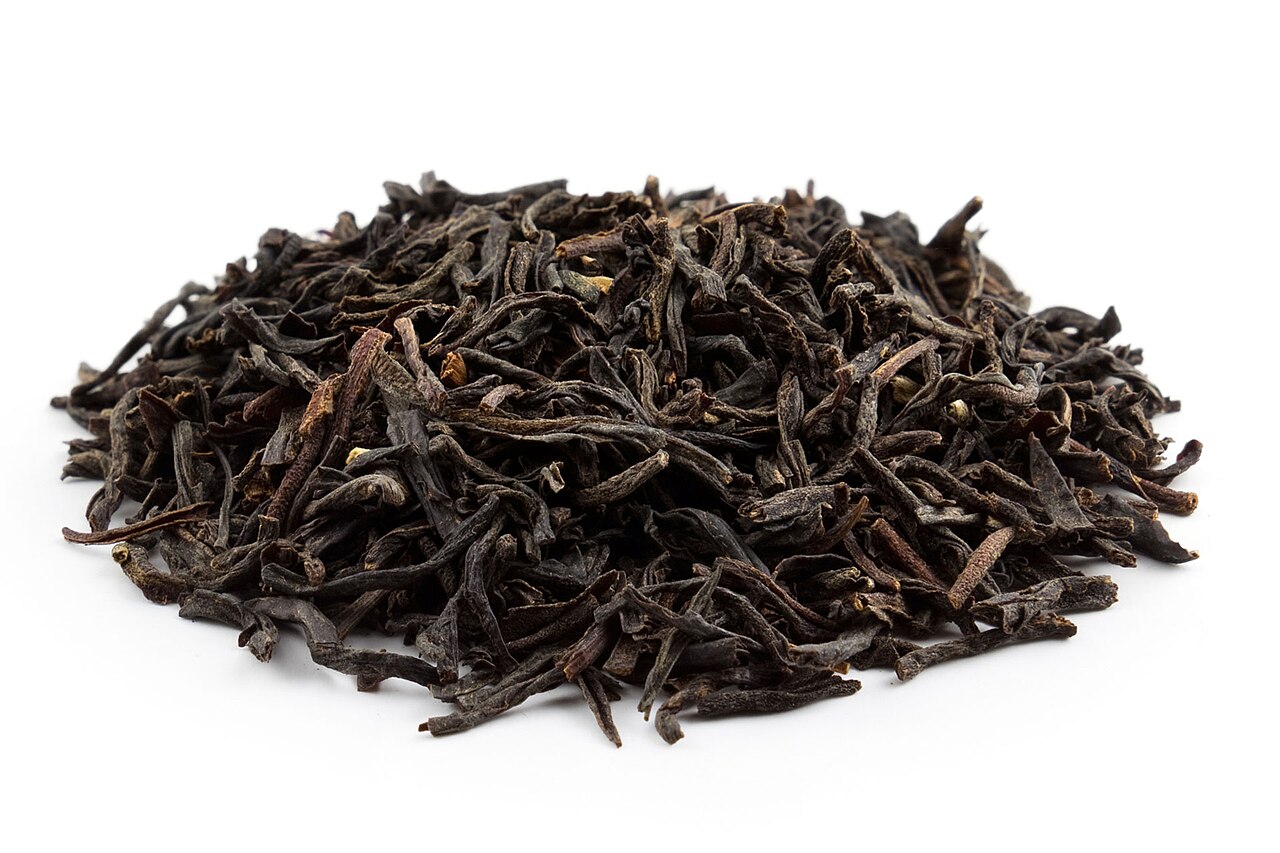
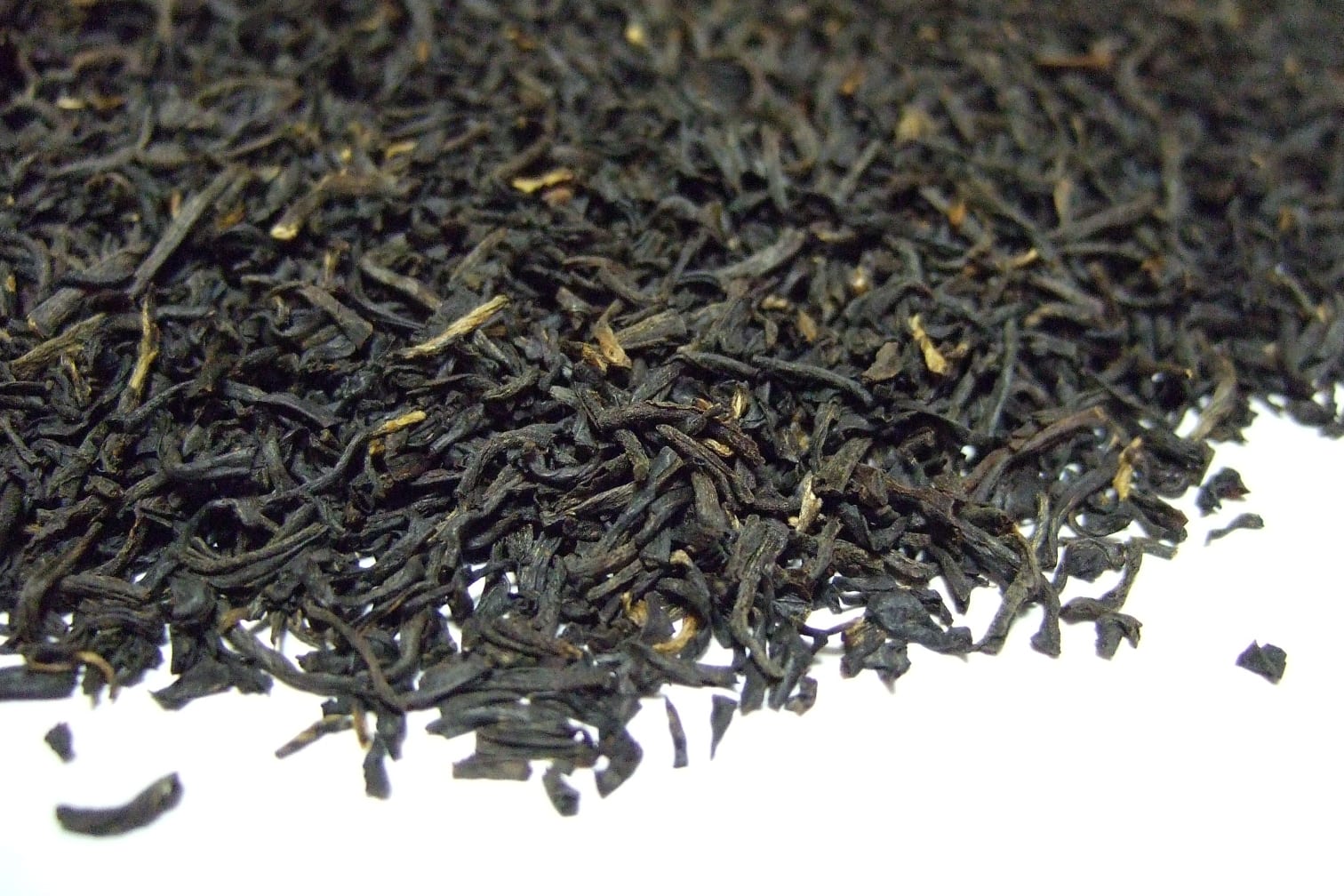
Dry leaves are fine and tight, dark and glossy, sometimes with golden tips. The liquor is bright red, with floral, fruity and honey aromas and a fresh, mellow taste and finish. The fineness and intensity of Keemun aroma vary greatly with origin, cultivar, picking season, fermentation and baking. “Keemun aroma” cannot be reduced to one compound or a fixed recipe.
History and boundaries
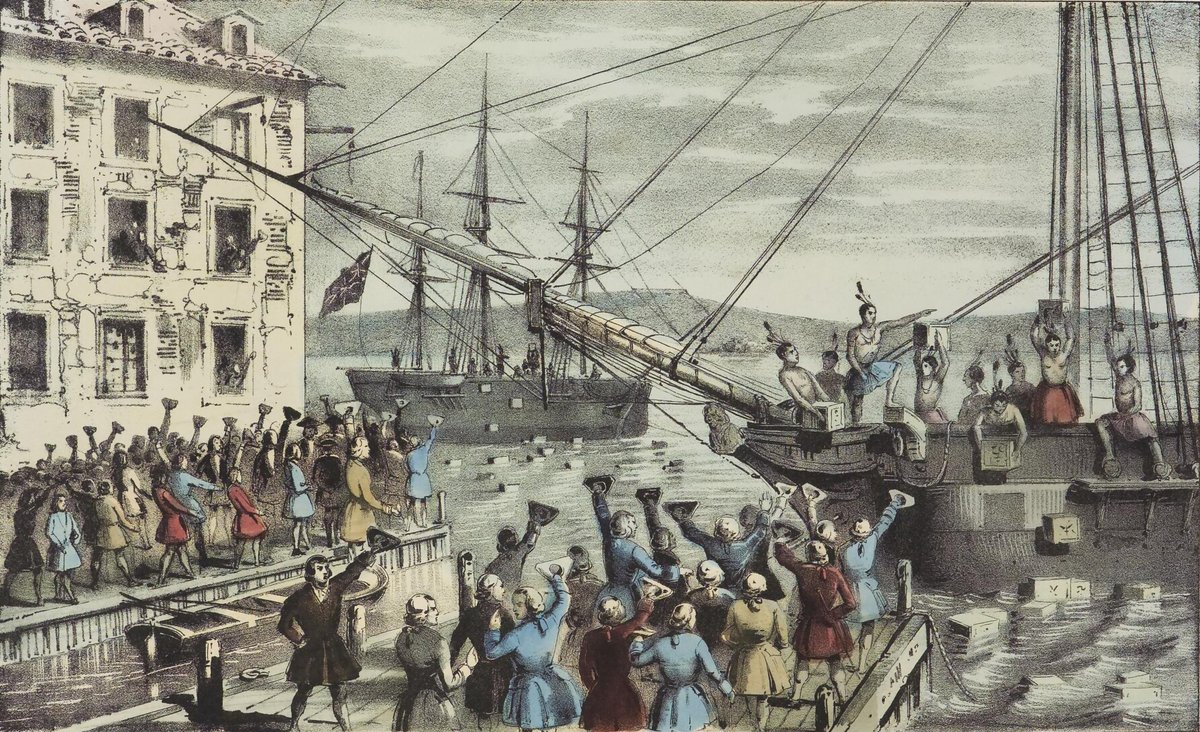
Legacy sources say Keemun was created in the late Qing and mention a 1915 Panama exposition award and British royal use. These stories are widely repeated, but the exact year, person and award details still need verification in local gazetteers, archives and research. What is clear is that Keemun played an important role in modern Chinese black-tea exports and Anhui’s tea industry. “One of the world’s three high-aroma black teas” is a market comparison, not a statutory grade.
Common misconceptions
- Keemun aroma is not added perfume. It comes from cultivar, origin and processing.
- Not every Keemun is the same grade. Congou black tea has grades and sensory requirements; GI products also have origin requirements.
- “Three high-aroma black teas” is not a legal grade. It is a market phrase; the declared standard and testing still matter.
- Darker liquor is not always better. Fermentation, baking and brewing affect colour; aroma, taste and cleanliness matter more.
Sources
- GB/T 13738.2-2017 Black tea — Part 2: Congou black tea — Current Chinese national standard for congou black tea, including classification, requirements, testing and labelling.
This page is an AI-edited translation based on the reviewed Chinese source. It is not a human-expert endorsement; the national standard and listed sources bound the product claims, while historical details remain subject to archival confirmation.