Scope
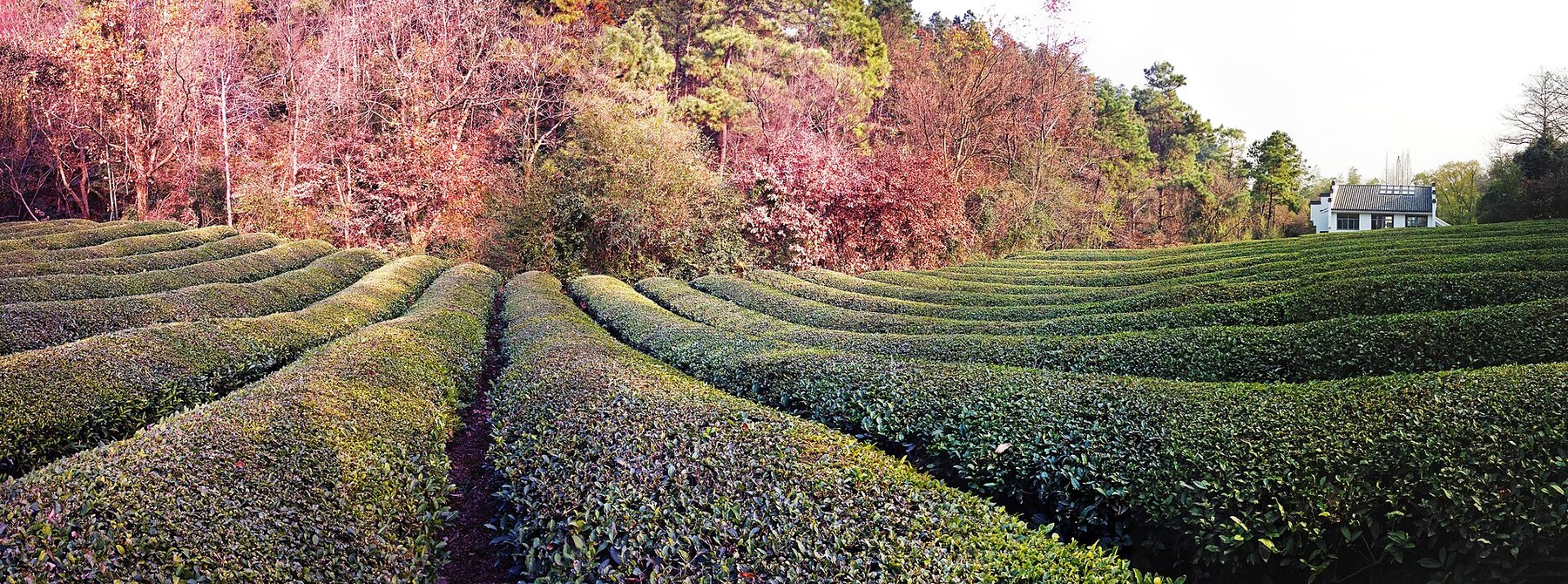
Anhui lies between the Yangtze and Huai rivers. Its tea gardens are concentrated south of the Huai, in the mountains of southern Anhui, the Dabie Mountains of western Anhui and the hills along the Yangtze. In 2024 the province maintained 3.2 million mu of tea gardens and produced 181,000 tonnes of made tea worth RMB 23.9 billion; tea is grown across 10 municipalities and 56 counties. Export volume and value have long ranked second and third nationally. Anhui is not a one-note green-tea province: Huangshan Maofeng, Liuan Guapian, Taiping Houkui and Keemun black tea sit alongside Huoshan Huangya, Huoshan Huangdacha, Jingting Green Snow and Yongxi Huoqing.
Geography and terroir
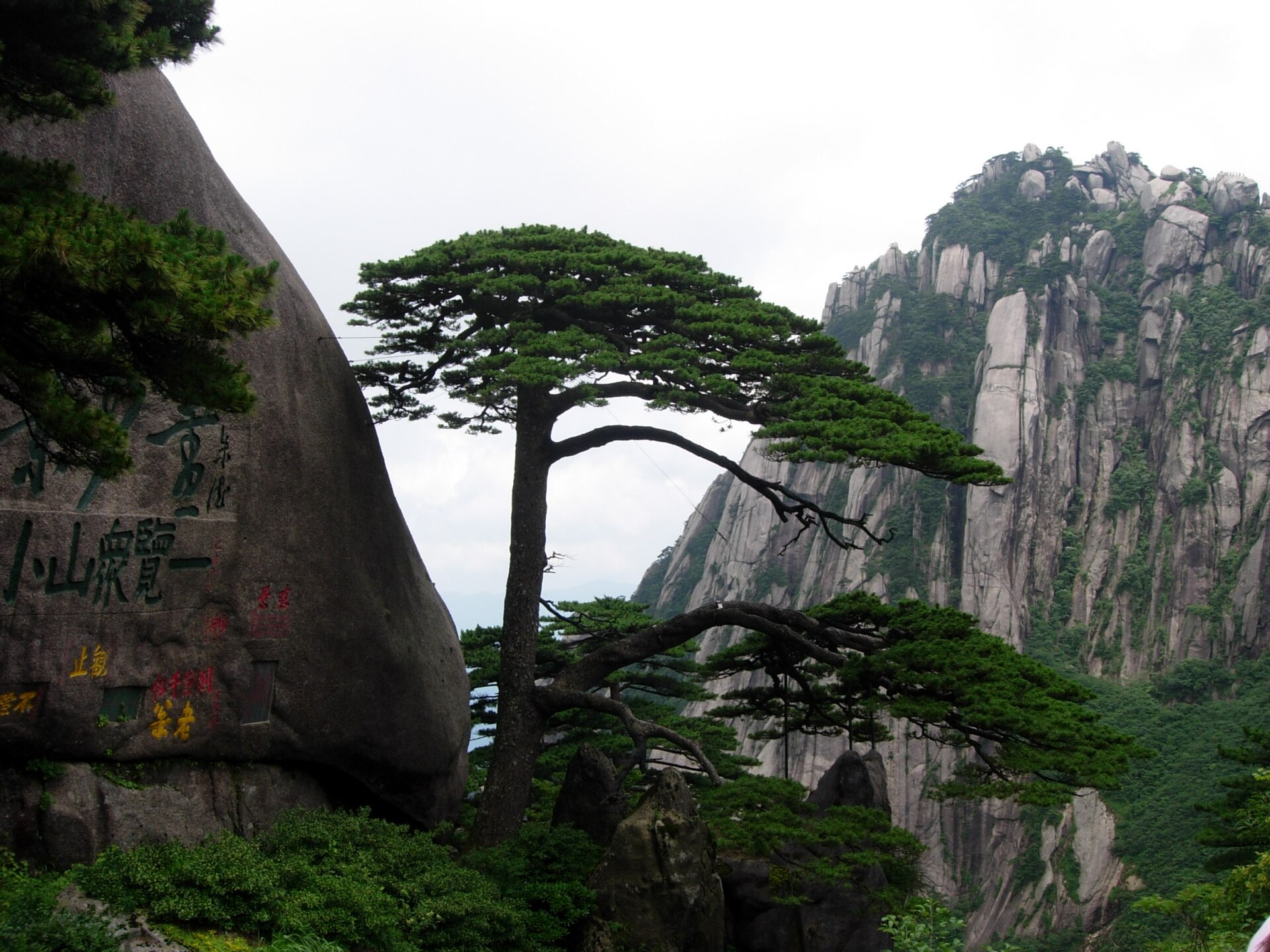
Southern Anhui is dominated by the Huangshan, Jiuhua and Qiyun mountains and the Xin'an River basin, with tea gardens on lower slopes and in intermontane basins. The Dabie Mountains run through Lu'an and Anqing, where altitude and aspect vary sharply. The riverine hills near Wuhu, Hefei and Chuzhou sit closer to major markets. The climate is subtropical monsoonal: springs warm quickly and turn wet, summers are hot and humid, and autumns cool down. Red, yellow and yellow-brown soils dominate, and slope drainage and spring mist are common terroir factors. Aspect, shade, soil and farm management still differ from garden to garden; "high mountain and cloud mist" alone explains little.
Main tea areas
- Huangshan–Taiping–Qimen: the core of Huangshan Maofeng, Taiping Houkui and Keemun black tea, and the protected geographical areas for Maofeng and Keemun.
- Lu'an–Huoshan–Jinzhai: Liuan Guapian, Huoshan Huangya, Huoshan Huangdacha and the yellow teas of western Anhui, with many gardens at higher elevations in the Dabie Mountains.
- Xuancheng–Langxi–Guangde: Jingting Green Snow, Yongxi Huoqing and Guangde Huangjinya.
- Chizhou–Anqing–Tongling: green and black teas around Jiuhua Mountain, Xiaokeng and Yuexi, where mountain tea gardens overlap with Buddhist tea culture.
- Riverine hills: green and reprocessed teas near Wuhu, Hefei and Chuzhou, close to consumers.
Tea types and processing
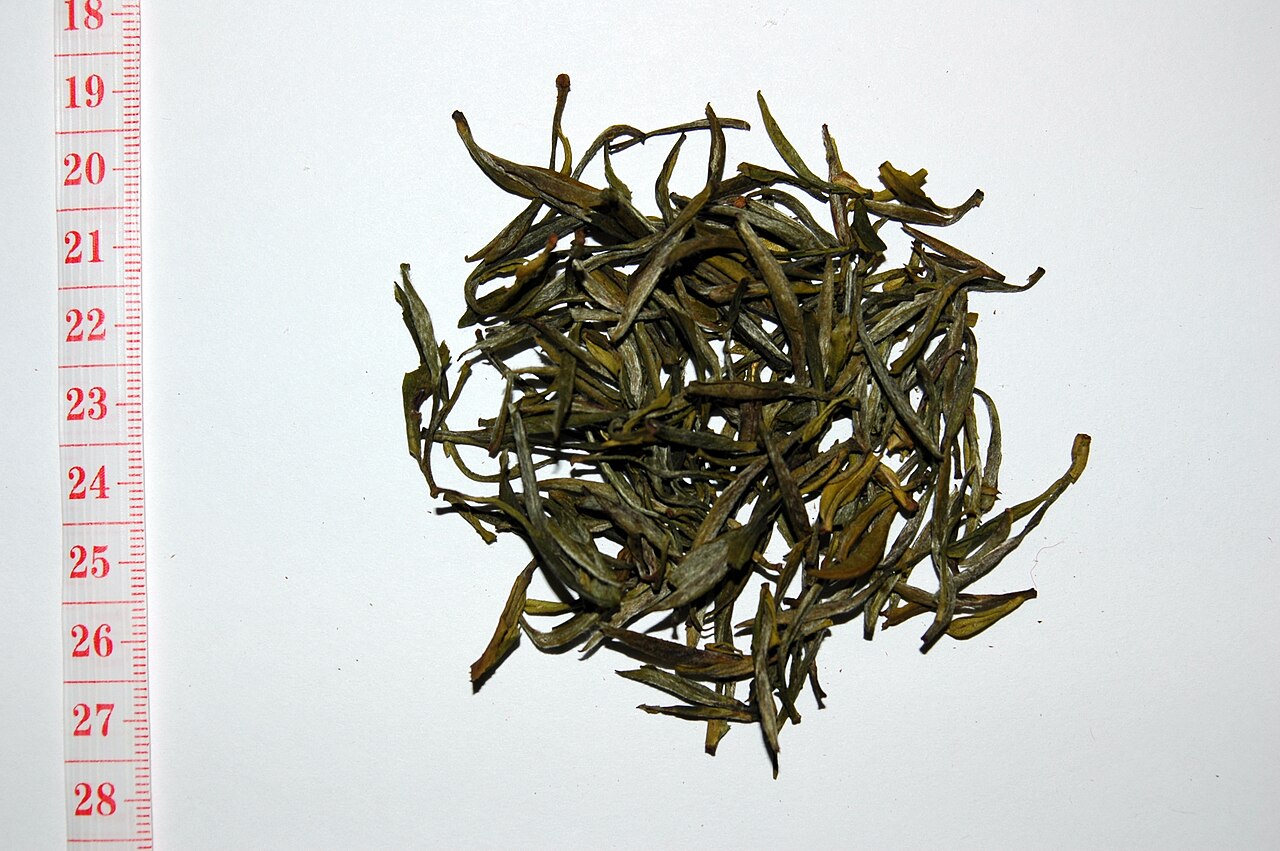
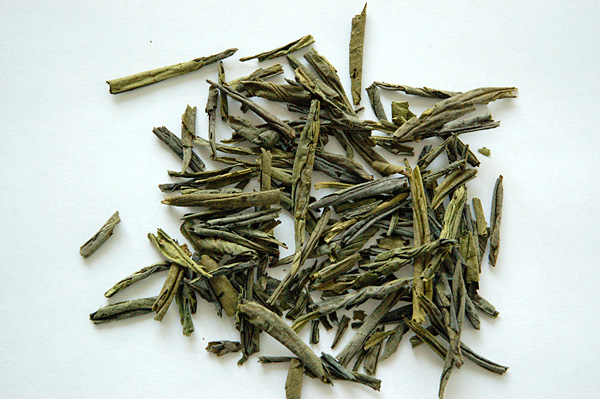
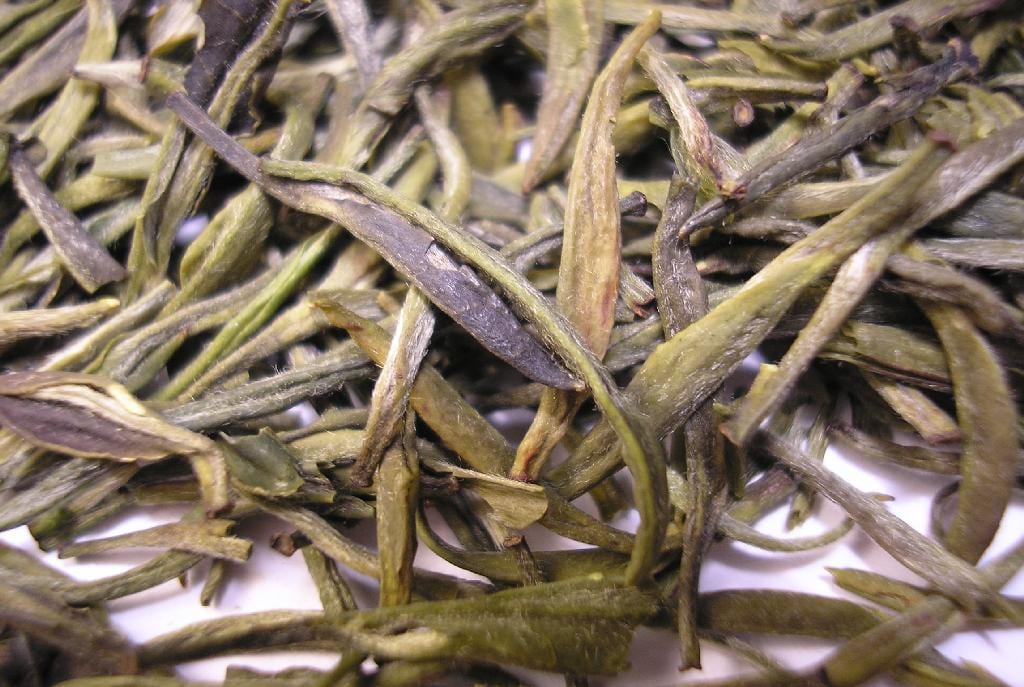
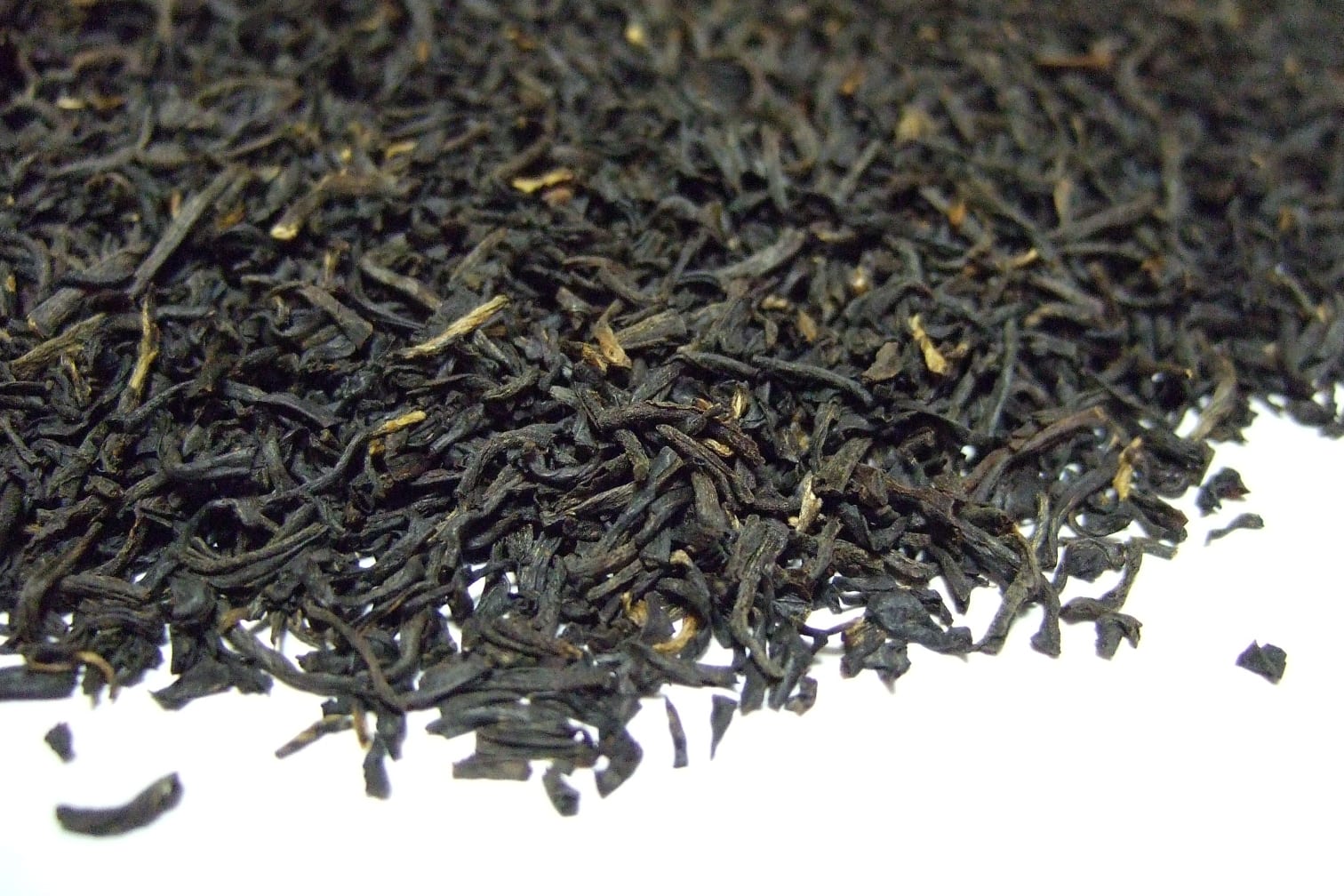
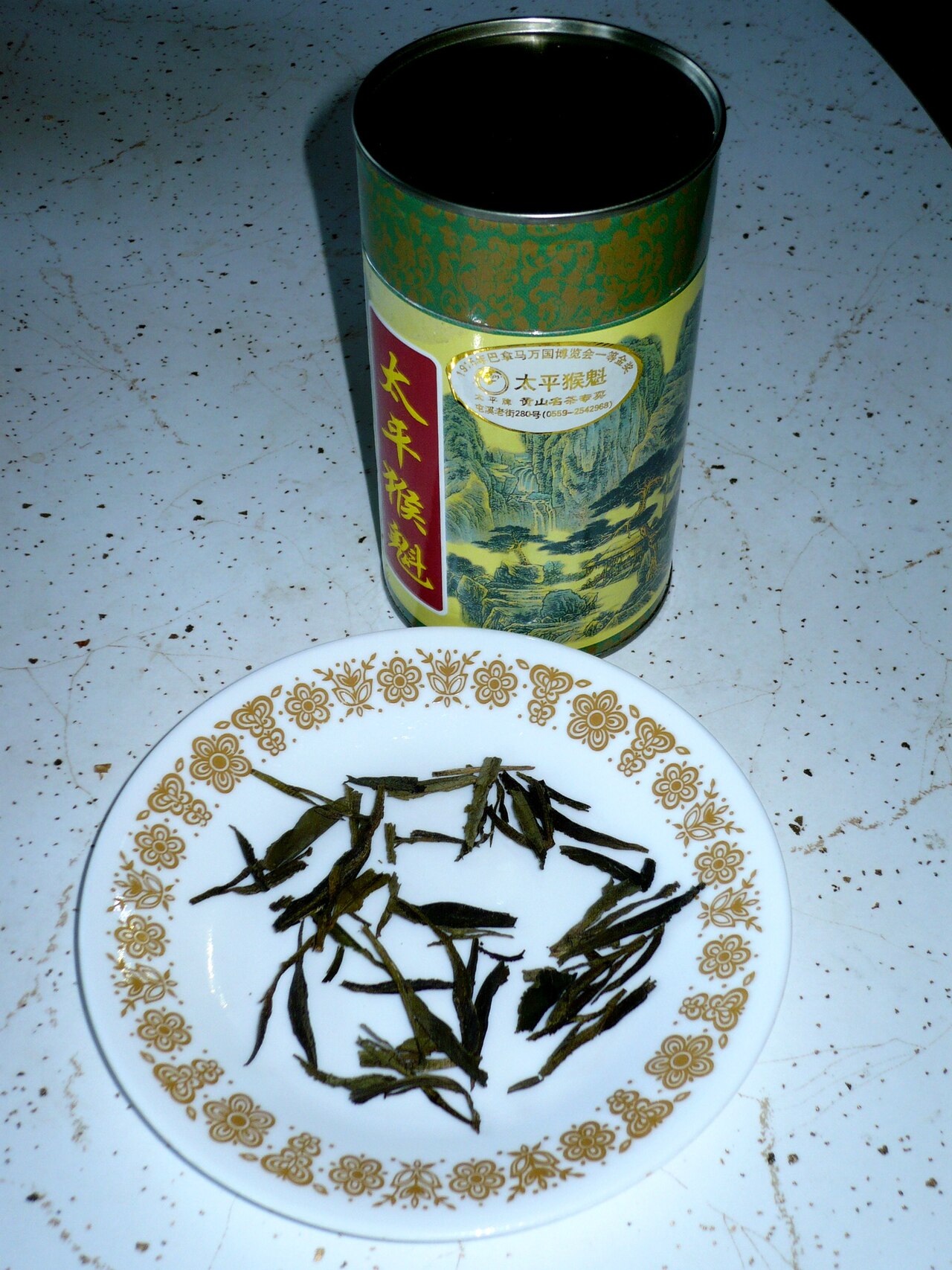
Green tea dominates, but yellow and black teas are equally distinctive. Huangshan Maofeng uses fine buds and leaves, light rolling and drying; the dry leaf is slightly curled and shows white down. Liuan Guapian is a leaf-only green tea that avoids buds and stems and relies on a stronger pan-firing. Taiping Houkui is pressed flat with two leaves holding one bud, hence the saying that both ends of Houkui are pointed. Huoshan Huangya and Huoshan Huangdacha develop yellow liquor and leaves through menhuang, a covered yellowing step. Keemun black tea uses the Zhuye cultivar and goes through withering, rolling, fermentation, drying and refining; its aroma is a blend of honey, flowers and fruit. Processing parameters change with origin, leaf grade and product grade, so no single temperature or timing fits every tea.
History and market
Lu Yu's Classic of Tea already recorded teas from Shouzhou and Shuzhou. During the Tang and Song, tea in southern Anhui expanded with the development of Huizhou and its Buddhist monastery networks; in the Ming and Qing, Huizhou merchants carried Anhui tea into the national market. Keemun black tea took shape in the late nineteenth century and entered export markets, while Huangshan Maofeng, Taiping Houkui and Liuan Guapian were standardized in the late Qing and early Republic. In 2024 the province's tea industry chain exceeded RMB 90 billion in output value. New-style tea drinks, tea tourism and brand building are expanding the market, but export volume, brand value and historical narrative are not interchangeable measures.
Common misunderstandings
- Anhui is not only green tea. Yellow tea, black tea and reprocessed teas are integral to the province.
- Huangshan Maofeng is not "all tea from Huangshan". Its protected area, cultivars and processing have clear boundaries.
- "Keemun aroma" is not a single added flavour. It is a composite of cultivar, processing and ageing, and varies greatly by grade.
- "High mountain and cloud mist" does not guarantee quality. Altitude, aspect, soil, picking and processing must be read together.
Representative teas
The working index contains 37 regional teas. Only the 6 that have passed the public gate are linked here; the rest remain in editorial review.
- Huangshan Maofeng
- Huoshan Huangya
- Jinshan Green Tea (Jinshan Shiyu)
- Lu'an Guapian
- Keemun black tea
- Taiping Houkui
Further reading and sources
Provincial statistics, industry layout and geographical-indication information are drawn from the sources below. Definitions, grades and processing for individual teas follow their own entries.