What it is
Huoshan Huangya is a yellow bud tea from Huoshan County, Anhui, made from fine young leaves through fixation, menhuang and drying. It is a yellow tea, not a green tea. Names such as “Huangjinya” and “Huangjinye” sometimes refer to cultivars or leaf colour; a name containing “yellow” does not make a tea Huoshan Huangya.
Origin
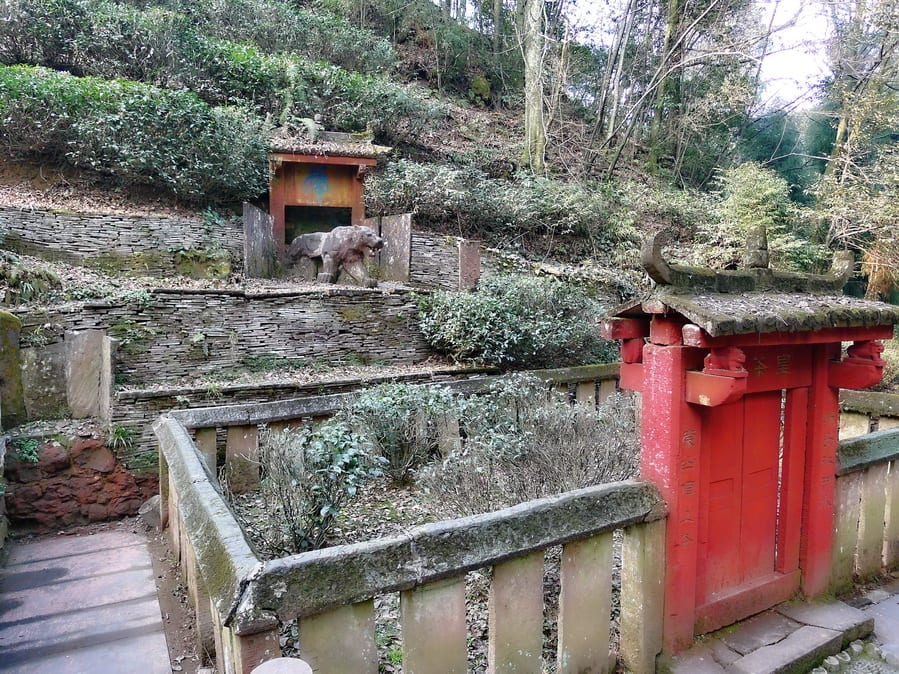
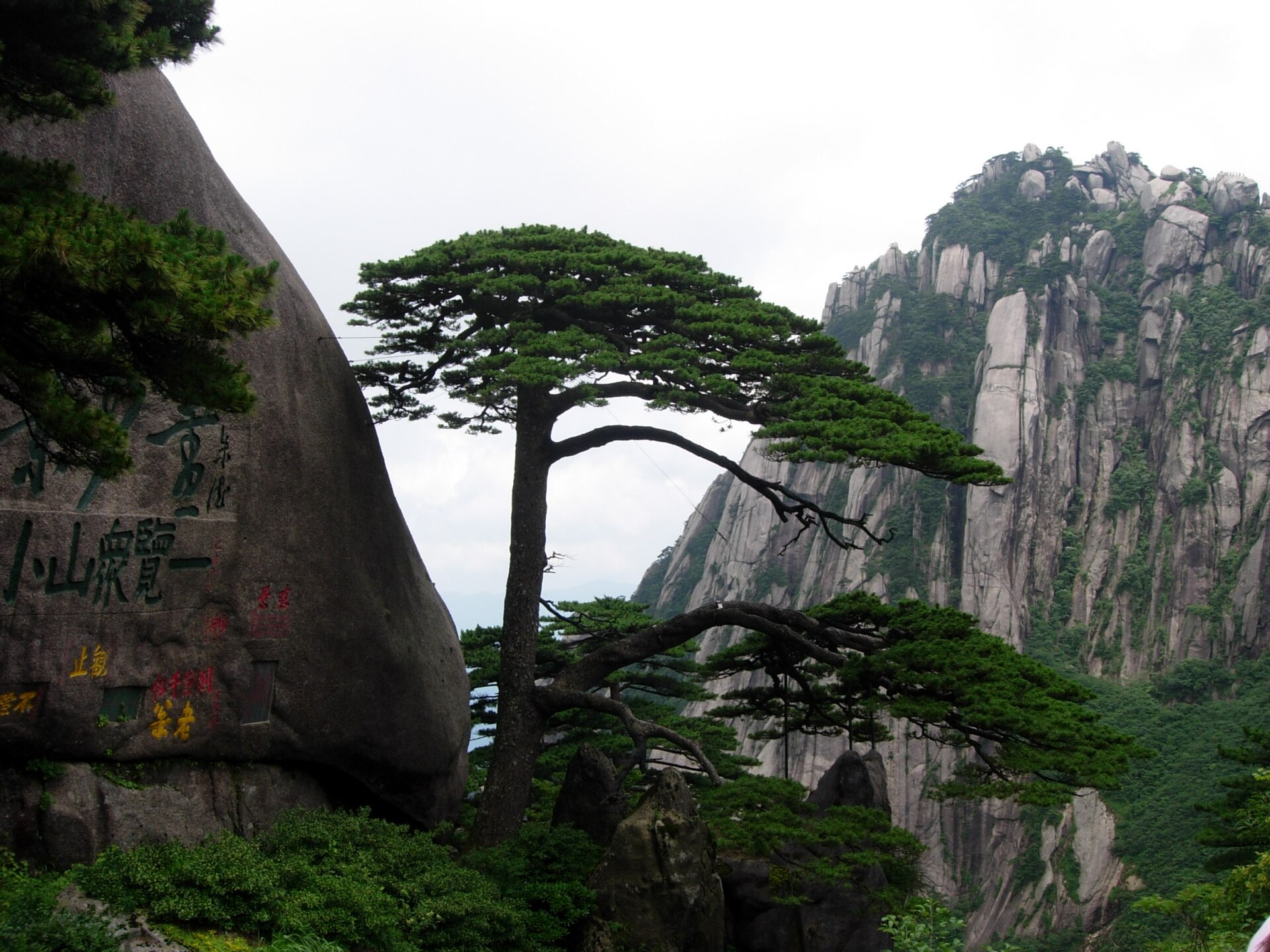
The GI area is linked to Huoshan County, with core gardens in Dahuaping, Foziling, Taiyang and other mountain townships. Altitude, mist, soil and temperature differences affect leaf growth, but “high mountain” is not automatically high quality; cultivar, picking, menhuang and drying matter equally. Check the protected area, GI usage rights and package label rather than relying on the name.
Material and processing
Huoshan Huangya traditionally picks one bud with one opening leaf or fine young shoots, fresh and even. Processing includes spreading, fixation, initial baking, menhuang, re-baking and final drying. Menhuang creates the yellow liquor and softer sweetness. DB34/T 319-2012 defines the product and quality requirements; GB/T 39592-2020 regulates yellow-tea processing. Producers differ in menhuang cycles, temperature and drying.
Quality and flavour
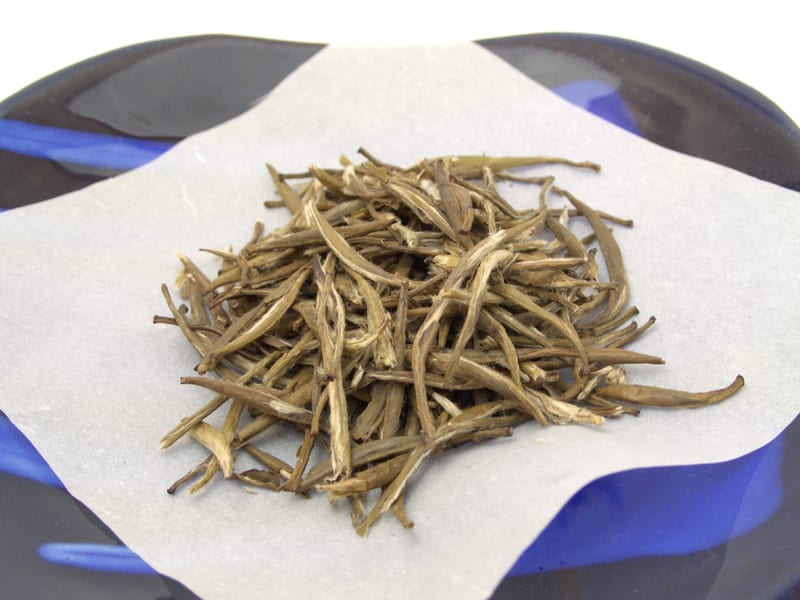
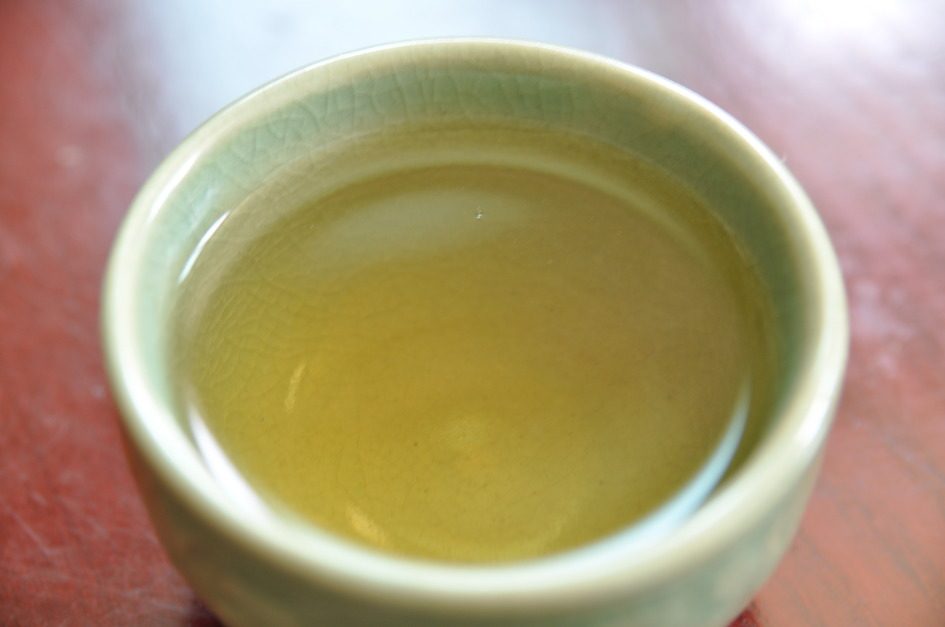
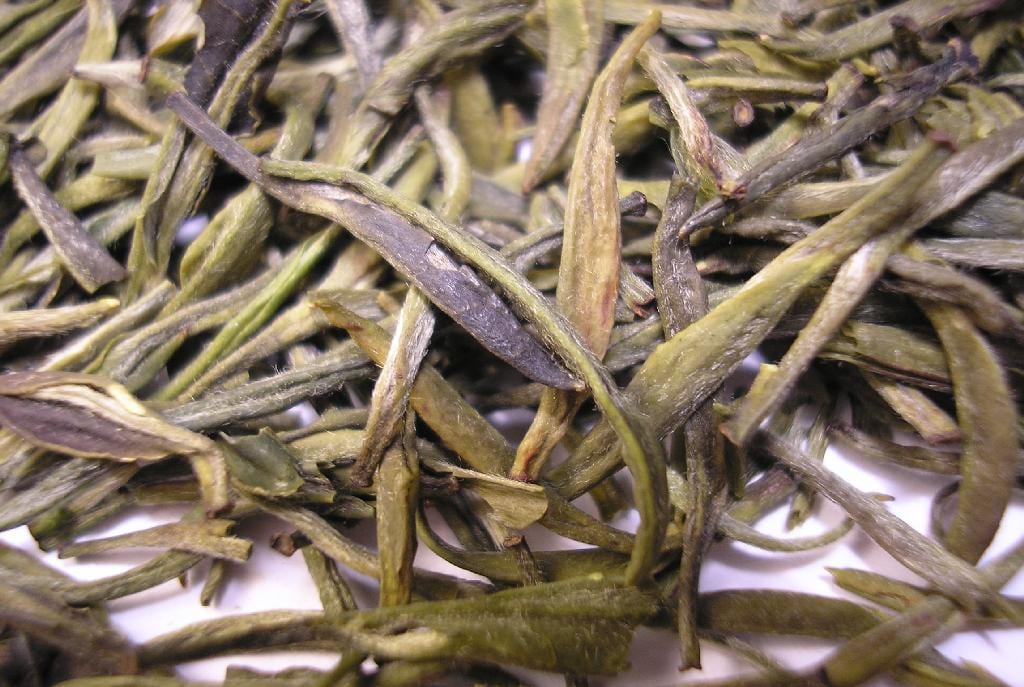
Dry tea is straight and slightly open, yellow-green to golden with visible down. Liquor is yellow-green to apricot-yellow and bright, with sweet, chestnut and tender aromas and a fresh, sweet finish with low bitterness. Compared with green tea, menhuang softens the aroma and sweetens the taste; compared with Junshan Yinzhen and Mengding Huangya, Huoshan Huangya has its own bud shape and local style. Grade and sensory indices should follow the declared standard.
Brewing
Use a glass or gaiwan with water around 85–90°C and short infusions. Fine buds should not be stewed; lower temperature and shorter decanting can increase sweetness. Adjust leaf quantity to vessel and taste.
History and boundaries
Western Anhui has a long tea history, with Tang–Song records of Huainan tea; the name, processing and tribute narratives of Huoshan Huangya changed through the Ming, Qing and modern periods. Old records mention 1970s production recovery and 2006 GI protection; these need checking against gazetteers, GI announcements and local standards. “Tribute tea” narratives are common for famous teas and cannot replace specific historical evidence.
Common misconceptions
- Huoshan Huangya is not a green tea. Menhuang is the key yellow-tea step.
- “Huangjinya” is not Huoshan Huangya. It often refers to a cultivar or yellow-leaf variety, not the GI product.
- Yellower leaves are not always better. Colour depends on cultivar, picking and processing; aroma, taste and cleanliness matter more.
- High mountain is not automatically high quality. Altitude is only one environmental factor.
Sources
- GB/T 21726-2018, Yellow tea.
- GB/T 39592-2020, Yellow tea processing technical specification.
- DB34/T 319-2012, Geographical indication product — Huoshan Huangya.
- Legacy Anhui tea record, retained for provenance.
This page is an AI-edited translation based on the reviewed Chinese source. It is not a human-expert endorsement.