What it is
Mengding Huangya is a yellow bud tea from the Mengding Mountain area of Ya’an, Sichuan, made from single buds or fine young material through fixation, menhuang and drying. It is a yellow tea, distinct from Mengding Ganlu, a green tea from the same area. Its yellow colour comes from menhuang and the raw material, not from simply letting green tea turn yellow.
Origin
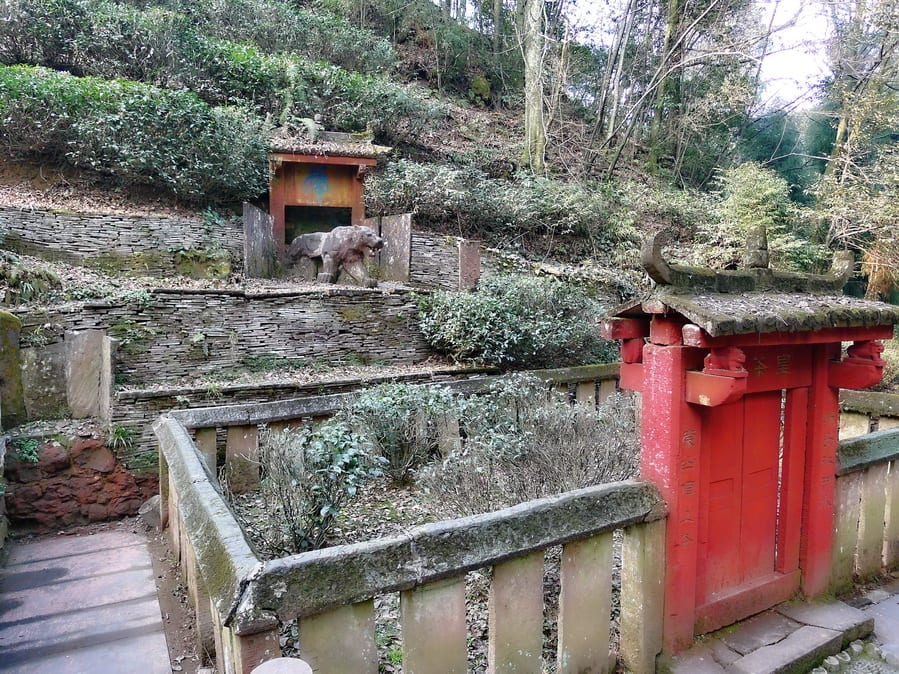
It comes from the Mengding Mountain area in Mingshan District, Ya’an, sharing the traditional Mengding tea area with Mengding Ganlu. Shangqing Peak and Yunü Peak are often mentioned, but exact garden elevation, boundaries and quality differences should follow the GI standard and producer records. The Mengshan tea GI area is defined by GB/T 18665-2008; not every yellow bud tea from Ya’an may use the “Mengding” protected name.
Material and processing
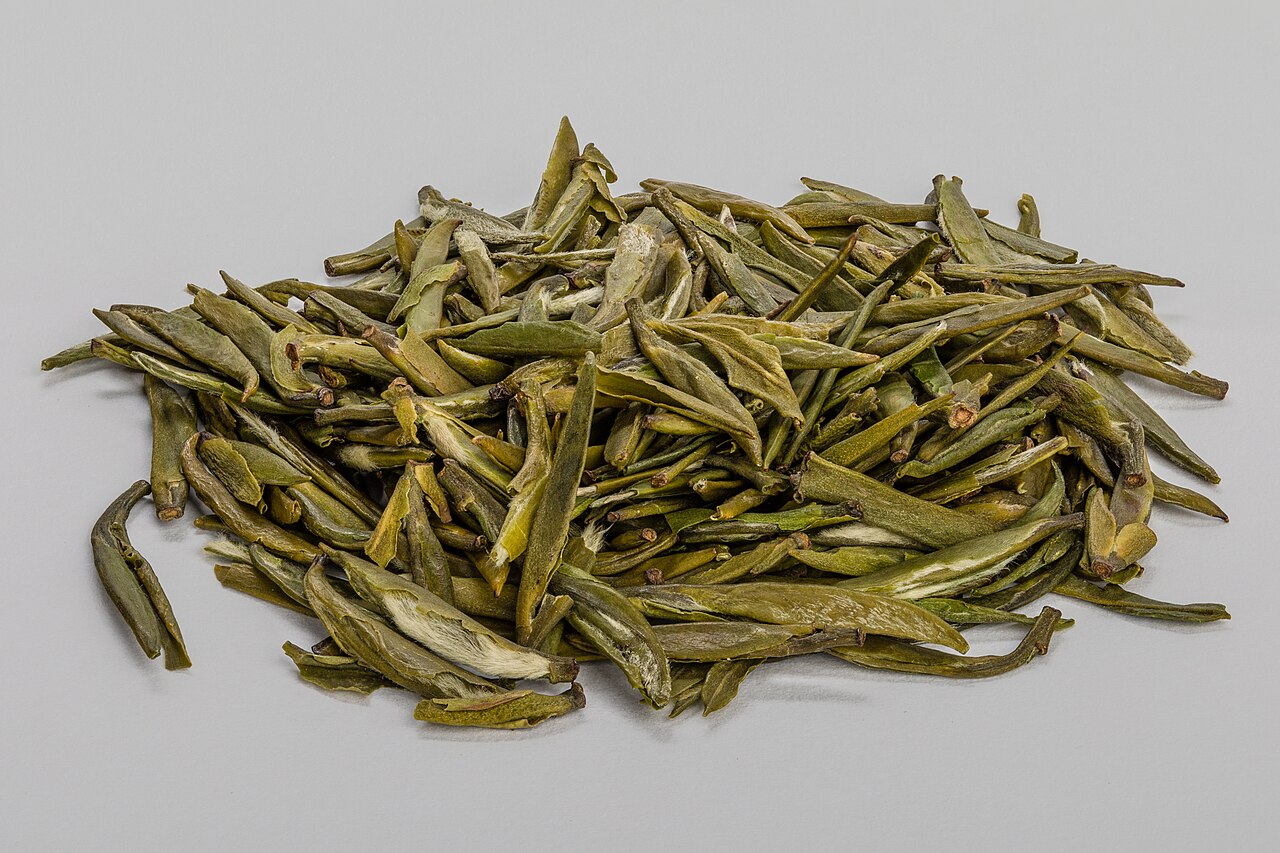
Mengding Huangya traditionally uses plump single buds, complete and even. The key yellow-tea step is menhuang: after fixation, the buds are wrapped, spread and re-baked to turn yellow under warm, humid conditions, creating a yellow liquor and sweet, mellow taste. Old records describe “three wraps and three pan-firings” or multiple yellowing and re-firing cycles; the number and parameters vary by era, producer and product. GB/T 39592-2020 provides the processing boundary.
Quality and flavour
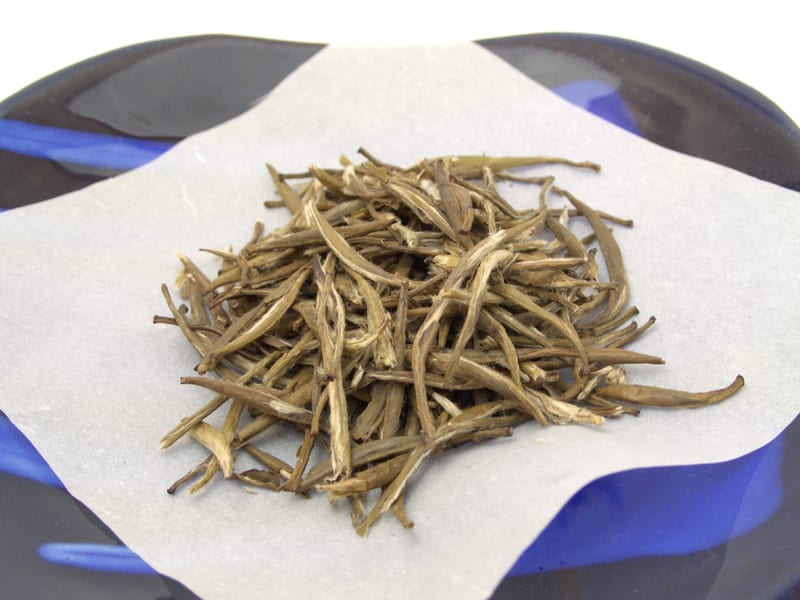
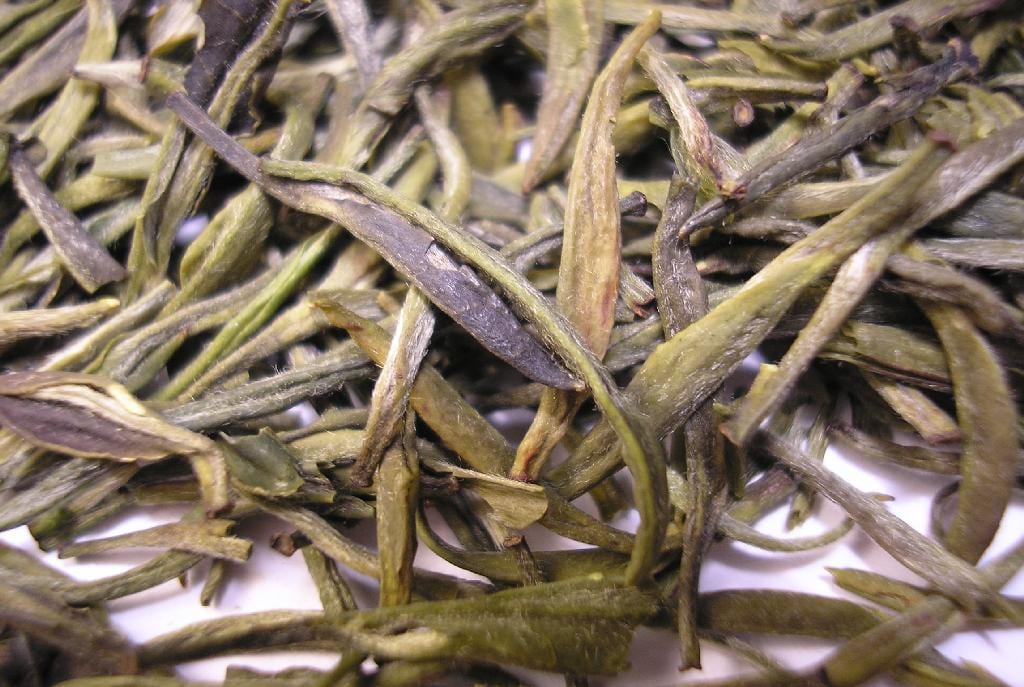
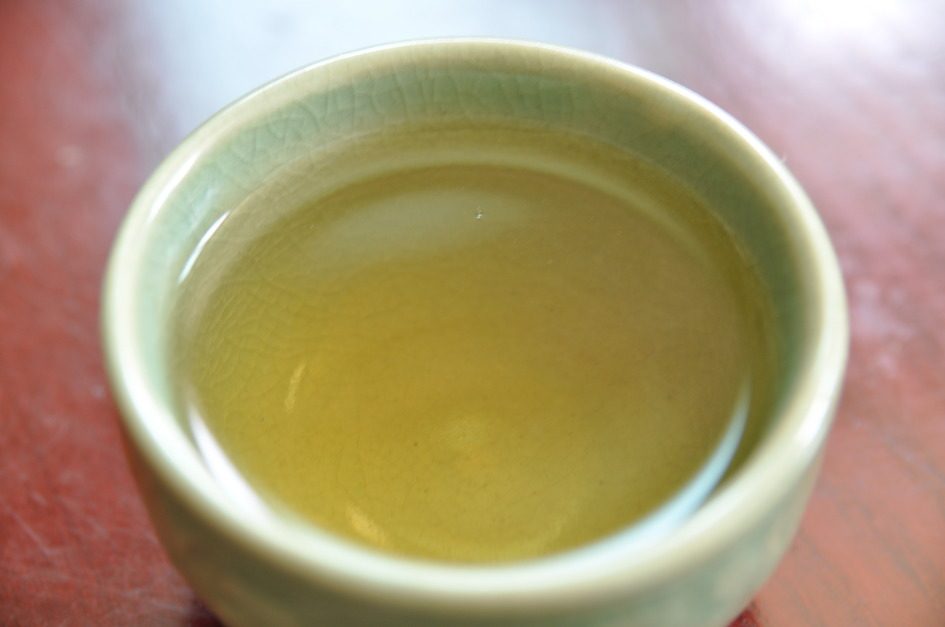
Dry buds are straight, golden and glossy. Liquor is apricot-yellow and bright, with sweet, tender and lightly pan-fired aromas, a mellow sweet taste and low bitterness. Compared with Junshan Yinzhen, Mengding Huangya has a similar bud style but a different origin; compared with Huoshan Huangya, raw-material tenderness and local processing differ. Grade, picking date and menhuang degree affect style; “yellow bud” alone does not guarantee quality.
Brewing
Use a glass or gaiwan with water around 85–90°C and short infusions. Fine buds should not be stewed; water that is too hot or a long infusion flattens the sweetness. Adjust leaf quantity to vessel and taste; a glass helps show the buds opening.
History and boundaries
Mengding tea has a long history, with Tang–Song records and a widely circulated saying, “water from the Yangtze, tea from Mengding.” Mengding Huangya and Mengding Ganlu share the Mengding tradition but belong to different tea families, processes and modern product standards. “Wu Lizhen planted seven tea trees” and “all yellow tea comes from Mengding” are legend and promotional language; check gazetteers, GI standards and research before treating them as history.
Common misconceptions
- Mengding Huangya is not Mengding Ganlu. The former is yellow tea; the latter is green tea.
- “Yellow bud” is not a cultivar name. It describes raw-material tenderness and product type.
- Mengding legends are not historical evidence. Wu Lizhen and the seven trees are cultural narratives.
- Are all Mengding teas the same grade? No. Origin, material, processing and standard execution all affect quality.
Sources
- GB/T 21726-2018, Yellow tea.
- GB/T 39592-2020, Yellow tea processing technical specification.
- GB/T 18665-2008, Geographical indication product — Mengshan tea.
- Legacy Sichuan tea record, retained for provenance.
This page is an AI-edited translation based on the reviewed Chinese source. It is not a human-expert endorsement.