What it is
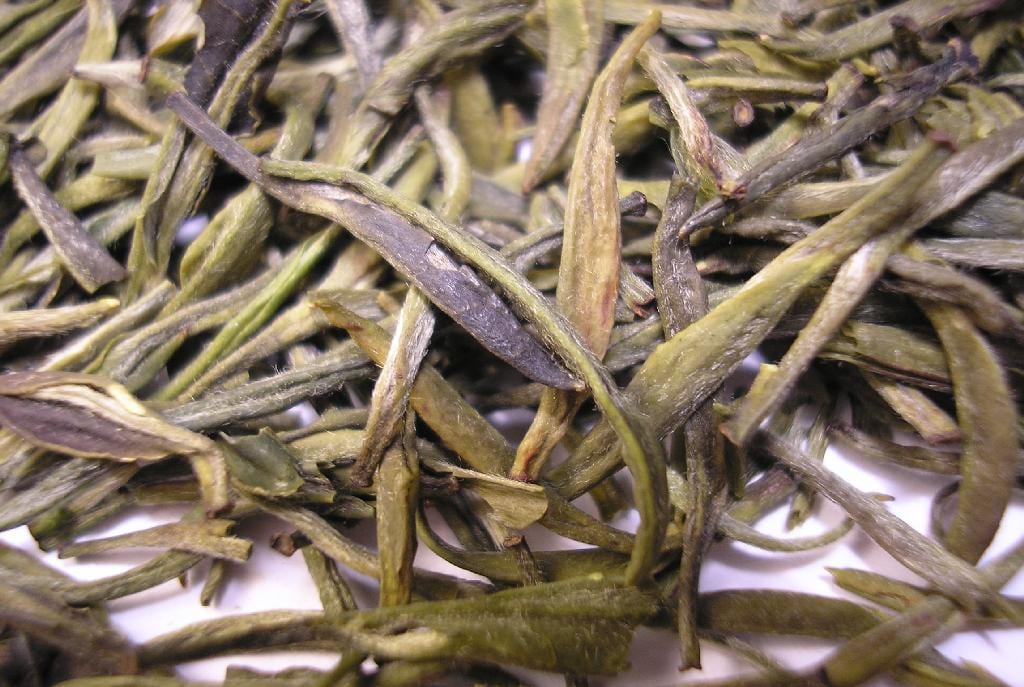
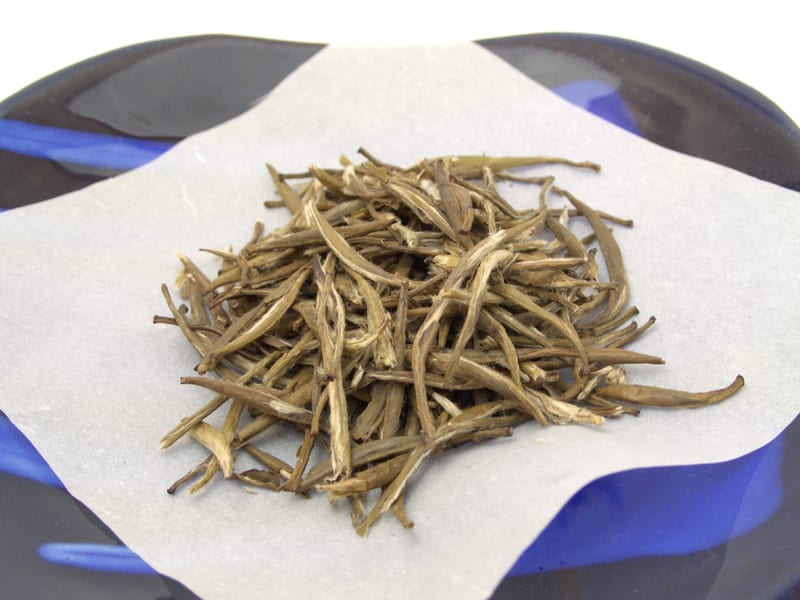
Junshan Yinzhen is a yellow bud tea from Junshan Island in Yueyang, Hunan, made from plump single buds. The golden bud body with white down is traditionally described as “gold inlaid with jade”. It is a yellow tea, not a white tea; “silver needle” describes the bud shape, not the tea family.
Origin and identity
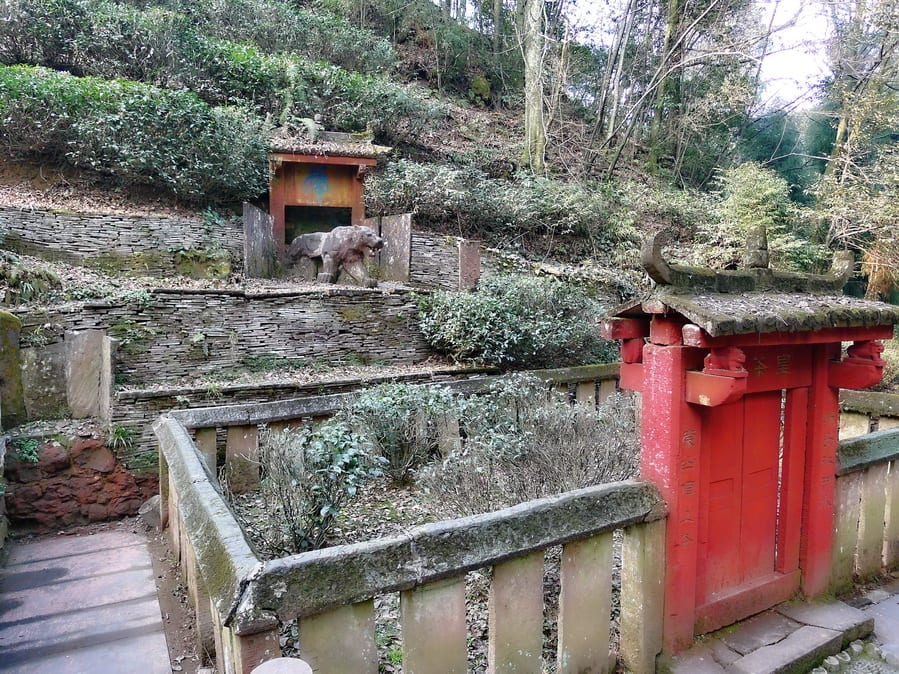
It comes from Junshan Island in Dongting Lake, and its origin is linked to the Yueyang yellow-tea GI. The island is small and its tea gardens are limited, so historical output was low. Exact boundaries, GI usage rights and product standards should follow current announcements, local standards and the label; not every product named “Junshan Yinzhen” comes from the core Junshan area.
Material and processing
Junshan Yinzhen uses single plump buds, complete and even, without leaf. The key yellow-tea step is menhuang: after fixation, the buds are spread, initially baked, wrapped and yellowed, re-baked, re-wrapped and dried, so the buds turn yellow under warm, humid conditions and develop a yellow liquor and softer sweetness. GB/T 39592-2020 regulates yellow-tea processing; temperatures, times and wrapping cycles vary by producer and material, and no single set of parameters describes every product.
Quality and flavour
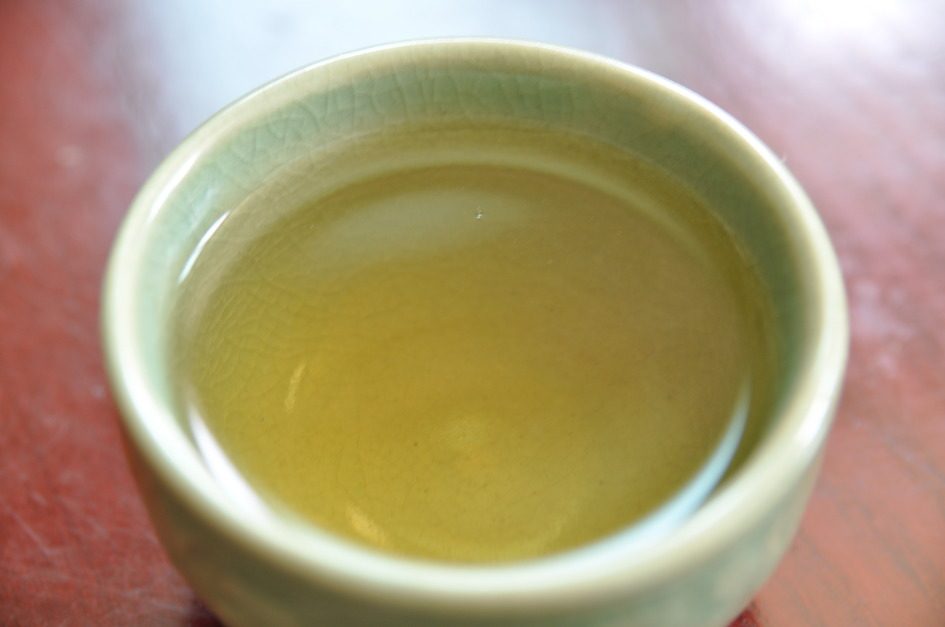
Buds are straight, golden to yellow-bright, with white down. Liquor is apricot-yellow and bright, with a fresh aroma, often sweet, tender or lightly pan-fired notes, a mellow sweet taste and low bitterness. The buds rising and standing in the cup are a common visual description, but “three rises and three falls” depends on cup shape, water temperature, leaf quantity and bud condition; it is not the only quality standard.
Brewing
Use a glass or gaiwan with water around 85–90°C, pour along the wall and infuse briefly. Fine buds can lose aroma and turn bitter with water that is too hot or a long infusion. Adjust leaf quantity to the vessel and taste.
History and boundaries
Yueyang and Junshan have a long tea history; Tang–Song texts record tea around Yuezhou and the Tao Lake, and Qing narratives describe Junshan tea as tribute. Junshan Yinzhen processing is on China’s national intangible heritage list, showing the craft’s recognised value. Specific creation dates, tribute quantities and early names vary across old records and need verification in gazetteers, archives and standard texts; legend should not be treated as settled history.
Common misconceptions
- Junshan Yinzhen is not a white tea. It is yellowed and belongs to yellow tea; Baihao Yinzhen is white tea.
- A beautiful bud does not guarantee good taste. Material, menhuang, drying and storage decide quality.
- “Gold inlaid with jade” is a visual description. It does not replace grade, origin or testing information.
- “Three rises and three falls” is not a quality certificate. The display depends on vessel and technique.
Sources
- GB/T 21726-2018, Yellow tea.
- GB/T 39592-2020, Yellow tea processing technical specification.
- Yueyang municipal government — Yueyang yellow tea standards and Junshan Yinzhen heritage.
- Legacy Hunan tea record, retained for provenance.
This page is an AI-edited translation based on the reviewed Chinese source. It is not a human-expert endorsement.