What it is: a black-tea blend named for its bud content
Çaykur Filiz is a black tea from Çaykur, Türkiye's state tea enterprise. The name comes from the Turkish filiz, meaning a shoot, bud or young growth. The official product description is just as direct: it contains a high proportion of tea buds.
That sentence sets three limits:
- it is a black-tea blend, not a single cultivar and not a single estate;
- “Filiz” is a product name, not an official Turkish tea grade code;
- a high bud proportion does not mean “all buds” and does not make it a limited golden-tip product.
The official page is short but specific:
| Item | Official information |
|---|---|
| Product | Filiz Çayı / Filiz Tea |
| Type | Black tea |
| Material | High proportion of tea buds |
| Additives | None; Çaykur describes it as a natural tea like its other teas |
| Flavour | Smooth, with a lasting aroma |
| Packs | 500 g, 1,000 g, 2,000 g |
None of the old draft's “ÇT-9 clone”, “2008 project”, “2011 launch” or “feminine afternoon tea” material survives here. Those claims had no official source. Filiz is a commercial blend built around bud content, not a secret cultivar project.
Why “Filiz” is not a grade
In Turkish, filiz can mean a new shoot, a bud or a plant sprout. On a tea pack it describes the raw material, not a separate cultivar.
Two practical consequences follow.
First, more buds usually means younger material. Buds and the first two leaves differ from older leaves in their polyphenol, amino-acid and fibre balance, which tends to produce a softer, less coarse brew. Çaykur's own “smooth” description fits that material profile.
Second, more buds is not the same as a higher grade. Turkish tea grading and blending also weigh aroma, liquor colour, astringency, origin and processing control. Filiz is positioned as an everyday blend, not as a “buds only” luxury grade.
The product it is most easily confused with is Altınbaş. Altınbaş is another Çaykur line, described around a high proportion of golden tips, a characteristic astringency and the ability to make a strong brew from a small amount of leaf. Filiz is described around bud content and smoothness. Both contain buds; they are different positions in the range, not two names for the same tea.
The corporate context: a blend, not a single garden
Çaykur is Türkiye's state tea enterprise, established in 1983 under Statutory Decree 112 and headquartered in Rize. Its corporate page lists 47 wet-tea factories, one packing factory and 6,600 tonnes/day of wet-tea processing capacity. That is an industrial network across the eastern Black Sea tea belt, not a single estate.
As a Çaykur blend, Filiz draws on that procurement and processing network. The official page does not publish its exact blend ratio, the origin of each lot or the cultivars used. Claims such as “all from the Çamlıhemşin valley” or “single-garden ancient trees” are therefore unsupported.
The trade-off is consistency: a blend aims to keep aroma, strength and astringency predictable across seasons and lots. It will not show the vintage variation of a single-garden spring tea.
Brewing: the Turkish double-pot method
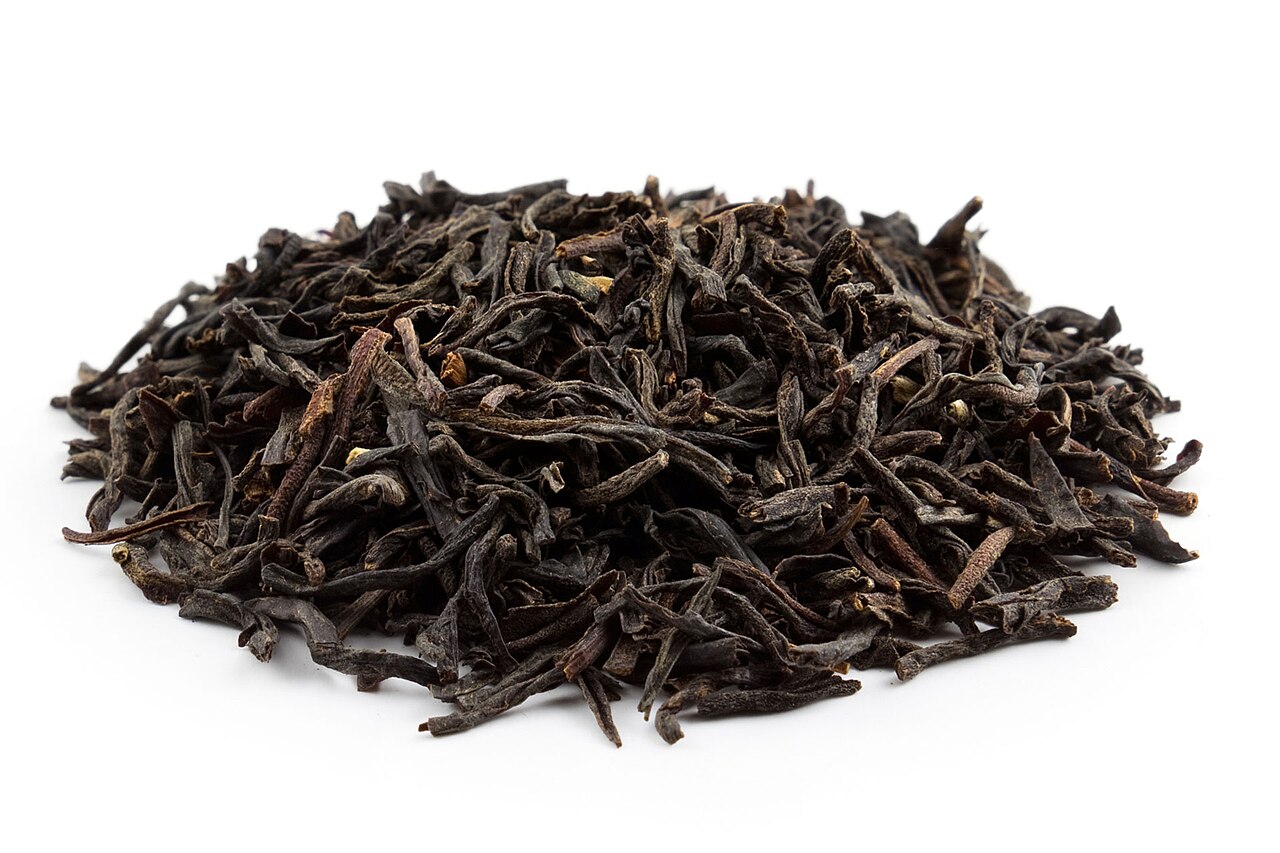
Filiz is loose tea, and the natural vessel is the Turkish double pot, çaydanlık: water boils in the lower pot while tea steeps in the smaller upper pot, heated by steam and hot water.
The Rize Çayı geographical-indication page gives the traditional proportions: about one teaspoon of tea per glass, boiling water poured over the leaf in the upper pot, and 15–20 minutes of steeping, then dilution with hot water from the lower pot. That is the general Turkish method, not a Filiz-specific official recipe.
A workable starting point:
| Item | Suggestion |
|---|---|
| Leaf | About 1 teaspoon per glass, scaled to the upper pot |
| Water | Boiling |
| Steep | 15–20 minutes to make a concentrated dem |
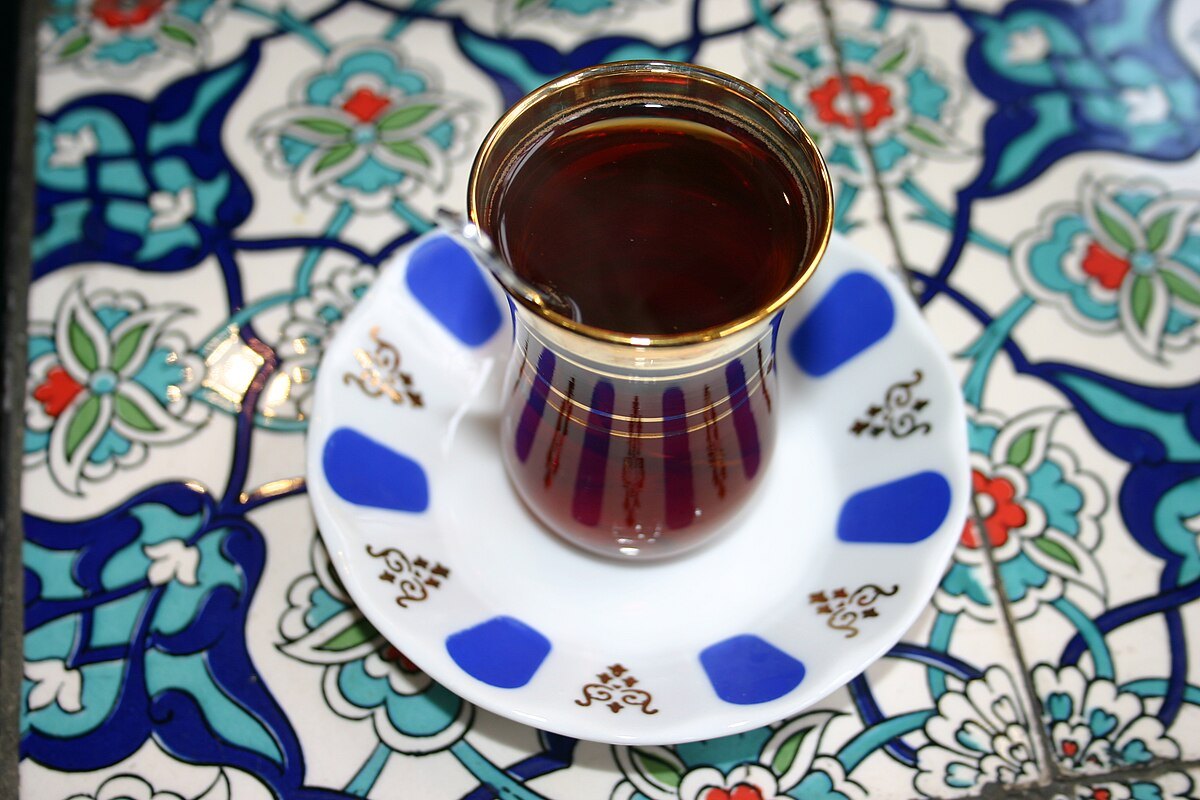
| Serving | Pour the dem, then dilute with hot water to açık (light) or koyu (strong) |
| Glass | Ince belli, the thin-waisted Turkish tea glass |
Filiz's higher bud share can turn bitter if the leaf stays in the pot too long. Start at 15 minutes; if the brew is too strong, shorten the upper-pot steep or use less leaf.
What the official page does not say
| Common claim | What is actually confirmed |
|---|---|
| “ÇT-9 clone” | No official cultivar code; the old draft invented it |
| “Project started in 2008, launched in 2011” | No official launch date; do not present it as history |
| “Designed for women's afternoon tea” | No gender positioning in any official source |
| “Single Çamlıhemşin valley” | The official page does not identify a single origin |
| “Limited golden-bud Filiz” | The official claim is a high bud proportion, not an all-bud limited edition |
| “Rose-aroma legend” | No official or reliable source; removed |
The defensible version is: a Çaykur black-tea blend with a high proportion of buds, no additives, a smooth profile and 500/1,000/2,000 g packs. That is more useful than a fabricated cultivar story.
Where it sits in the Çaykur range
Çaykur's range runs from everyday Rize Turist and Altınbaş to organic tea, green tea and gift packs. Filiz sits on the softer, bud-forward side of the everyday blends: higher bud content, official “smooth” language and a lasting aroma.
If you are used to the strong tea served in Turkish streets, Filiz may feel softer; if standard Rize tea feels too astringent, it is a reasonable place to start. Tasting it beside Altınbaş makes the range legible: one line is built around golden tips and astringency, the other around bud content and smoothness.