First, what the name is
Altınbaş means “golden head” in Turkish. In tea, it is the name of a Çaykur black-tea product and grade, not a cultivar and not the plant part itself.
Çaykur's official product copy explains the raw-material logic:
- the bud at the top and the two small fresh leaves just below it are the secret of Altınbaş;
- the blend uses the highest proportion of golden-tipped and curled leaves;
- it has a trademark astringency and a pronounced aroma and taste;
- a small amount makes a large brew;
- no additives or chemicals;
- 400 g tin, with 200 g and 500 g bag formats also sold.
Two common errors follow from this. The first is to treat Altınbaş as a tea bush variety. The second is to treat the golden colour as an added dye. Both are wrong: the name belongs to a product grade, and the golden tip comes from hairy buds plus suitable processing.
How the “golden tip” appears
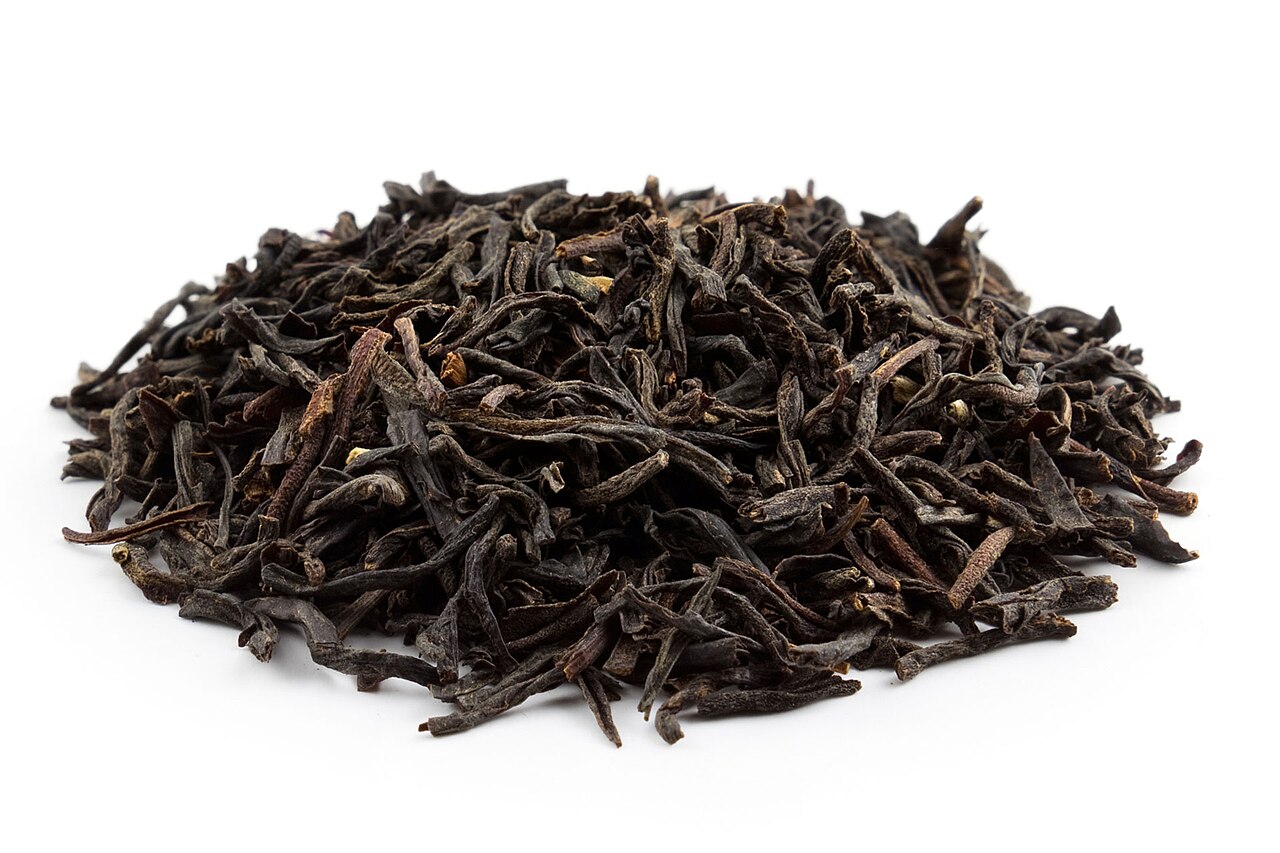
Çaykur's training notes describe Altın Tip (Altınbaş) as an orange-gold appearance that forms when:
- the buds carry a large amount of fine hair;
- the manufacturing conditions are suitable;
- the oxidised leaf develops the colour and brightness associated with black tea.
The golden tone is therefore a joint result of raw material and process, not an external colour. This explains why the product copy stresses the “highest rate of golden-headed and curled leaves”: the point is not that every leaf is gold, but that the blend keeps a high share of golden, curled bud material, which gives the dry leaf and the liquor their recognisable character.
Flavour: astringency, not bitterness
Turkish tea language uses buruk for a clean, mouth-tightening astringency. Çaykur's English page renders it as trademark acrid taste, which can mislead an English reader: “acrid” often suggests something burnt or chemically sharp, while the Turkish product context means a brisk, assertive tea that stands up to sugar or dilution.
The official description can be reduced to four points:
| Dimension | Official description |
|---|---|
| Taste | trademark astringency, full tea flavour |
| Aroma | distinctive, high aroma |
| Strength | a small amount yields a large brew |
| Additives | none; no chemicals |
Altınbaş is not a delicate, floral black tea. It is built for a strong, red cup, often drunk from a small tulip glass, with sugar on the side.
Origin: Rize, but not a single estate
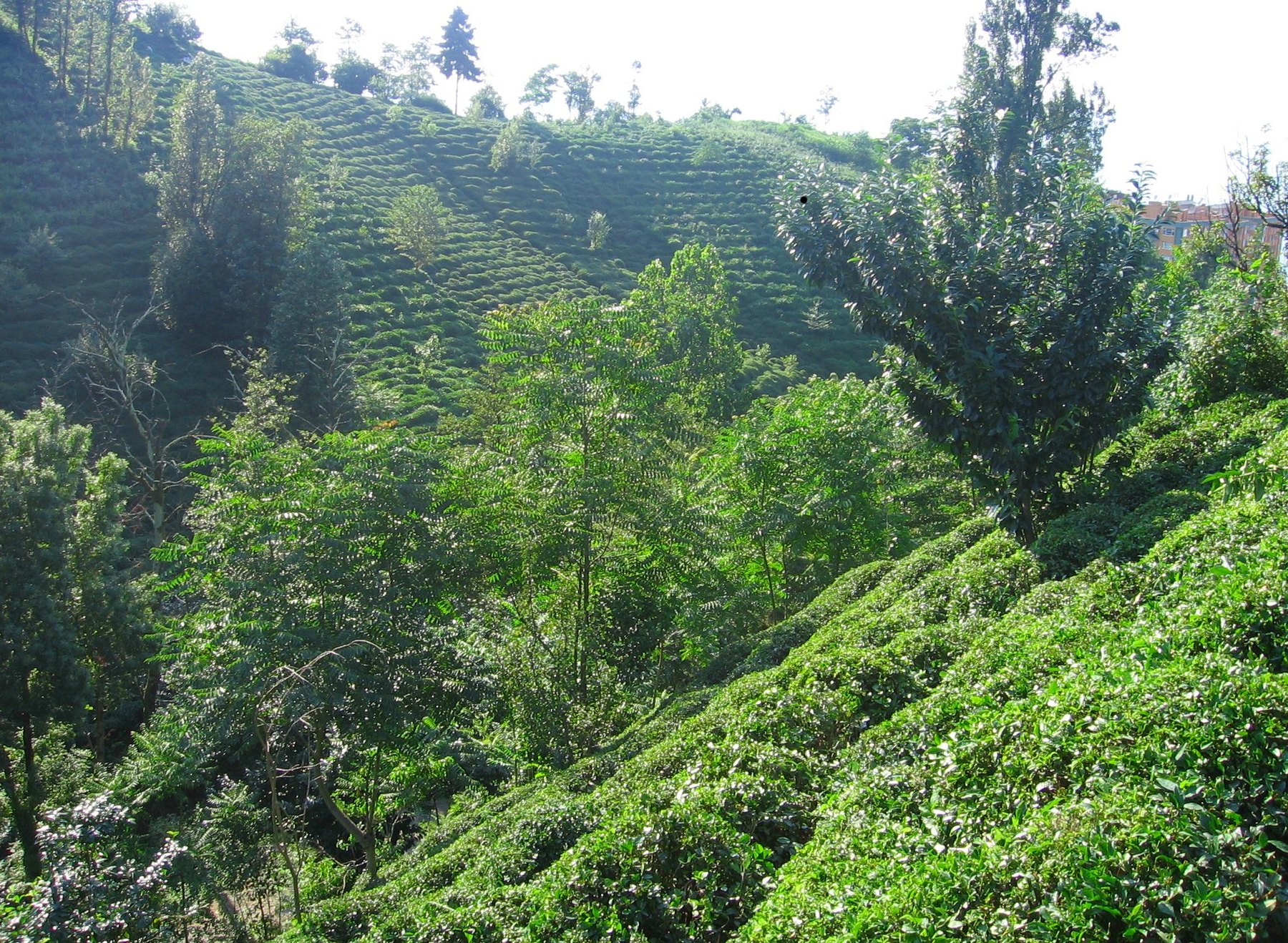
Çaykur is a Turkish tea company whose core production area is Rize, on the eastern Black Sea coast. Altınbaş is a factory product and grade, not the name of one estate.
That rules out several attractive but unsupported phrases:
- “Altınbaş ancient-tree black tea” — no source;
- “Altınbaş single-tree tea” — it is a blend, not a single bush;
- “Altınbaş cultivar” — it is a product/grade name;
- “Turkish Jin Junmei” — Jin Junmei is a specific Fujian product, not a generic word for golden-tipped black tea.
The fair comparison is “a golden-tipped black-tea grade”, not “Turkey's Jin Junmei”.
How to brew it: the double-teapot idea
Çaykur does not publish a fixed brewing recipe on the product page. Turkish households commonly use a double teapot: water boils in the lower pot, while the upper pot holds the leaf and is heated by the lower pot's steam and hot water. The strong upper infusion is then diluted with hot water to taste.
With a small pot or gaiwan, a reasonable starting point is:
| Item | Suggestion |
|---|---|
| Leaf | 5 g |
| Water | 200 ml |
| Temperature | 95–100°C |
| Time | about 5 minutes, adjusted to taste |
| Serving | sugar optional; milk not recommended |
This is a brewing suggestion, not a Çaykur standard. Altınbaş is sold on its strength, so do not start with a huge dose; begin at 5 g and increase only if the cup is too light.
Certainty and sources
The page rests on three layers: Çaykur's official English and Turkish product pages define the product, raw material, golden-tip share, flavour, strength and packs; Çaykur's training notes explain the orange-gold Altın Tip appearance and the enzymatic basis of black-tea fermentation; the Commons photograph documents the Rize garden landscape. Cultivar, single-estate, tree-age and “ancient-tree” claims have no source and are left out.