First, the product boundary
“Colombian highland black tea” sounds like an appellation or a grade. It is neither. Colombia has no protected geographical indication for this phrase and no official national tea grade that it maps to.
The traceable public object is the Bitaco black-tea line, made by Agrícola Himalaya in the Bitaco area of Valle del Cauca, Colombia. Bitaco positions itself as organic, single-origin specialty tea and offers black, green and white lines.
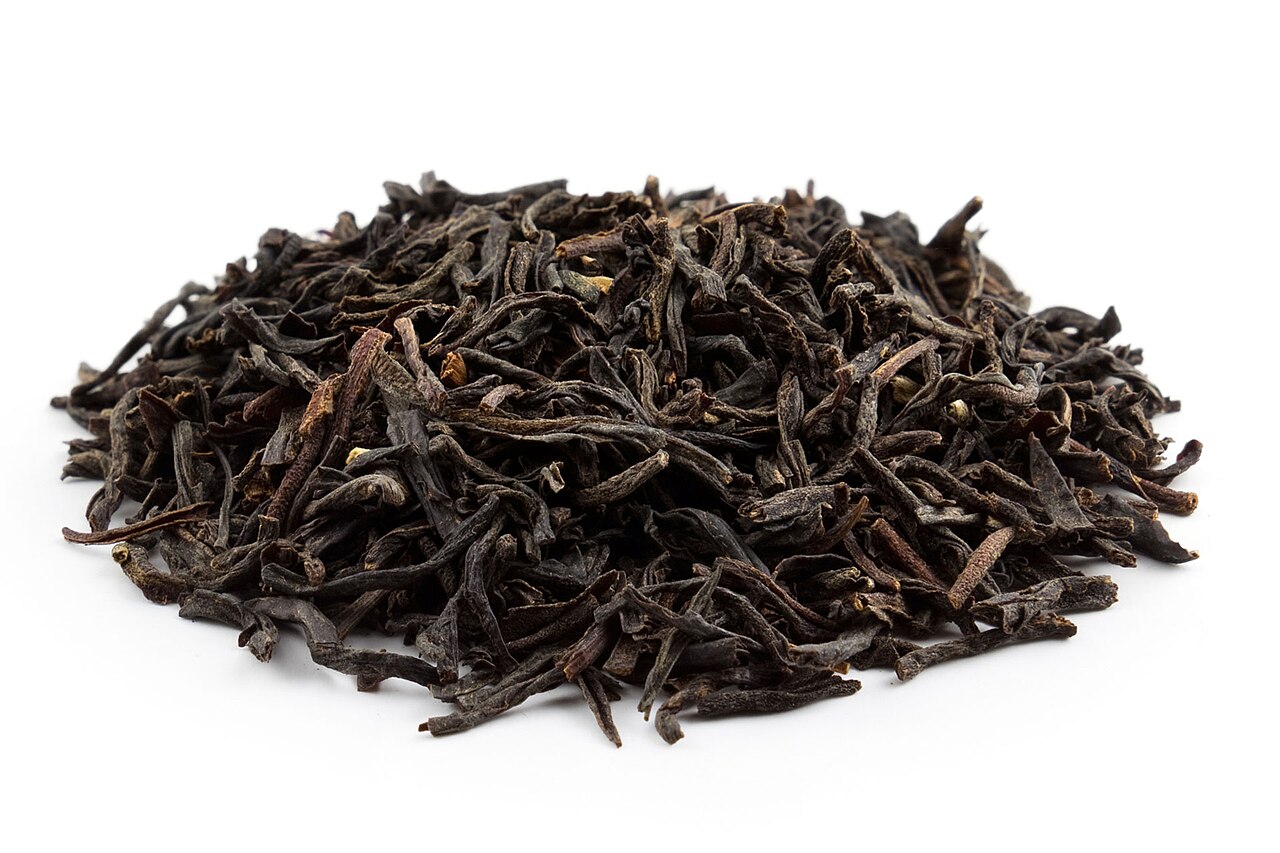
The black category is not one loose-leaf product. It is a family: a plain Bitaco black tea plus blends with cocoa husk, coffee beans, grape skin, hibiscus, spices and other ingredients. This page deals with the plain black tea; the blends have their own flavour logic.
The place: a 1,800-metre garden beside a forest reserve
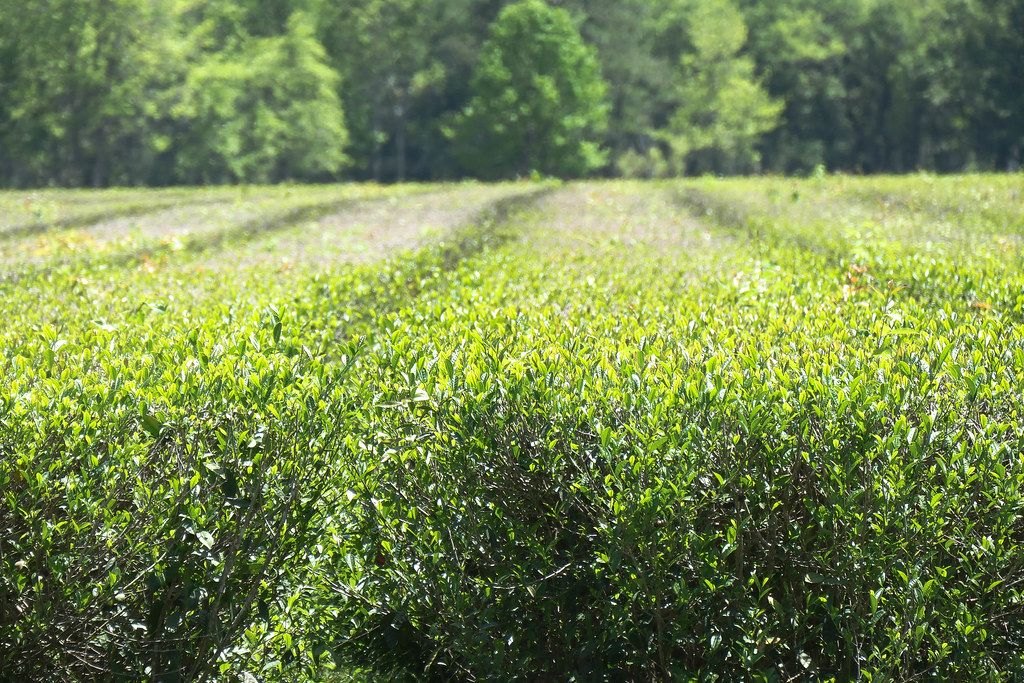
Bitaco sits in western Colombia, in Valle del Cauca, near Cali. Imbibe gives the garden as about 6,000 feet, or roughly 1,800 metres, on 520 acres. About half of that land is managed as a nature preserve.
The official brand page adds the ecological relationship that matters most: the tea garden is surrounded by the Bitaco Regional Forest Reserve, and the two form part of a biological corridor. Bitaco presents tea as a crop that coexists with forest, rather than as a cleared monoculture.
That claim is supported at the level of the brand's own description and the Imbibe report. It does not prove a particular carbon or biodiversity outcome for every kilogram sold. The page therefore states the relationship, not an extended “carbon-neutral” or “zero-deforestation” conclusion.
History: from 1946 Sri Lankan plants to Bitaco 2016
Imbibe's reporting gives a clean timeline:
- 1946: Colombia's agriculture department received live tea plants from Sri Lanka and asked a local coffee-growing family to trial them as part of a crop-diversification policy.
- After the trials succeeded, Joaquín Llano González expanded the fields, studied processing abroad, bought equipment and trained workers.
- His Té Hindú company became a leading Colombian tea brand by the 1960s.
- His descendants still own Agrícola Himalaya. In 2016, the company launched Bitaco as a premium organic specialty line.
The two names are therefore not interchangeable. Té Hindú is the older commodity brand; Bitaco is the later premium organic brand. Both belong to Agrícola Himalaya, but they serve different markets and price points.
Flavour: the official description
Bitaco's official copy is unusually specific for a tea brand:
- mouthfeel: smooth, subtly sweet, mellow;
- liquor: amber;
- aroma and flavour: teasing hints of sweet fruit, raisins and dried plums;
- body: present but not heavy or bitter.
In plain English: an amber cup, soft and gently sweet at the front, with a raisin-and-dried-plum fruit note in the middle and a moderate body.
This is a brand description of its own black tea, not a national standard. Colombia's specialty tea sector is small and Bitaco is one of the few publicly documented examples. Turning “Bitaco tastes like this” into “Colombian black tea tastes like this” would overgeneralise a single producer.
Process and cultivar: what is not published
Black tea is fully oxidised by definition, but Bitaco does not publish the operational details:
- cultivar: not stated on the official page; do not write “Assam” or “China bush”;
- oxidation: no percentage;
- rolling: no orthodox-versus-CTC statement;
- plucking grade: no OP, FBOP or similar grade.
The page therefore keeps to “black-tea line” and the official flavour description. A buyer who needs process detail should read the specific product pack and lot, not infer it from the brand page.
Organic and certification: separate the claim from the certificate
Bitaco's official page uses the words organic, single origin and full traceability. Imbibe, reporting the story, mentions Rainforest Alliance certification at the time of its visit.
Two distinctions are important:
- “Organic” is the brand's product claim. The official page does not list the certifier, certificate number or which markets the certificate covers.
- Rainforest Alliance is a certification reported by Imbibe at that time. It is not a guarantee that every current lot carries the same certificate.
For a buyer, the pack's certification mark and lot code are more useful than the website's adjective.
How to brew it
Bitaco does not publish a single official recipe. A conventional black-tea starting point is:
| Item | Suggestion |
|---|---|
| Leaf | 3 g |
| Water | 200 ml |
| Temperature | 90–95°C |
| Time | about 3 minutes, lengthening for later infusions |
| Milk | optional, but it will mask some fruit |
This is a brewing suggestion, not a Bitaco standard. Drunk plain, the raisin and dried-plum notes are easier to follow; milk softens the cup but covers the detail that makes this tea distinctive.
Certainty and sources
The page rests on three layers. Bitaco's official page defines the brand, the three tea lines, the black-tea flavour and the forest-reserve relationship. Imbibe supplies the 1946 introduction, Té Hindú, the 2016 Bitaco launch, the altitude, the acreage and the certification context. The Commons photograph documents the Chicoral tea-and-reserve landscape. Cultivar, oxidation percentage, rolling method and certificate numbers are left out because no public source gives them.