A state-owned product line, not an estate
“Çaykur Organic Tea” is not the name of a garden and not a synonym for “Rize tea.” It is an organic product line from Çaykur (Çay İşletmeleri Genel Müdürlüğü), Turkey’s state-owned tea enterprise. Çaykur was established in 1983 under Decree No. 112 and operates 47 wet-tea processing factories, one packing factory and a workforce of about 16,500, with a wet-tea capacity of 6,600 tonnes a day.
The official sales page lists 18 organic products, including:
- Organic Rize
- Organic Hemşin
- Organic Çamlıhemşin
- Organic İkizdere
- Organic Zümrüt Green Tea
- Organic Bahçe, Organic Farabi, Organic Ayasofya and other packs
The place names in the product names are specific origins or flavour lines, not a claim that every garden in Rize is organic. The product you buy is one of these lines, not “organic tea” in general.
| Item | Detail |
|---|---|
| Name | Çaykur Organic Tea / Çaykur Organik Çay |
| Type | Organic product line; black and green tea |
| Company | Çaykur, established 1983 |
| Scale | 47 wet-tea factories, one packing factory, about 16,500 employees |
| Certification | Official page names Ekotar |
| Organic areas | Hemşin, Çamlıhemşin, İkizdere, Artvin Borçka and other designated areas |
| Product count | 18 organic products on the official page |
What “organic” means here
Çaykur’s official PDF gives a clearer timeline than most tea marketing:
- 2003: organic tea work begins.
- 2006: Artvin Borçka, Rize Çamlıhemşin and Hemşin are designated as organic tea areas; an organic tea committee is set up.
- 2007: contracts are signed with 135 producers, covering 378 decares (about 37.8 ha).
- 2007: the Hemşin organic tea factory opens, later designed to process 100 tonnes of organic tea a day.
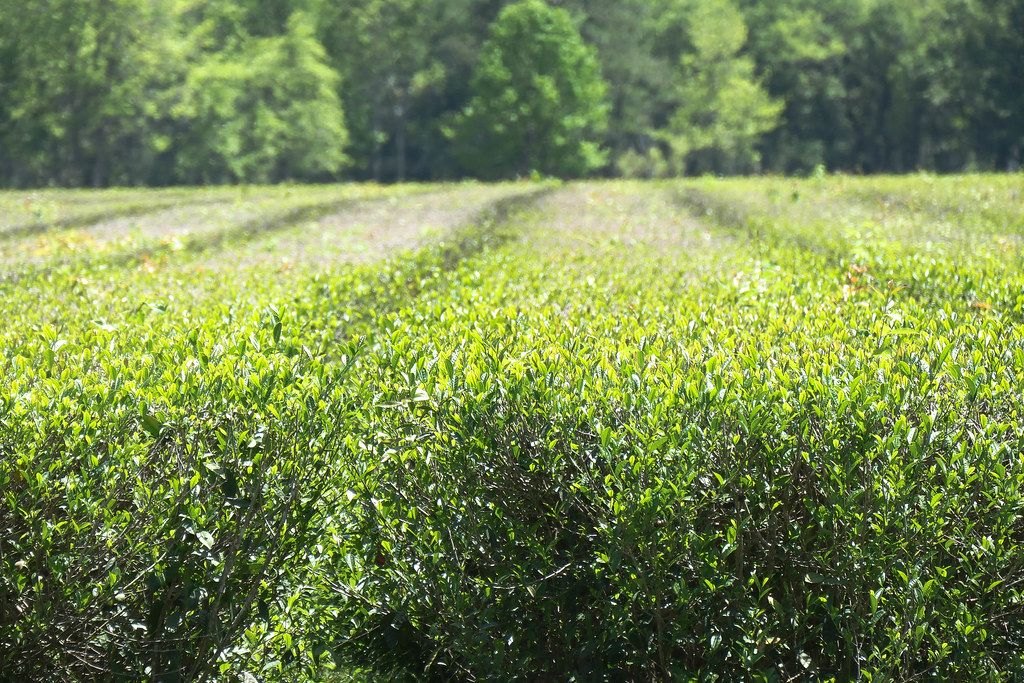
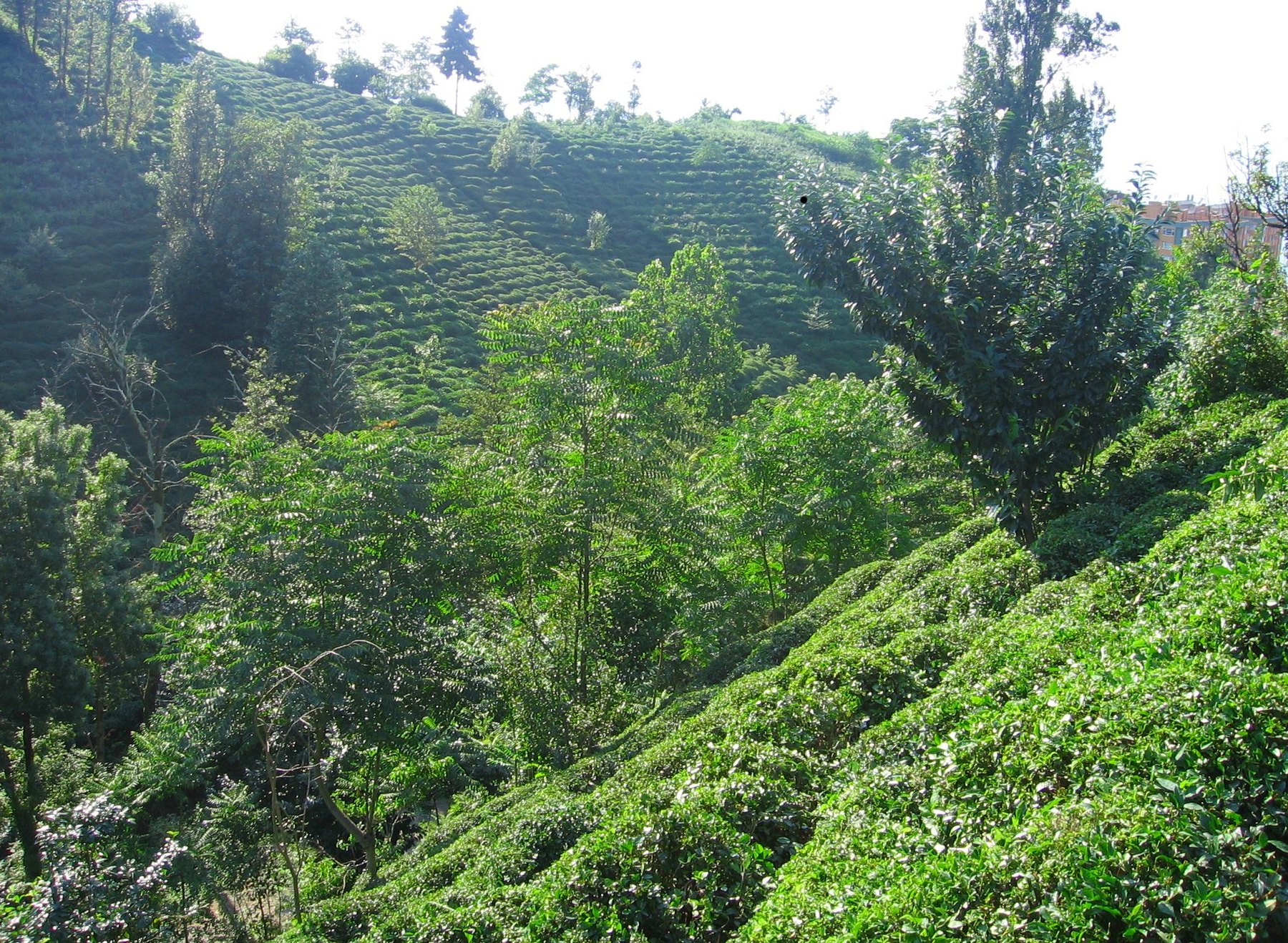
That is a system of designated areas, contracted growers, a separate factory and separate certification—not a label applied after the fact. It also shows the limit: Hemşin, Çamlıhemşin, İkizdere and Borçka are specific areas, not the whole of Rize.
The official sales page names Ekotar, a Turkish organic certification body. The old draft said the line was “EU Organic + TR Organic.” The official page does not display an EU organic mark. Third-party retailers sometimes add EU or USDA claims; if that matters to you, ask for the certificate number and scope rather than trusting a logo on a shop page.
The product map
The line is mostly black tea, but not only black tea. The official PDF says one factory produces organic black tea, one produces black and green tea, and the other factories make conventional bulk tea. That explains why the range includes both Organic Rize black tea and Organic Zümrüt Green Tea.
The black teas differ by origin and leaf grade. Organic Rize is the broad Rize line; Organic Hemşin and Organic Çamlıhemşin draw on the named organic basins; Organic İkizdere is a separate origin. They are not interchangeable, even though all carry the same certification.
Processing
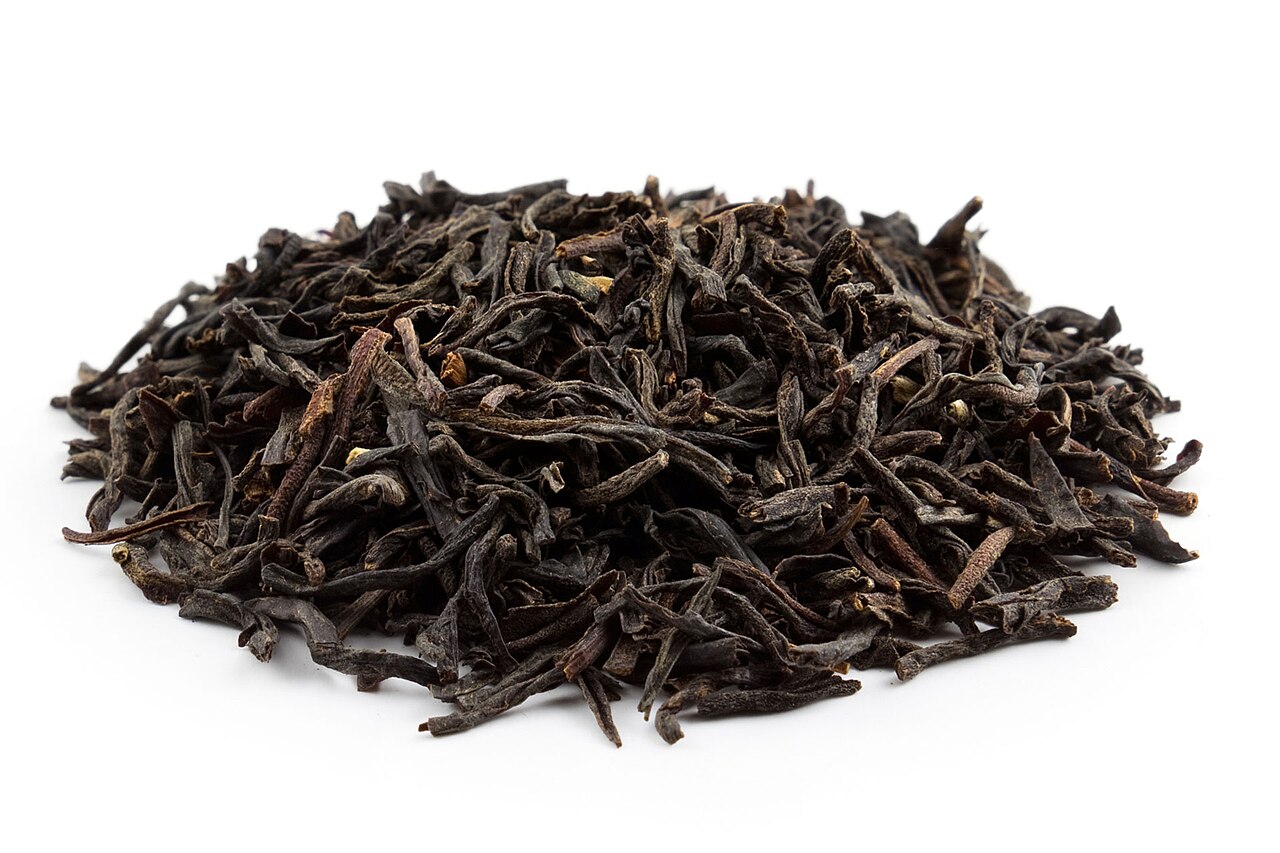
Turkish black tea is a fully oxidised tea: wither, roll, oxidise, dry. The organic line follows the same basic process as the conventional line, but the leaf comes from certified organic gardens and is kept in separate batches to avoid mixing with conventional tea.
The certification is about the production system, not the leaf grade. A certified organic tea can still be coarse, strong and astringent; a conventional tea can be fine and floral. Organic status and drinking quality are two different questions.
Flavour
Çaykur’s organic black teas typically taste malty, woody and strong, with enough body for sugar or milk. The organic green tea is lighter, with grass, chestnut and a soft sweetness. The exact profile depends on the product line, leaf grade, freshness and how strong you brew it.
Do not expect “organic” to mean “delicate” or “sweet.” Turkish tea is often brewed strong and diluted at the glass; the organic label does not change that house style.
How to brew it
Turkish double teapot (çaydanlık):
- Fill the lower pot with water and bring it to a boil.
- Put about one level tablespoon of tea per glass into the upper pot.
- Pour boiling water over the leaf and steep 10–15 minutes over low heat.
- Pour the strong tea into a glass, then dilute with hot water from the lower pot.
Western pot:
- 5 g tea to 200 ml water.
- 95–100°C.
- 3–5 minutes.
- Add milk or sugar if you like.
For organic green tea, use 80–85°C and 2–3 minutes; boiling water makes it bitter.
How to buy it
- Read the product name. Organic Rize, Organic Hemşin, Organic Çamlıhemşin and Organic İkizdere are different products, not one “organic Rize.”
- Check the certificate. The official page names Ekotar. If a seller claims EU or USDA organic, ask for the certificate and its scope.
- Check the pack. The line includes bags, tins, gift packs and green tea; “organic” alone does not tell you the leaf grade.
- Check freshness. Black tea depends on aroma and storage; green tea depends on harvest and cold storage.
- Start small. Turkish tea is strong; a small pack is a better first test than a kilo.
Myths to drop
“Çaykur Organic means all of Rize is organic.”
It is a product line sourced from designated organic areas, not the entire province.
“The line is EU Organic and TR Organic at the same time.”
The official sales page names Ekotar. Some retailers add EU/USDA claims; check the certificate.
“Organic tea always tastes better.”
Certification is a production claim, not a leaf-grade or flavour grade.
“Every Rize family pours on fertiliser and pesticides.”
That is an old stereotype with no source. Rize has both conventional and certified organic tea, often in the same district.
“Organic green tea is just organic black tea without oxidation.”
Green tea is fixed before oxidation; the process, flavour, brewing temperature and storage are different.
One-line definition
Çaykur Organic Tea is a certified product line from Turkey’s state-owned Çaykur: 18 products, an Ekotar certificate, and organic areas concentrated in Hemşin, Çamlıhemşin, İkizdere and Borçka. It is not “all of Rize organic,” and it is not a synonym for EU organic.