Kuradashi is a storage move, not a cultivar
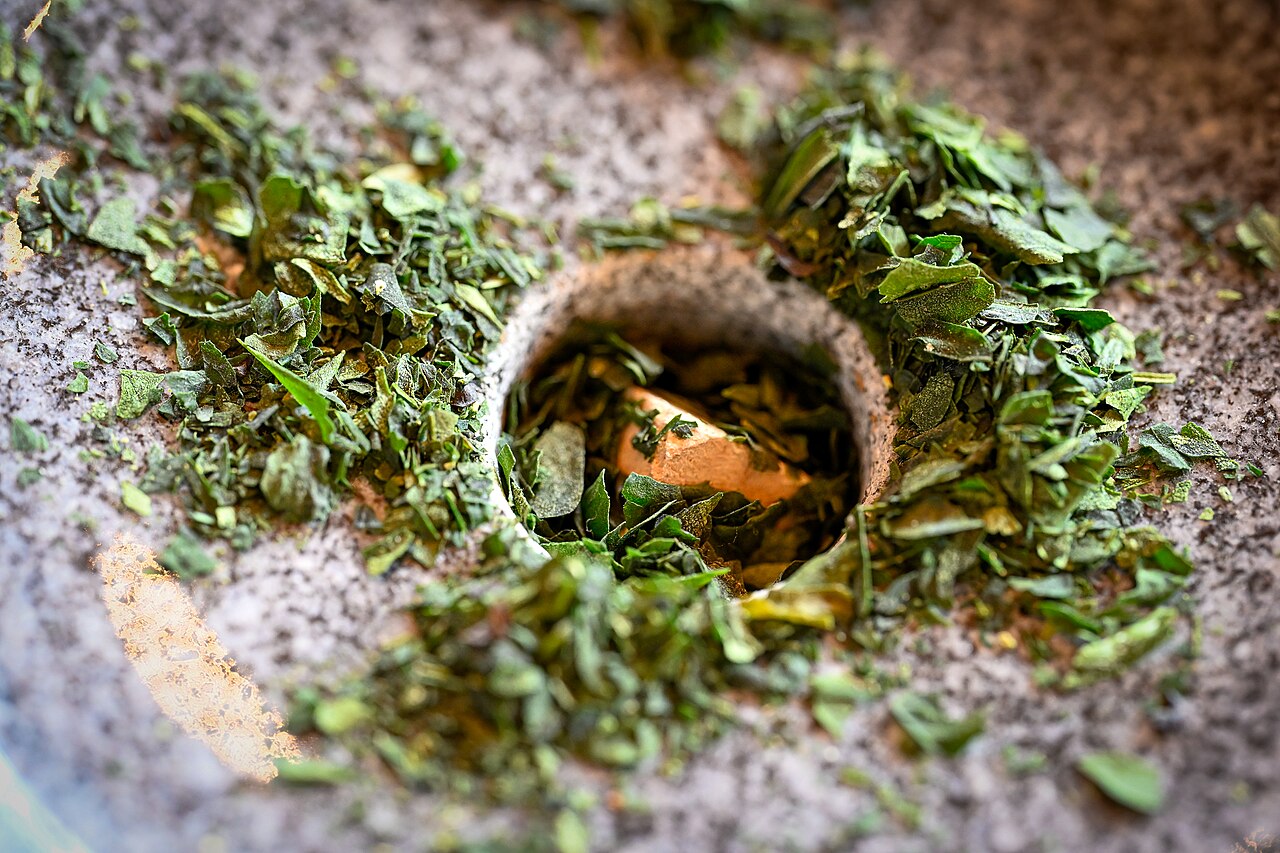
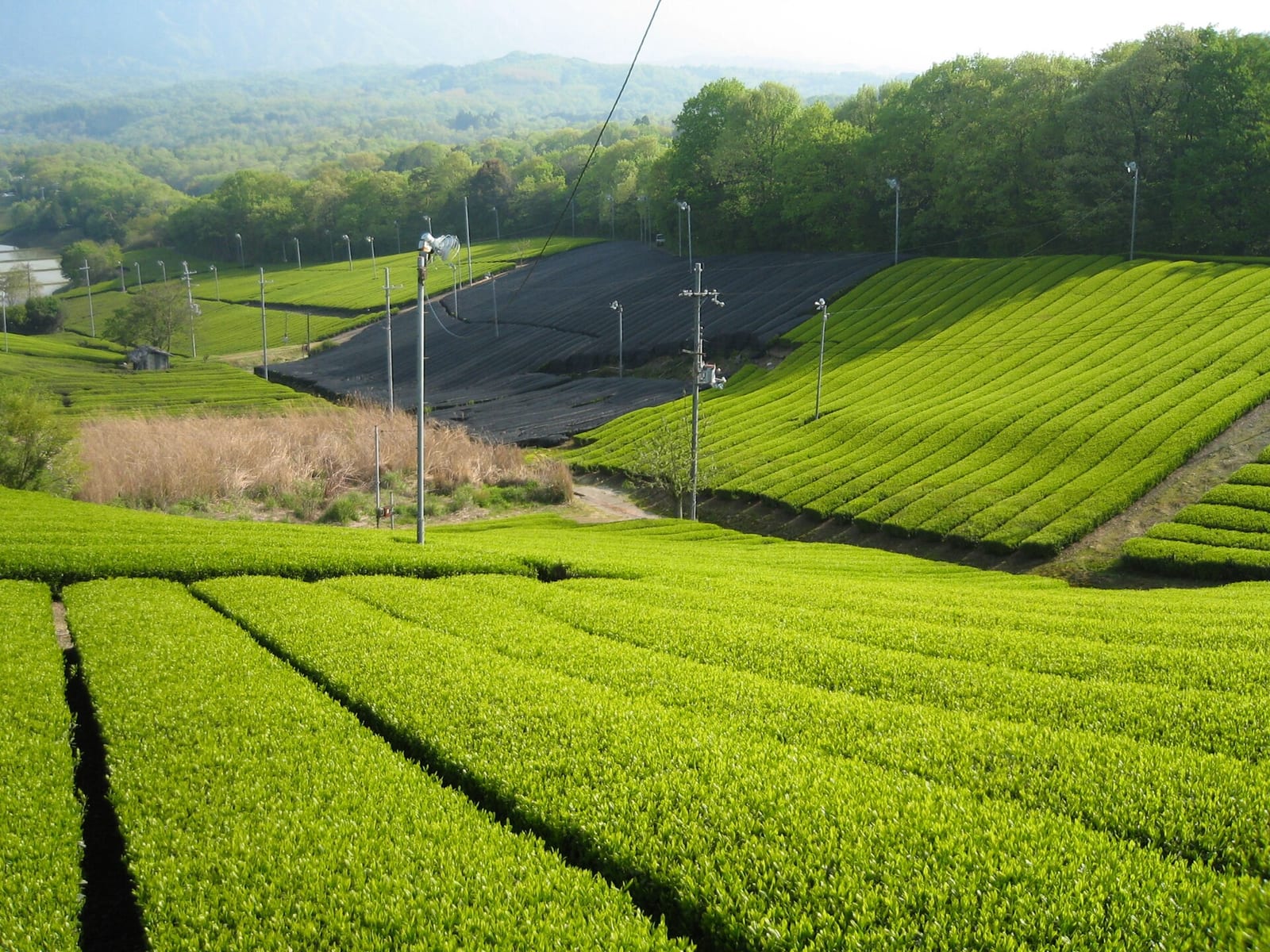
The word kuradashi (蔵出し) literally means “brought out of the storehouse.” In tea it refers to tea made in spring, sealed away, kept through the summer and brought out in late autumn or early winter. For matcha, the object being stored is tencha: the leaf is not ground first. It is sealed, rested, and only then milled.
So “kuradashi matcha” involves at least three things: the raw material is tencha; there is a period of sealed, cool, dark storage; and the leaf is ground after the jar is opened. The two words alone do not tell you how long it was stored, in what container, or when it was milled.
The jar, the seal and kuchikiri
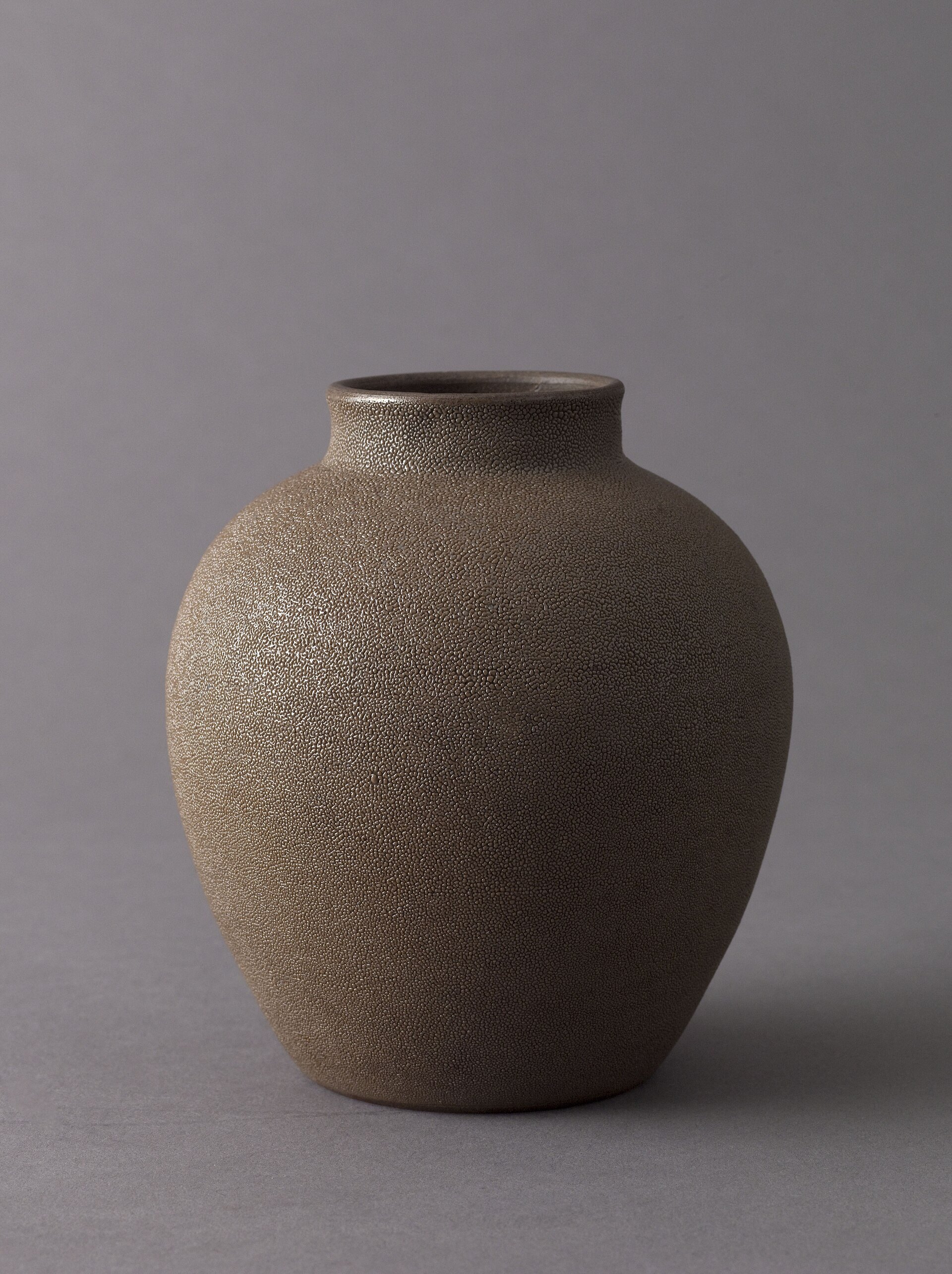
In the traditional sequence, tencha from the spring harvest is packed into a tea jar, the chatsubo, sealed and kept in a cool, dark place through the summer. In November comes kuchikiri: the jar is opened in front of guests, the tea is taken out, ground and whisked. The Tokyo Tea Cooperative calls this “the tea New Year,” which places it in the ceremonial year rather than in everyday retail language.
Kuchikiri is not the same as long-term ageing. It is closer to opening a new vintage: tea from the same year is rested for one summer and opened when it is ready to drink. Claims of “three-year kuradashi” or “five-year old kuradashi” have no basis in the common commercial product. Yamamasa Koyamaen's kuchikiri matcha is described as tencha set aside from the new-tea season, slowly aged at low temperature and stone-ground for the kuchikiri gathering; its shelf life is eight months and its sales window is October to December. That is a seasonal rhythm, not a vintage collection.
What ageing actually changes
The jar is sealed, cool and dark, so oxygen and light are limited. This is not the oxidative ageing of pu-erh. The better term is post-ripening: moisture, aroma precursors and flavour compounds rearrange slowly in a low-oxygen environment. The result is softer astringency, more forward umami and an aroma that moves from sharp green grass toward rounder nori and sweetness.
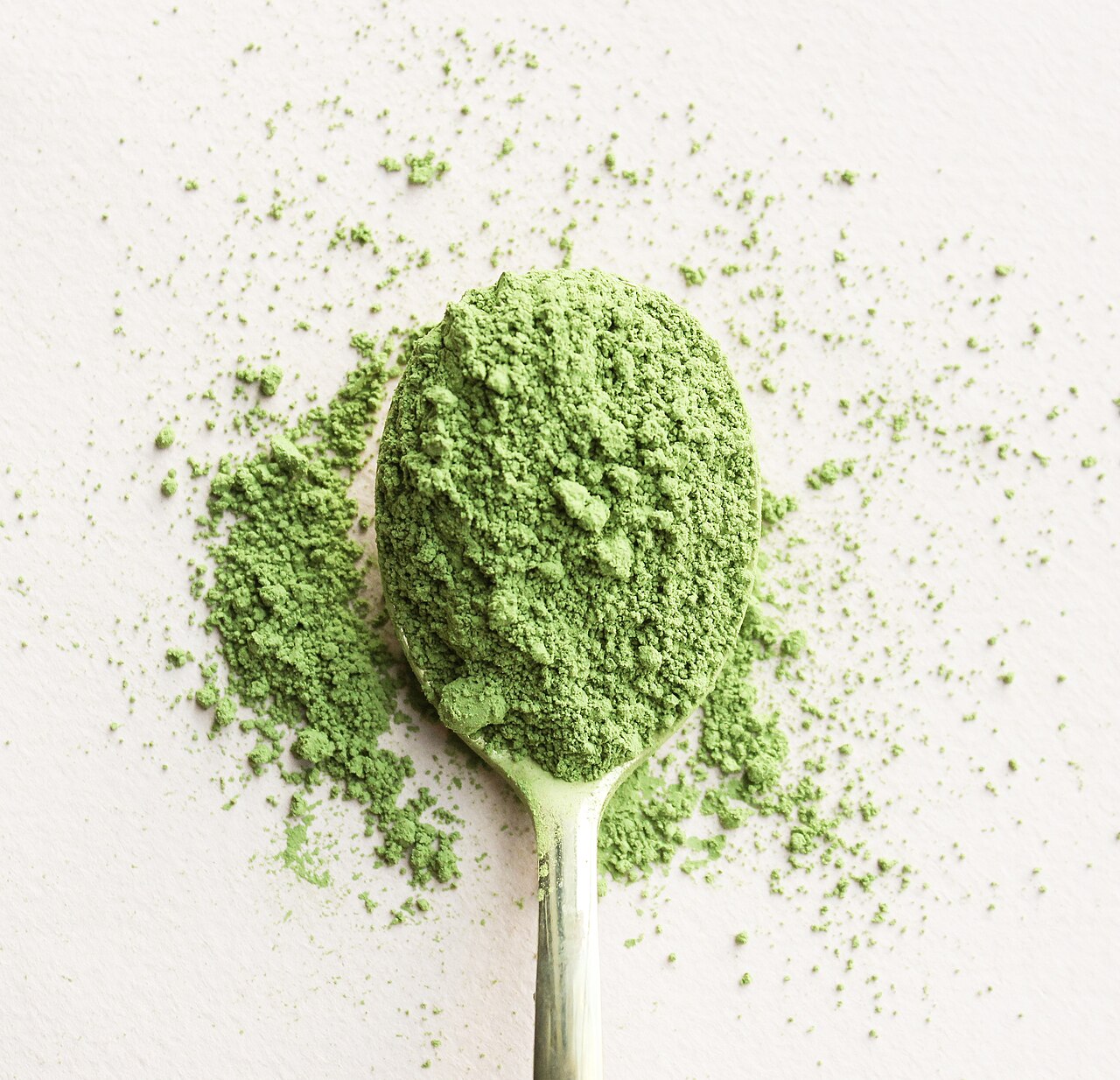
Colour usually deepens a little. Freshly milled matcha is bright green; kuradashi matcha may look more settled. That is not a defect, but it is not a sign that darker is better. If the powder is yellow-brown and smells of hay or cardboard, suspect poor storage or oxidation rather than successful ageing.
Claims about “honey aroma from ageing,” “Maillard-type reactions” and “breathing clay jars” are not well supported for ordinary matcha. A chatsubo is a sealed container, not a porous ageing crock. Matcha is not sake or pu-erh, and its year-language should not be borrowed wholesale from either.
How to drink it
Kuradashi matcha is still matcha. Once the jar is open, grind and use it promptly; after milling, it fears light, heat and moisture like any other matcha. Do not leave it at room temperature to “continue ageing” because the label says kuradashi.
For usucha, use more water at about 70–80°C, sift the powder first and whisk to a fine foam. For koicha, use much less water and more powder; the texture is thicker and the powder quality is more exposed. The point of kuradashi is roundness and umami, not a bitter punch. If the cup is only bitter and astringent, suspect stale powder, water that is too hot or too much leaf before blaming the absence of “vintage” character.
When buying, look for three things: the year the tencha was made, the date the jar was opened or the powder was ground, and the storage instructions. A product that says only “kuradashi” and gives no date leaves the information chain incomplete.
Common misunderstandings
- Kuradashi is a cultivar. No. It is a storage and opening point for tencha.
- Longer is always better. No. The common product is aged for one summer into autumn, not for many years.
- Kuradashi is always better than fresh matcha. No. Fresh matcha has a sharp, vivid green aroma; kuradashi is rounder. That is a style difference, not a grade.
- The jar breathes. A chatsubo is a sealed vessel. The ageing relies mainly on low oxygen, low temperature and darkness, not on air passing through clay.
- Kuradashi is a health treatment. There is no reliable evidence for that. Tea is tea; do not turn a craft process into a medical claim.
Timeline
| Time | Event | Note |
|---|---|---|
| Spring | Tencha is made and sealed in the jar | The year's new tea is not milled immediately; it enters a cool, dark, low-oxygen rest. |
| Summer | Post-ripening | In the sealed jar, aroma and flavour slowly settle; astringency softens and umami moves forward. |
| November | Kuchikiri | The jar is opened, the tea is ground and whisked; the tea world calls this “the tea New Year.” |
| Present | Sold as a seasonal tea | Some makers release kuchikiri matcha from October to December, with a shelf life of about eight months. |
Sources and status
This page relies on Fukujuen's article “Matcha is in season in autumn,” the Tokyo Tea Cooperative's explainer on kuradashi tea and post-ripening, and Yamamasa Koyamaen's product page for kuchikiri matcha “Tsubonishiki.” Fukujuen supports the jar, the suppression of astringency, the increase in umami and the November opening; the Tokyo Tea Cooperative supports the post-ripening concept and “the tea New Year”; Yamamasa Koyamaen supports low-temperature ageing, stone-grinding at kuchikiri, the eight-month shelf life and the October–December sales window. Details in the legacy draft — “one to several years,” “five-year old kuradashi,” “breathing Shigaraki or Bizen clay,” “Maillard-type reactions,” an Edo tea master's discovery and a jar left by a dead tea master — had no adequate source and have been removed.